
Last updated November 16, 2026
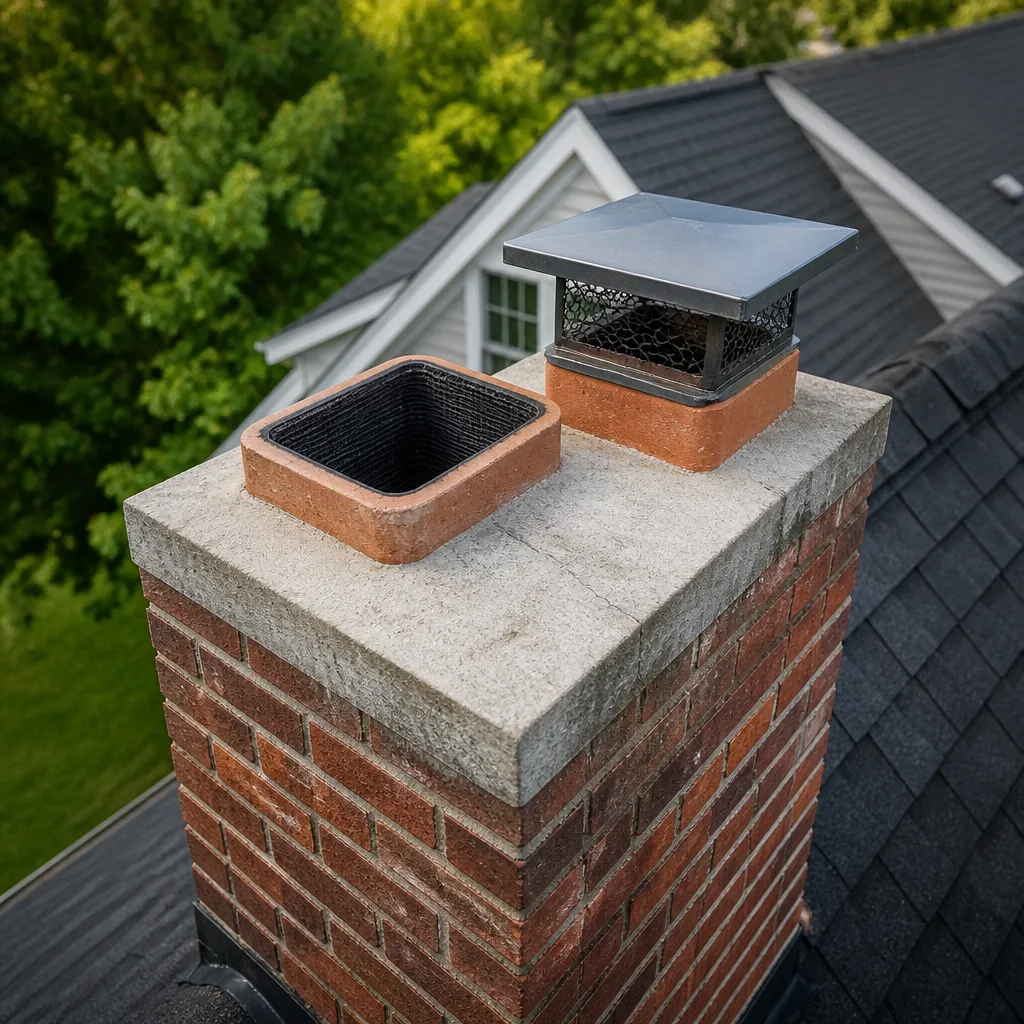 Sweep & inspection
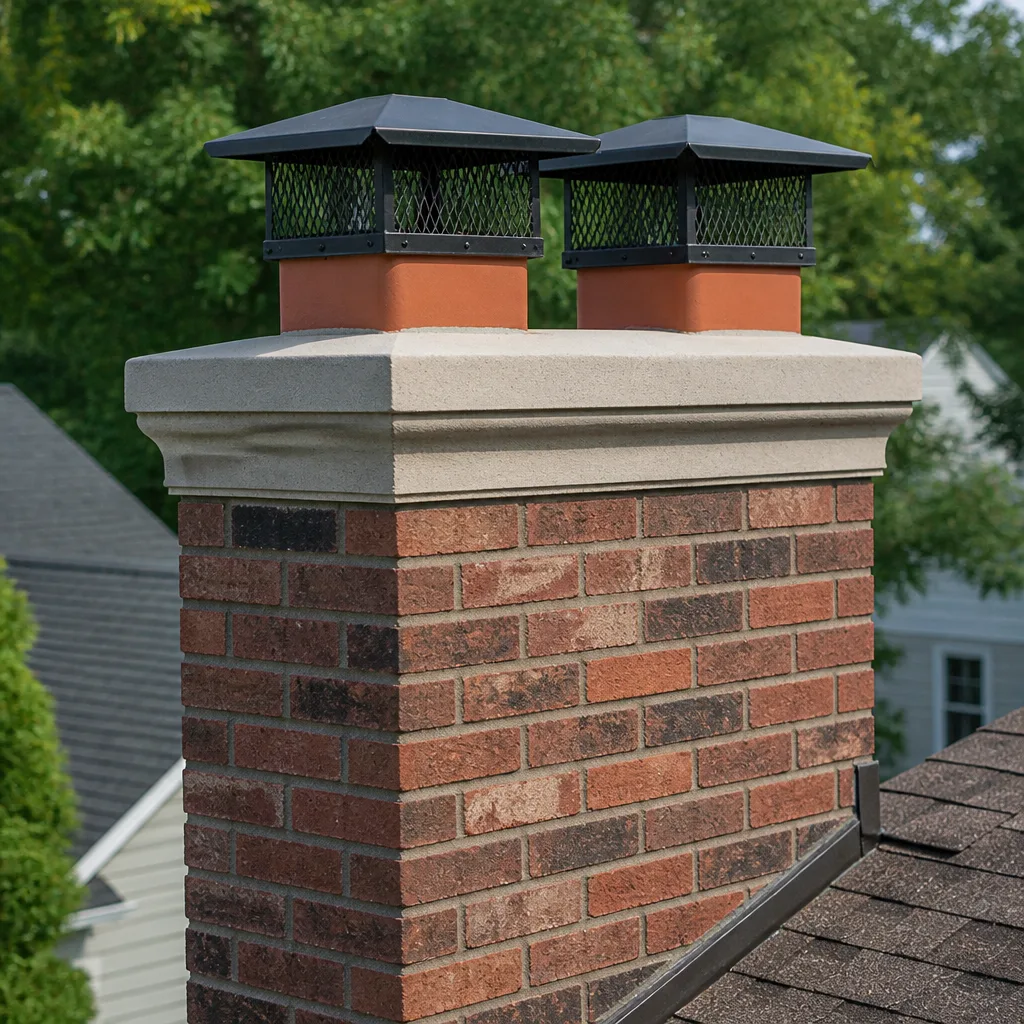 Caps & crowns
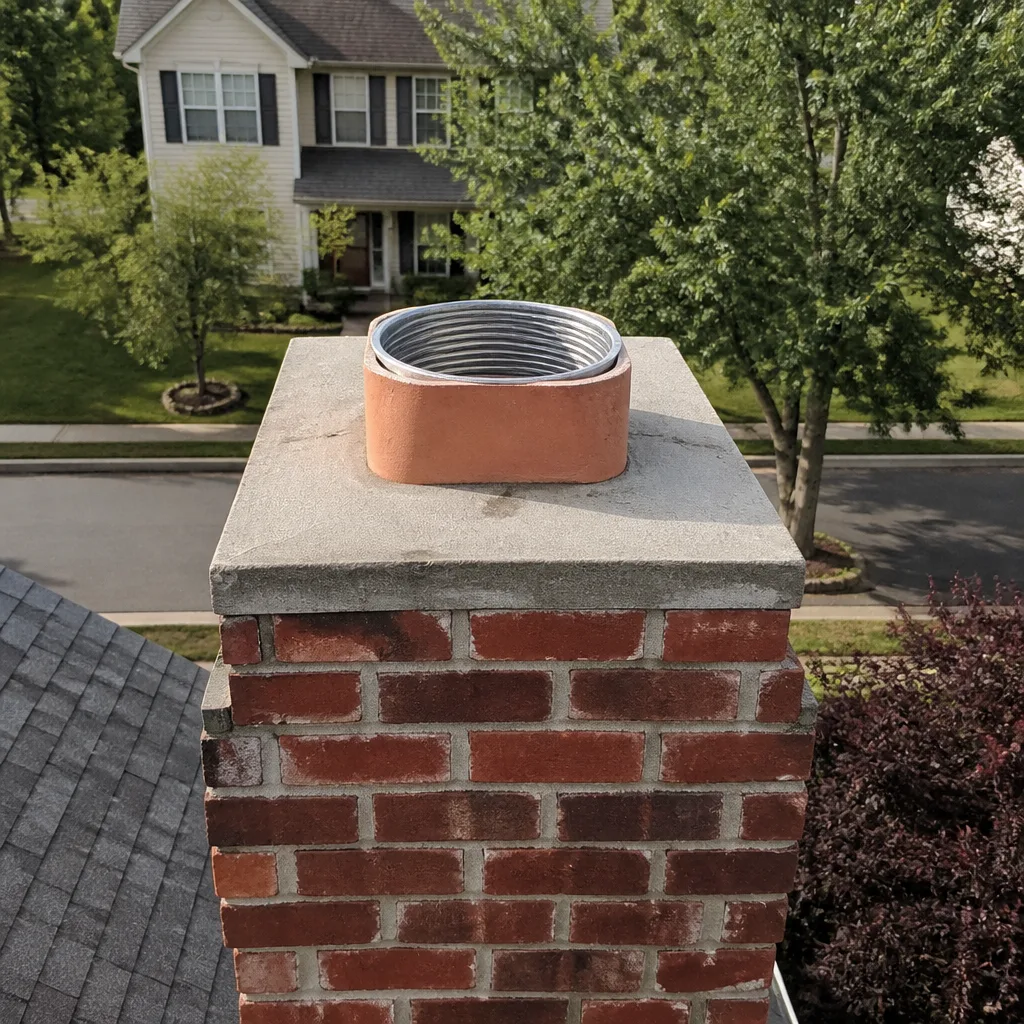 Flue relining
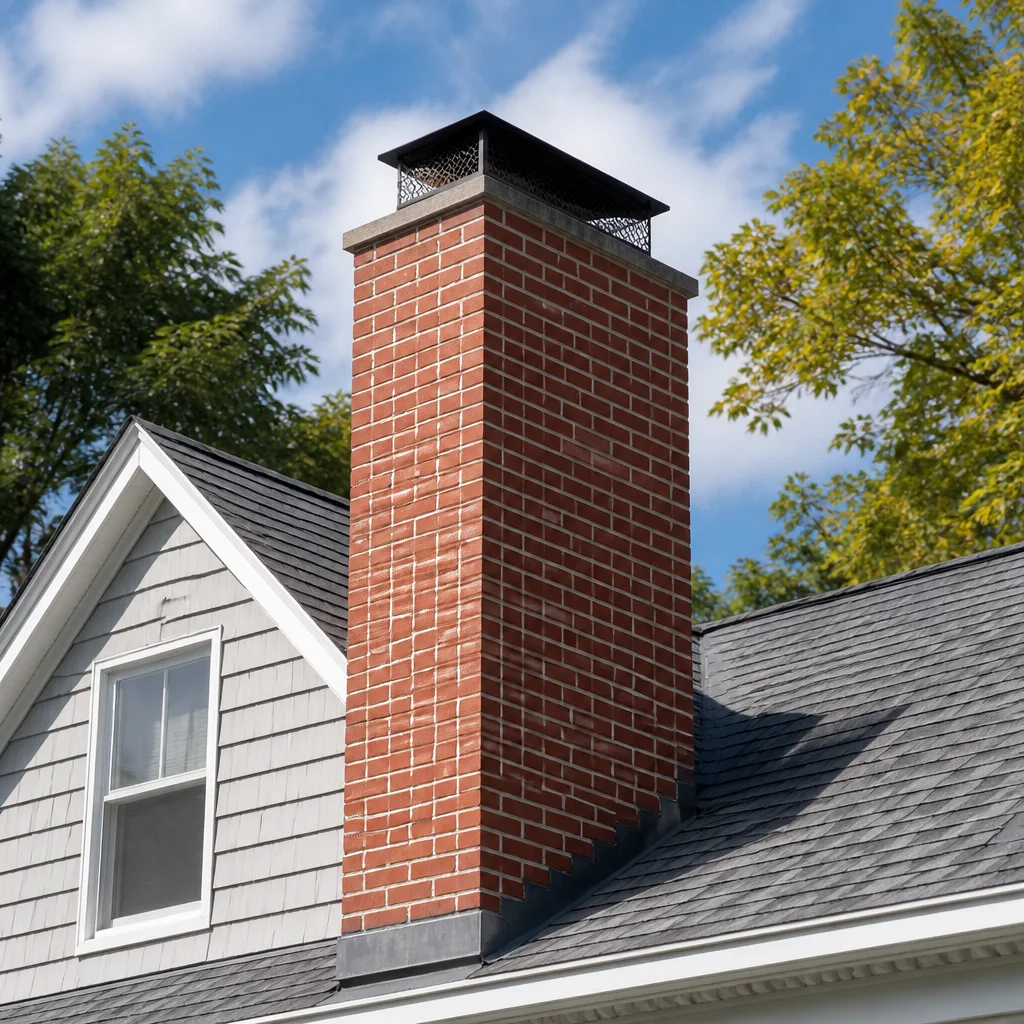 Masonry repair
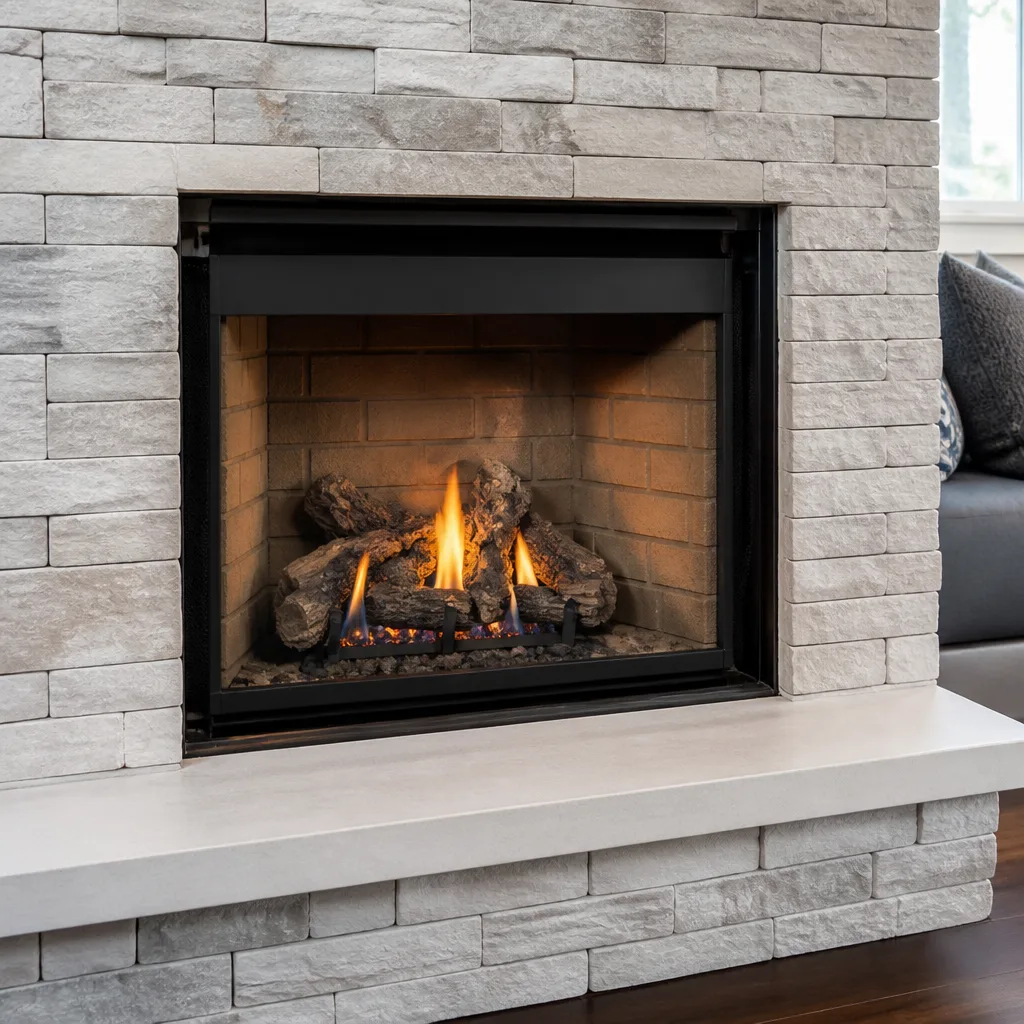 Gas fireplace service
Level 1 sweep and inspection to the NFPA 211 annual standard - flue, crown, cap, and flashing checked and photographed
Chimney sweep logs do not sweep chimneys. They loosen some creosote - which then falls where a brush and vacuum still have to collect it.
Seasonal Chimney Cleaning Care for Avondale: Year-Round Homeowner’s Guide
Most Avondale homeowners stop thinking about their chimney the moment the last fire of the season dies out. That’s backwards. Spring is precisely when the fireplace season ends and the work that protects your flue should begin, because the season you don’t think about your chimney is the season the desert does its slow damage. Summer heat bakes the crown, monsoon rain finds every crack, and dust settles into an unserviced firebox for months before anyone notices. This guide walks you through a full year of chimney care as it actually applies to Avondale, season by season, so the next fire you light is a safe one.
Quick Answer
In Avondale, the right rhythm is: clean and inspect in spring after your last fire, watch the crown and mortar through the hot summer, act fast on any water intrusion during monsoon season, then sweep and inspect again in October before your first burn. A short two-to-three-month burn season doesn’t mean less care. It means the off-season matters more, because that’s when heat and rain work on a chimney nobody’s looking at.
Styles & brands we work with
- Sweep & inspection
- Caps & crowns
- Flue relining
- Masonry repair
- Gas fireplace service
Table of Contents
- Why Avondale’s Climate Rewrites the Standard Chimney Advice
- Summer (June – August): Heat, Mortar, and the Crown
- Monsoon Season (July – September): Water Intrusion and What to Do After a Storm
- Fall Prep (October): The Pre-Season Sequence
- Winter Use (November – February): Burn Habits for a Short Season
- Spring Service (March): Why Post-Season Cleaning Still Matters
- Your Avondale Chimney Calendar at a Glance
- Common Mistakes to Avoid
- When to Call a Professional
Why Avondale’s Climate Rewrites the Standard Chimney Advice
Most chimney care advice you’ll find online was written for places with hard, long winters and wet, cool summers. That’s not Avondale. Here, summer is punishing and dry until the monsoon arrives, and “winter” is a short window, often just two or three months of real fireplace use. The seasons don’t look like the textbook version, and that gap is exactly where chimney problems develop.
A chimney in Avondale faces a specific set of stresses. Months of intense heat dry out and shrink the mortar joints and the crown, the concrete cap on top of the chimney. Then the monsoon arrives with sudden, heavy rain that finds every small crack the heat opened. Water gets in, the masonry takes on moisture, and the cycle repeats. Meanwhile, most homes here sit unused fireplace-wise for eight or nine months, so a developing problem has a long, quiet stretch to get worse before the next fire reveals it.
That’s why a seasonal approach makes more sense than a single annual reminder. The work you do in each season is different, and each one catches something the others can’t. Our technicians have up to experience, and the pattern we see in Avondale homes is consistent: the chimneys that cause trouble are almost always the ones nobody looked at between March and October.
- Summer stresses masonry through heat and drying, not cold.
- Monsoon delivers water fast, to a structure already dried and cracked.
- Fall is your real pre-season checkpoint.
- Winter is short but concentrated, with creosote building over a few dozen fires.
- Spring is the cleanup and inspection window nobody uses.
What you’ll learn in this guide is how to work with that rhythm instead of against it, and where a trained professional fits into each season.
Summer (June – August): Heat, Mortar, and the Crown
Summer is the season most people forget the chimney exists, and it’s the season when the slow damage gets done. Weeks of extreme heat pull moisture out of masonry and sealants, causing them to shrink and crack. The crown, that sloped concrete cap that sheds water off the top of the chimney, is the most exposed part and the first to show it. Small hairline cracks in late June become real openings by August.
The reason this matters in Avondale specifically is timing: the heat damage happens right before the monsoon, so the cracks are widest and most open exactly when the heavy rain arrives. Summer is also the ideal season to inspect and catch those problems, because you can see them clearly and fix them before water gets in.
What to check on your own, from the ground with binoculars, no ladder required:
- The crown. Look for visible cracks, crumbling edges, or a crown that’s pulling away from the flue.
- Mortar joints. Missing or receding mortar between bricks shows up as dark gaps or sandy grit on the roof.
- The cap and spark screen. A rusted, bent, or missing cap lets rain, birds, and debris straight into the flue.
- Flashing. The metal seal where the chimney meets the roof should be tight and free of gaps.
- Signs of spalling. Flaking or crumbling brick faces mean moisture is already inside the masonry.
If you see cracks in the crown or crumbling mortar, get it looked at before the rains come. A crown reseal or repair done in July costs far less than the water damage it prevents. We use Famco and Copperfield components for caps and related hardware because they’re built to hold up to sun and heat, not just to look right on day one.
For a full assessment rather than a from-the-ground look, a professional chimney sweep and inspection in early summer catches the things binoculars can’t.
Monsoon Season (July – September): Water Intrusion and What to Do After a Storm
Monsoon rain is not gentle. It arrives in short, intense bursts that overwhelm a chimney’s defenses in minutes. If there’s a crack in the crown, a gap in the flashing, or a missing cap, water goes straight in. And because the summer heat has already dried and opened those weak points, monsoon season is when water intrusion damage actually happens in Avondale.
Water inside a chimney doesn’t just make things damp. It soaks into masonry and the flue liner, rusts the damper and any metal components, and can cause mortar to deteriorate from the inside. Left through a wet season, it leads to spalling brick and, eventually, structural problems. The signs of intrusion to watch for:
- Water stains on the ceiling or walls near the chimney, or on the firebox itself.
- A musty or damp smell coming from the fireplace, especially after rain.
- Rust on the damper, firebox components, or the cap.
- Crumbling or flaking brick, white powdery deposits on masonry (efflorescence), or damp patches on the chimney exterior.
- Water pooling in the firebox after a heavy storm.
After a major storm, here’s what to do, in order:
- Don’t light a fire. If you suspect water got in, wait until the chimney has been checked. A damp flue behaves differently, and the firebox needs to be dry.
- Look for interior signs. Check the ceiling, walls, and firebox for fresh stains or dampness.
- Check the firebox and damper. Open the damper and look for pooled water, rust, or debris.
- Book an inspection. A camera inspection shows whether water reached the liner and whether the masonry needs to dry out and be repaired. Water damage is one of the things you don’t want to guess about.
The takeaway for monsoon season: act quickly, and don’t assume a dry firebox means no water got in. Water often travels into masonry and the liner before it shows up anywhere obvious. A sweep and inspection after a big storm is cheap insurance against a repair bill later.
Fall Prep (October): The Pre-Season Sequence
October is your real checkpoint: the last calm month before the burn season starts, when you want the chimney clean, inspected, and confirmed ready for fire. In Avondale’s climate, the best order of operations before your first fire of the season looks like this:
- Clear the firebox and flue of summer debris. Dust, insect nests, and debris can accumulate over the off-season. A sweep removes all of it.
- Inspect the flue and liner. A camera inspection confirms the liner is intact and clear. This is the step that catches what a visual check from below misses.
- Check the damper and smoke chamber. Make sure the damper opens fully and closes tight, and that the smoke chamber isn’t obstructed.
- Confirm the cap and screen are intact. A damaged cap lets rain and animals in; fix it before the season.
- Verify draft. A quick test confirms the chimney will pull smoke up and out rather than back into the room.
- Do a small test fire before cold weather. Light a small fire after the inspection and watch for smoke backing up or unusual smells.
This sequence matters more in Avondale than in colder climates because your burn season is short. You don’t have the luxury of a long winter to figure things out. If the first cold night arrives and the chimney isn’t ready, you either skip the fire or light it with an unknown condition. October prep removes that choice.
If your inspection turns up a damaged liner, this is also the moment to talk about options rather than panic. We offer HeatShield ceramic resurfacing, an industry-recognized liner repair system, which can often restore a damaged flue without the cost of a full reline. That’s a middle path worth asking about before anyone tells you replacement is the only answer. We use Gelco and Olympia Chimney components where a component replacement is the right call.
Book your fall inspection early in October. The closer you get to the first cold snap, the busier the calendar gets, and you want a chimney confirmed ready before you need it. Call (833) 906-6774 to schedule a free estimate.
Winter Use (November – February): Burn Habits for a Short Season
Avondale’s fireplace season is short, often just two to three months of real use. That changes how you should think about burning. A short, concentrated season means creosote builds over a relatively small number of fires, so the quality of each fire matters more than the quantity. Smoldering, low-oxygen fires produce far more creosote than hot, efficient ones, and in a short season a handful of bad fires can leave a meaningful deposit.
Burn habits that keep creosote low:
- Burn hot, not smoldering. Fires that get plenty of air burn cleaner. A slow, smoky fire coats the flue with creosote.
- Use seasoned, dry wood. Wet or unseasoned wood wastes energy up the flue and leaves more deposits behind.
- Don’t overload the firebox. A fire that’s too large for the flue can produce smoke that backs into the room.
- Keep the damper open until the fire is fully out. Closing it early traps smoke and creosote in the flue.
- Never burn trash, cardboard, or treated wood. These leave deposits and can damage the liner.
Even with good habits, you should assume some creosote builds over the season. That’s normal. The question is how much, and whether it’s still at a level that’s safe to burn on. You can’t answer that from the living room. Once creosote reaches a certain thickness in the flue, the risk of a chimney fire rises, and the only way to know where you stand is an inspection.
One thing that’s easy to miss in a short season: a chimney that performed fine last year may not this year. The off-season heat and monsoon can change the condition of the flue without you noticing. So don’t assume last season’s performance carries over. The fall inspection exists precisely to catch that.
If you notice smoke backing into the room, a stronger-than-usual smell, or creosote flaking off inside the firebox, stop burning and get it checked. Chimney fires are serious, and they often start silently in a flue nobody’s looked at. That’s not a scare tactic, just the reason we recommend inspection before the season rather than after a problem.
Spring Service (March): Why Post-Season Cleaning Still Matters
Spring is the season Avondale homeowners skip, and it’s the one that matters most. The fireplace season ends, the weather warms up, and nobody wants to think about the chimney until fall. But that’s exactly backwards. The deposits left over from winter sit in the flue all spring and summer, drawing moisture and, over months, contributing to corrosion and deterioration of the liner and metal components.
Post-season cleaning does three things:
- Removes creosote before the hot months. Creosote left in a flue through summer can absorb moisture and become more corrosive over time.
- Lets you inspect while the winter’s evidence is fresh. The condition of the flue after a season of use tells you a lot; that information is clearest right after the season, not seven months later.
- Gets the chimney into its best condition for the off-season. A clean, inspected chimney is in the best position to weather summer heat and monsoon rain without the added stress of leftover deposits.
Even if you only burned a dozen fires, spring cleaning is worth it. A dozen fires in a short season, especially if any of them smoldered, can leave a deposit that’s better out than sitting in a hot, humid flue all summer. And spring is the moment to catch crown cracks and mortar problems, when there’s plenty of time to repair them before the rains arrive rather than scrambling in July.
Spring is also when you want a full chimney repair conversation if the inspection turns up anything. Catching a damaged crown or a failing liner in March means you can plan and budget for the fix, not discover it in October when you’re ready to light the first fire.
The pattern is simple: clean in spring, watch through summer, act after storms, inspect in fall, burn well in winter. Skipping spring means the flue waits too long for attention.
Your Avondale Chimney Calendar at a Glance
Here’s the full year in one place, so you can plan around Avondale’s climate rather than a generic national schedule.
- March (spring service): Post-season sweep and inspection. Clear winter deposits, check the liner, crown, and mortar, and book any repairs well ahead of the monsoon.
- April – May: Complete any repair work identified in spring inspection. This is the calm window before summer heat.
- June – August (summer): Watch the crown, mortar joints, cap, and flashing for heat-related cracking. Inspect from the ground; book a professional check if you see problems.
- July – September (monsoon): After each major storm, check for water intrusion signs. Act fast if you suspect water got in.
- October (fall prep): Full sweep, camera inspection, damper and cap check, draft test, and a small test fire before the season.
- November – February (winter use): Burn hot, dry, and clean. Watch for smoke backup and unusual smells.
Notice that the two bookends, spring and fall, are the two professional service points, and the middle months are mostly about observation. That’s the rhythm the Avondale climate rewards. Two professional visits a year is the standard for most homes here, more if you burn frequently or if an inspection finds something to watch.
Common Mistakes to Avoid
- Skipping spring service because the season ended. The fireplace season ending is the reason to clean, not to wait. Deposits left in the flue through summer do more harm than good.
- Ignoring the crown and mortar through the hot months. Summer is when heat opens cracks, and those cracks are the entry point for monsoon water. A quick look in June prevents a repair in August.
- Assuming a dry firebox means no water intrusion. Water often travels into masonry and the liner before it shows up inside. Look for stains, rust, and a musty smell after storms, not just puddles.
- Burning wet or unseasoned wood. It wastes energy up the flue and leaves more creosote, and in a short Avondale season a few bad burns matter.
- Closing the damper with the fire still smoldering. That traps smoke and creosote in the flue. Wait until the fire is fully out.
- Relying on a visual check from the living room instead of a camera inspection. The flue liner can be damaged in ways you can’t see from below. An inspection is how you know, not guess.
- Waiting until the first cold night to think about the chimney. October prep exists so the first fire of the season is a confirmed-safe one, not a gamble.
When to Call a Professional
Some things you can check yourself from the ground; others need trained eyes and a camera. Call a professional if you see visible cracks in the crown or crumbling mortar before the monsoon, if you have any sign of water intrusion after a storm, if you notice smoke backing into the room or creosote flaking in the firebox, or if the flue liner’s condition is unknown and you’re about to burn. Also call if your last cleaning was more than a season ago and you’re ready to light the first fire. Ignoring these isn’t worth the risk, because a chimney fire or a damaged liner is far more expensive than an inspection.
Chimney Sweep Avondale inspects first and recommends second, and nothing is recommended without camera evidence you can see for yourself. If the work can safely wait, we’ll tell you. Call (833) 906-6774 for a free estimate. We answer 24/7, with fast dispatch from 7am to 7pm, Sunday through Friday.
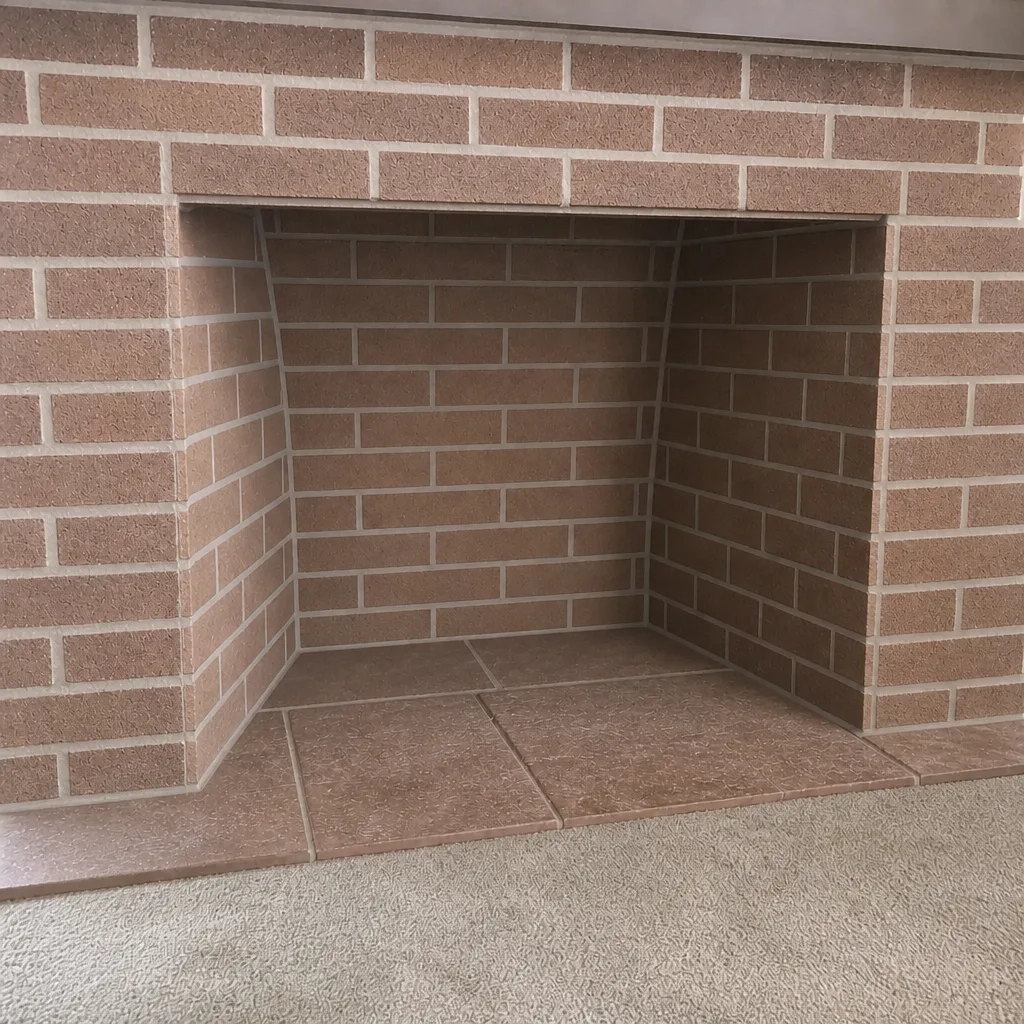
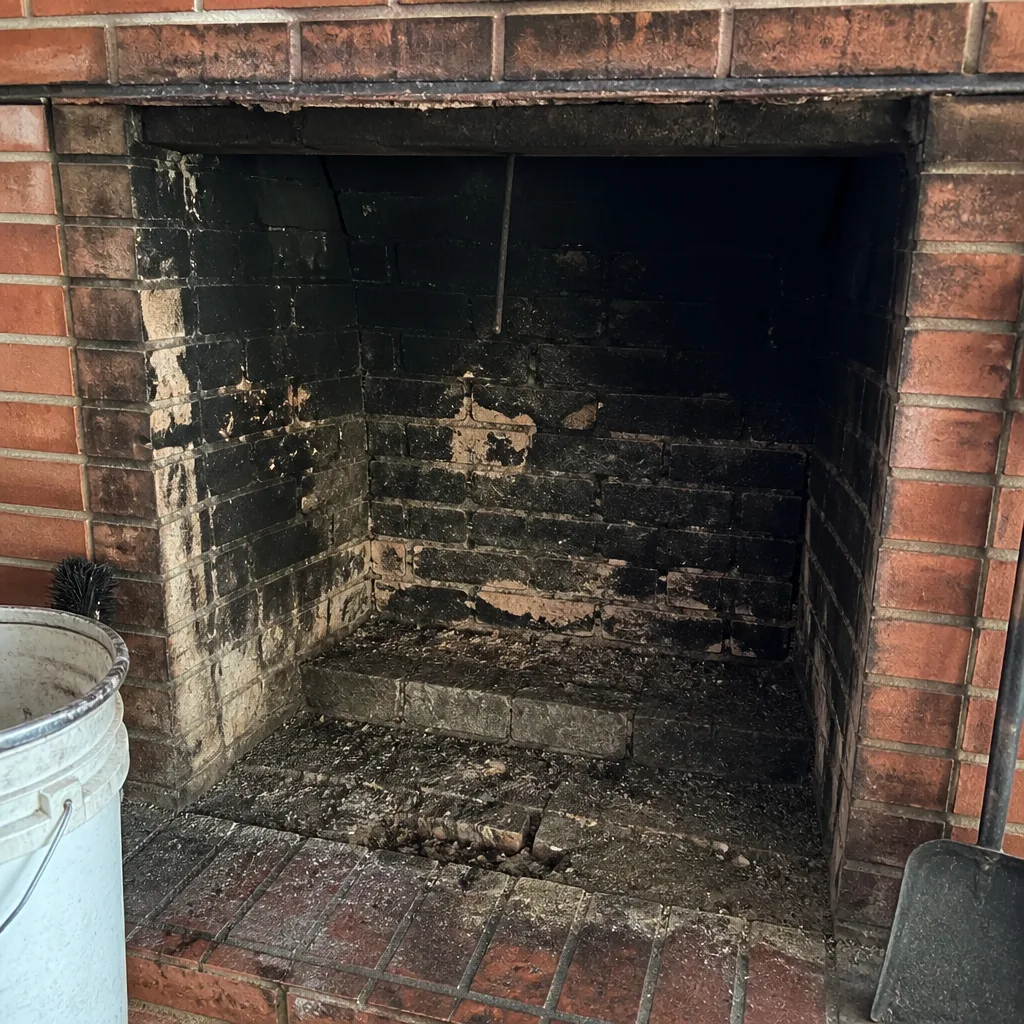
See the difference
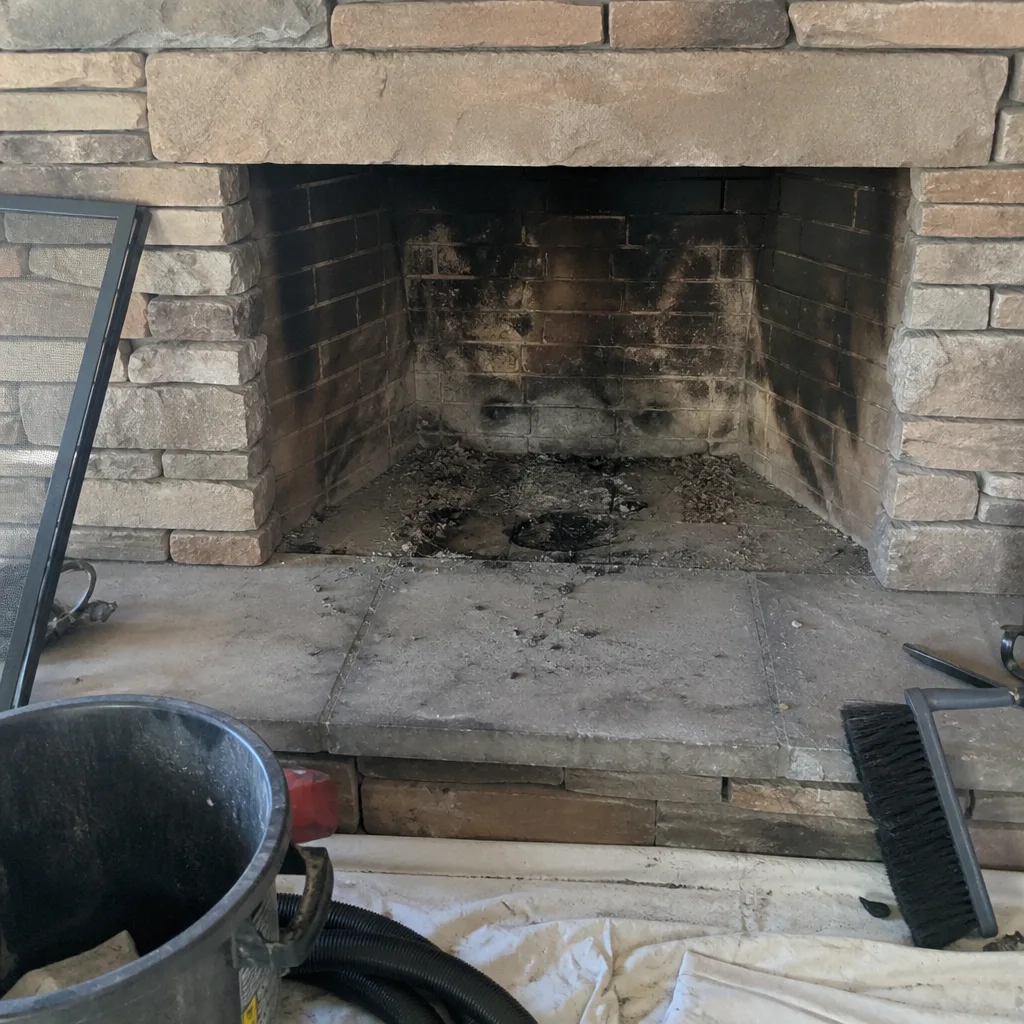 Before
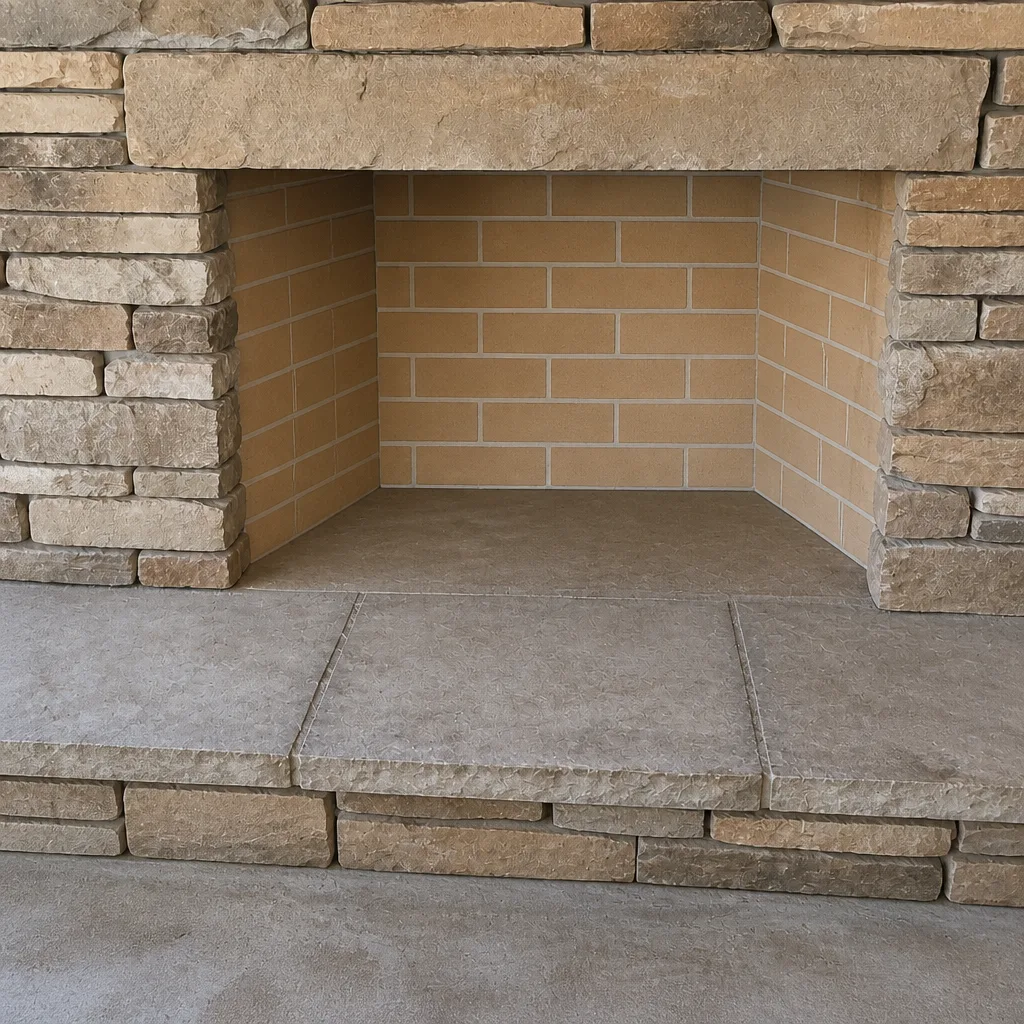 After
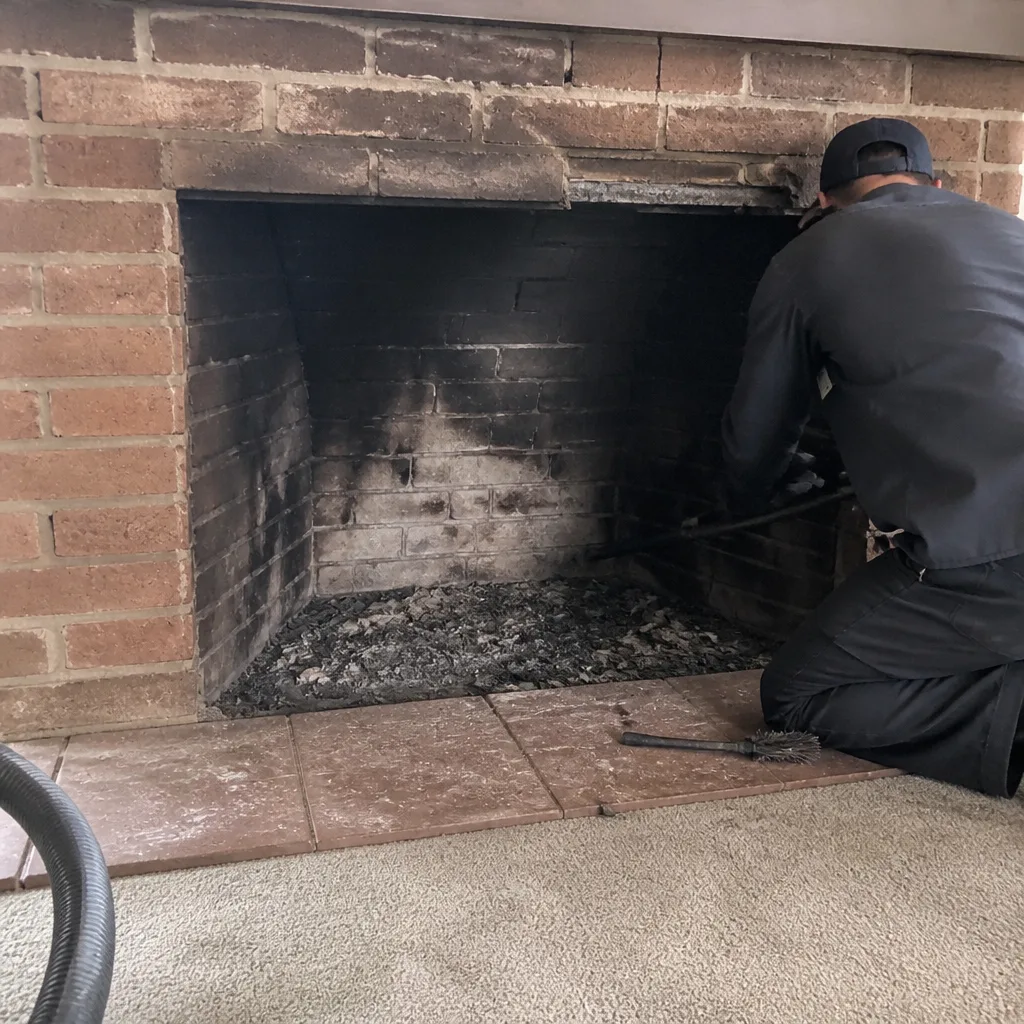 Before
 After
 Before
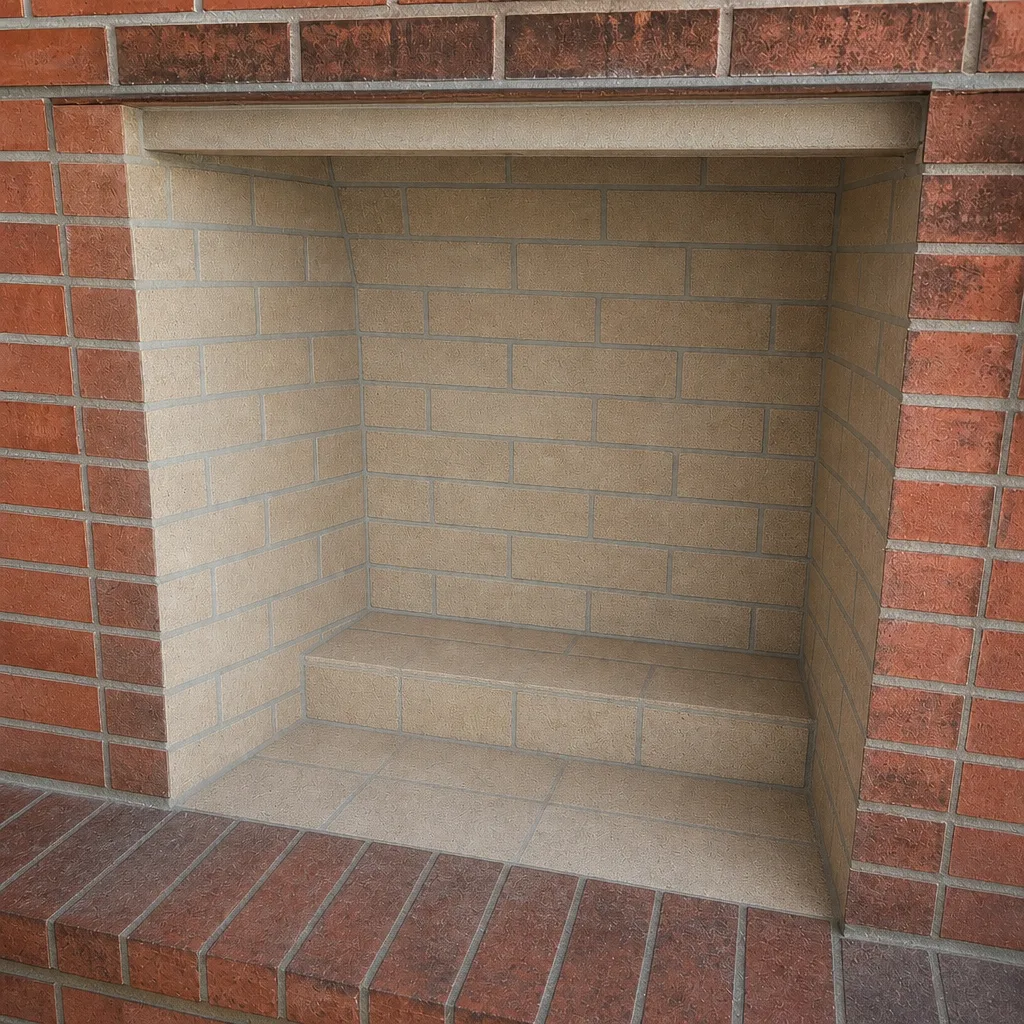 After
Frequently Asked Questions
Once a year is the standard baseline, and for most Avondale homes a spring cleaning after the burn season plus a fall inspection before the next one is the right rhythm. If you burn frequently or your fall inspection shows a heavy deposit, an extra sweep may make sense. Call (833) 906-6774 for an exact quote, and estimates are free.
Skipping a season lets creosote and moisture sit in the flue through the hot, wet months, which can lead to liner corrosion and masonry deterioration, and it means any developing problem goes unnoticed until the next fire. In Avondale’s climate, the off-season is exactly when water intrusion damage does its work. Call (833) 906-6774 to book an inspection and estimates are free.
You can check the crown, cap, and flashing from the ground with binoculars, and those checks are worth doing. But the flue liner, smoke chamber, and interior masonry need a camera inspection, and climbing onto the roof is a fall risk. For anything beyond a ground-level look, a trained professional is the right call. Call (833) 906-6774 and estimates are free.
Not always, and that’s the important point. A damaged liner doesn’t automatically mean full replacement. HeatShield ceramic resurfacing can often restore a damaged flue and is worth asking about before you accept a relining quote. We’ll show you what the camera found and explain your options. Call (833) 906-6774 for a free estimate.
Check the ceiling, walls, and firebox for fresh water stains, look for rust on the damper or cap, and if anything looks off, get an inspection before you light a fire. Don’t assume a dry firebox means no water got in, because water often soaks into masonry and the liner first. Call (833) 906-6774 and estimates are free.
No, it means the off-season care matters more, because your chimney sits unserviced for eight or nine months while summer heat and monsoon rain work on it. The shorter season just compresses the creosote buildup into fewer fires, which makes each one count. Call (833) 906-6774 to book a spring sweep, and estimates are free.
The Bottom Line
Avondale’s chimney care isn’t a single annual appointment. It’s a rhythm: clean and inspect in spring, watch the crown and mortar through the hot months, act fast on water intrusion during monsoon season, sweep and inspect again in October, and burn clean through the short winter. The seasons that look like downtime are the ones doing the damage, and the little checks you do between professional visits are what keep a small crack from becoming a liner problem. Book the two service points, spring and fall, and treat the rest of the year as observation. It’s the difference between finding a problem and having one find you.
If you’d like a clear picture of where your chimney stands before the next season, contact us for a free estimate. Call (833) 906-6774. We answer 24/7. Fast dispatch from 7am to 7pm, Sunday through Friday.
Written by the team at Chimney Sweep Avondale.