
Last updated November 16, 2026
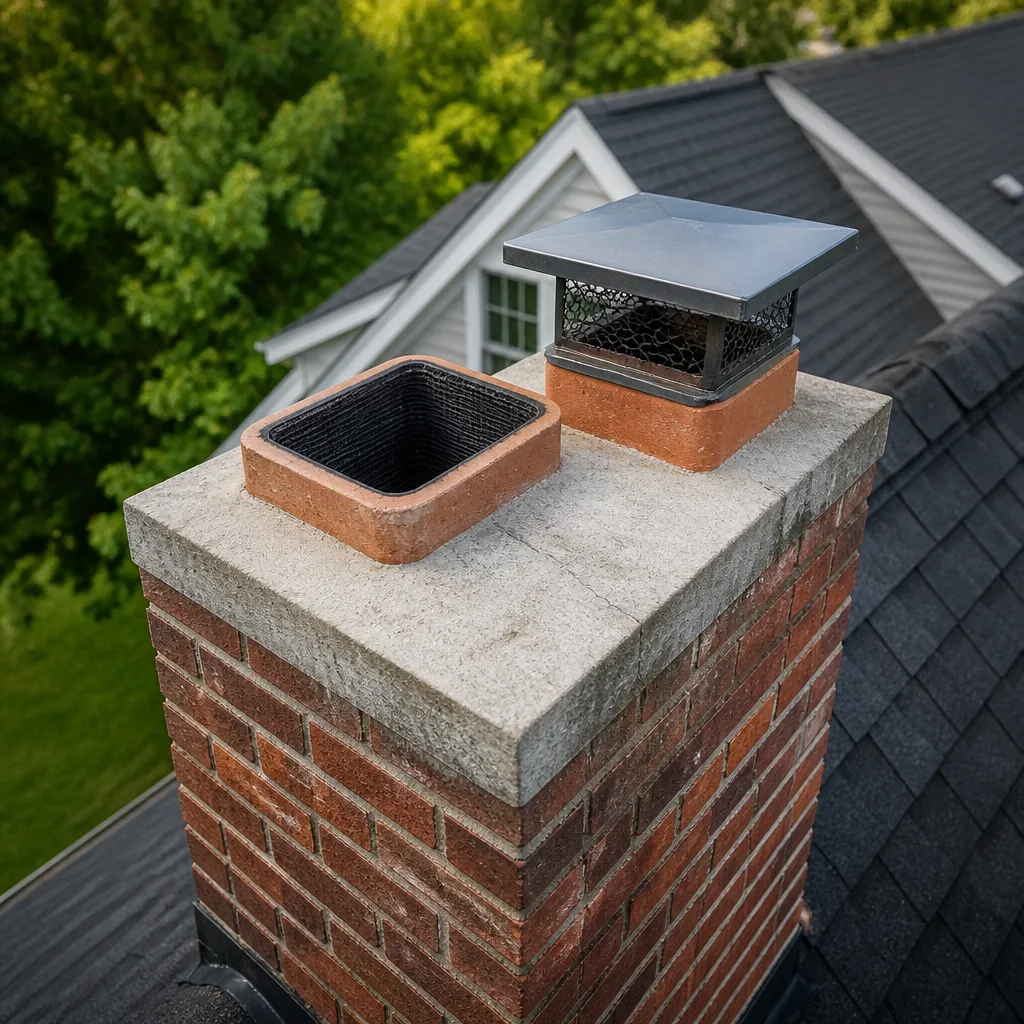 Sweep & inspection
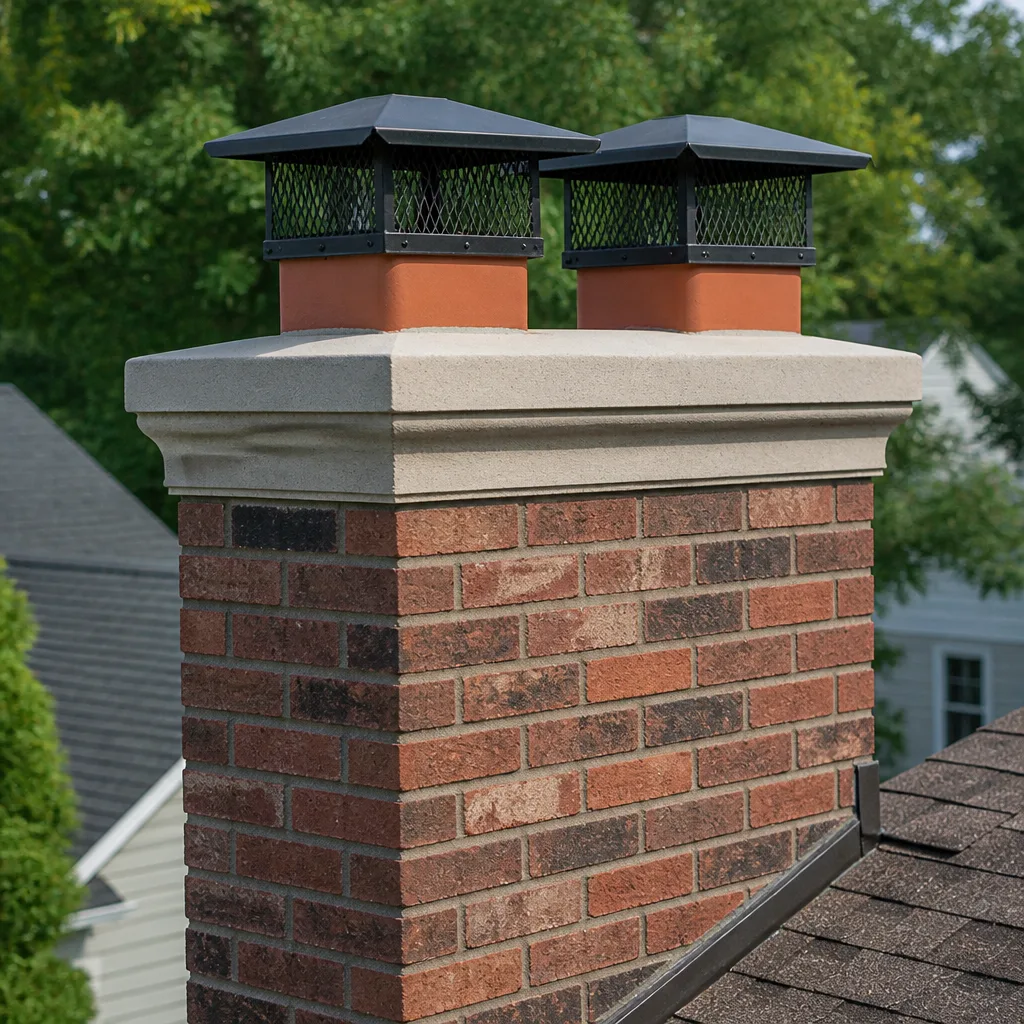 Caps & crowns
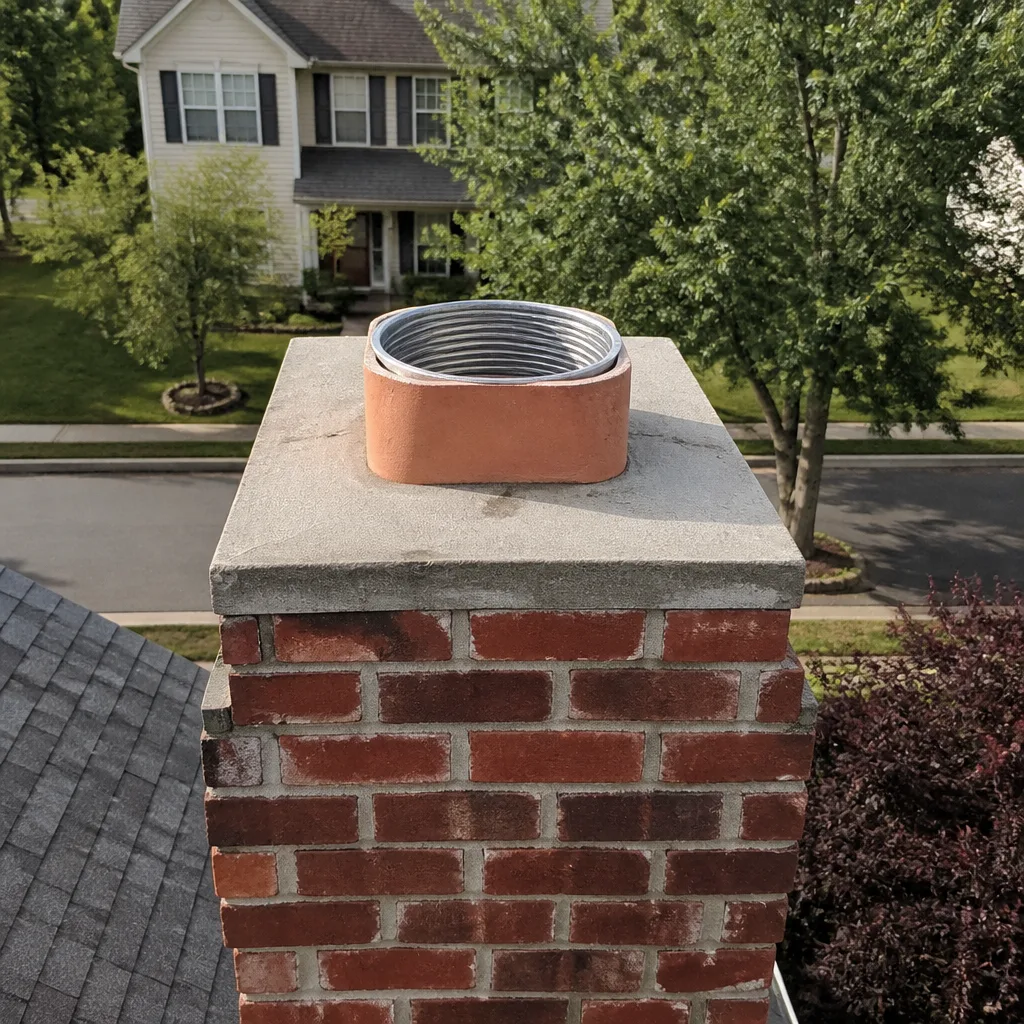 Flue relining
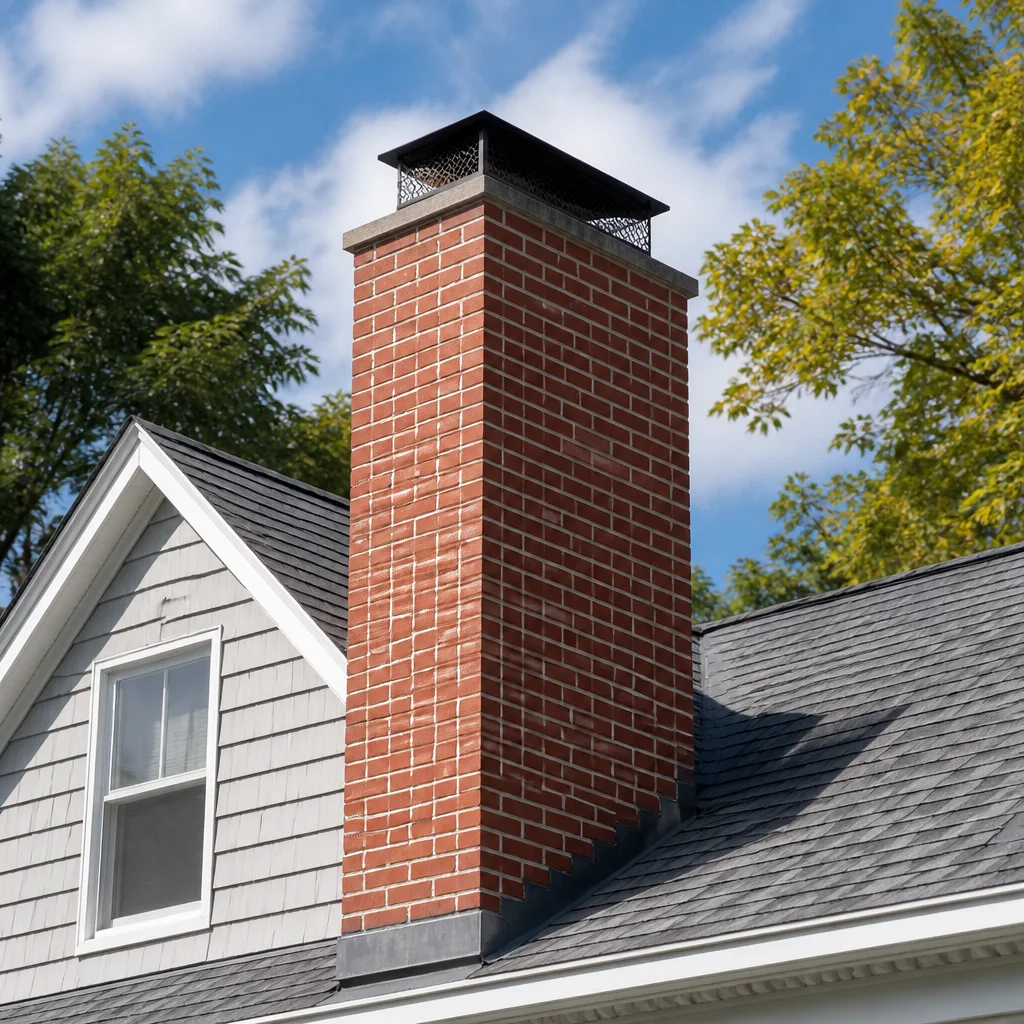 Masonry repair
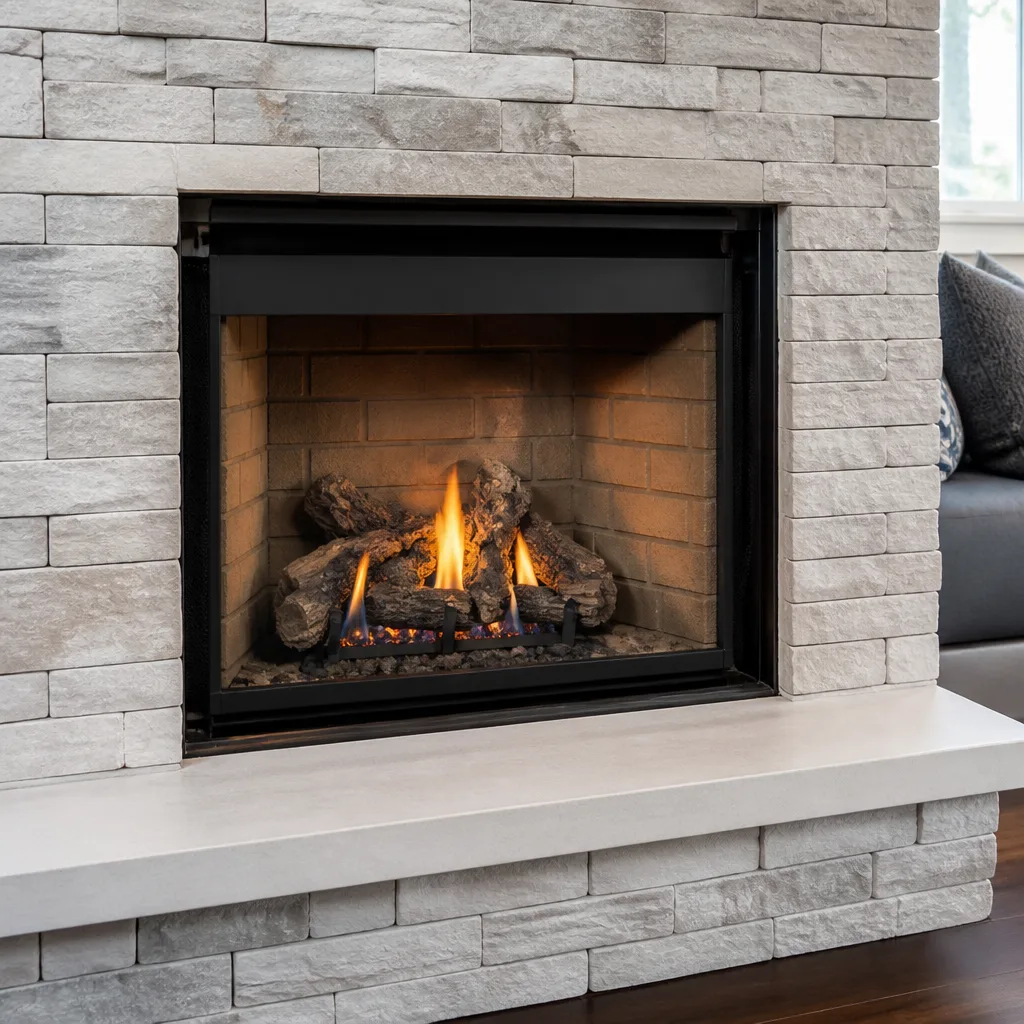 Gas fireplace service
Level 1 sweep and inspection to the NFPA 211 annual standard - flue, crown, cap, and flashing checked and photographed
Chimney sweep logs do not sweep chimneys. They loosen some creosote - which then falls where a brush and vacuum still have to collect it.
Chimney Cleaning Emergency Preparedness Guide for Avondale Homes
Most homeowners think emergency preparedness means a fire extinguisher on the wall and a phone number on the fridge. For a wood-burning chimney, it doesn’t. The real preparation happens months before anything goes wrong, during an annual cleaning you probably keep putting off, and in the sixty seconds after you first hear that low roaring sound from the flue. We wrote this guide because the questions we get in Avondale aren’t really about panic kits. They’re about what to actually do, in what order, when a chimney fire starts, and how to tell a real emergency from the smell of one that already happened. By the end you’ll know the response sequence, the carbon monoxide conditions that matter in Avondale’s newer tight-built homes, and the maintenance steps that make the whole scenario far less likely.
Quick Answer
If you suspect a chimney fire, call 911 first, get everyone outside or to a clear area, then close the firebox door and shut the damper to starve the fire of air if it is safe to do so. After any chimney fire, do not light another fire until a Level 2 inspection confirms the flue liner and adjacent structure are intact. And the single best preparedness step is an annual chimney cleaning and inspection, because a clean flue with a sound liner makes a chimney fire dramatically less likely.
Styles & brands we work with
- Sweep & inspection
- Caps & crowns
- Flue relining
- Masonry repair
- Gas fireplace service
Table of Contents
- What to do in the first five minutes of a chimney fire
- Is it a chimney fire now, or the smell of one that already happened?
- Carbon monoxide risk specific to Avondale chimneys
- Post-event protocol: why you don’t light a fire until a Level 2 inspection
- Preventive maintenance as emergency preparedness
- Creosote stages and what they mean for fire risk
- Gas fireplace emergency warnings
- What happens when you call us
What to do in the first five minutes of a chimney fire
A chimney fire burns hot enough to crack terra cotta liners and ignite framing beside the flue, and it can last anywhere from half a minute to twenty minutes. The response is short and worth reading twice. Nothing here requires you to fight the fire yourself. Your job is to protect people, cut the air, and get help moving.
- Get people out or clear. Move everyone to a safe distance from the fireplace and out of the room. If you see flames or heavy smoke coming from the chimney top, get out of the house and call 911 from outside.
- Call 911. Say plainly that you suspect a chimney fire. Fire crews would rather respond to a contained fire than arrive late to one that spread.
- Close the firebox door. A glass door or a metal screen limits how much oxygen feeds the fire. Close it if you can reach it safely.
- Shut the damper. If the damper control is easy to reach and the fire is inside the firebox, close it to cut the draft that pulls air up the flue. Skip this step if reaching it means getting close to flames.
- Do not throw water on it. Water on a hot firebox or liner can crack masonry and cast iron. Leave suppression to the fire department.
That’s it. Do those in order and you’ve done your part. Everything after the fire is about inspection, and we’ll cover the post-event protocol below.
Is it a chimney fire now, or the smell of one that already happened?
This is the question that catches people. A chimney fire can burn itself out before anyone fully registers what happened. Homeowners call us describing a smell and asking whether they had a fire or are about to have one. Here’s how to tell the difference between an active fire and the aftermath.
Signs a chimney fire is active right now
- A low rumbling or roaring sound that resembles a distant train or a large burner.
- Dense smoke or visible flame from the top of the chimney.
- Popping, crackling, or a vibration you can feel through the floor near the hearth.
- Dark smoke backing into the room, or a sudden strong smell of burning.
If any of these are happening, treat it as active. Call 911 and follow the steps above.
Signs you’re smelling a fire that already burned out
- A lingering, acrid, tar-like smell in the house that wasn’t there before.
- Creosote flakes, soot, or a dark powdery residue on the roof or ground near the chimney cap.
- Warped or discolored damper components, or a cracked chimney cap.
- Puffy, honeycombed creosote visible inside the firebox throat or flue.
An older chimney fire can smolder quietly in creosote deposits for a while and rekindle, so even if the roar has stopped, don’t assume it’s over. If you find the aftermath signs and have any doubt, call us for an inspection before you burn again. That’s the safest habit to build.
Carbon monoxide risk specific to Avondale chimneys
Carbon monoxide is the quiet part of chimney safety, and it’s where Avondale’s building stock matters. Many newer Avondale homes in neighborhoods like Verrado and the newer subdivisions off Estrella Parkway are built tight: sealed envelopes, well-insulated, efficient. That’s good for your energy bill and it creates a specific chimney condition. Tight homes have less natural air leakage, so a chimney can struggle to pull a proper draft, and combustion gases that should go up the flue can backdraft into the living space instead.
The same thing happens when a flue is partially blocked by creosote, when a chimney is cold (a common condition in Avondale’s mild winter mornings when you first light a fire), or when an exhaust fan from a kitchen or bath pulls harder than your chimney’s weakened draft. A backdrafting chimney sends carbon monoxide, an odorless gas, into the room.
What to watch for
- Headaches, dizziness, nausea, or drowsiness that improve when you leave the room.
- A stuffy, stale, or smoky smell that doesn’t clear when the fire is burning.
- A CO alarm sounding. If it does, get everyone outside and call 911. Do not try to air the house out and go back to sleep.
- Chimney smoke pushing into the room instead of up the flue.
Make sure you have working CO alarms on each level of your home and near sleeping areas. Beyond that, the fix for a chimney that backdrafts is a real diagnosis, which is what our inspections deliver. The team at Chimney Sweep Avondale checks draft, liner integrity, and airflow as part of every visit, and we tell you plainly whether the flue is pulling correctly.
Post-event protocol: why you don’t light a fire until a Level 2 inspection
After a chimney fire, the chimney can look fine and still be unsafe. A fire hot enough to matter can crack liner tiles, distort a metal liner, move masonry, and compromise the seal between the flue and your framing. The heat damage is often invisible from the hearth. That’s why the rule is simple: no fire of any kind until a Level 2 inspection has been completed and cleared.
A Level 2 inspection is the standard post-event inspection. It goes beyond the visual check of a Level 1 and uses a camera to examine the full interior of the flue along with accessible portions of the chimney structure. Here’s what it looks for:
- Liner integrity. Cracks, gaps, or separated joints in clay tiles, or distortion and burn-through in a metal liner.
- Creosote deposits. How much is left after the fire and at what stage, since glazed creosote is a re-ignition risk.
- Draft and flow. Whether the flue still pulls correctly or has been compromised.
- Adjacent structure. Any sign that heat reached framing, sheathing, or nearby combustibles.
- Damper and cap condition. Warping, cracking, or failure at the top of the chimney.
If the inspection finds damage, we can usually recommend a repair rather than a full rebuild. HeatShield ceramic resurfacing is one option we use to restore a damaged liner from the inside when the existing flue is otherwise sound. It’s a meaningful middle path between a small repair and a full reline, and we’ll explain which applies to your chimney after the inspection, not before.
Preventive maintenance as emergency preparedness
Here’s the part most guides skip: emergency preparedness for a chimney is mostly about not having the emergency. The single strongest predictor of a chimney fire is the amount of creosote built up inside the flue, and creosote accumulates with every fire you burn. An annual cleaning removes it before it becomes a hazard. That’s the whole point of an annual chimney sweep, and it’s also where a thorough inspection happens at the same time.
The National Fire Protection Association recommends chimneys be cleaned and inspected regularly, and that chimneys burning wood be swept when creosote reaches a meaningful buildup, which for most households means at least once a year. If you burn frequently through Avondale’s mild season, or you’re burning less-seasoned wood, an annual visit is the minimum, and sometimes you’ll want a mid-season check.
What a proper annual visit includes
- A full sweep of the flue, done without shortcuts or chemical “magic.”
- A visual inspection (Level 1) of the firebox, damper, and accessible chimney portions.
- A camera-based review if anything looks off, or on any post-event visit.
- A written report with photos so you can see what we see.
That last point matters. We never recommend work off a verbal hunch. If we tell you a liner needs attention, you’ll see the evidence in a photo before you spend money on a repair.
Creosote stages and what they mean for fire risk
Creosote forms in three recognizable stages, and each stage changes how a chimney behaves during a fire. Understanding them helps you read your own chimney.
- Stage 1: Sooty, flaky creosote. Light, dusty, and easy to brush away. This is normal and the least risky stage.
- Stage 2: Crusty, brittle creosote. Harder, adhered to the flue, and takes more effort to remove. Still manageable with proper tools.
- Stage 3: Glazed, hardened creosote. Shiny, tar-like, and highly combustible. This is the stage that fuels serious chimney fires and is the hardest to remove. If your flue reaches this stage, you likely have a draft issue, a moisture problem from burning damp wood, or a chimney that has gone too long between cleanings.
We see all three in Avondale. Glazed creosote tends to show up in fireplaces that get heavy use during the cool season combined with unseasoned wood, or in chimneys that were used by the previous homeowner and never cleaned. A camera inspection shows exactly which stage you’re in and whether a standard sweep is enough or the flue needs deeper treatment.
Gas fireplace emergency warnings
Gas fireplaces have their own emergency profile, and it’s worth covering because plenty of Avondale homes have one. With gas, the risk isn’t creosote; it’s carbon monoxide, gas leaks, and venting failures. Signs to treat as urgent:
- A rotten-egg smell near the fireplace or gas line (get out and call 911 and the gas utility).
- CO alarm sounding, or a physical symptom pattern consistent with CO exposure.
- A yellow or orange flame where you’d normally expect blue, which can indicate incomplete combustion.
- Soot streaks above the fireplace opening or on the logs, a sign of venting problems.
For gas units, the emergency step is the same as wood: get people clear, ventilate only if it’s safe, and call the utility or 911. Do not try to diagnose a gas leak yourself. After the emergency, the chimney still needs an inspection for venting and cap condition. Famco and Copperfield components are common for caps, dampers, and draft parts on area chimneys, and we source those when a gas unit needs venting repairs. Get your chimney repair handled only after a proper inspection, whatever the fuel type.
What happens when you call us
Here’s the honest version of what the call looks like. When you call, we ask a few questions to make sure the immediate issue isn’t a 911 situation. If it might be, we tell you to call emergency services first. If it isn’t, we book an inspection at a time that works for you, and we answer the phone whenever you call.
When we arrive, we complete a full sweep and inspection together, because sweep and inspect are not separate errands at Avondale. We photograph what we find, and we talk you through it. Then we recommend the smallest repair that solves the problem, with the material named so you know what’s going into your chimney. If the chimney is sound and just needed cleaning, we say so and you’re done. We won’t push work you don’t need, and no recommendation goes out without a photo you can look at yourself.
Call (833) 906-6774. We answer 24/7. Fast dispatch from 7am to 7pm, Sunday through Friday.
Common Mistakes to Avoid
- Lighting a fire the day after a chimney fire. It’s the most common and most dangerous mistake. The chimney may look fine, but heat can crack a liner invisibly. Wait for a Level 2 inspection before burning again.
- Ignoring the distant-train sound. Avondale homeowners often describe a low roar they assumed was the AC compressor kicking on. It’s a classic chimney fire symptom. If you hear it and there’s smoke or heat with it, treat it as a fire.
- Burning unseasoned or damp wood. Wet wood produces more creosote and increases the chance you hit Stage 3 buildup. Seasoned wood makes a safer, cleaner fire.
- Skipping the CO alarms. Avondale’s newer, tight-built homes are exactly where backdrafting can push carbon monoxide into a living space without a smoke smell. Put CO alarms on every level.
- Bedding a fire down and leaving it unattended overnight. A large, smoldering fire produces more creosote and stays hot for a long time. Burn smaller, hotter fires and let them burn down before you sleep.
- Trusting a chimney “cleaning” that’s really just a wipe of the firebox. A real sweep clears creosote from the full flue and inspects it. If your last cleaning took fifteen minutes with no camera, it wasn’t a full service.
- Assuming the chimney is fine because you haven’t had a problem. Chimney problems are quiet until they’re not. An annual inspection is the equivalent of a yearly checkup, not a sign something is wrong.
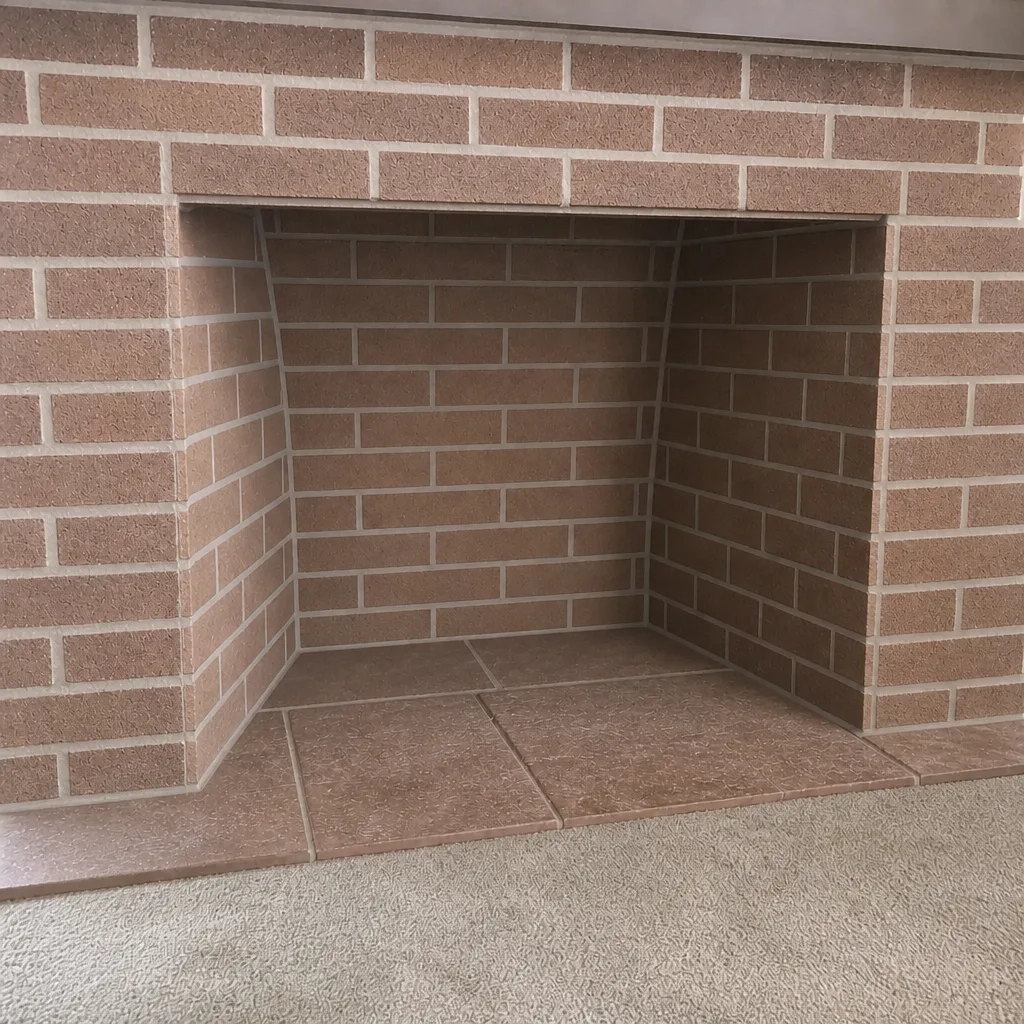
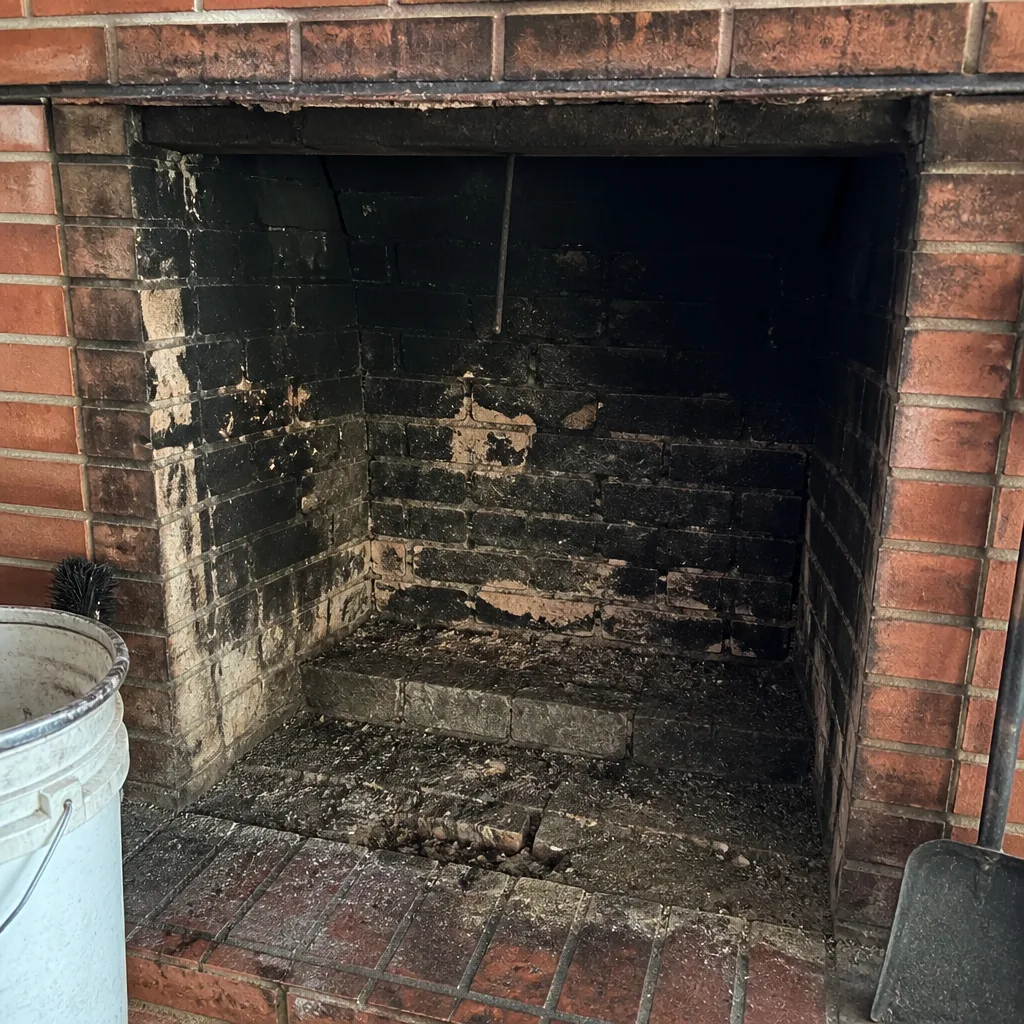
See the difference
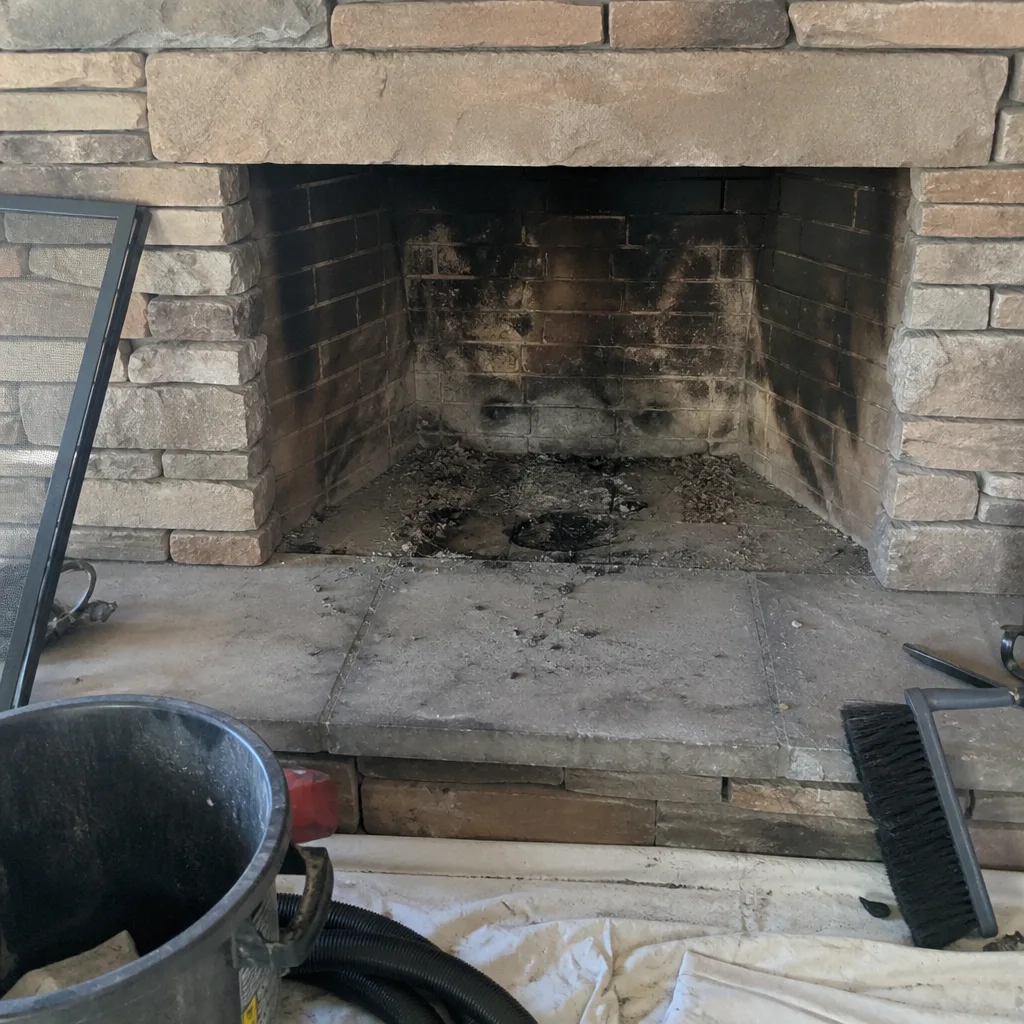 Before
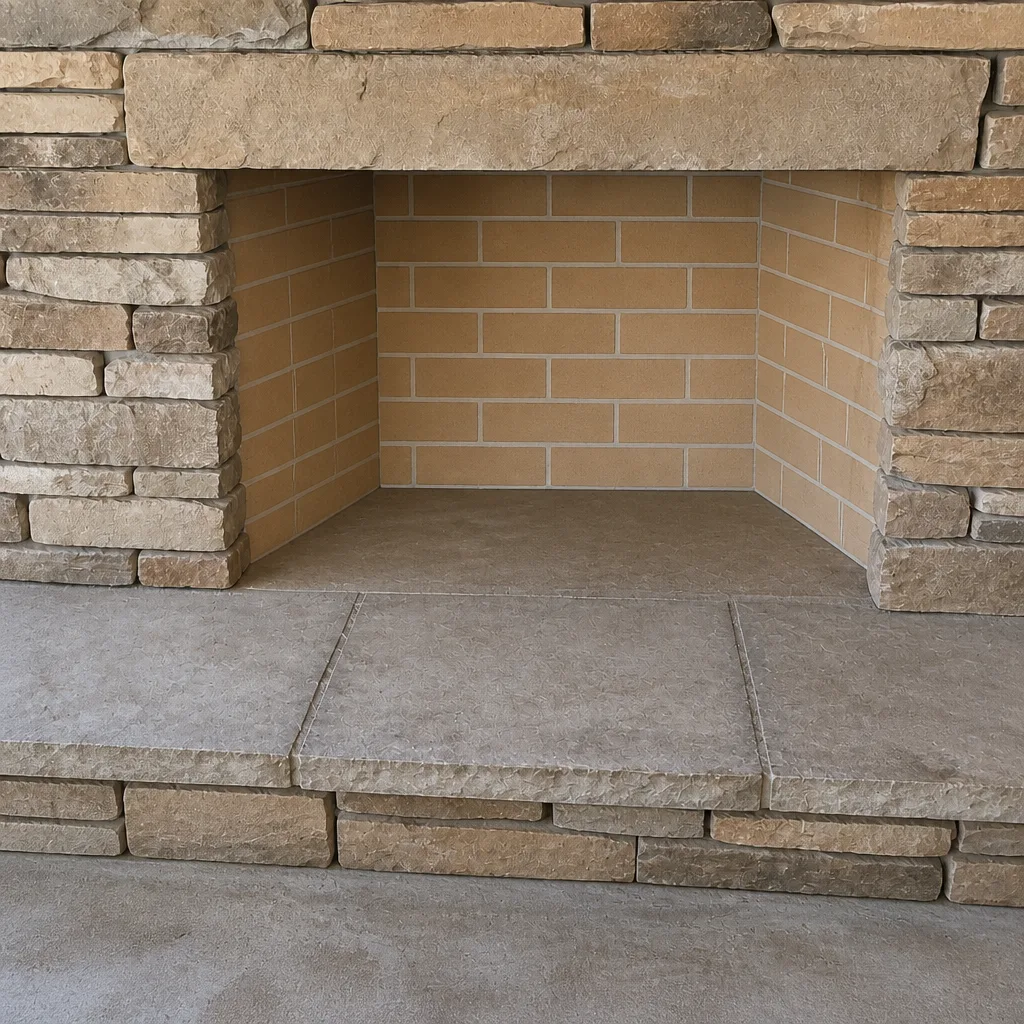 After
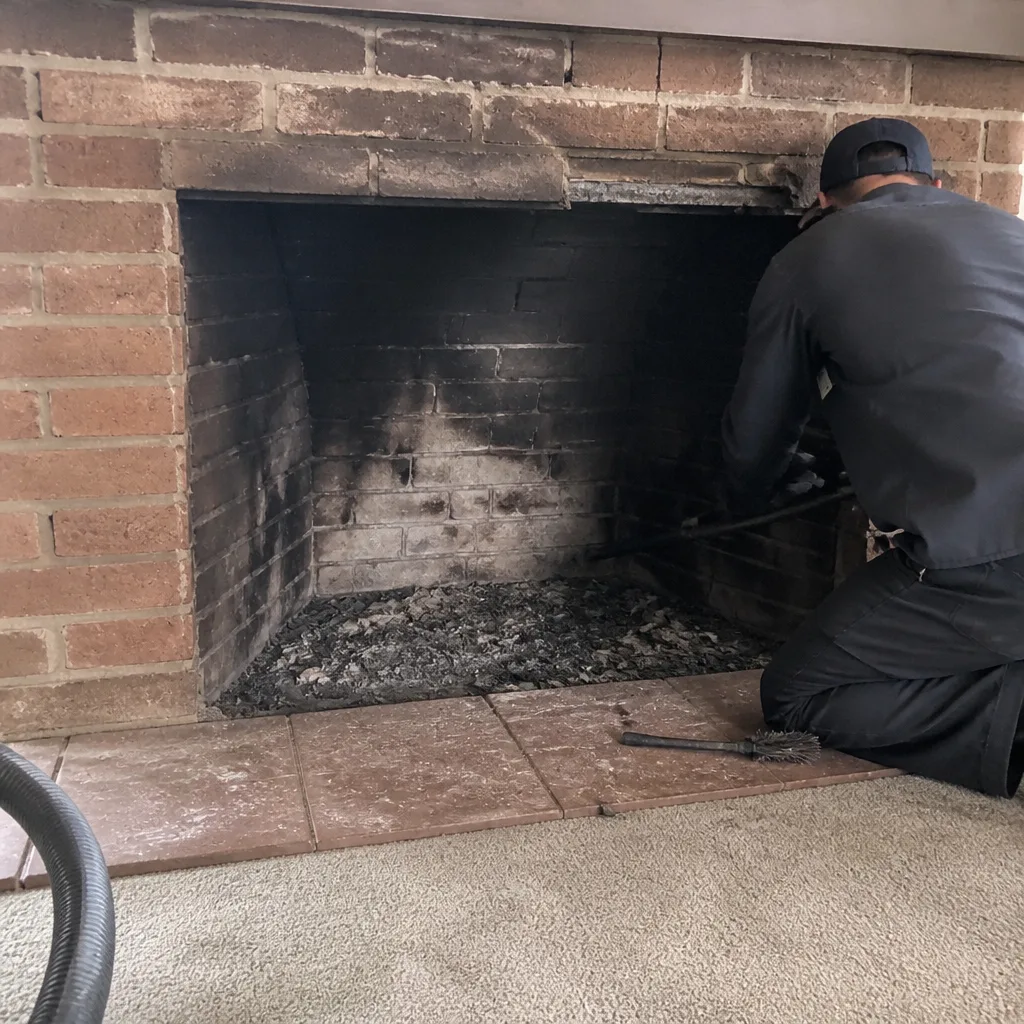 Before
 After
 Before
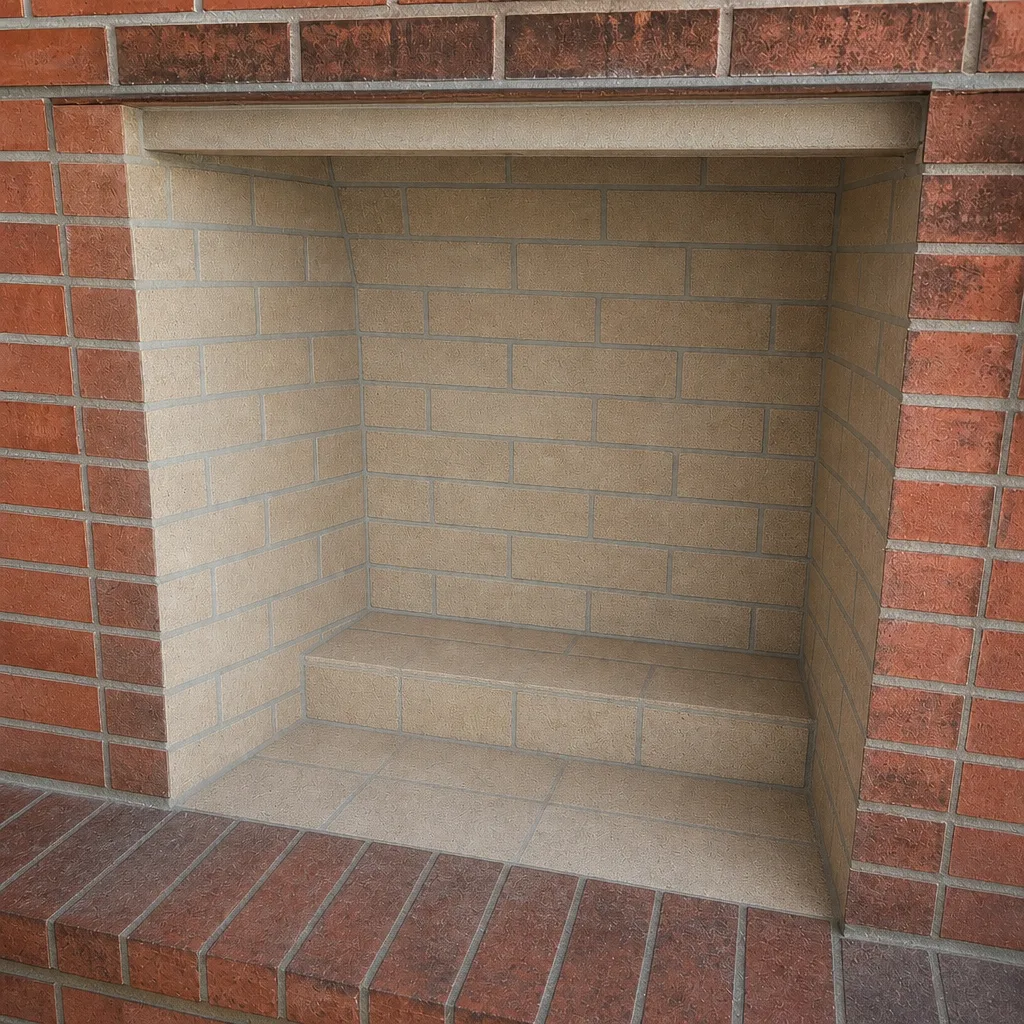 After
When to Call a Professional
Call us the same day if you hear roaring, smell acrid smoke, or find creosote flakes on the roof after using the fireplace. Call us before your first fire of the season if it’s been more than a year since the last cleaning, or if you’ve inherited a home in Avondale with an old chimney you haven’t had inspected. Call us after any chimney fire, before lighting another fire of any kind. And call us if a gas fireplace is producing soot streaks or an odd flame. Some of these are quick inspections; some lead to repair work using DuraFlex liners or HeatShield resurfacing. Chimney Sweep Avondale offers free estimates in Avondale. Call (833) 906-6774. We answer 24/7. Fast dispatch from 7am to 7pm, Sunday through Friday.
Frequently Asked Questions
Call 911 first, then get everyone clear of the fireplace, close the firebox door, and shut the damper if it’s safe to reach. Don’t throw water on the fire or try to fight it yourself. The fire department handles suppression, and a post-event inspection handles everything after. Call (833) 906-6774 for a post-event inspection – estimates are free.
An active fire has signs you can observe right now: roaring sound, smoke or flame from the top, and heat. An aftermath fire leaves a lingering acrid smell, soot or creosote flakes near the cap, and warped damper parts. If you’re not sure, treat it as active and call 911. If you’re confident it’s aftermath, book an inspection before burning again.
Tighter modern construction means less natural air leakage, so a chimney can lose the pressure it needs to pull a proper draft. That can push combustion gases into the room instead of up the flue. A cleaning and a draft check tell you whether your chimney is pulling correctly. Call (833) 906-6774 for an inspection – estimates are free.
No. A chimney fire can crack a clay liner or distort a metal one without any visible sign from the hearth, and the next fire could push heat and gases into your framing. A Level 2 inspection with a camera confirms the flue is sound before you burn again. Call (833) 906-6774 to book that inspection – estimates are free.
It’s the single most effective step you can take. Chimney fires are fueled by creosote, and an annual sweep removes it before it reaches the hazardous stages. Fewer deposits mean fewer fuel sources and a much lower chance of an emergency. Call (833) 906-6774 to book a cleaning – estimates are free.
It depends on the inspection findings. Minor liner damage can sometimes be restored with HeatShield ceramic resurfacing, while a compromised or non-standard flue may need a DuraFlex flexible liner installed. We name the material in the estimate so you know exactly what you’re paying for. Call (833) 906-6774 – estimates are free.
The Bottom Line
A chimney fire or carbon monoxide event is survivable and containable when you know what to do in the first sixty seconds: call 911, get people clear, close the firebox door, shut the damper if it’s safe, and don’t try to fight it. After any event, don’t light another fire until a Level 2 inspection with a camera confirms the flue, liner, and adjacent structure are sound. And the most important preparedness step isn’t on the emergency checklist at all; it’s the annual cleaning and inspection that keeps creosote from reaching the hazardous stages in the first place. If your chimney hasn’t been looked at this year, that’s the call to make. Chimney Sweep Avondale handles sweeping, inspection, and repair with the same team, and the inspection you get includes the photos that support every recommendation. Call (833) 906-6774 for a free estimate in Avondale.
Written by the team at Chimney Sweep Avondale.