
Last updated November 16, 2026
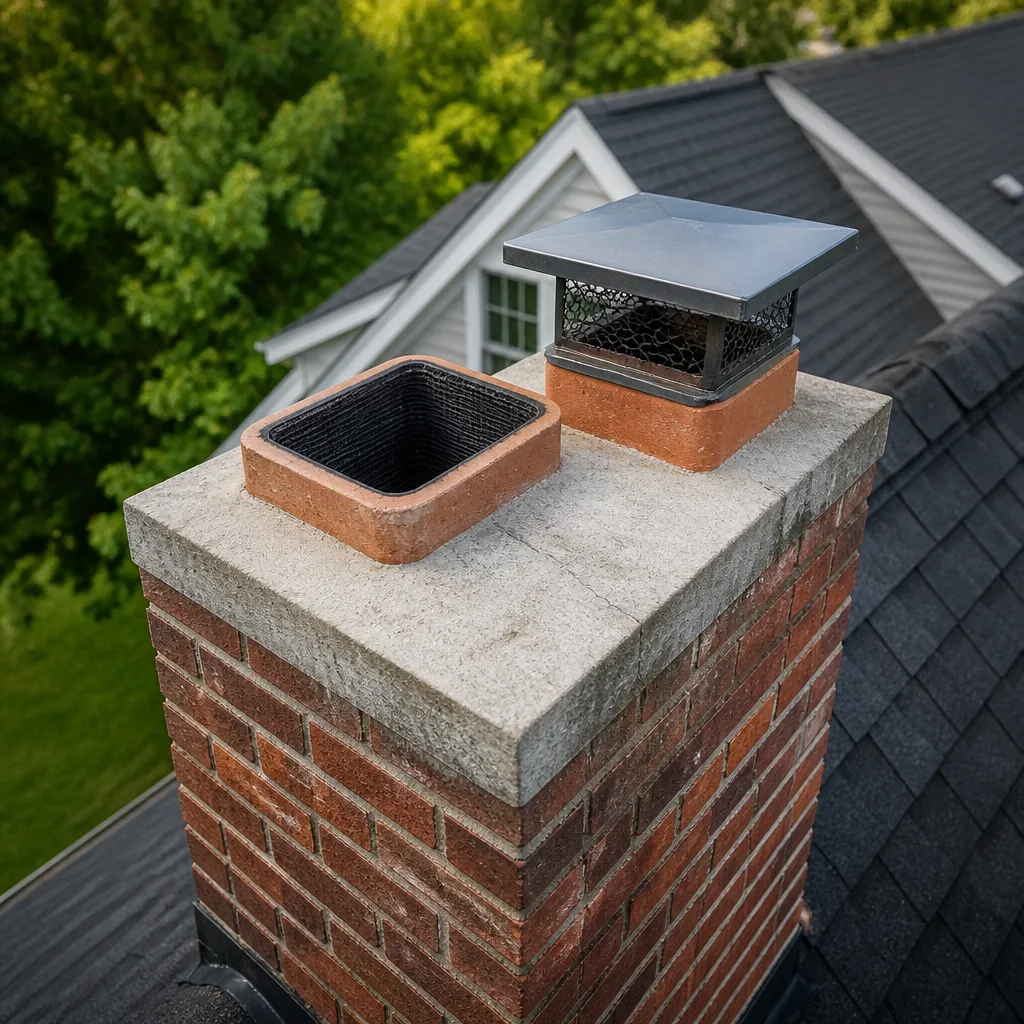 Sweep & inspection
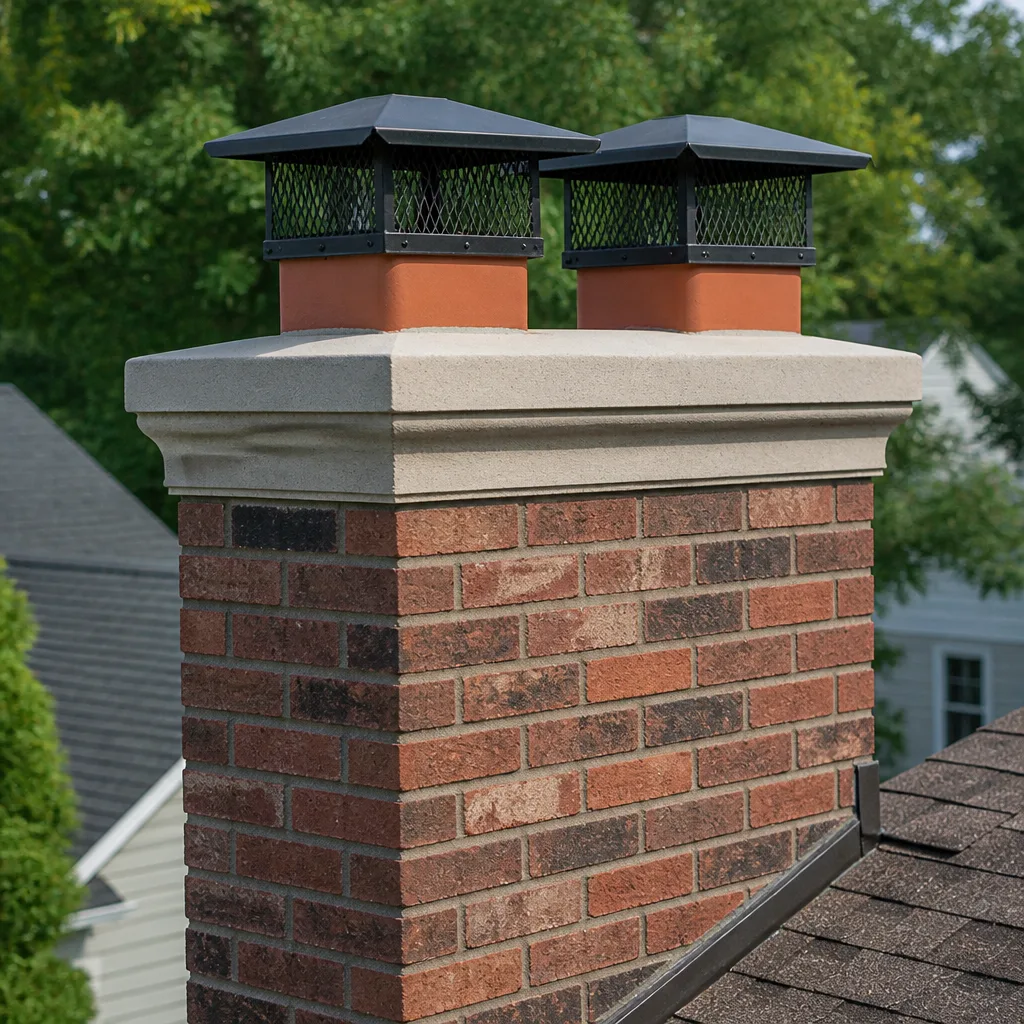 Caps & crowns
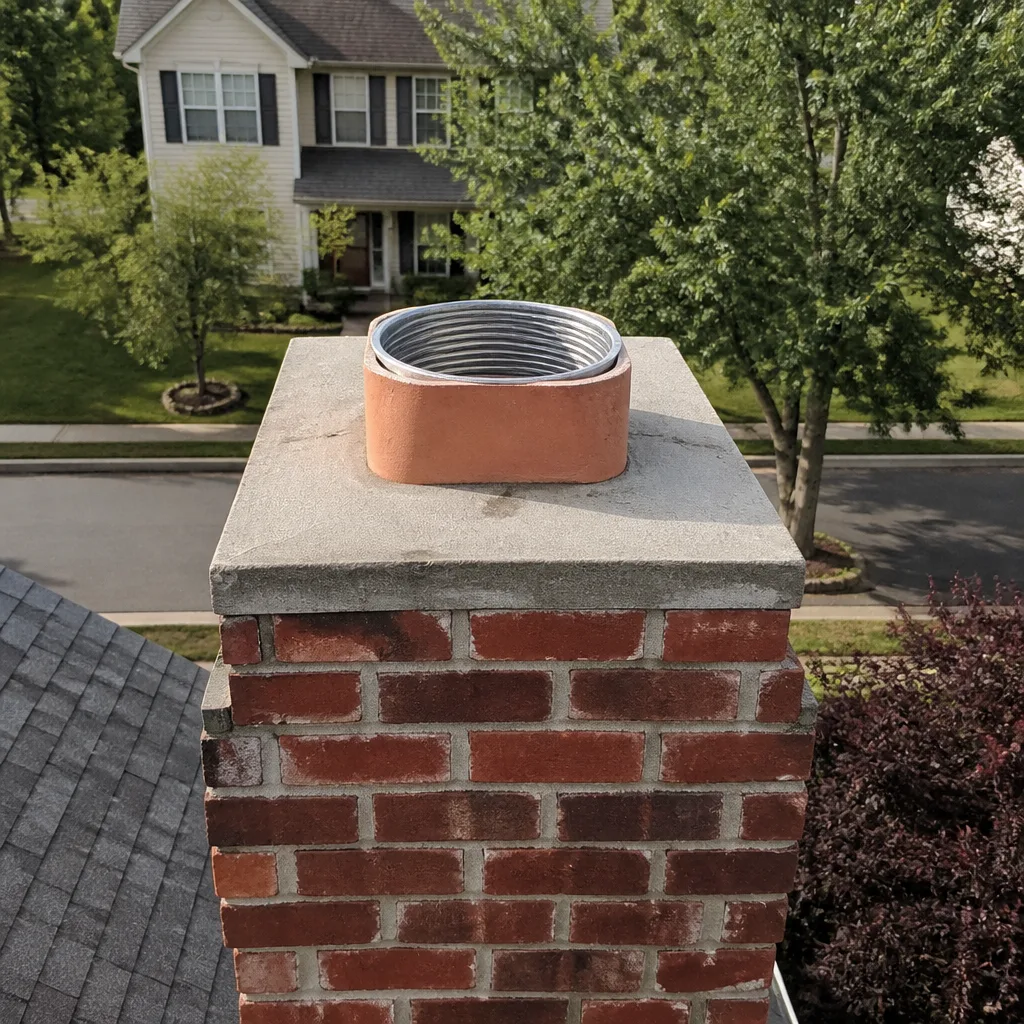 Flue relining
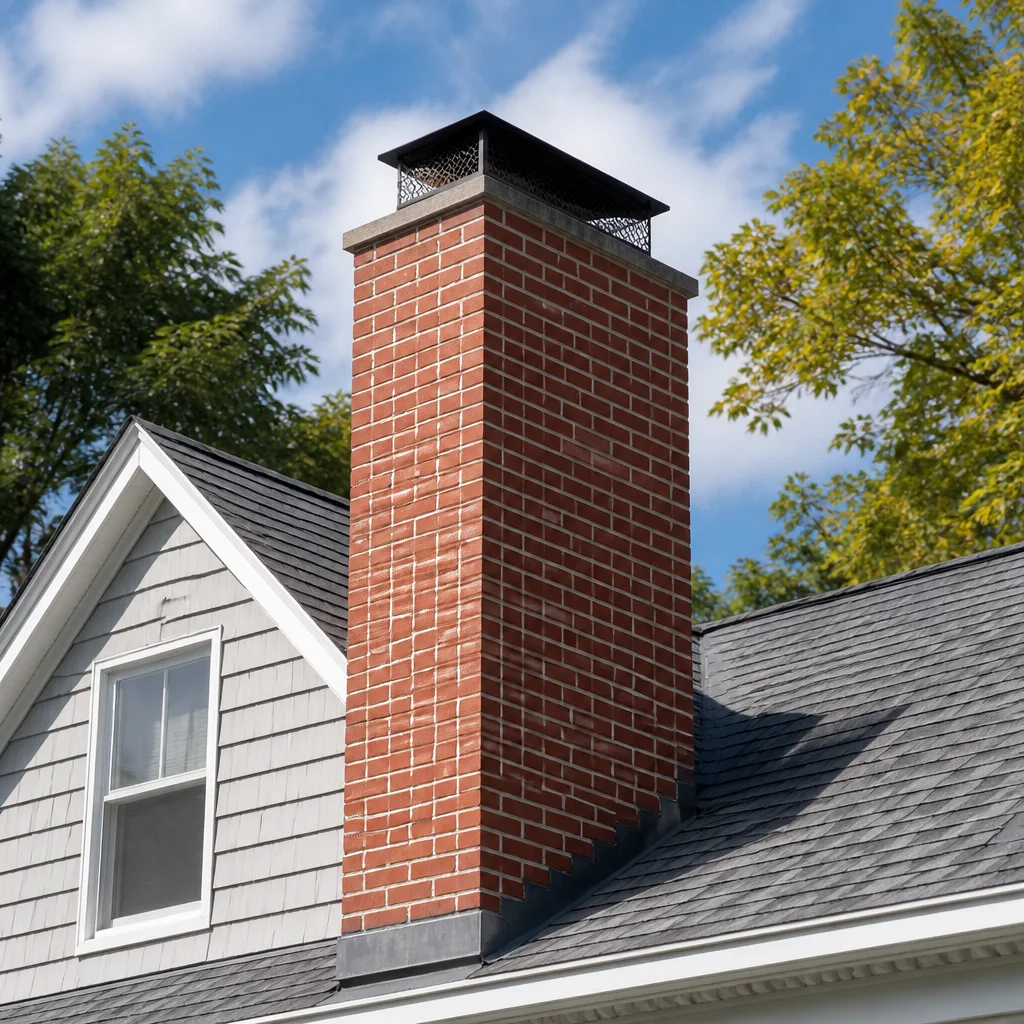 Masonry repair
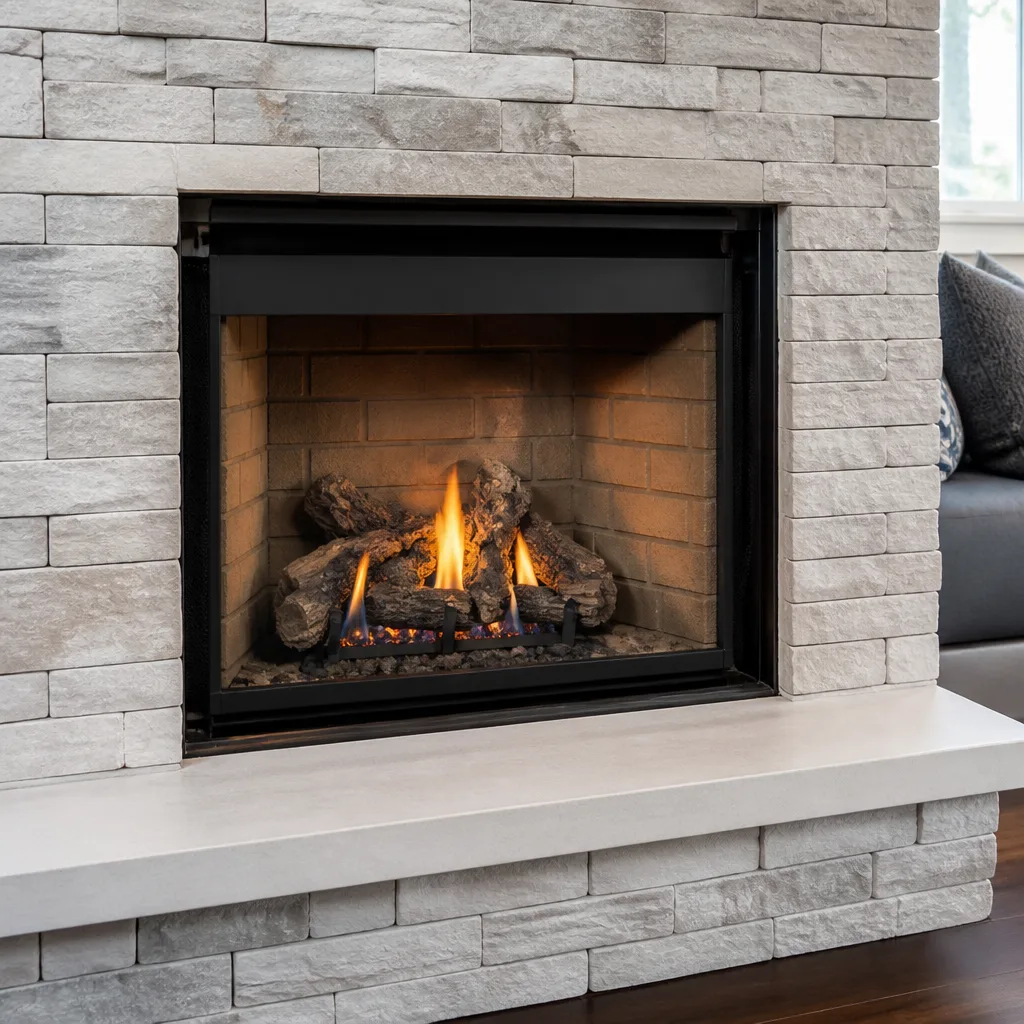 Gas fireplace service
Level 1 sweep and inspection to the NFPA 211 annual standard - flue, crown, cap, and flashing checked and photographed
Chimney sweep logs do not sweep chimneys. They loosen some creosote - which then falls where a brush and vacuum still have to collect it.
Chimney Sweep Maintenance Checklist for Avondale Homeowners
If your chimney maintenance checklist doesn’t account for monsoon season, it’s missing the most damaging weather event an Avondale chimney faces all year. Most homeowners picture maintenance as a fall sweep and a quick glance up the flue. That routine works in climates with gentle summers and steady rain. Here, the season that does the real damage runs from July through September, when dust-laden wind, driven rain, and temperature swings hammer caps, crowns, and flashing while no fire is burning to keep the flue dry. By the time you light the first fire in November, six months of weathering have already set the agenda. This guide gives Avondale homeowners the actual checkpoints that matter: a pre-season visual walk-around, post-monsoon inspection triggers, burn-volume thresholds that decide when cleaning becomes mandatory, and the tasks you should never touch yourself.
Quick Answer
A chimney in Avondale needs a ground-level visual check every September before the burning season, a professional inspection after monsoon season if storm debris or moisture reached the firebox, and a professional sweep once you’ve burned roughly a cord of wood or noticed a quarter-inch or more of creosote buildup. Cap, crown, and flashing checks matter more here than in wetter climates because summer heat cycles and storm-driven dust stress those components year-round.
Styles & brands we work with
- Sweep & inspection
- Caps & crowns
- Flue relining
- Masonry repair
- Gas fireplace service
Table of Contents
- Pre-Season Checklist: What to Check in September Before the First Fire
- Post-Monsoon Inspection Triggers: What Storm Debris and Moisture Look Like
- Burn-Frequency Thresholds: When You Cross Into Mandatory Cleaning
- Cap, Crown, and Flashing After Phoenix Metro Heat Cycles
- Homeowner Tasks vs. Tasks That Void Warranties or Insurance
- Understanding Creosote: The Three Stages and Why They Matter
- What Changes When You Burn Gas Instead of Wood
- The Avondale Seasonal Maintenance Calendar
Pre-Season Checklist: What to Check in September Before the First Fire
September is the sweet spot for Avondale chimney maintenance. The monsoon has usually broken, the overnight temperatures start hinting at fall, and you still have time to fix small problems before the first burn. The checks below are ones you can do from the ground with binoculars and a flashlight. They don’t replace a professional inspection, but they catch the obvious issues quickly.
- Look at the cap from below. Stand back from the house and check whether the cap sits level, whether the mesh is intact, and whether anything is visibly capping the flue. A cap that’s shifted or lost its screen lets birds, squirrels, and blowing debris in. It also means rain has a straight path down the flue.
- Inspect the crown for cracks. The crown is the concrete or masonry slab that slopes away from the flue at the top of the chimney. Hairline cracks are normal; anything wide enough to catch a fingernail is not. Water entering through a cracked crown is one of the most common causes of interior chimney damage.
- Check the cap-to-flue connection and flashing. The flashing is the metal seal where the chimney meets the roof. Look for gaps, lifted edges, or rust streaks below it. In the Phoenix metro’s intense summer sun, flashing sealant and metal both expand, contract, and dry out faster than in cooler climates.
- Look for visible staining or efflorescence on the exterior. White chalky streaks or dark water stains on the chimney’s outside walls suggest moisture getting in from above.
- Open the firebox and shine a flashlight up. Note the condition of the damper, the smoke shelf, and the first few feet of the flue. Anything loose, crumbling, or obstructing the flue is a red flag.
- Smell for a draft. With the damper open, you should feel cool air moving up the flue. If you smell a stale smokey odor or feel nothing, the draft may be blocked or compromised.
- Test the smoke and carbon monoxide detectors on every level, and confirm there’s a CO alarm near the sleeping rooms. This is a maintenance item many homeowners skip.
If anything on this list feels wrong, or if you’re not comfortable on a ladder, that’s the moment to book a professional inspection rather than lean into a longer to-do list. Our technicians have up to experience and see these issues regularly across Avondale. A proper chimney sweep and inspection gives you a written picture of the flue’s actual condition so you’re not guessing.
Post-Monsoon Inspection Triggers: What Storm Debris and Moisture Look Like
Monsoon season is the single most damaging weather pattern an Avondale chimney faces. From July into September, wind-driven rain and blowing dust hit chimneys from angles a typical fall rainstorm doesn’t, and the damage rarely shows up where a homeowner thinks to look. A chimney that survived last winter fine can still be compromised by monsoon season if nothing else changed.
After a major storm, watch for these triggers. Any one of them justifies a professional inspection:
- Debris in the firebox. Twigs, palm fronds, grit, and fine desert dust can blow down a compromised flue. A cap that looks fine from the ground can have a loose screen that let material through.
- Water stains on the firebox walls or smoke chamber. Dark streaks, spotting, or a musty smell that wasn’t there in spring means moisture got in. Left alone, water degrades mortar joints and the flue liner.
- Rust on the damper or firebox hardware. The damper blade and its pivot points shouldn’t be rusted. Rust is a sign of repeated moisture exposure.
- Damp ash residue. If the ash layer in the firebox feels damp or clumped, water reached the firebox during storms.
- A shifted or missing cap. Monsoon winds are strong enough to dislodge a cap that wasn’t properly secured. This is more common on older homes around Avondale where caps were installed years ago and never re-checked.
- New staining on the ceiling or walls near the chimney. This is the late-stage sign of a moisture problem that started at the crown or flashing and has been working down.
- Visible efflorescence on the chimney exterior after storms. Chalky white deposits indicate ongoing moisture movement through the masonry.
Post-monsoon inspection is a matter of timing, not luck. If any of the above checks out, schedule the inspection before you burn again. We use a camera inspection with a photo report so you can see exactly what’s happening inside the flue rather than take our word for it.
Burn-Frequency Thresholds: When You Cross Into Mandatory Cleaning
How often you actually burn wood decides how often your chimney needs professional cleaning. There’s no meaningful single calendar answer, despite what some general maintenance lists suggest. In Avondale, where the burning season is short, homeowners burn anywhere from a few decorative fires a year to a cord or more during the cooler months. Here’s how to translate your burn volume into a cleaning schedule.
- No fires in the past year: still get an annual inspection. Unused chimneys can house birds, squirrels, and wasp nests, and a flue that hasn’t been checked in years can develop draft problems that only show up when you try to light a fire.
- A few decorative fires per season (fewer than a quarter cord): a professional inspection each fall is the minimum. Sweeping may not be needed every year, but it’s the only way to confirm the flue is clean.
- Quarter to a full cord per season: annual professional sweep. This is where creosote accumulation becomes predictable and worth cleaning even if the flue looks “fine” from the firebox.
- More than one cord per season, or any regular burning of green or unseasoned wood: annual sweep plus a mid-season visual check. Smoldering fires and cooler burn temperatures produce more creosote per cord, so the same volume of wood generates more buildup.
- Any visible buildup of a quarter inch or more on the flue walls: professional sweep, regardless of burn volume. A quarter inch is the level where the risk curve steepens and most industry guidance recommends cleaning.
If you’re not sure which category you’re in, keep track of how much wood you go through this season. A face cord is a reasonable benchmark for the small-volume burner; a full cord (a stack 4 feet high, 8 feet long, and 4 feet deep) is the shape of a heavier burner’s year. When the math gets fuzzy, an inspection answers the question quickly.
Cap, Crown, and Flashing After Phoenix Metro Heat Cycles
The Phoenix metro’s summer does more damage to the top of a chimney than its cool season ever will. Repeated heat cycles stress the three most vulnerable components – the cap, the crown, and the flashing – and each fails differently.
Chimney Cap
A cap is the metal or masonry hood at the top of the flue that keeps rain, animals, and debris out while letting smoke escape. The mesh screen attached to it is often the first thing to fail. Sun exposure degrades the screen’s coating, and once it rusts through, birds and debris get in freely. After monsoon season, check the cap for level alignment and the screen for holes or detachment. When replacement is needed, we install caps spec’d to the flue’s actual dimensions using Famco and Copperfield components, so fit isn’t a compromise.
Chimney Crown
The crown is the sloped slab at the top of the chimney that directs water away from the flue. In the Phoenix metro’s heat, the concrete of the crown can crack from thermal stress and shrink as it cures over the years. Small cracks get wider with each hot-cold cycle. Once water gets under the crown, it enters the masonry mass and shows up as efflorescence on the exterior or, worse, staining inside the home. Cracking that catches a fingernail, chips, or crumbling edges mean the crown needs repair or resurfacing.
Flashing
Flashing is the metal layer where the chimney meets the roof. It’s held in place with sealant, and that sealant is the component most stressed by summer heat. It dries, cracks, and lifts, leaving a gap the next monsoon rain explores. Look for lifted edges, visible gaps, rust streaks running down the roof below the flashing, or minor ceiling stains on the interior. Flashing repairs are usually a modest job when caught early and a much bigger one once water has been entering for a full season.
All three of these are exactly the sort of work a full-service specialist handles under one visit. If we’re already on the roof for a cap check, we can assess the crown and flashing at the same time, which is where the “one crew, full chimney” approach saves you from chasing down separate trades.
Homeowner Tasks vs. Tasks That Void Warranties or Insurance
Some chimney maintenance is safely within a homeowner’s reach; some isn’t, and doing the wrong tasks yourself can void a manufacturer’s warranty or complicate an insurance claim after a fire. Getting the boundary right matters.
Safe homeowner tasks
- Ground-level visual checks of the cap, crown, and flashing.
- Clearing ash from the firebox (cold, not warm).
- Testing smoke and carbon monoxide detectors.
- Scheduling annual professional inspections and cleanings.
- Verifying your wood is properly seasoned before burning.
- Keeping the area around the hearth clear of combustibles.
Tasks that belong to a professional
- Cleaning the flue from the top. Roof work is genuinely dangerous – steep pitch, loose shingles, and heights – and a slip from a roof does more damage than a missed cleaning.
- Anything involving the flue liner. The liner is the safety barrier between flue gases and the surrounding structure. Damage to the liner is a fire and carbon monoxide hazard, and homeowner repairs usually fail inspection and can void a liner warranty.
- Crown resurfacing or repair. The materials and prep matter, especially in this climate. A quick patch job may look fine for one season and then fail.
- Cap or damper replacement on a specific brand system. Manufacturer-specified parts matter for warranties, and once the wrong components are installed, getting a warranty claim honored becomes an argument.
- Extensive creosote removal (glaze-stage). Third-degree creosote is a hard tar-like substance that requires professional chemical or mechanical removal. Scratching at it yourself can produce a worse fire hazard.
- Liner installation or relining. Liner systems need to be sized correctly to the flue and appliance. DuraFlex flexible liners, which we install, are a fit for the complex and older flue configurations that rigid systems can’t handle, but they still need to be correctly specified by someone who knows the flue.
If the task involves the flue liner, the crown, or the cap on a brand-specific system, keep it in professional hands. We can work with your insurer if a claim becomes relevant, and the written inspection report gives you the documentation you’ll need.
Understanding Creosote: The Three Stages and Why They Matter
Creosote is the residue left behind when wood smoke cools on the flue walls. It’s the primary reason annual chimney maintenance exists, and its progression matters more than the number of fires you’ve lit.
- Stage 1: Soot and light fluff. A thin, dusty film that’s easy to brush away. This stage accumulates throughout a burn season even with seasoned wood.
- Stage 2: Crusty, flaky buildup. Thicker, harder to brush off by hand. This is where professional sweeping becomes important because general-purpose brushing leaves deposits behind without the right tools. A quarter inch is the common threshold where sweeping is recommended.
- Stage 3: Glaze. A hard, tar-like layer that bonds to the flue walls. It’s the most dangerous stage because it ignites readily and burns hot enough to crack a clay flue liner. Glaze removal requires professional chemical treatment or mechanical removal with specialized tools.
Burn habits drive the pace. Unseasoned wood (moisture content too high) and smoldering, air-starved fires produce more creosote per cord than hot, well-ventilated fires on seasoned wood. The same volume of wood can leave very different residue depending on how it burns.
When buildup is significant but the liner is otherwise intact, we use HeatShield ceramic resurfacing – an industry-recognized liner repair system – as an alternative to a full reline. It’s often a genuinely more measured response when the clay liner has small cracks but isn’t ready for replacement. If it turns out the whole liner needs to come out, DuraFlex flexible liners often get us a clean, code-compliant outcome on unusual flue configurations.
What Changes When You Burn Gas Instead of Wood
Gas fireplaces don’t produce creosote, but they aren’t maintenance-free either. Several quick checks keep a gas fireplace operating safely.
- Annual professional inspection. A gas fireplace needs a professional combustion and venting inspection once a year. Gas flue systems still vent dangerous combustion byproducts, and the vent can develop blockages, corrode, or come loose.
- Carbon monoxide detectors. Non-negotiable. CO is a colorless byproduct of every gas fire, and an undetected leak is a genuine hazard.
- Pilot and burner cleanliness. Dust buildup on the pilot, burner, or air-shutter assembly affects the flame quality. A trained technician checks this during an inspection.
- Venting and drafting. The vent needs to exhaust reliably. Draft problems sometimes show up as a smokey smell in the room or a flame that rolls or lifts.
- Glass, logs, and gasket condition. Glass can cloud, gaskets can degrade, and ember material can shift. These are inspection items, not homeowner replacements, on sealed systems.
A visible flame where flame shouldn’t be, a sooty smell, or a flame that behaves differently than it did last season all justify shutting the unit off and calling for inspection rather than burning again. This is the sort of thing where the call decides the outcome.
The Avondale Seasonal Maintenance Calendar
Here’s how the Avondale year breaks down for a working chimney, translated from a generic quarterly schedule into something tied to the local climate.
January and February
Peak burning season for most Avondale homeowners. Watch for draft problems, smokey smell at fire-up, or a fire that’s harder to start than it was earlier in the season – all signs of accumulation that could use a mid-season check for heavy burners.
March through May
The tail end of the burning season. This is when a professional sweep makes the most sense if you’re going to do it during the cooling months. The weather is mild, there’s no hurry on the schedule, and clearing creosote before summer means the flue isn’t holding buildup through the heat.
June
The last cool spell before the heat settles in. A good window for an inspection that documents the flue’s condition going into the monsoon season.
July through September
Monsoon season. Watch for the post-storm triggers described earlier, and don’t assume a chimney that looked fine in June looks fine in September.
October
Post-monsoon inspection window. If you noticed debris, staining, or a shifted cap, this is when to schedule the check before the burning season. This is also where the pre-season September checks described earlier land.
November and December
Burning season. Watch the fire, watch the draft, and keep the firebox ash level reasonable (excessive ash buildup insulates the fire from the grate and reduces efficiency).
Common Mistakes to Avoid
- Treating the sweep and the inspection as separate yearly errands. One visit that gives you both a cleaning and a documented inspection is how you keep the picture current. Splitting them creates gaps where a problem goes unseen for a whole season.
- Burning unseasoned wood to save money. Green wood produces more creosote per cord than properly dried wood, which means more frequent cleaning and a higher fire risk. The cost savings don’t translate.
- Skipping the September visual walk-around. Most of the failures we see across Avondale were visible from the ground for a season before they caused a problem. Five minutes with binoculars prevents the phone call.
- Assuming a cap is fine because you can see it from the street. Mesh failure and cap shifts are easy to miss from a distance. Look with a flashlight from a half-block away, and check the mesh specifically.
- Letting water stains “dry out” on their own. Moisture entering the crown or flashing isn’t a one-time event. Each storm cycle makes it worse until the fix is a bigger job than the original problem.
- Doing liner or crown work yourself. Beyond the physical danger, unlicensed repairs can void insurance coverage if a fire or CO issue happens later. This is the category where the professional boundary is genuinely there for a reason.
- Waiting for a visible problem before scheduling. Creosote glaze, hairline crown cracks, and minor flashing lifts rarely cause a visible problem until they’re serious. Annual inspection catches these while they’re still small.
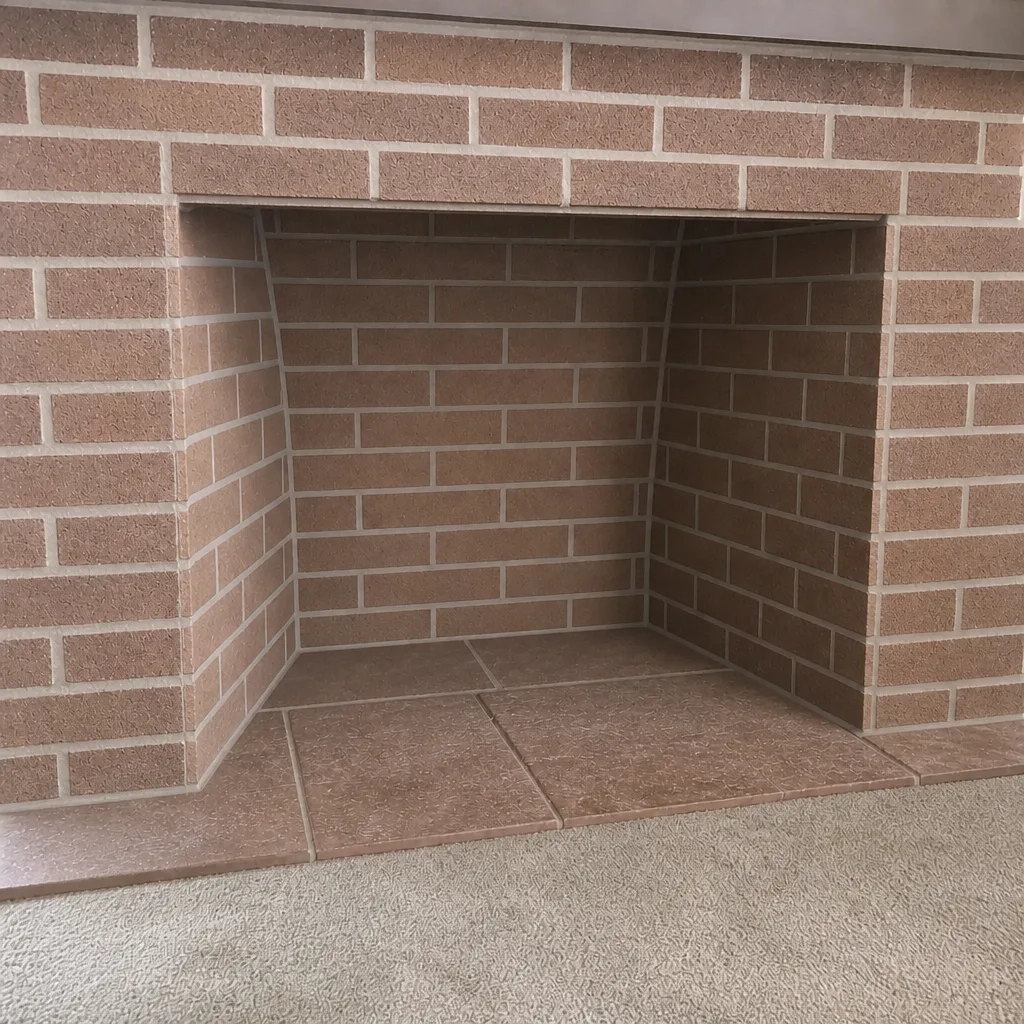
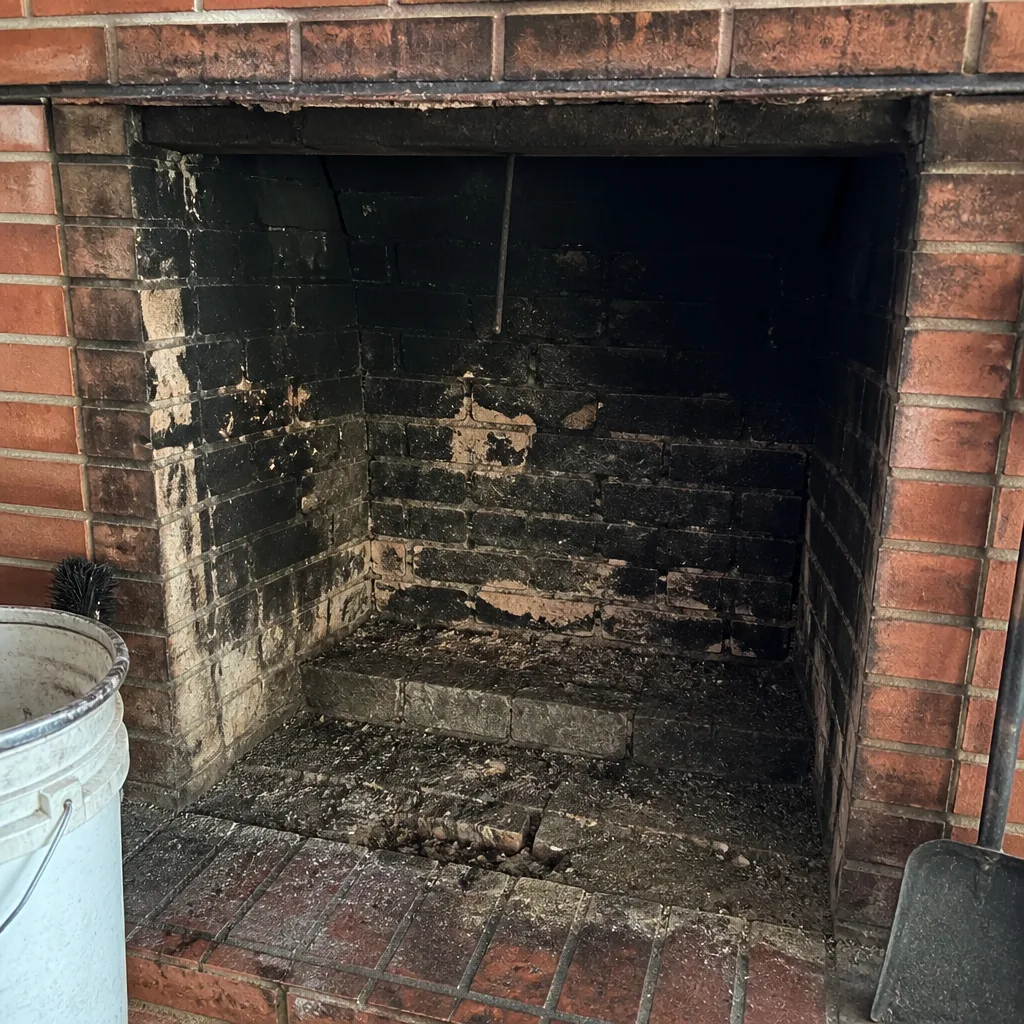
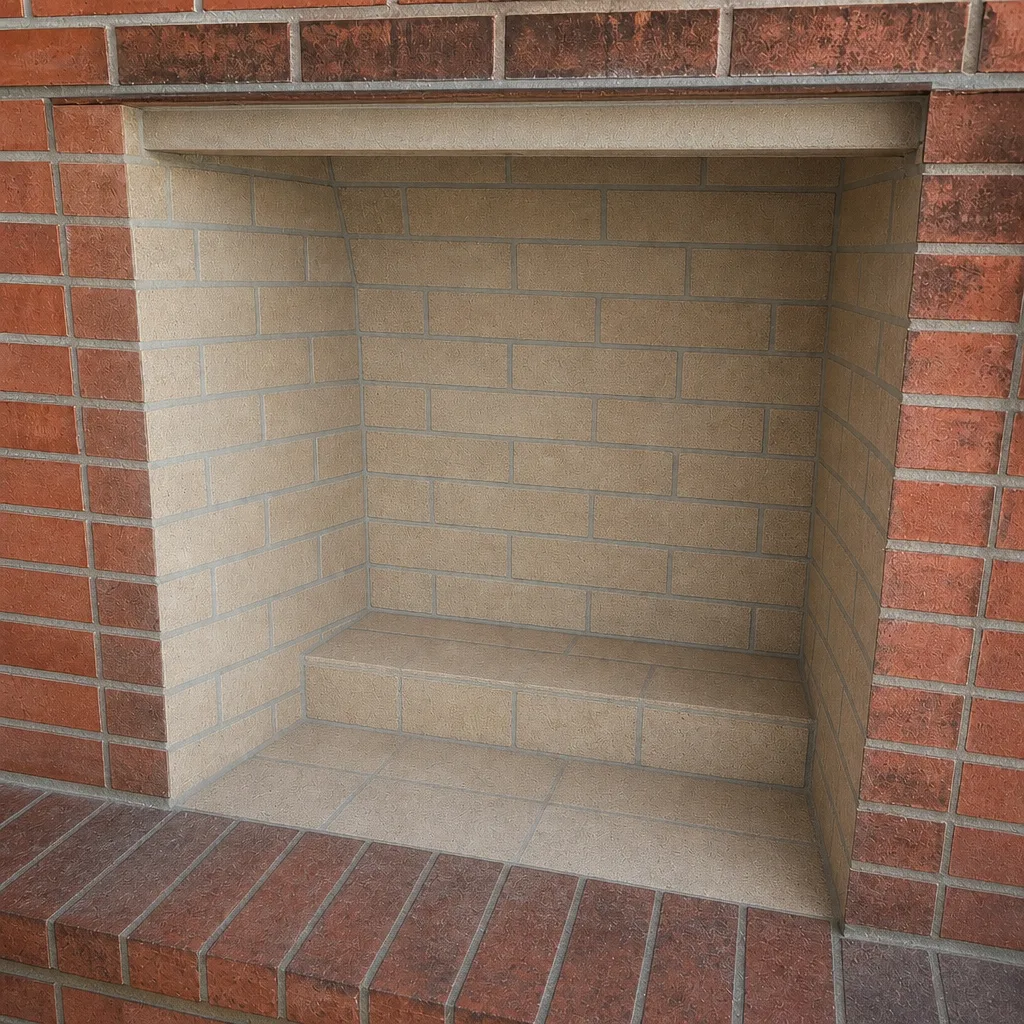
See the difference
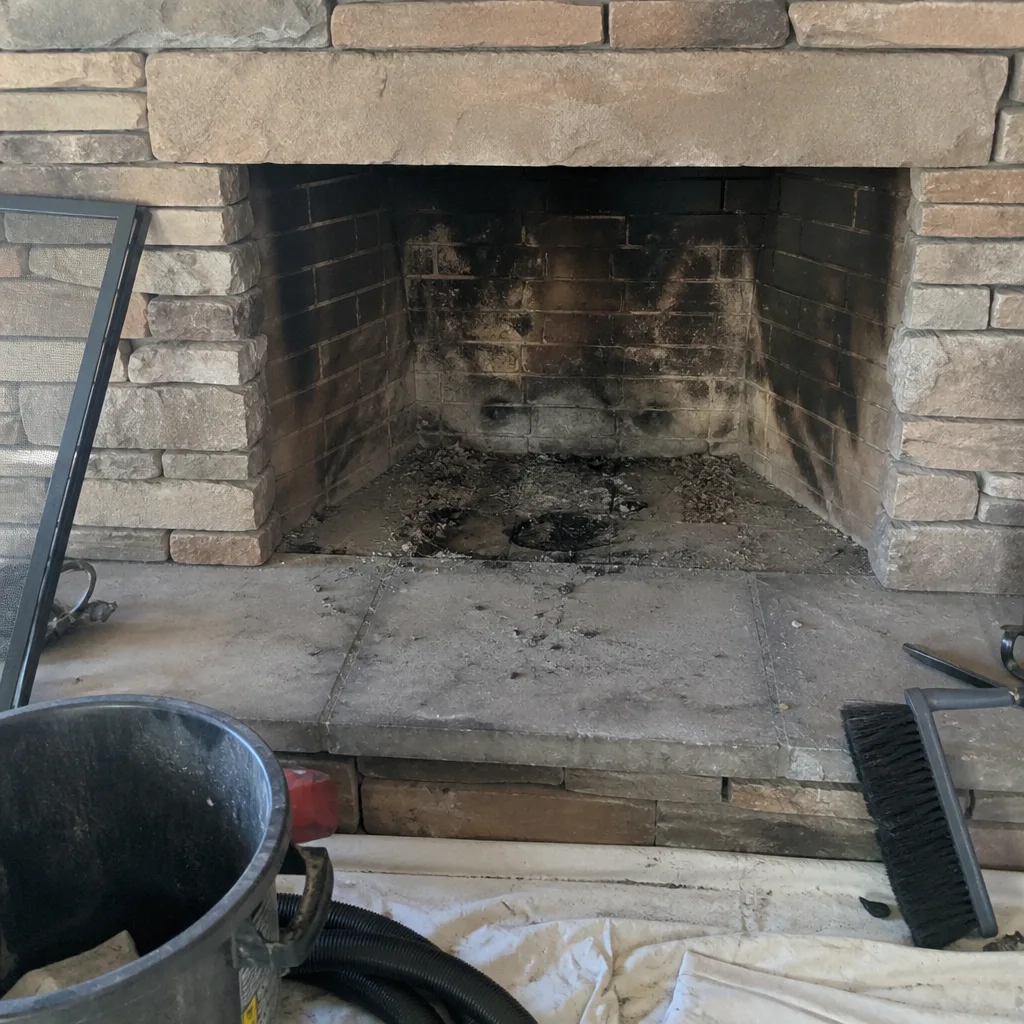 Before
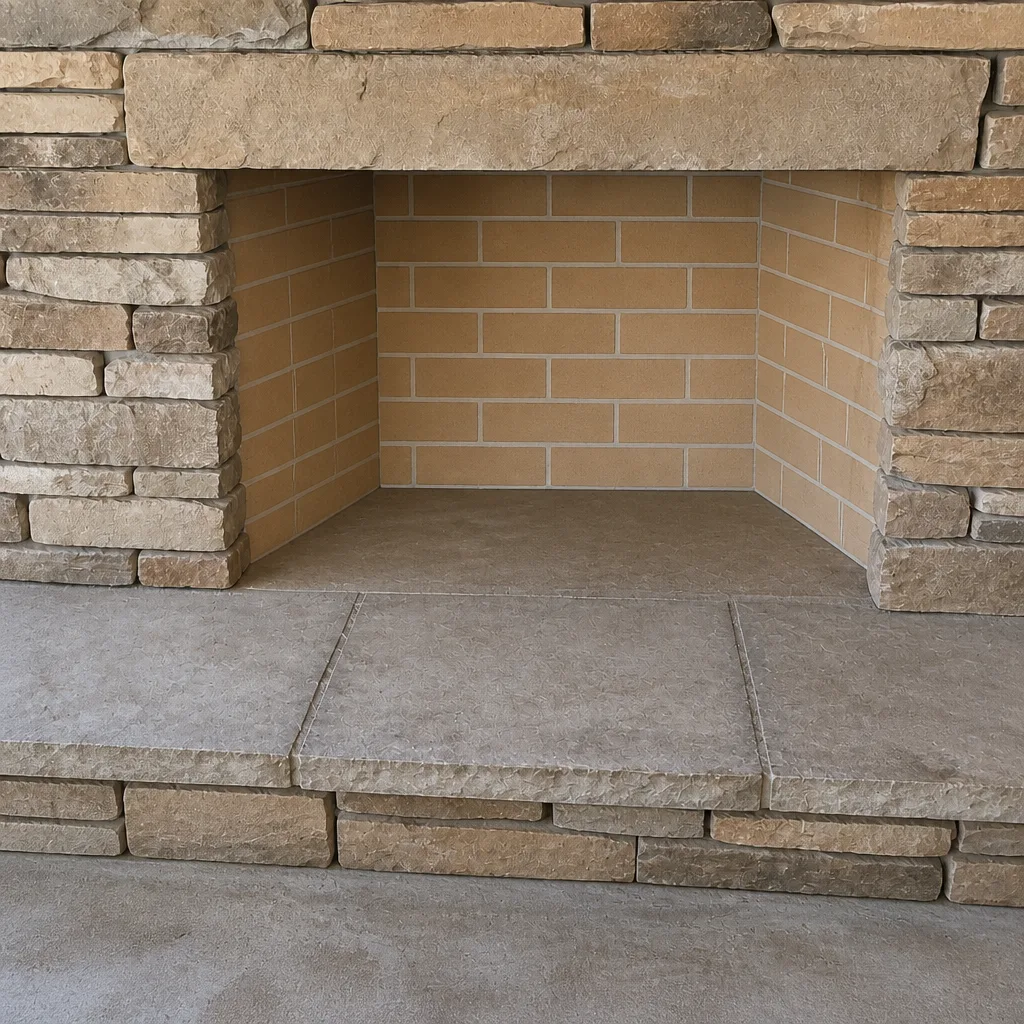 After
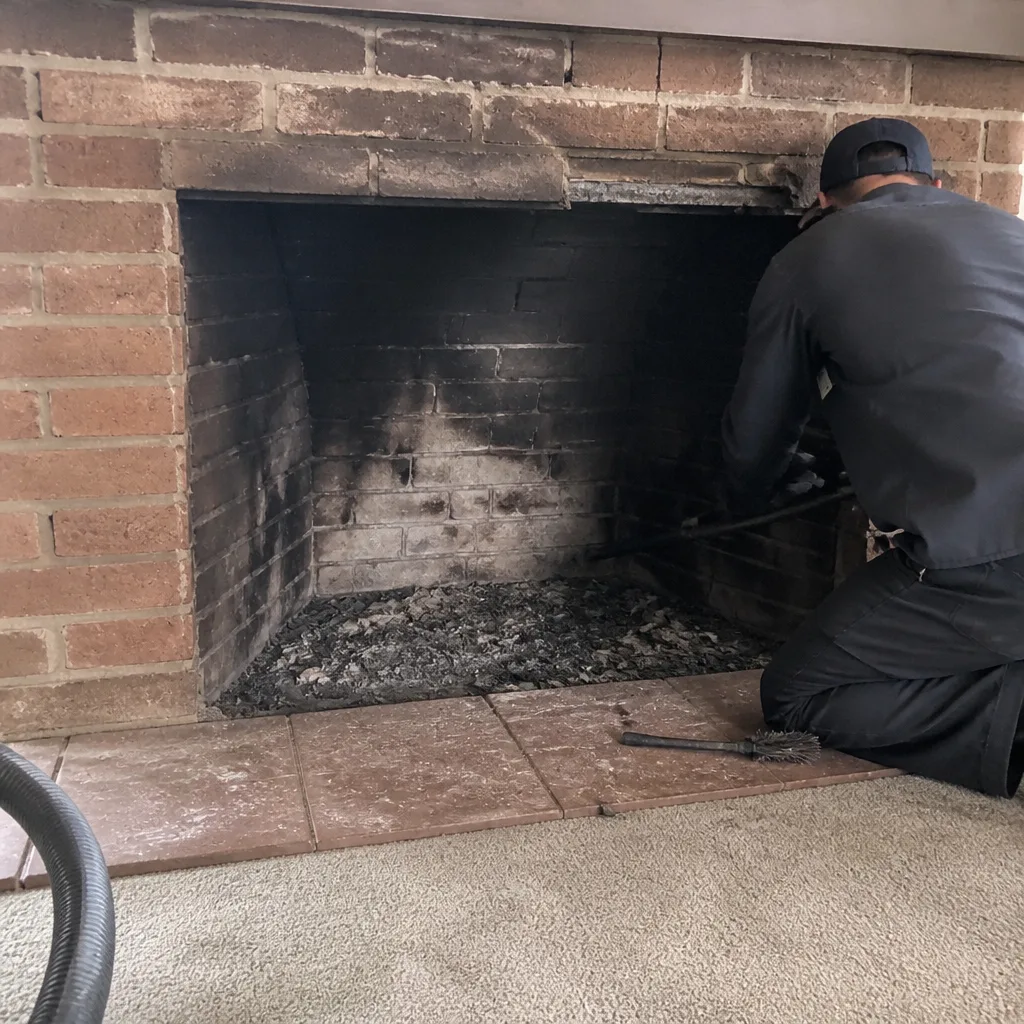 Before
 After
 Before
 After
When to Call a Professional
Call a professional chimney specialist if you find water staining on the firebox walls, if your cap or crown is visibly damaged after monsoon season, if creosote buildup is more than a quarter inch thick, if the fire has been behaving strangely (smokey, hard to start, or rolling flames), or if you can’t remember the last professional inspection. Older homes around Avondale benefit especially from a first-year inspection to establish a baseline – once you know the condition of the liner and crown, the rest of the schedule becomes straightforward. If the task involves the flue liner, the crown, or a brand-specific cap or damper, don’t handle it yourself; it’s a professional job and doing it without certification can void warranties or complicate insurance coverage.
Chimney Sweep Avondale offers free estimates in Avondale – call (833) 906-6774. We answer 24/7. Fast dispatch from 7am to 7pm, Sunday through Friday. Our technicians have up to experience, and we handle the sweep, inspection, and any repair the inspection turns up, on one visit, with the camera report to back it up.
Frequently Asked Questions
The minimum is an annual professional inspection. Sweeping frequency depends on burn volume: homeowners who burn a quarter to a full cord per season should get an annual sweep, heavier burners should add a mid-season visual check, and anyone seeing a quarter inch or more of buildup on the flue walls should sweep regardless of volume. The Avondale climate’s intense summer heat and monsoon season don’t change the flue-wall threshold, but they do make cap, crown, and flashing checks more important each fall. Call (833) 906-6774 for an exact assessment.
Look for debris in the firebox, water staining on the firebox walls or smoke chamber, rust on the damper or firebox hardware, damp ash residue, a shifted or missing cap, and any new staining on interior walls near the chimney. Visible efflorescence on the exterior after storms is another common sign. Any of these justify a professional inspection and camera report before you burn again. Call (833) 906-6774 to schedule.
No. Even careful homeowners face genuine danger on a roof, and damage to the flue liner from a non-professional cleaning can void a liner warranty and complicate insurance coverage after a fire. The safe homeowner tasks are ground-level visual checks, ash removal, detector tests, and scheduling the professional work. The flue cleaning, liner work, crown repair, and brand-specific cap or damper replacement stay with a professional. Call (833) 906-6774 for a free estimate.
HeatShield is an industry-recognized ceramic resurfacing system that repairs a damaged clay flue liner without a full reline. It’s appropriate when the liner has cracks, gaps, or voids but the masonry structure is otherwise intact. It’s often a genuinely more measured repair than tearing out a liner that doesn’t need to come out, and it’s one option we offer when a camera inspection shows the liner is repairable. Not every liner can be restored – some do need replacement with a system like DuraFlex. Call (833) 906-6774 to find out which one applies.
Yes. Unused and lightly used chimneys still house birds, squirrels, and wasp nests, and a flue that hasn’t been inspected in years can develop draft problems that only show up when you try to light a fire. The inspection is as much about confirming there’s no obstruction and the liner is intact as it is about cleaning. It’s also the only way to establish a baseline for a home you’ve just moved into. Call (833) 906-6774 for a free estimate.
No sweep, yes inspection. Gas fireplaces don’t produce creosote, but they still vent combustion byproducts and benefit from an annual professional inspection covering the venting, pilot, burner, and drafting. Carbon monoxide detectors are essential regardless. Call (833) 906-6774 to schedule an inspection.
The Bottom Line
An Avondale chimney maintenance checklist works best when it’s tied to the local year, not a generic calendar. Build your checklist around three anchors: a September ground-level visual check before the burning season, a post-monsoon inspection trigger list for debris, moisture, and cap damage, and a burn-volume threshold that tells you when cleaning becomes mandatory. Keep the crown, cap, and flashing on a yearly review because Phoenix metro heat cycles stress all three. Leave the flue liner, crown repair, and brand-specific cap work to a professional; that boundary is about liability, warranty, and genuine roof safety, not turf. Get the diagnostic right first, and the rest of the schedule follows from what the inspection actually shows. That’s how Avondale homeowners get the full picture, and it’s why we inspect first and recommend second. If a repair makes sense, we handle chimney repair with the camera evidence to back it up. For everything else, the schedule above is the short version.
Call (833) 906-6774 for a free estimate. We answer 24/7. Fast dispatch from 7am to 7pm, Sunday through Friday. Our team works with DuraFlex, HeatShield, Gelco, Olympia Chimney, Famco, and Copperfield so repairs and upgrades aren’t constrained by single-vendor sourcing. Visit Chimney Sweep Avondale to book your inspection and get your chimney on the Avondale schedule it actually needs.
Written by the team at Chimney Sweep Avondale.