
Last updated November 16, 2026
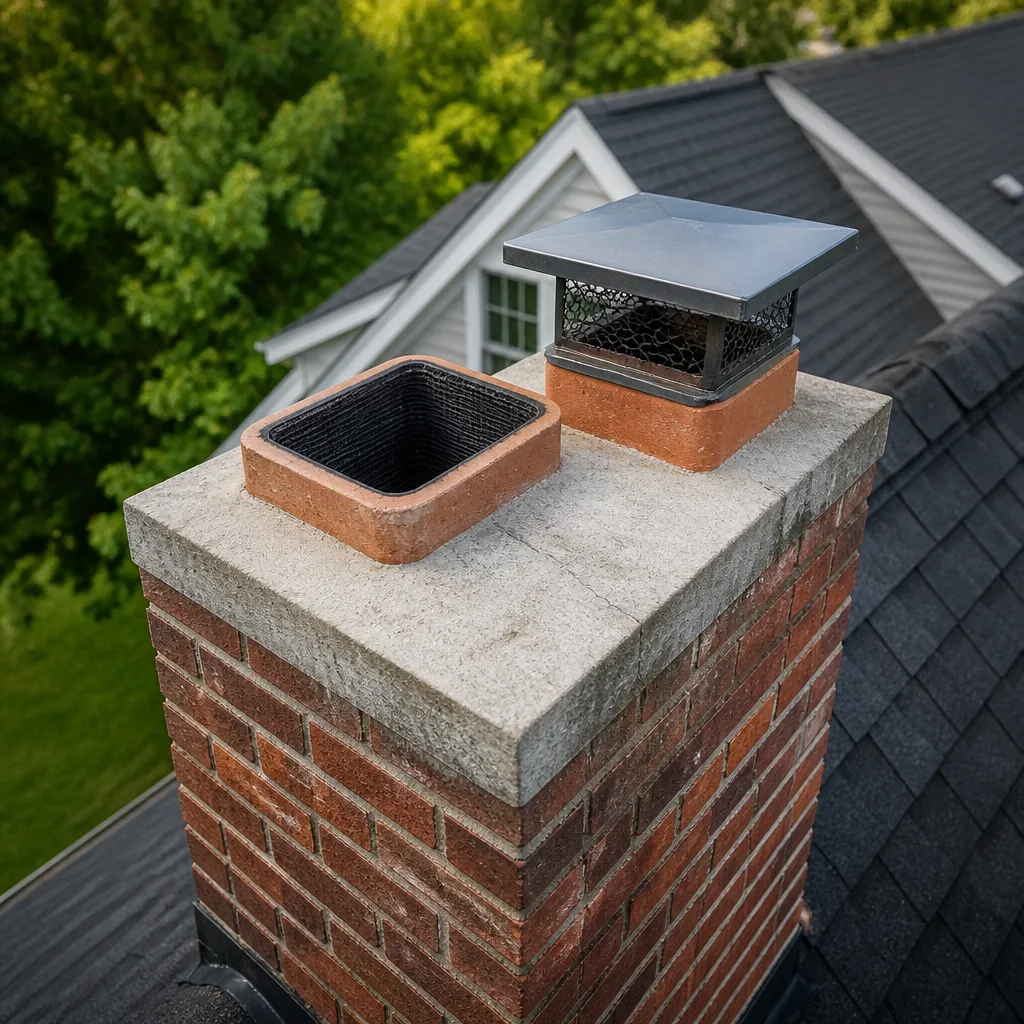 Sweep & inspection
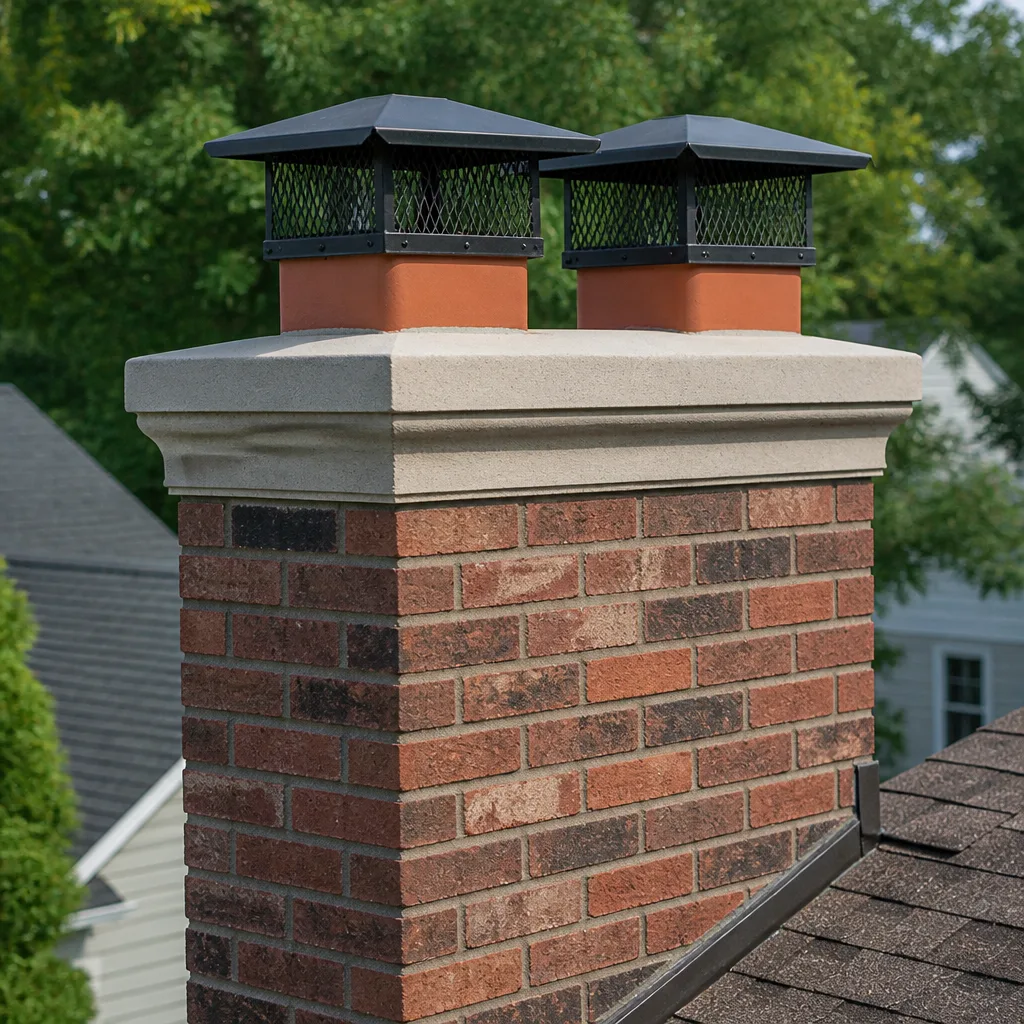 Caps & crowns
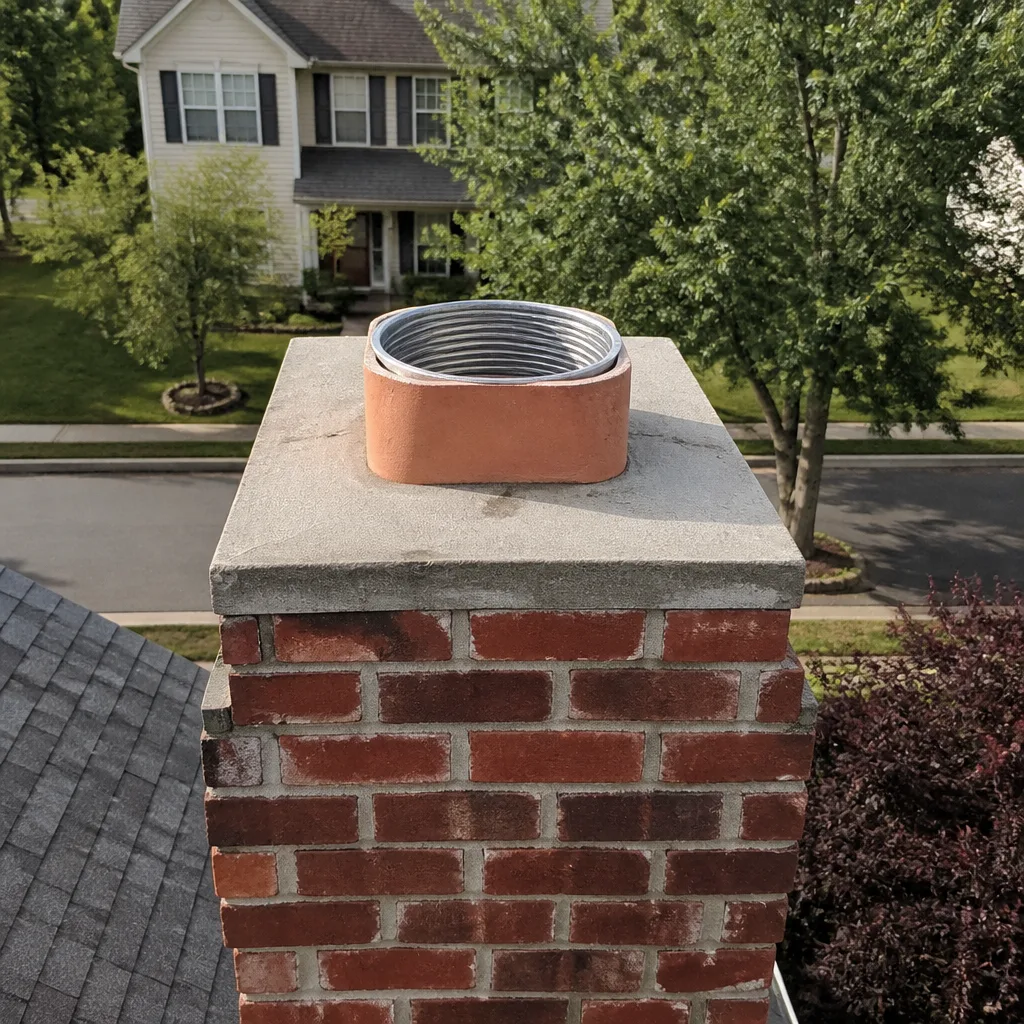 Flue relining
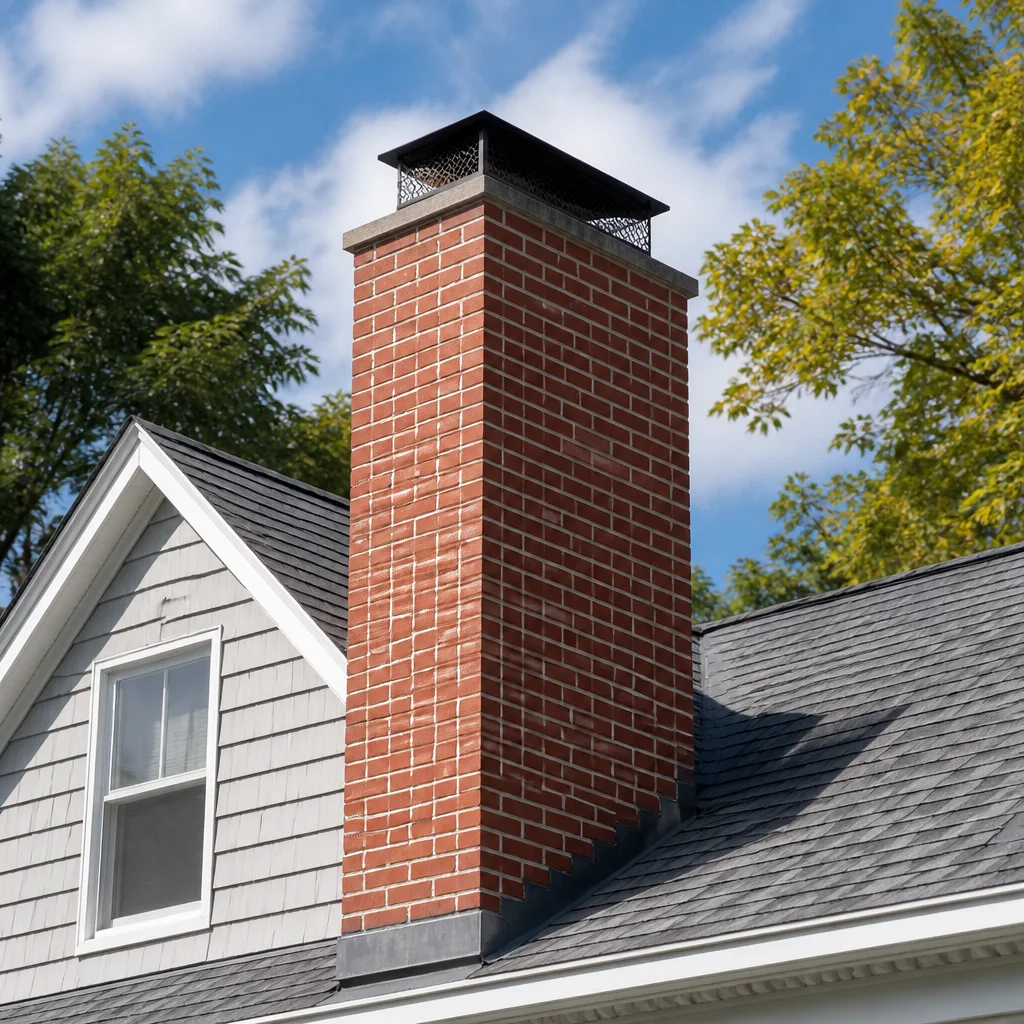 Masonry repair
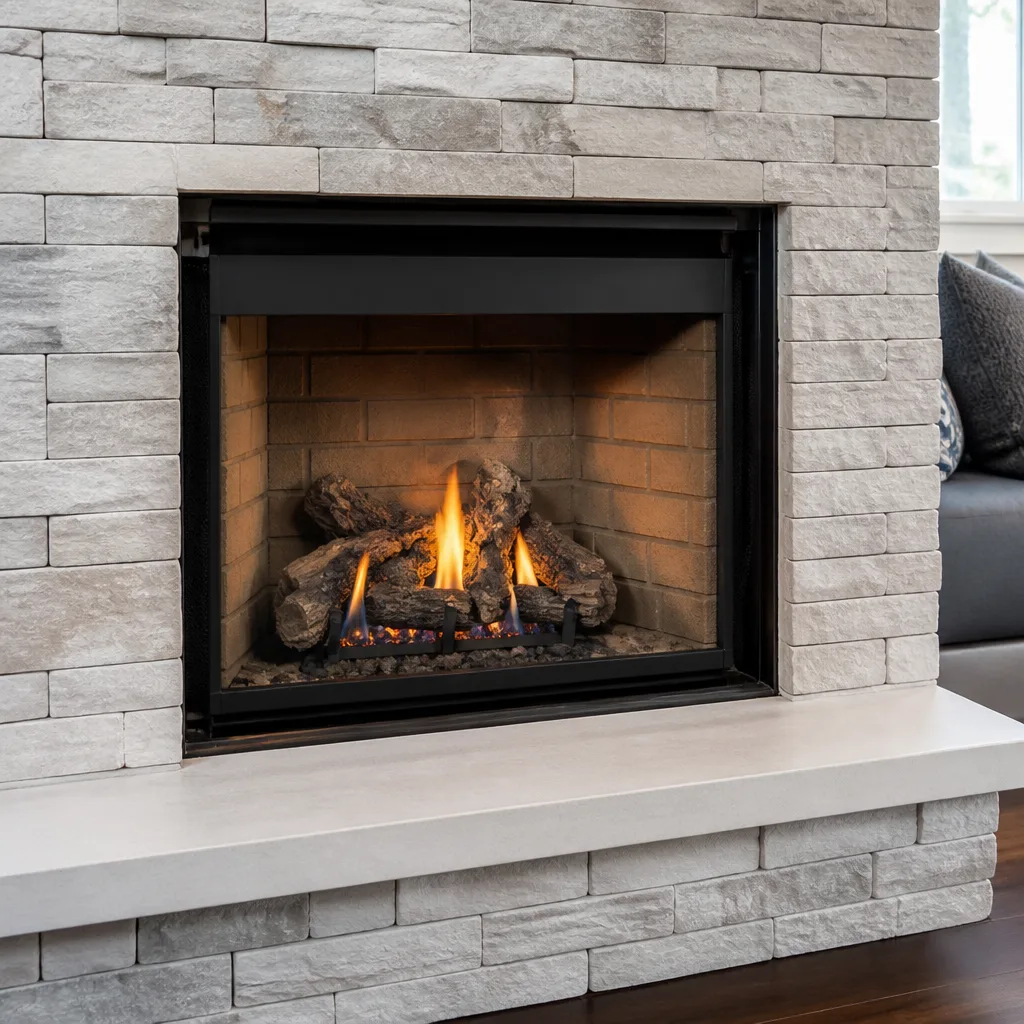 Gas fireplace service
Level 1 sweep and inspection to the NFPA 211 annual standard - flue, crown, cap, and flashing checked and photographed
Chimney sweep logs do not sweep chimneys. They loosen some creosote - which then falls where a brush and vacuum still have to collect it.
Choosing the Right Chimney Cleaning Brand: A Buyer’s Guide for Avondale
When a chimney sweep finishes a job, most homeowners have no idea what products were used on their flue, their crown, or their firebox. That’s not an accident. The brands a contractor chooses tell you more about the tier of work you’re getting than any brochure ever will, and a vague answer about “professional-grade materials” is usually a sign there’s nothing specific to name. In this guide, we’ll walk through what the major chimney product brands actually do, how professional-grade creosote removers differ from what you can buy at a hardware store, why crown sealants matter so much under Avondale’s desert sun, and the exact questions to ask a contractor before you book.
Quick Answer
The right chimney cleaning brand is one a contractor can name, explain, and put in writing – typically a recognized manufacturer like Gelco, Olympia Chimney, Famco, or Copperfield rather than a generic or unbranded product. The brand matters because each product is formulated for a specific job: creosote removal at a certain stage, sealing a crown against UV, or relining a flue for high heat. If a contractor can’t tell you what they’re applying and why, that’s your answer about how seriously they take the work.
Styles & brands we work with
- Sweep & inspection
- Caps & crowns
- Flue relining
- Masonry repair
- Gas fireplace service
Table of Contents
- Why Chimney Product Brands Are a Signal of Work Quality
- Professional vs. Consumer Creosote Removers: Why the Chemistry Matters
- Crown Sealants and Waterproofing: What Holds Up in Avondale
- Chimney Liner Systems: Materials Built for High-Heat Desert Use
- How to Ask a Contractor What Products They Use
- Why Unbranded Products Should Be a Negotiation Point
- Matching the Brand to the Job: A Step-by-Step Walkthrough
- Common Mistakes to Avoid
- When to Call a Professional
- Frequently Asked Questions
Why Chimney Product Brands Are a Signal of Work Quality
A brand name on a product is a paper trail. When a contractor uses a named manufacturer, that product was engineered for a specific application, tested to a standard, and comes with published technical data. When the product is unbranded or repackaged, none of that is verifiable. For a homeowner in Avondale, that difference shows up years later in how a crown holds up through summer heat or how a liner performs through repeated burn cycles.
Here’s what a brand name actually tells you:
- It was formulated for chimney work, not general construction. A creosote remover designed for flue deposits is a different chemistry than a generic degreaser.
- It has a published application and cure specification. You can ask what the manufacturer says about coverage and cure time, and compare it to what the contractor tells you.
- It’s a product the contractor has been trained to apply. Manufacturers publish application guidance; a professional follows it.
- It can be verified. You can look up the product and confirm the specs yourself.
This is why we work exclusively with recognized chimney industry manufacturers: Chimney Sweep Avondale sources from DuraFlex, HeatShield, Gelco, Olympia Chimney, Famco, and Copperfield. That isn’t a marketing list. It’s a sourcing standard, and it means the products we apply to your chimney have a documented track record we can point to rather than a generic label. In a high-desert climate like Avondale’s, where materials see intense UV and significant seasonal temperature swings, that documented record is the difference between a sealant that lasts and one that chalks and cracks within a couple of seasons. The brands are the evidence.
Professional vs. Consumer Creosote Removers: Why the Chemistry Matters
Creosote is the residue left behind when wood smoke cools inside a flue, and it forms in three distinct stages. Stage 1 is a light, flaky soot you can brush away. Stage 2 is a sticky, tar-like deposit that clings to the flue walls and resists a standard brush. Stage 3 is a hardened, glazed layer that can fuel a chimney fire and requires professional treatment. The chemistry of the remover you use determines whether stages 1 and 2 come off cleanly or get smeared around and pushed deeper.
What Consumer Products Do
Consumer-grade creosote removers, the kind sold at hardware stores, are typically mild chemical powders or sprays designed to soften light deposits. They’re formulated for occasional, low-volume use in a fireplace that’s been reasonably maintained. They’re not designed for stage 2 tar, and they’re not designed for the volume of deposit a chimney accumulates over a full heating season.
What Professional-Grade Products Do
Professional products are formulated to attack specific deposit types. Some are chemical soot removers that break down the bond between the deposit and the flue wall so it can be brushed off without damaging the masonry. Others are applied after mechanical cleaning to neutralize remaining residue. The key difference is control: a professional knows which product to reach for based on what stage of deposit they’re seeing, and they apply it at the correct concentration and dwell time for that deposit.
In our experience, the most common failure mode is a homeowner who’s tried a consumer product on stage 2 tar, softened the surface, and left the deeper deposit intact and now harder to reach. The chemistry didn’t match the problem. That’s why the first step in any chimney sweep is diagnosis, not application: a visual inspection of the flue tells you what stage of deposit you’re dealing with before you choose a product. Inspect first, recommend second.
If you want to understand what a professional looks for during that inspection, our guide to chimney inspections walks through the checklist. The point here is simpler: the product only works if it matches the deposit, and matching requires knowing what’s in the flue.
Crown Sealants and Waterproofing: What Holds Up in Avondale
The crown is the concrete cap at the top of the chimney, and it’s the part of the structure most exposed to weather. In Avondale, “weather” mostly means sun. The region sees intense UV exposure and long stretches of dry heat, and that combination is brutal on generic masonry sealers. A sealer that’s adequate in a mild, overcast climate can chalk, crack, and fail within a season or two under desert sun.
What Industry-Standard Brands Offer
Professional crown sealants and waterproofing products from recognized manufacturers are formulated with UV-stable polymers and flexible membranes. The flexibility matters because the crown and the masonry below it expand and contract at slightly different rates as temperatures swing between day and night. A rigid sealer cracks at that joint. A flexible membrane moves with it.
What Generic Masonry Sealer Does
Generic masonry sealer is often a clear film-forming product that sits on the surface. It blocks water vapor from escaping as well as entering, which traps moisture inside the masonry. In a climate that gets the occasional monsoon soaking followed by fast drying, trapped moisture is a real problem. The masonry can’t breathe, and the sealer itself degrades under UV faster than a product formulated for the application.
When we assess a crown in Avondale, we look at three things before we recommend a product: the condition of the crown itself (cracks, spalling, separation from the flue), the type of masonry, and the exposure. A crown that’s structurally sound but has surface weathering gets a waterproofing application. A crown with a structural crack gets repaired first, then sealed. Applying a sealer over a failing crown just traps the problem underneath. This is one of the areas where brand access matters: Famco and Copperfield product lines support crown, cap, and damper work with manufacturer-specified components, so the repair is matched to the material rather than improvised.
Chimney Liner Systems: Materials Built for High-Heat Desert Use
A flue liner is the barrier between the heat and combustion gases inside the flue and the masonry or framing outside it. When a liner is cracked, spalled, or missing, the chimney can’t safely contain what’s burning inside it. In a hot, dry climate like Avondale’s, the liner also has to handle the thermal cycling of repeated burn-and-cool cycles, and the material specification matters.
The Leading Liner Systems
- HeatShield is a ceramic resurfacing system applied to the inside of an existing liner. It’s an industry-recognized repair method that rebuilds the liner surface rather than replacing the whole flue, and it’s the smart middle path when the existing structure is sound but the surface is damaged.
- DuraFlex makes flexible stainless liner systems that can be installed in older or non-standard flue configurations where a rigid liner won’t fit. The flexibility lets the liner follow the existing flue path without requiring demolition.
- Olympia Chimney manufactures liner and venting components that are widely used in professional installations.
The distinction between a repair system like HeatShield and a full reline with a flexible stainless system comes down to the condition of the existing flue. If the liner’s structural integrity is intact and only the surface is deteriorated, HeatShield can restore it without the cost and disruption of a full reline. If the liner is cracked through or separated, a flexible stainless system is the appropriate fix. Choosing between them is a diagnosis question, not a sales question, and it’s one we answer with camera evidence the homeowner can see.
Why Flexible Systems Matter in Older Avondale Homes
Many homes in Avondale’s older neighborhoods have flues that were built to older standards or have offsets and bends that a rigid liner can’t navigate. A flexible DuraFlex system conforms to the existing path, so the liner can be installed without opening walls or rebuilding the chimney. The result is a code-compliant, insulated flue in a configuration where a rigid system would have meant significant structural work. If you’re wondering whether chimney repair or a full reline is the right call, that’s a conversation to have after the inspection, not before it.
How to Ask a Contractor What Products They Use
Most homeowners never ask. That’s the gap this guide exists to close. The right questions are simple, and the answers tell you a lot. Here are the ones that matter, in the order to ask them.
- “What product will you use for the sweep, and why that one?” A professional names the product and explains what stage of deposit it’s formulated for. A vague answer – “a standard creosote remover” – is a sign the contractor either doesn’t know or doesn’t want to say.
- “What brand of sealant will you apply to the crown?” You’re listening for a manufacturer name and a reason. “It’s a masonry sealer” tells you nothing about UV stability or flexibility.
- “If you recommend a liner repair, what system will you use, and why that system over a full reline?” A contractor who knows HeatShield will explain when resurfacing works and when it doesn’t. A contractor who only offers full replacement will tell you that’s the only option, which is worth knowing.
- “Will the products you use be listed in the written estimate?” This is the test. A professional who names their materials on paper has nothing to hide. A contractor who won’t commit product names to the estimate is telling you something.
- “What does the manufacturer specify for this application, and how does that match what you’re doing?” You don’t need to know the spec yourself. You need to see whether the contractor does.
None of these questions require technical knowledge to ask, and every one of them can be asked politely. A professional will welcome them. If a contractor gets defensive about naming products, that’s your answer. In our experience, the contractors who do good work are the ones most willing to talk about what they put on a chimney, because the materials are the part they’re proud of. Our technicians have up to experience, and the product knowledge is a big part of that experience.
For a broader look at what a full inspection covers and what the report should tell you, our guide to the chimney inspection process breaks it down step by step. Bring these questions to that conversation and you’ll get more out of it.
Why Unbranded Products Should Be a Negotiation Point
An unbranded product isn’t automatically bad. But it’s unverifiable, and in chimney work, unverifiable is a real risk. You’re paying for a product that will be applied inside your home’s flue and on top of your chimney, where it will either hold up for years or fail quietly. If the contractor can’t tell you who made it, you can’t check the specification, the cure requirements, or the application guidance. You’re taking their word for it.
What Legitimate Professionals Are Willing to Put in Writing
A professional who uses recognized brands should be willing to:
- Name the manufacturer of every product applied, in the written estimate
- Explain why that product was chosen for your specific chimney
- Provide manufacturer documentation if you ask for it
- Tell you if a less expensive product would do the job, and why they recommend against it
When a contractor uses a proprietary or house-brand product and won’t disclose the manufacturer, it’s fair to make that a negotiation point. Ask for the manufacturer name. Ask what happens if the product fails. Ask whether the warranty covers the product or just the labor. If the answers are vague, you have a decision to make. The same logic applies to liner systems, caps, dampers, and draft components – a manufacturer-specified component is one you can look up, and one you can hold a contractor accountable to.
This is why we’re deliberate about sourcing. Access to six recognized manufacturers – DuraFlex, HeatShield, Gelco, Olympia Chimney, Famco, and Copperfield – means the fix for your chimney isn’t limited by what’s on a single supplier’s shelf. It also means we can match the product to the problem rather than force the problem to fit whatever product is available.
Matching the Brand to the Job: A Step-by-Step Walkthrough
The brand doesn’t come first. The diagnosis does. Here’s the order a professional job follows, and where each product family fits in.
- Inspection. A camera inspection shows the condition of the flue, the crown, the firebox, and the damper. This is the diagnosis. Nothing is recommended until this is done and the homeowner can see the footage.
- Creosote assessment and sweeping. The technician identifies the stage of creosote deposit and selects the appropriate removal method. A professional-grade remover is matched to the deposit stage, then the flue is mechanically swept.
- Crown and masonry evaluation. The crown is checked for cracks, spalling, and separation. If it’s structurally sound, a UV-stable waterproofing product is applied. If it’s cracked, it’s repaired with a manufacturer-specified material first.
- Liner assessment. The liner is evaluated for surface damage versus structural failure. Surface damage with sound structure may be a candidate for HeatShield ceramic resurfacing. Structural failure calls for a flexible stainless reline with a system like DuraFlex.
- Component check. The cap, damper, and draft components are checked for fit and function. Manufacturer-specified parts from Famco or Copperfield keep the repair matched to the original system.
- Written estimate. Every recommended product is named in the estimate, with the reason for the recommendation and the option to wait on anything that isn’t urgent.
This is what “one crew, full chimney” means in practice: the company that inspects is the company that sweeps, and the company that sweeps is the company that repairs. There’s no handoff, no referral runaround, and no gap between the diagnosis and the fix. For families in Avondale, that continuity is worth asking about when you compare contractors.
Common Mistakes to Avoid
- Not asking what products will be used. A homeowner who never asks is a homeowner who never knows. Ask before the job, not after, and expect the names in writing.
- Accepting “professional-grade” as an answer. That phrase means nothing without a manufacturer name. Ask for the brand, then look it up yourself.
- Applying a generic masonry sealer to a desert-exposed crown. A sealer that isn’t UV-stable can fail within a couple of seasons under Avondale’s sun. Match the product to the climate.
- Assuming a full reline is the only option. HeatShield ceramic resurfacing can restore a damaged liner surface at a fraction of the cost of replacement when the structure is sound. If a contractor only offers replacement, ask why.
- Skipping the inspection because the sweep “looks fine.” A clean flue isn’t the same as a sound liner. The inspection is what catches the problems the sweep can’t.
- Letting a contractor apply product over a failing component. Sealing a cracked crown or coating a separated liner traps the problem. Repair first, product second.
- Not asking whether a recommendation can wait. Some repairs are urgent for safety and some can be scheduled for the next season. A professional will tell you which is which.
When to Call a Professional
Book a professional when you’ve burned a full season since the last sweep, when you’re moving into a home with an unfamiliar chimney, or when you notice any change in how the fireplace draws. A strong smoky smell, a draft that’s weaker than it used to be, or visible creosote at the damper are all reasons to have the flue inspected rather than guessed at. If you’ve never had the chimney inspected, that’s the first call. If a previous contractor recommended work you couldn’t verify, a second opinion with camera footage is worth the visit. Chimney Sweep Avondale offers free estimates in Avondale – call (833) 906-6774. We answer 24/7. Fast dispatch from 7am to 7pm, Sunday through Friday.
Frequently Asked Questions
Look for recognized manufacturers with published specifications – Gelco, Olympia Chimney, HeatShield, DuraFlex, Famco, or Copperfield are the names we source from. The brand matters less than whether the contractor can name it and explain why it was chosen for your specific chimney. If the answer is vague, ask for the product name in the written estimate before you book. Call (833) 906-6774 for an exact quote on your chimney – estimates are free.
A standard sweep is quoted per job after the technician sees the flue, and the written estimate sets the final price. The cost depends on the stage of creosote deposit, whether the flue has offsets, and whether a camera inspection is included. We don’t quote a fee over the phone because the deposit stage drives the work. Call (833) 906-6774 for an exact quote – estimates are free.
A repair system like HeatShield can work when the liner’s structure is intact and only the surface is deteriorated. If the liner is cracked through or separated, a flexible stainless reline with a system like DuraFlex is the appropriate fix. The decision comes from camera evidence, not a sales pitch, and nothing is recommended until you can see the footage for yourself. Call (833) 906-6774 for an exact quote – estimates are free.
Most wood-burning chimneys need a sweep once a year or after a cord of wood, whichever comes first, and gas fireplaces should still be inspected annually even though they produce far less creosote. If you burn frequently through the winter, the flue can reach the deposit threshold sooner than a once-a-year schedule suggests. Call (833) 906-6774 for an exact quote – estimates are free.
Creosote accumulates in layers, and stage 2 tar hardens into stage 3 glazing that can fuel a chimney fire. A restricted flue also reduces draft, which pushes combustion gases back into the living space. Those are the two real risks, and both are avoidable with a routine inspection. Call (833) 906-6774 for an exact quote – estimates are free.
Because UV exposure is intense here and a sealer that isn’t UV-stable can chalk and crack within a couple of seasons. Professional brands make flexible, UV-stable membranes that move with the crown as temperatures swing. A generic film-forming masonry sealer can also trap moisture inside the masonry instead of letting it escape. Call (833) 906-6774 for an exact quote – estimates are free.
The Bottom Line
The products a contractor uses are the most concrete evidence of the tier of work you’re getting. Ask for the manufacturer name, expect it in the written estimate, and check it yourself. Professional-grade creosote removers are matched to the deposit stage, UV-stable crown sealants are matched to a desert climate, and liner systems are matched to the condition of the flue – repair with HeatShield when the structure is sound, a flexible DuraFlex reline when it isn’t. In Avondale, where the sun is hard on every exterior surface, those material choices are the difference between a fix that holds and one that doesn’t. A contractor who welcomes the questions is telling you something good. One who doesn’t is telling you something too.
If you’re ready to have your chimney assessed by a team that names its materials and shows you what it finds, call us for a free estimate. We’ll inspect first, show you the camera report, and put the products in writing before anything is booked.
Call (833) 906-6774 for a free estimate. We answer 24/7. Fast dispatch from 7am to 7pm, Sunday through Friday. Estimates are free and the written estimate sets the final price.
Written by the team at Chimney Sweep Avondale.
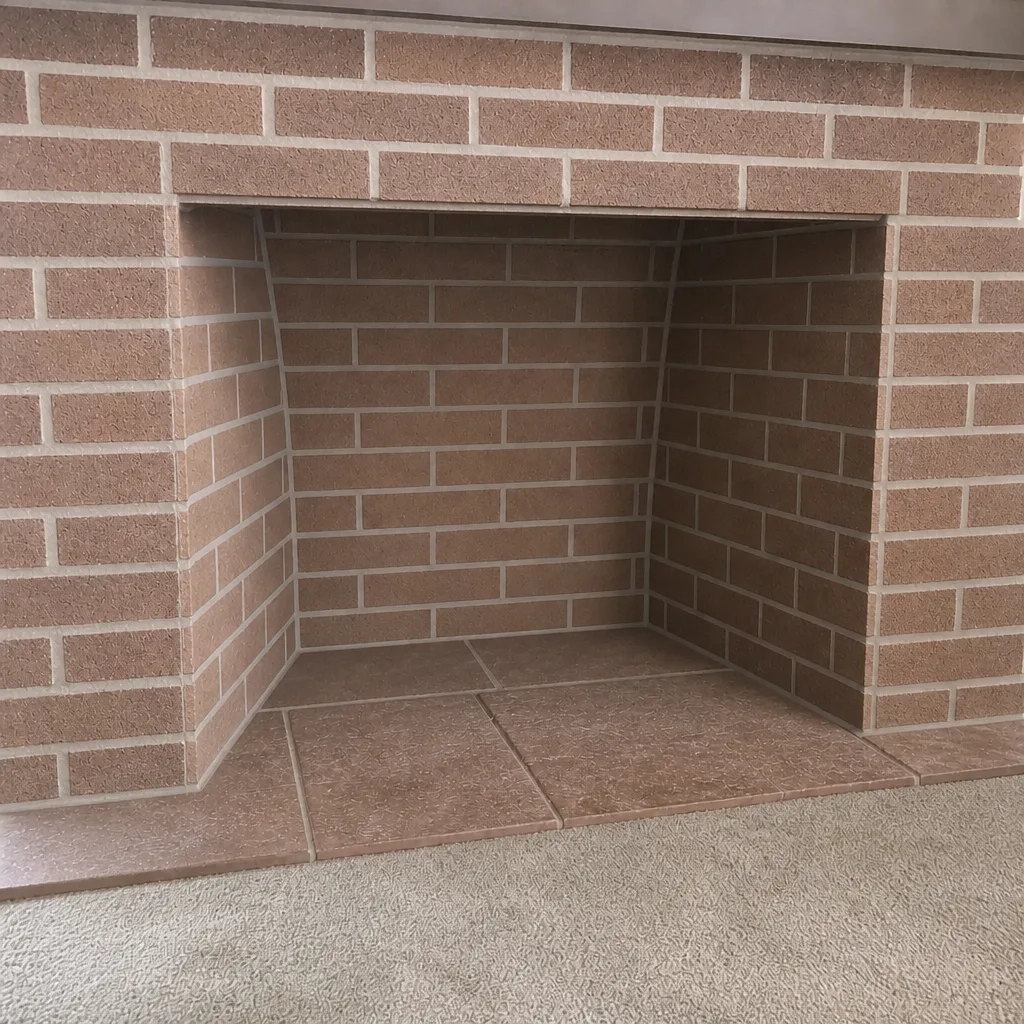
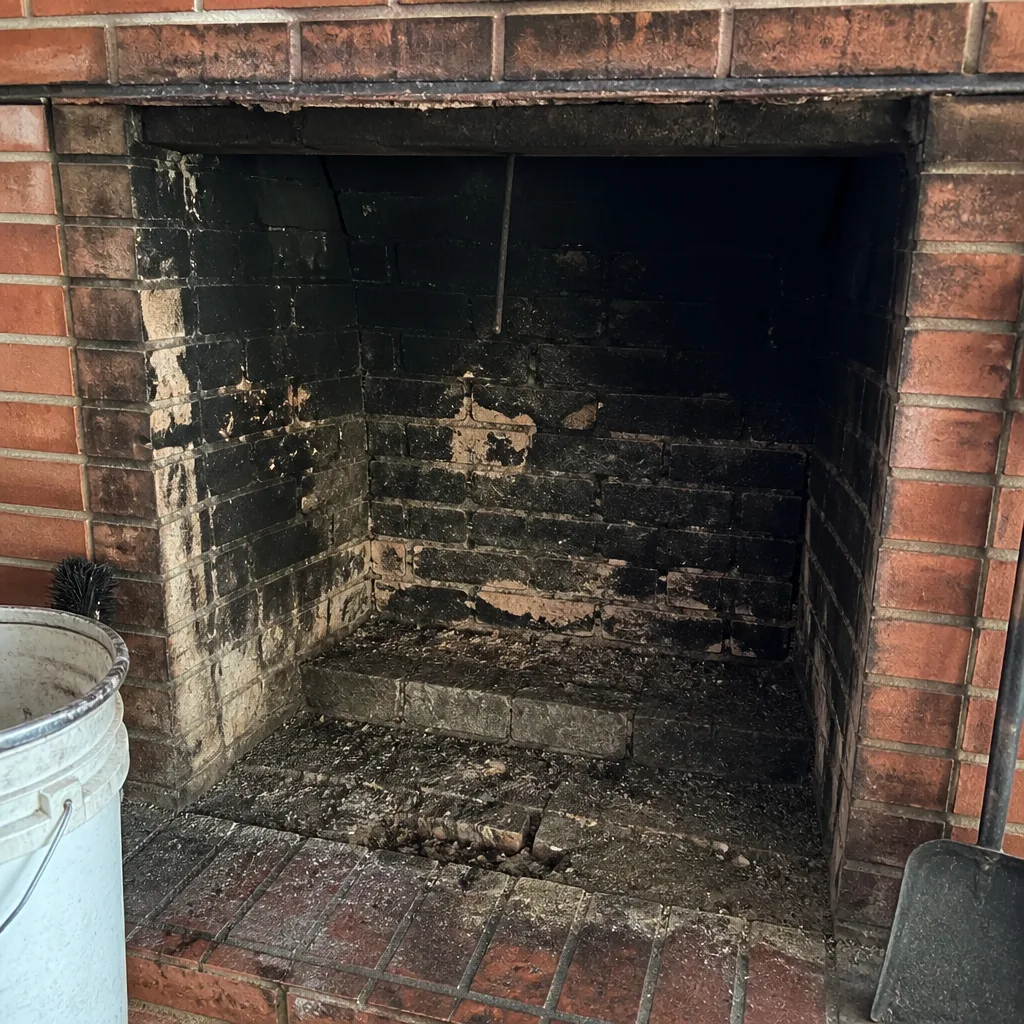
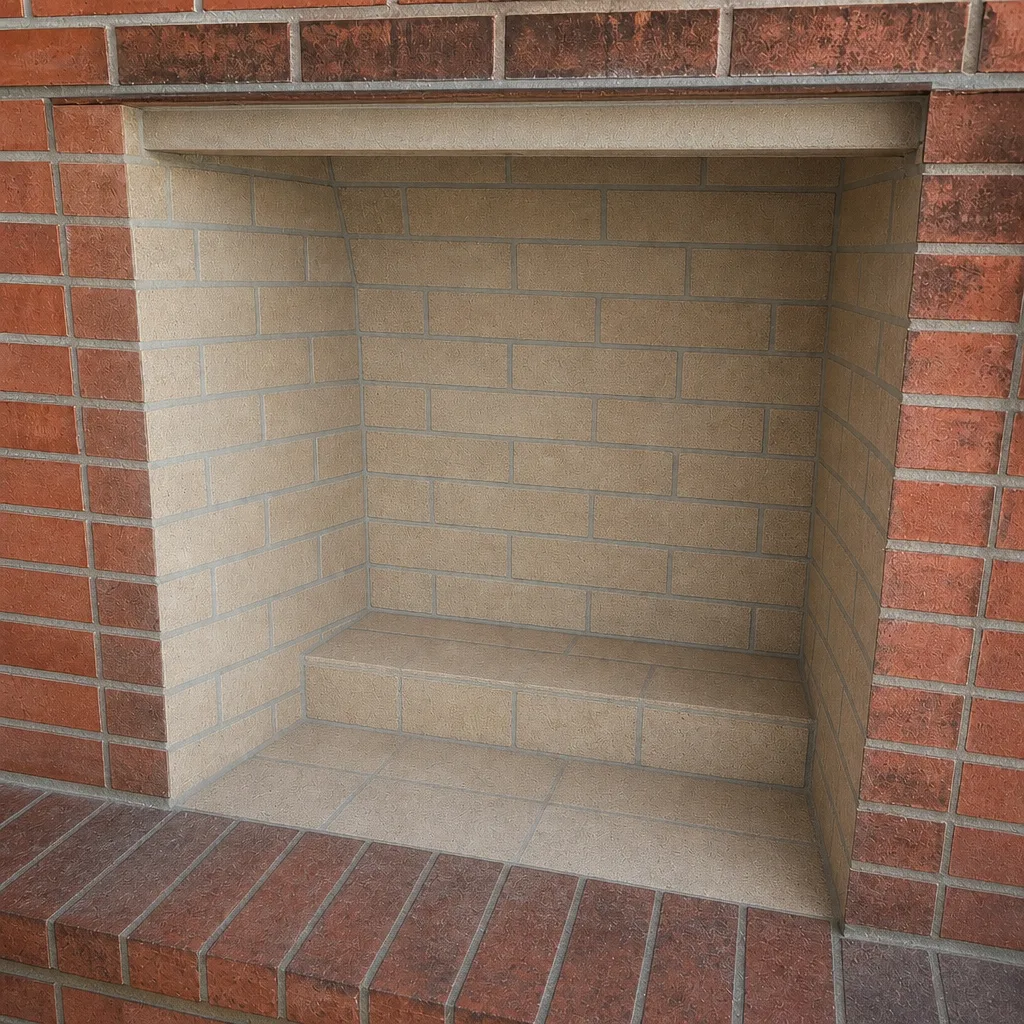
See the difference
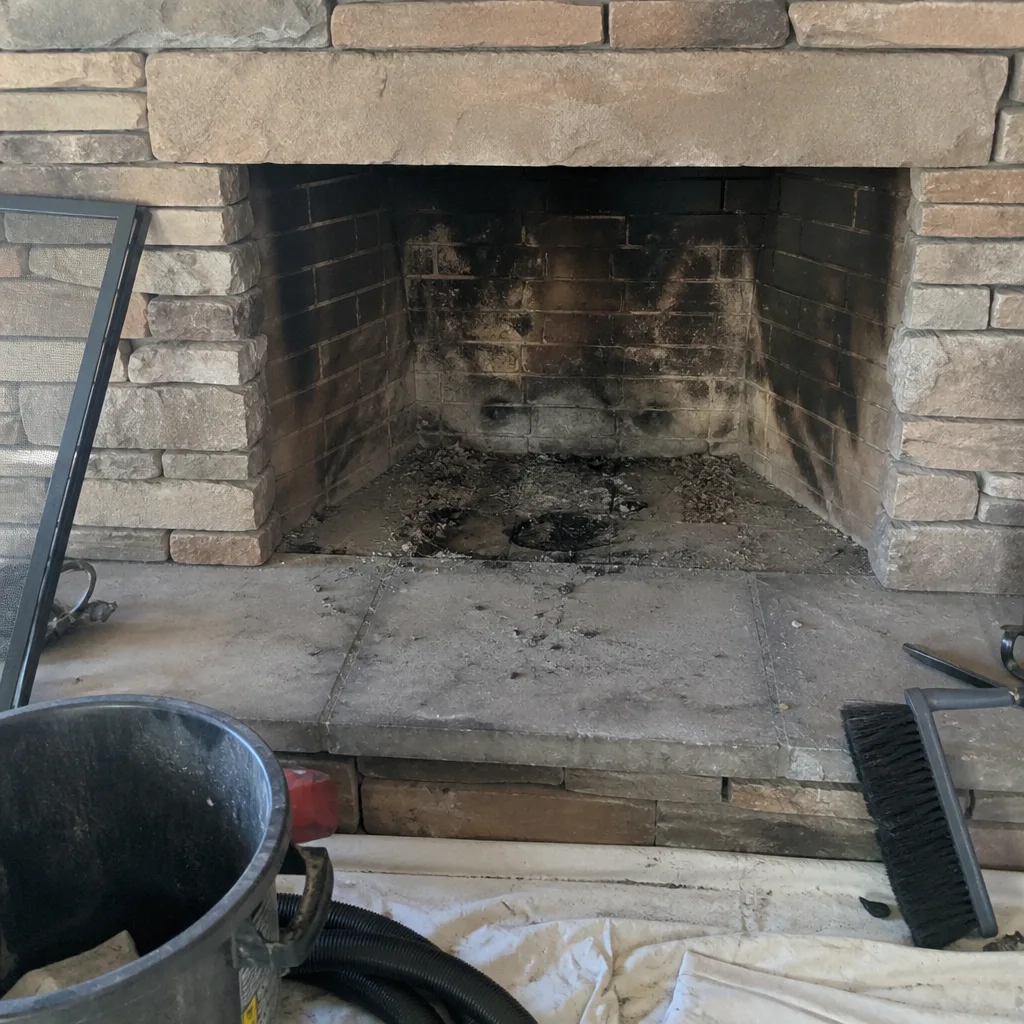 Before
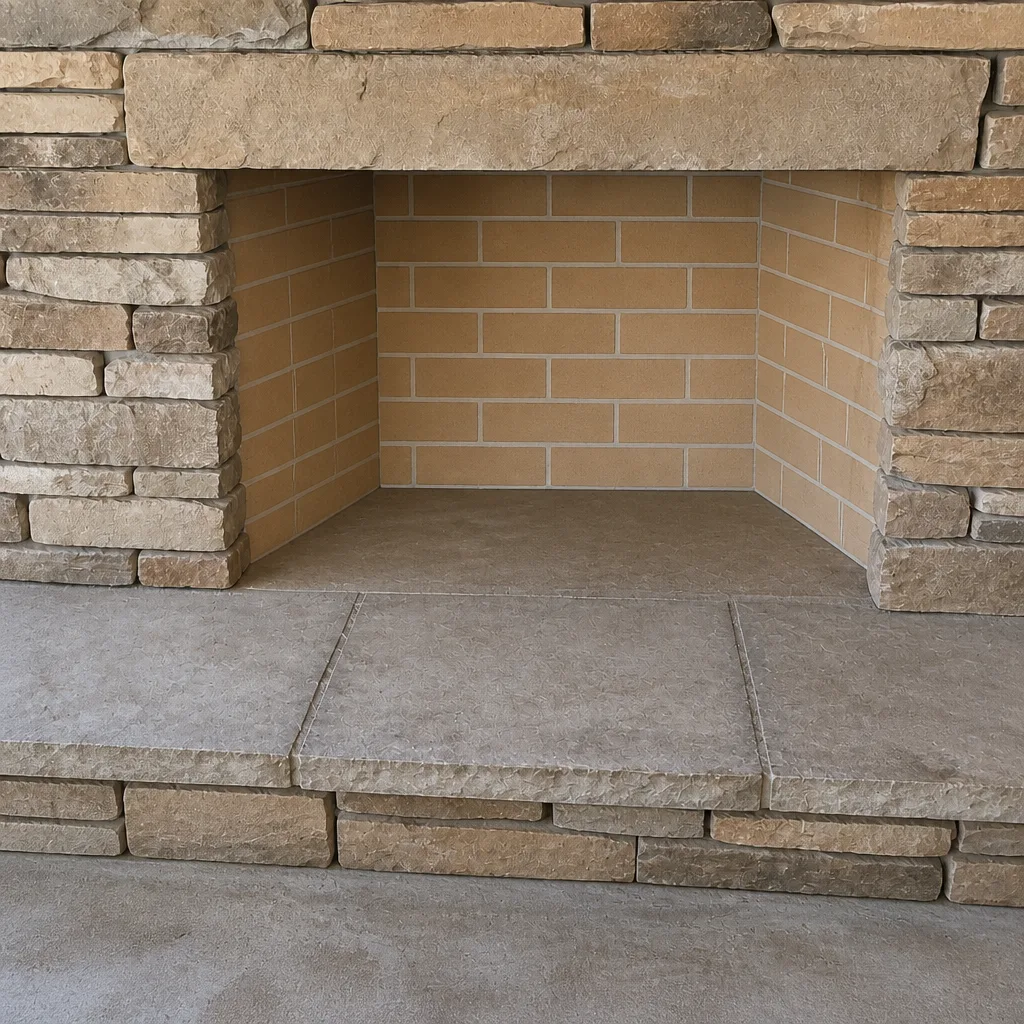 After
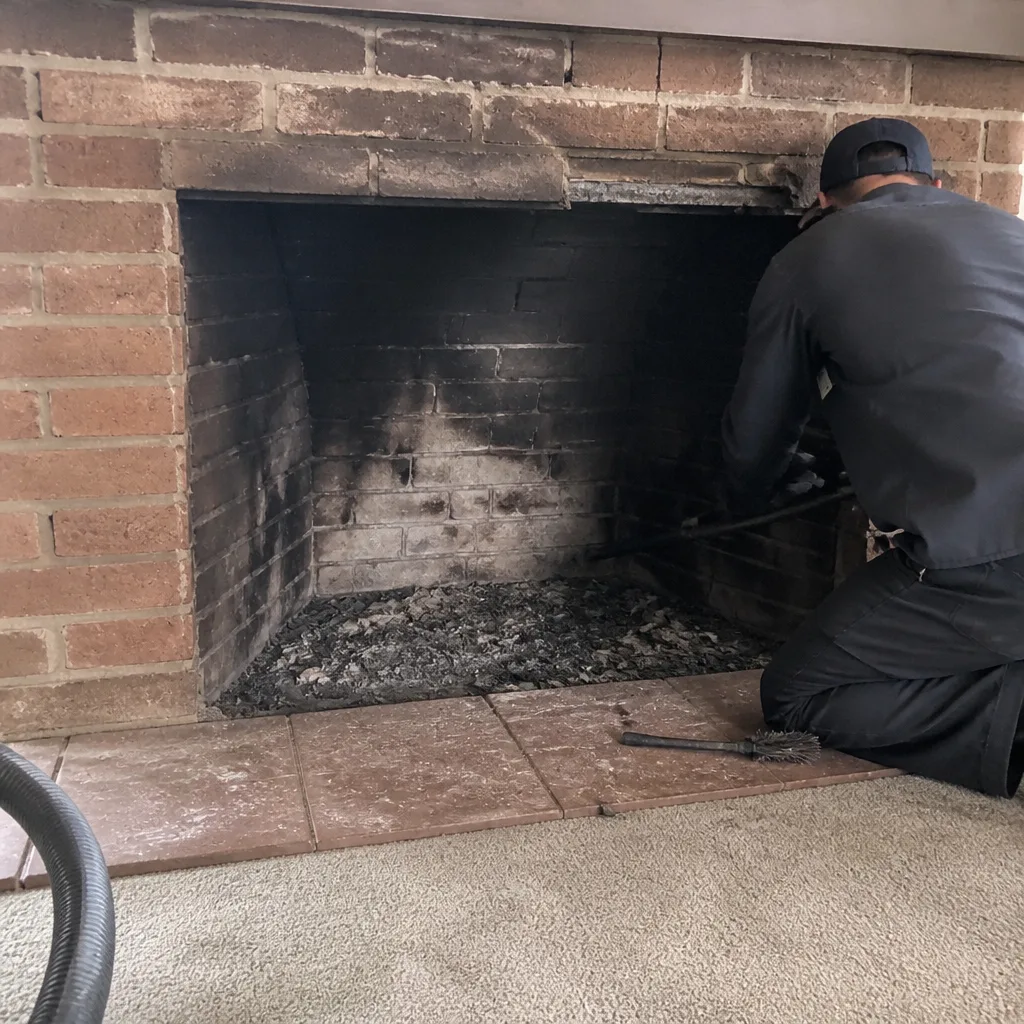 Before
 After
 Before
 After