
Last updated November 16, 2026
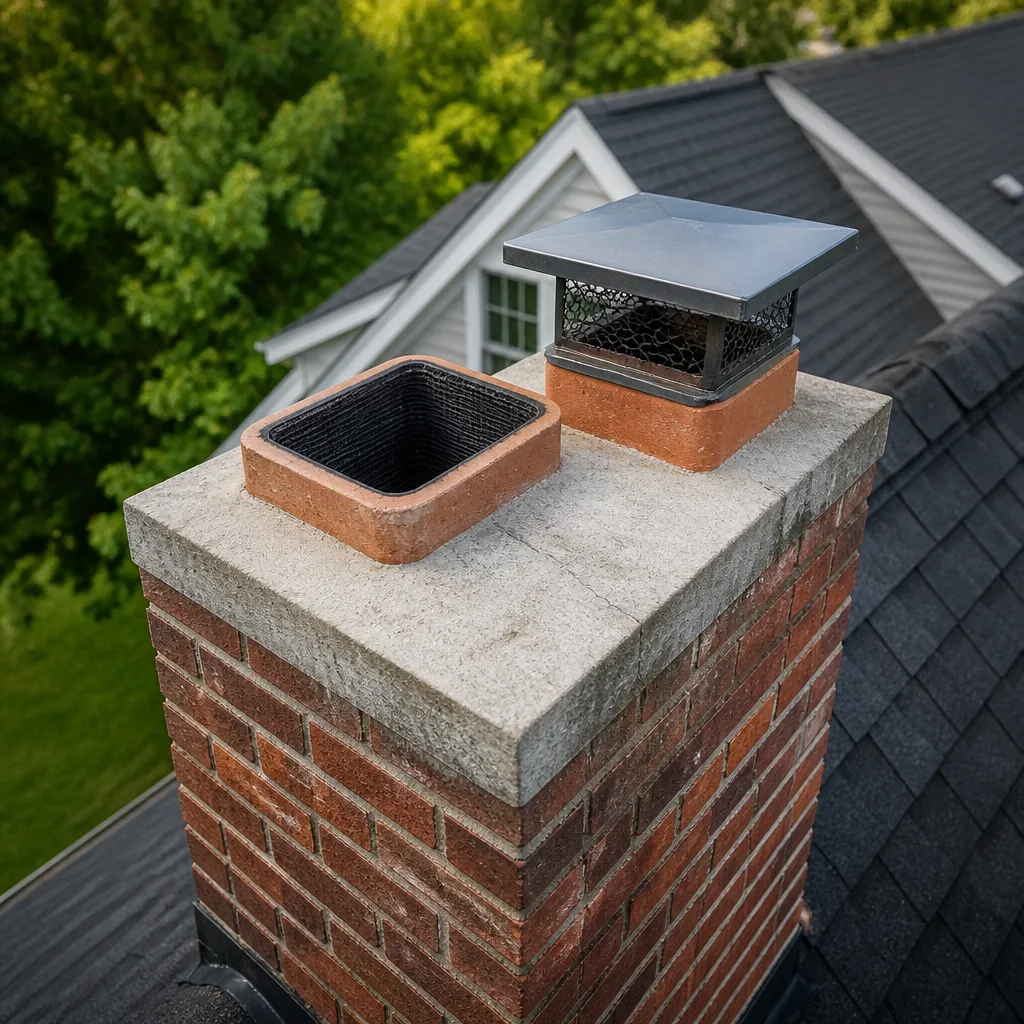 Sweep & inspection
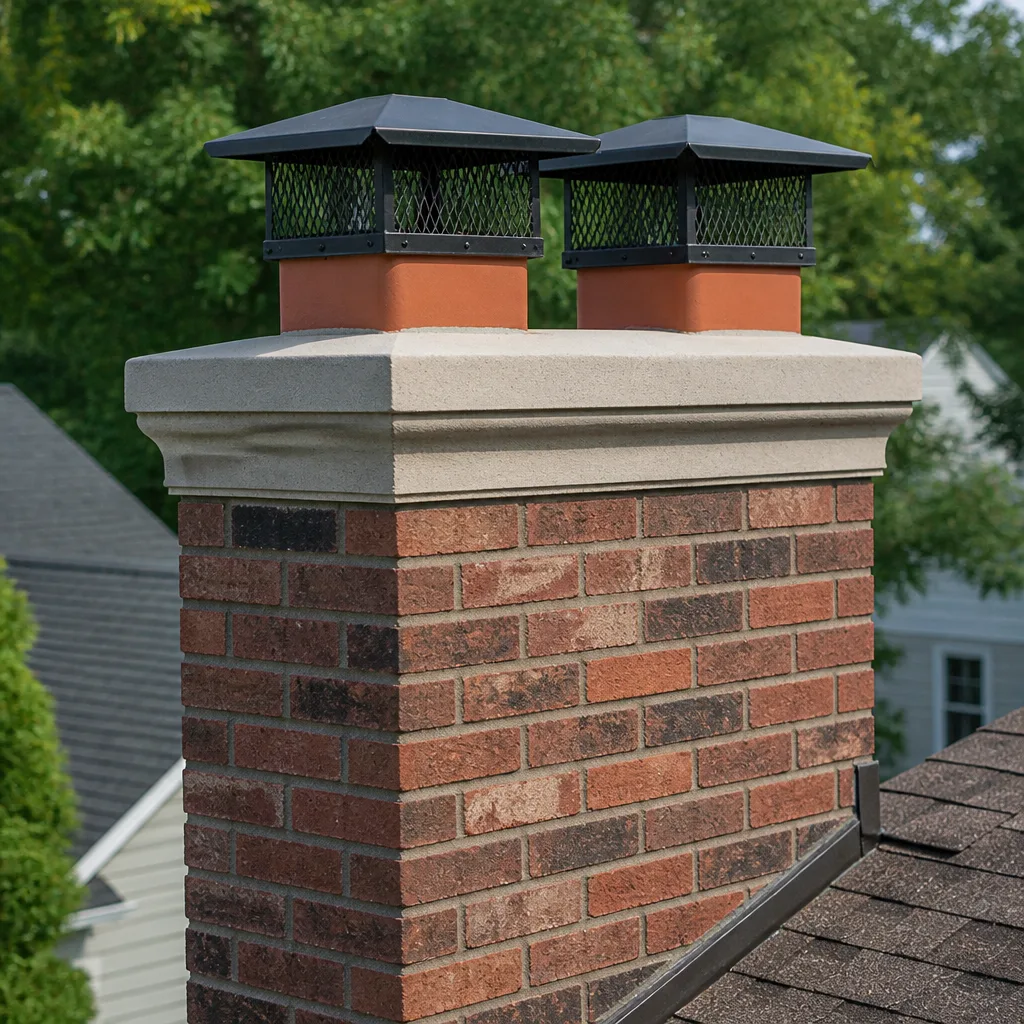 Caps & crowns
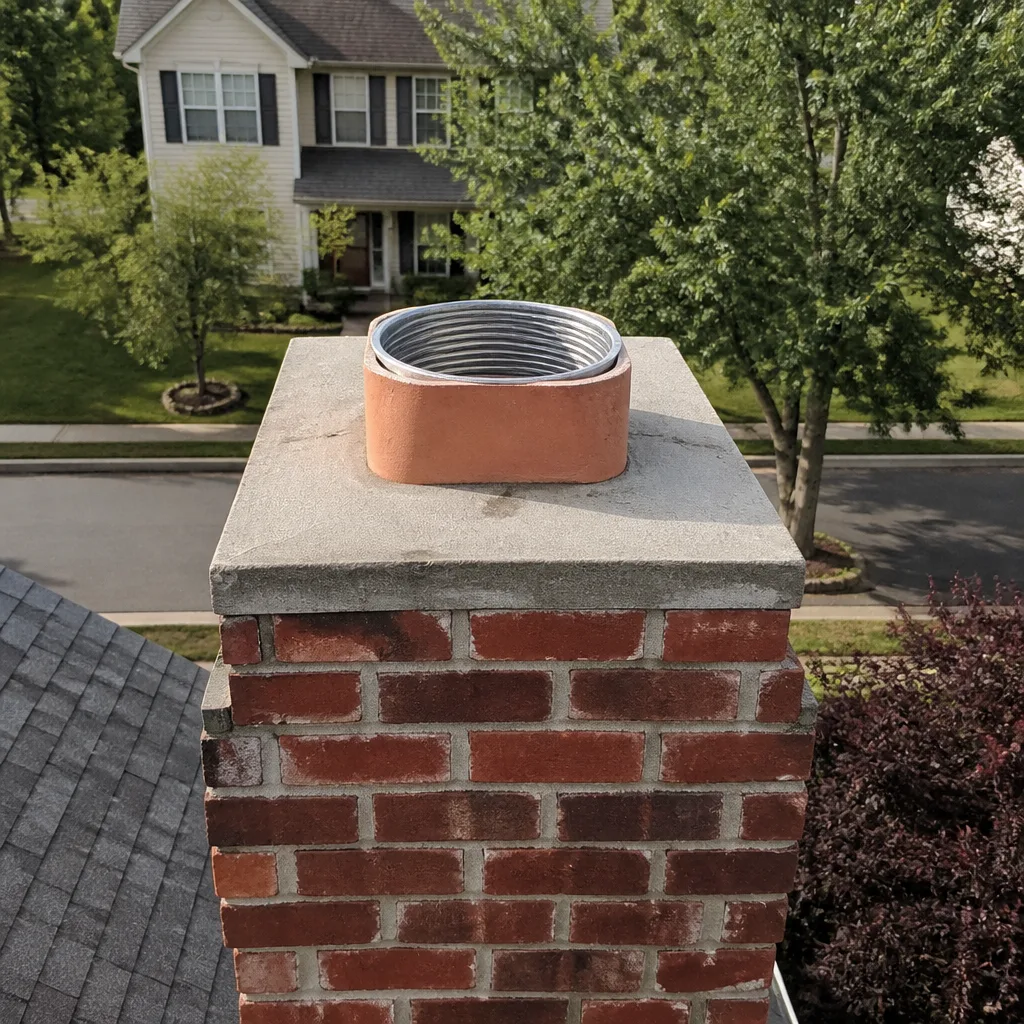 Flue relining
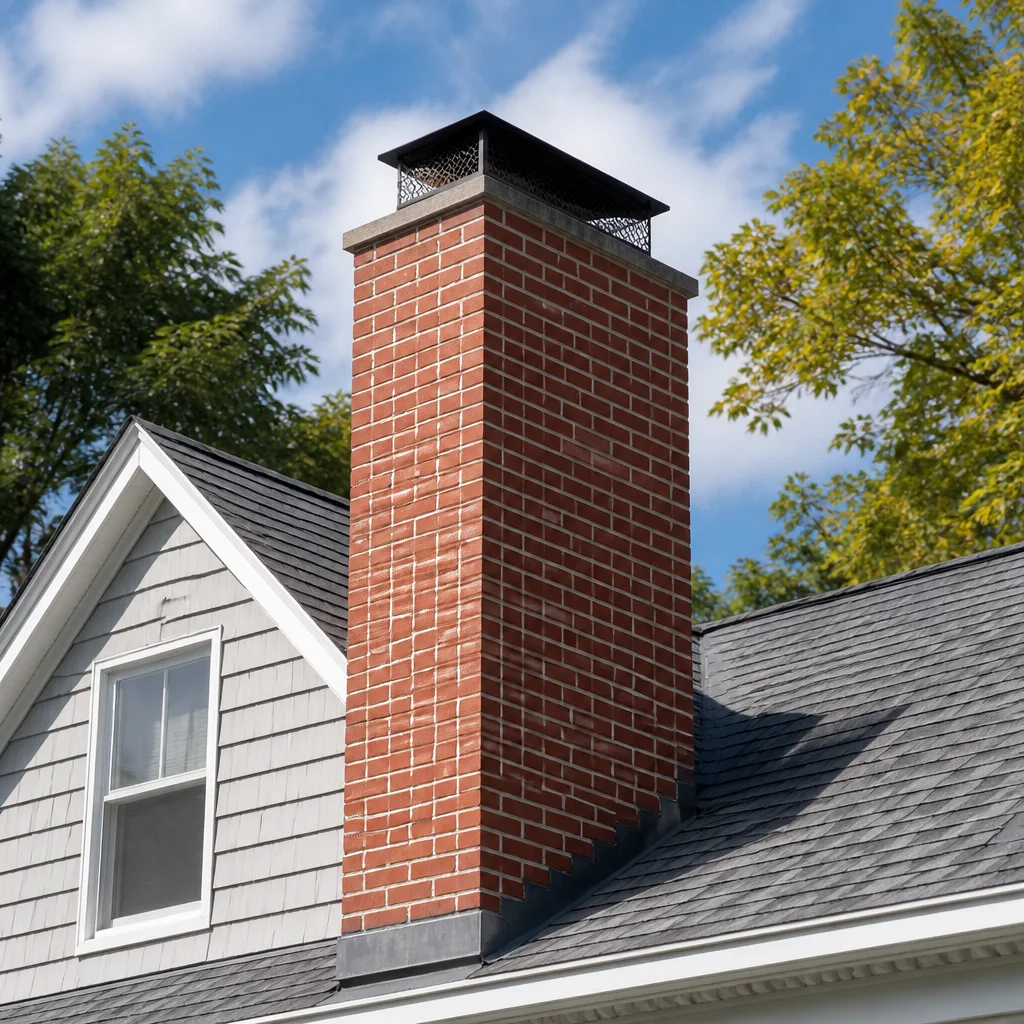 Masonry repair
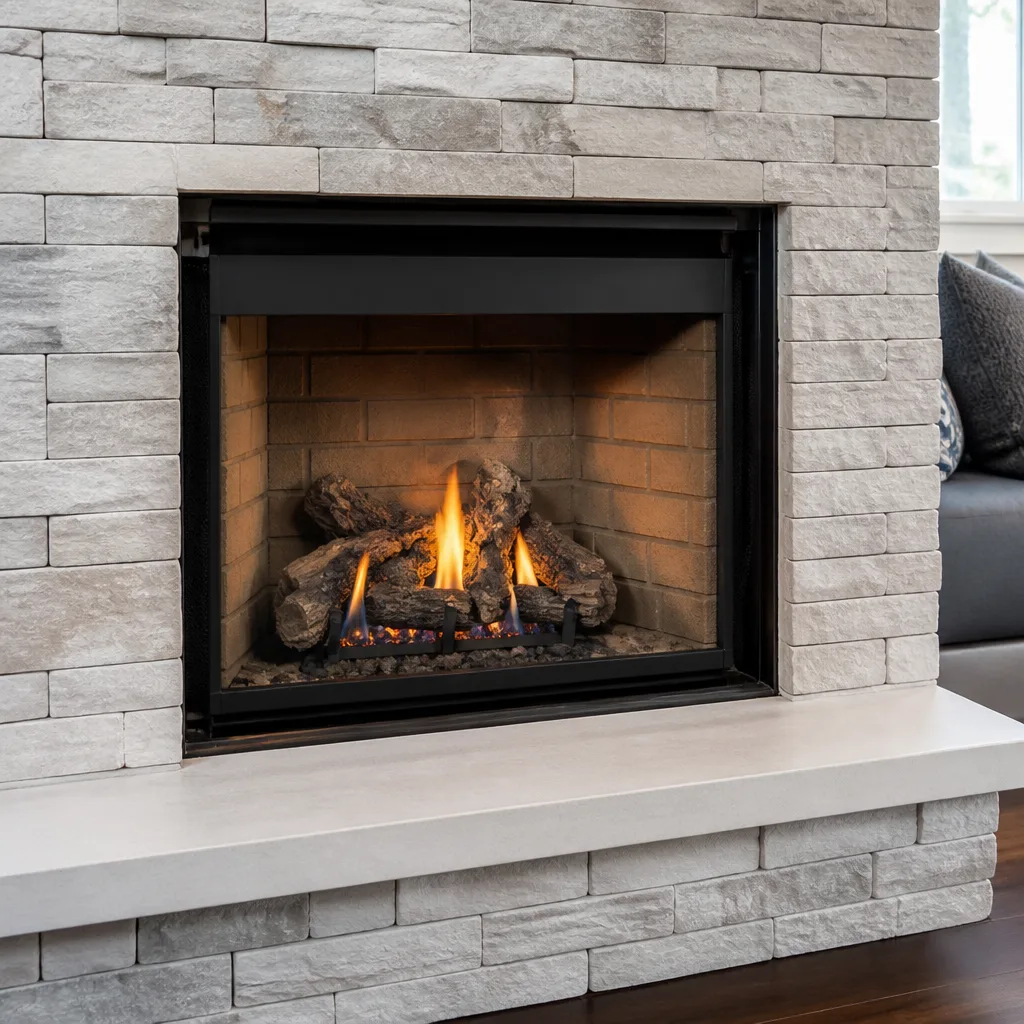 Gas fireplace service
Level 1 sweep and inspection to the NFPA 211 annual standard - flue, crown, cap, and flashing checked and photographed
Chimney sweep logs do not sweep chimneys. They loosen some creosote - which then falls where a brush and vacuum still have to collect it.
The Complete Guide to Chimney Cleaning in Avondale
Most chimney guides are written for the Northeast, where fireplaces run five months a year. Avondale homeowners use theirs in short, intense bursts. A handful of cool winter nights, a few holiday fires, then months of sitting idle under desert sun. That pattern creates a distinct creosote profile, and generic advice ignores it. In this guide we’ll walk through what chimney cleaning actually involves in Avondale, how short-season, high-intensity use speeds up creosote formation, which tools and inspection steps a real sweep performs, and how to read a cleaning report so you know whether the job was thorough or just a quick brush-out.
Quick Answer
Chimney cleaning in Avondale means removing soot, creosote, and desert debris from the flue and firebox, then inspecting the whole system for cracks, blockages, and liner damage. Most homes here should be swept and inspected once a year, and that annual visit matters more than people think because intense, short-season burning builds creosote fast. A professional sweep cleans, inspects, and documents what was found so you can decide what, if anything, needs repair.
Styles & brands we work with
- Sweep & inspection
- Caps & crowns
- Flue relining
- Masonry repair
- Gas fireplace service
Table of Contents
- Why Chimney Care in Avondale Isn’t Like the Northeast
- How Short-Season Burning Builds Creosote Faster
- What a Certified Sweep Actually Does: Tools and Steps
- Desert Dust, Monsoon Debris, and Nesting Wildlife
- Level 1, 2, and 3 Inspections Explained
- How to Read a Post-Cleaning Report
- What Chimney Cleaning Costs and What Affects the Price
- How Often Should You Schedule a Sweep?
Why Chimney Care in Avondale Isn’t Like the Northeast
In cold climates, a fireplace runs daily for months. That steady, moderate use gives creosote time to accumulate gradually, and sweeps there often find a fairly even coating. Avondale is the opposite. Our burning season is short, and when the temperature drops people tend to light a hot fire and keep it going. That means fewer fires overall but each one runs hotter and produces more smoke at once. The result is a flue that goes from clean to noticeably coated in a handful of burns, then sits unused for the rest of the year while dust and debris settle in.
The mild winters here also change how people use their hearths. You might burn a few evenings in December, skip January entirely, and light up again in February. Gaps between fires let creosote cool, harden, and glaze, which makes it harder to remove later. A sweep who understands Avondale’s pattern knows to check for hardened deposits, not just loose soot.
There’s a materials angle too. We work with brands like DuraFlex for flexible liner systems and HeatShield for ceramic liner resurfacing because desert conditions stress a chimney in specific ways. Wide temperature swings between a hot fire and a cool night, plus months of dry heat when the flue is idle, can open small cracks in older clay liners. Spotting those early is the whole point of an annual visit. If you live in one of the neighborhoods around Avondale and want a baseline assessment of an older chimney, our Chimney Sweep Avondale team can take a look before the burning season starts.
How Short-Season Burning Builds Creosote Faster
Creosote forms when smoke cools before it leaves the flue, leaving a residue on the walls. It comes in three recognizable stages that every sweep should be able to identify and explain to you.
- Stage 1: Flaky, soot-like deposits. Easy to brush away and the most common finding after normal use.
- Stage 2: Hard, crusty, or brittle deposits that cling to the flue walls. Needs more than a light brush to remove.
- Stage 3: Glazed, tar-like creosote that has baked onto the liner. The most difficult to clear and the most fire-prone.
Here’s the Avondale wrinkle. Because our fires are concentrated into a short season, there’s less time for gradual, even buildup. Instead, a hot fire sends a burst of smoke up a cold flue. That smoke cools quickly against the flue walls and deposits creosote in a heavier layer than it would in a chimney that’s already warm from daily use. Stage 2 deposits can form faster here than many national guides suggest.
That matters for safety. Creosote is flammable, and a thick layer narrows the flue and restricts draft, which in turn makes future fires burn less cleanly and produce more creosote. It’s a cycle. Breaking it means sweeping on schedule, not waiting until you notice a problem. When deposits have already hardened, our team can assess the flue liner as part of the visit and talk through repair options if the liner has been compromised.
Wood quality plays in as well. Seasoned, dry wood burns cleaner and produces less creosote. Unseasoned or green wood, or the soft woods that are easy to find around the Southwest, smoke more and leave heavier deposits. If you’re not sure whether your wood is adequately dry, ask during the sweep. It’s a small detail with a real effect on how fast the flue gets dirty again.
What a Certified Sweep Actually Does: Tools and Steps
A certified chimney sweep brings more to the job than a brush on a rod. The difference between a professional cleaning and a handyman pass shows up in the tools used, the steps followed, and the documentation handed back to you. Here’s how a full cleaning typically runs.
- Protect the work area. Drop cloths or floor protection go down around the hearth before anything else starts. A good sweep leaves the room as clean as it was found.
- Cover the firebox opening. A dust-collection system or vacuum at the firebox keeps soot from drifting into the living space.
- Inspect before cleaning. The sweep checks the firebox, damper, smoke shelf, and visible flue sections for cracks, blockages, and nesting debris before brushing begins. This is where problems get found.
- Brush the flue from top or bottom. Whip brushes, poly brushes, and rods suited to the flue size clear soot and creosote. Harder stage 2 deposits may need rotary tools.
- Clean the firebox, damper, and smoke chamber. Soot collects in the smoke shelf and chamber, not just the flue. These get swept too.
- Vacuum out remaining debris. The final pass removes dust the brushes loosened.
- Re-inspect and document. The sweep checks the flue again and records findings, often with photos, so you have a record of what was found.
A handyman with a generic brush might do step four and call it done. What gets skipped is the inspection before and after, the smoke chamber work, and the documentation. Those skipped steps are exactly where hidden damage or a nesting blockage goes unnoticed.
When the inspection turns up a damaged liner, the repair path depends on what’s actually wrong. A flue that has minor cracks may be a good candidate for ceramic resurfacing with HeatShield, which restores the liner surface without paying for a full replacement. More complex or non-standard flues may need a flexible liner system like DuraFlex. A cap that’s loose or a damper that won’t seal may call for manufacturer-specified parts from Famco or Copperfield. The point is that the company inspecting is the company that can repair, so nothing gets lost between “we found a problem” and “who’s going to fix it.”
Desert Dust, Monsoon Debris, and Nesting Wildlife
If you came from a wetter climate, one of the surprises of owning a chimney in Avondale is how much debris finds its way in without a single fire being lit. A chimney cap does a lot of work, but a damaged one lets in more than smoke.
Desert dust is the most constant factor. Fine dust settles into an idle flue over the dry months and mixes with soot to form a film that brushing alone won’t always clear. Monsoon season is the bigger event. Wind-driven rain and debris push dust and grit down the flue, and after a strong storm you may find a layer of silty residue that needs a proper cleaning before the next burn. If a cap is loose or missing, that debris comes straight in.
Nesting wildlife is the third hazard, and it’s the one people miss because they don’t see it. Birds, rodents, and other small animals find an open or damaged chimney a convenient, protected spot. The problem is more than a mess. A nest blocks the flue, which means smoke and carbon monoxide can back up into the house when you light a fire. A covered, well-fitted cap is the simplest defense, and it’s one of the first things a sweep checks.
In our experience, an annual cleaning that includes a look at the cap, the firebox, and the flue catches these desert-specific issues before they become a surprise on the first cold night. If you’ve had a chimney sitting idle through a full summer, especially after a monsoon, a sweep before the season is a sensible habit. Our chimney sweep service handles the cleaning and inspection together so you’re starting the season with a clear picture.
Level 1, 2, and 3 Inspections Explained
Not every chimney needs the same depth of inspection. The three standard levels give you a way to understand what’s being checked and when each applies to a typical Avondale home.
Level 1 is the routine annual inspection. It covers the readily accessible parts of the chimney and venting: the firebox, damper, visible flue sections, and cap. If your chimney is in regular use and hasn’t changed, this is the check that accompanies an annual cleaning. It’s the right call for most homes that burn a few times a year.
Level 2 goes further. It’s warranted when something about the system has changed or is about to change. That includes buying or selling a home, adding a new appliance, replacing a liner, or recovering from a chimney fire or a severe weather event. It also applies when a Level 1 turns up something that needs a closer look. Level 2 usually includes a video scan of the flue, which lets the sweep see cracks and gaps inside the liner that a visual check from the top or bottom won’t reveal.
Level 3 is the deepest inspection, and it’s reserved for cases where a specific concern needs investigating and parts of the chimney may need to be opened up to see it. It’s uncommon in routine residential care. Most Avondale homes never need one.
Knowing which level you’re getting matters because it affects what you’re actually buying. If you’re buying a home in Avondale with a fireplace, a Level 2 with a video scan gives you the clearest picture of the liner’s condition before you commit. If your chimney has never been inspected and you’re not sure of its history, that same scan is the honest starting point.
How to Read a Post-Cleaning Report
A cleaning report is only useful if you can tell a thorough job from a superficial one. After the sweep finishes, you should have a written or digital record of what was found, and it should tell you more than “cleaned.” Here’s what to look for.
- Which inspection level was performed. If it doesn’t say, ask. A Level 1 and a Level 2 are different jobs, and the report should name which one you received.
- Creosote stage found. The report should say whether deposits were stage 1, 2, or 3, since that affects how often you’ll need to sweep again.
- Condition of the liner. Cracks, gaps, or damaged sections should be noted, ideally with photos or video evidence so you can see what the sweep saw.
- Firebox and damper notes. Any damage to the firebox, a damper that won’t open or seal, or a smoke shelf in poor condition should appear.
- Cap and crown condition. The cap should be checked for damage or missing parts, and the crown for cracks that could let water in.
- Recommendations with reasoning. A good report explains why something is recommended, not just that it is. If nothing needs repair, it should say that plainly.
One thing to watch for: a report that jumps straight to recommending major repair without evidence. If a sweep tells you the liner needs work, ask to see the photos or video. You should be able to look at the evidence and understand what’s wrong. When work can safely wait, we say so. That’s part of what it means to inspect first and recommend second.
Neighborhoods like Avondale with a lot of homes built decades ago tend to have original clay-tile liners that have taken some wear. A report that notes the liner’s condition honestly, rather than glossing over it, is doing you a favor. If repair is needed, options like HeatShield resurfacing may fix a damaged liner without the cost of full replacement, and your report should make that distinction clear.
What Chimney Cleaning Costs and What Affects the Price
Chimney cleaning is priced per job, set by a written estimate after the sweep has seen the chimney. The variables that move the number are the chimney’s height and configuration, the amount and type of creosote present, whether a video scan is needed, and whether the system has problems that require a repair recommendation. A straightforward sweep on a clean, single-flue chimney costs less than a heavily coated flue on a complex roof. That’s just how the work scales.
The honest way to budget is to get an estimate based on your actual chimney, not a phone quote for a hypothetical one. We give free estimates and put the price in writing before any work starts, so there’s no surprise when the bill arrives. If the inspection turns up a liner problem, you can decide what to do with the full picture in front of you: repair now, resurface with HeatShield, plan a reline, or wait if the condition allows it.
How Often Should You Schedule a Sweep?
The general guidance is once a year. That annual sweep and inspection catches creosote buildup, liner damage, and cap problems before they turn into a safety issue. For Avondale homes, annual still makes sense even with a short burning season, because the concentrated use pattern and the desert debris that settles in between seasons both contribute to buildup.
A few situations warrant more frequent attention. If you burn a lot of green or unseasoned wood, you’ll build creosote faster. If your fireplace gets heavy use over a compressed period, a mid-season check may be worthwhile. If the chimney sat without a proper cap or through a windy monsoon season, an extra look before lighting the first fire is a sensible move. And if you’ve never had the chimney inspected, start there rather than guessing.
Our chimney repair team can handle both the sweeping and any repair the inspection turns up, which means you’re not scheduling two separate visits with two separate companies. For a broader look at how we serve the area, see our guide to Avondale.
Common Mistakes to Avoid
- Waiting until a fire starts acting up to schedule a sweep. By the time smoke backs up or the fire won’t draw, the flue is already blocked or heavily coated. Sweep before the season, not after a problem.
- Hiring a handyman because he’s cheaper. A handyman with a generic brush skips the inspection before and after, the smoke chamber, and the documentation. Those are the steps that find damage.
- Skipping the cap check. In Avondale, a missing or damaged cap is an open door for desert dust, monsoon debris, and nesting birds and rodents. Ask that the cap be checked every visit.
- Burning green or unseasoned wood. Soft or wet wood smokes more and leaves heavier deposits. Dry, seasoned wood burns cleaner and slows creosote buildup.
- Treating “cleaned” as the whole report. If the report doesn’t say the inspection level, the creosote stage, and the liner’s condition, you don’t have the full story. Ask for it.
- Assuming a quote for full liner replacement is the only option. Ceramic resurfacing with HeatShield can restore a damaged liner in some cases without a full replacement. Ask whether repair is possible before replacing.
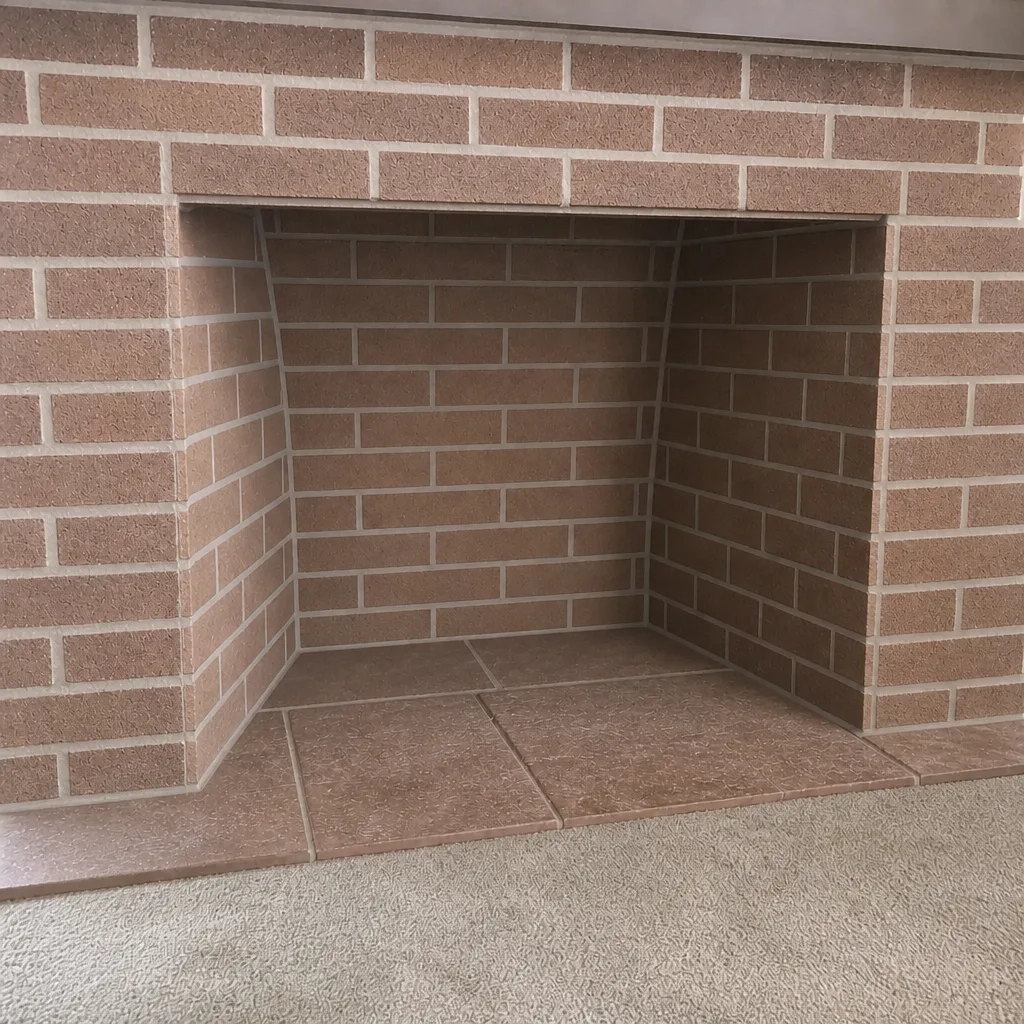
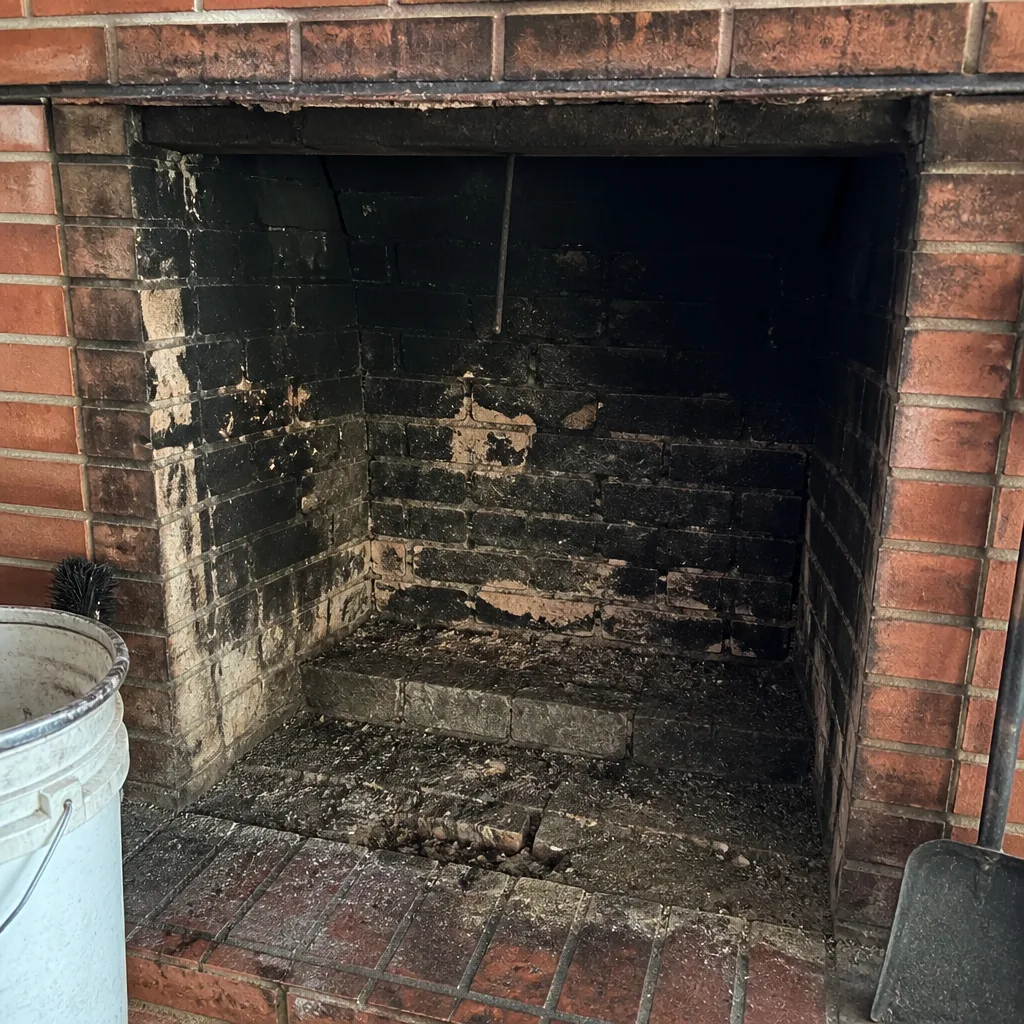
See the difference
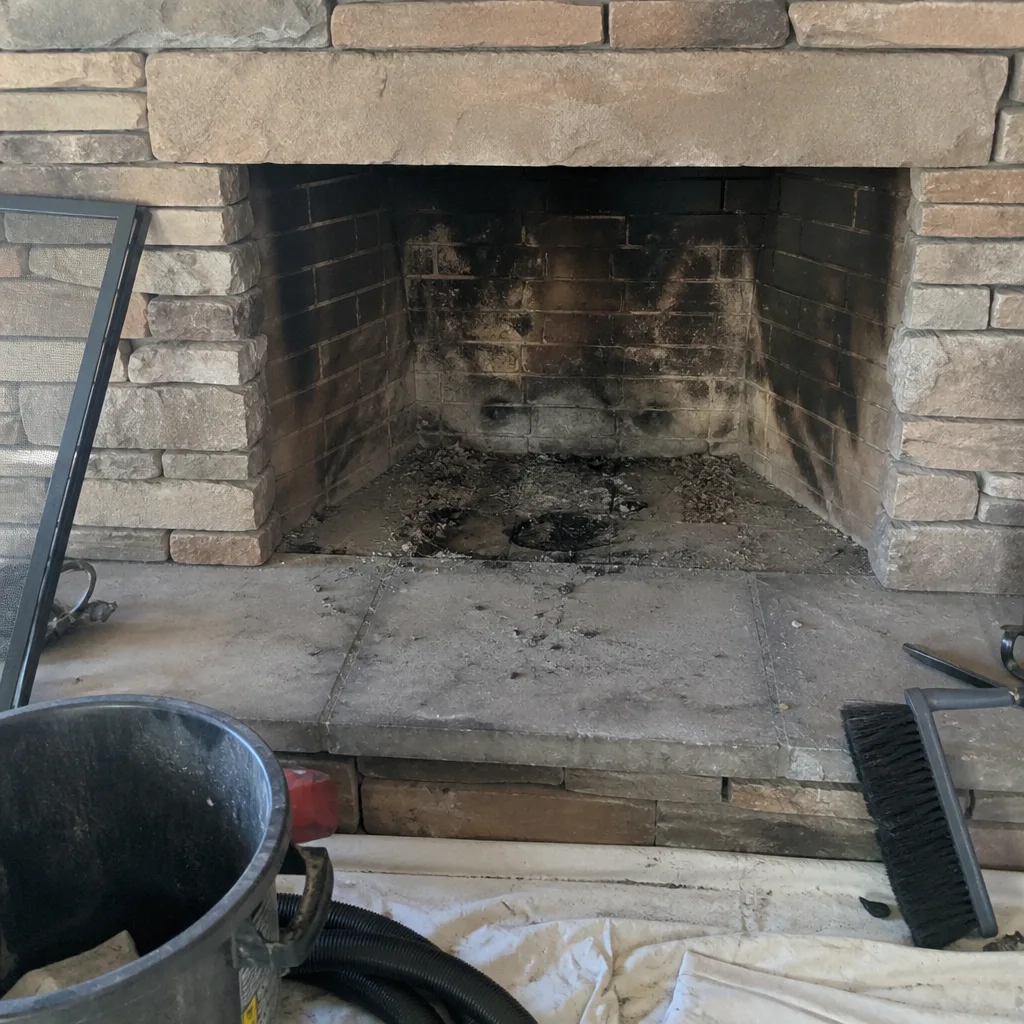 Before
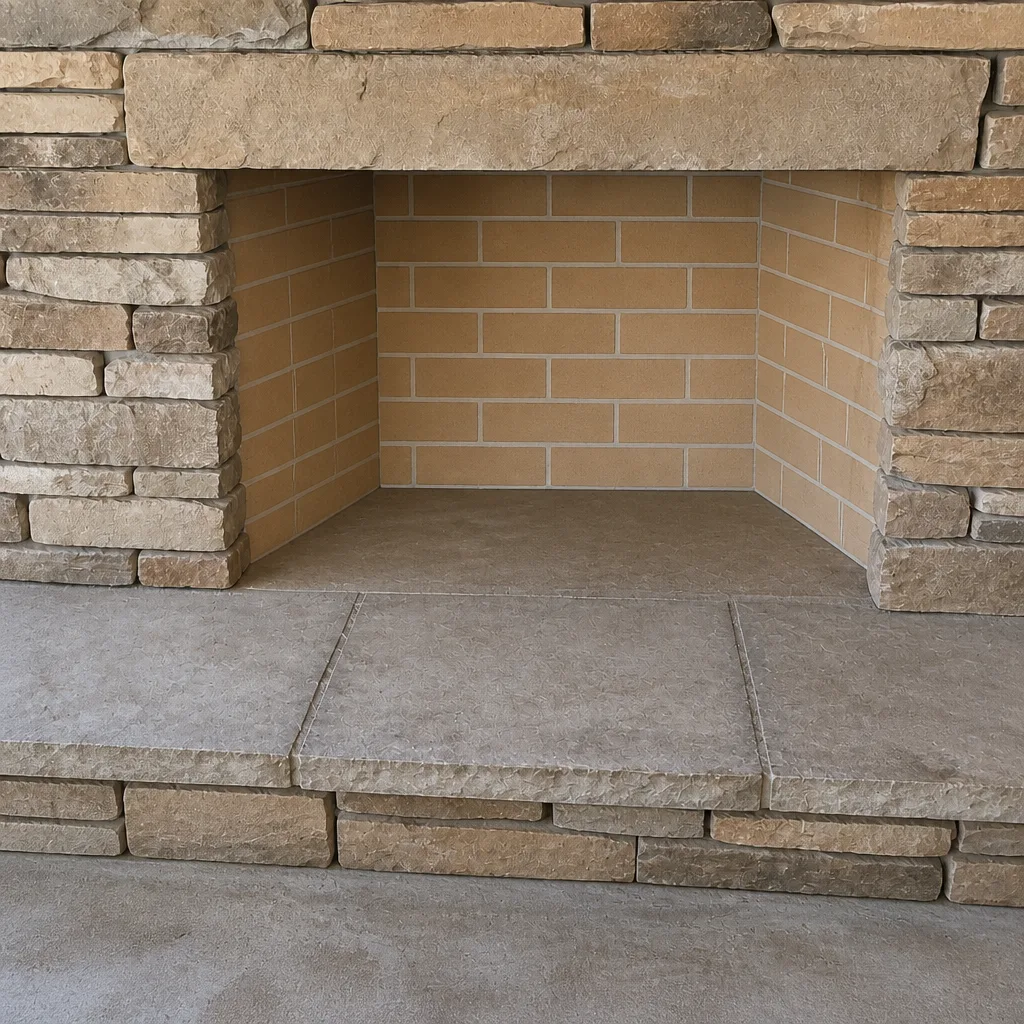 After
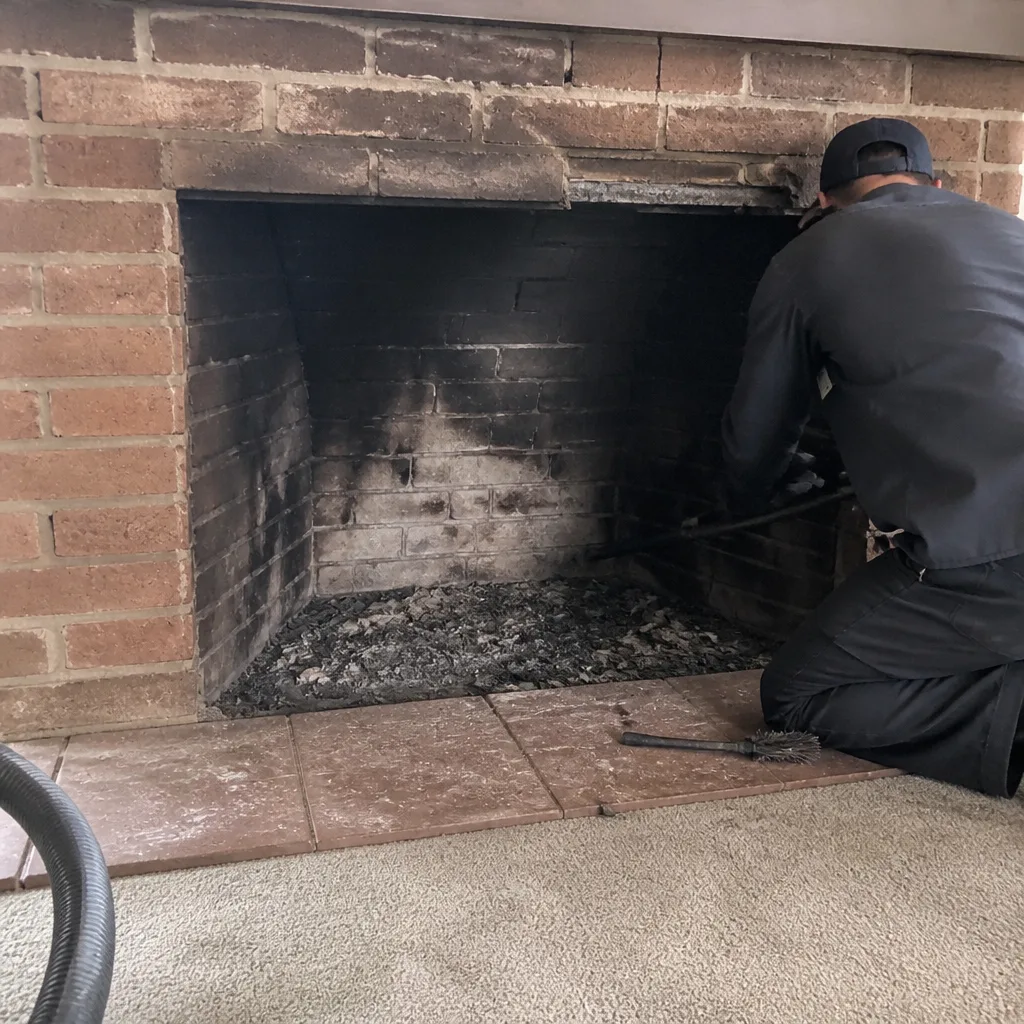 Before
 After
 Before
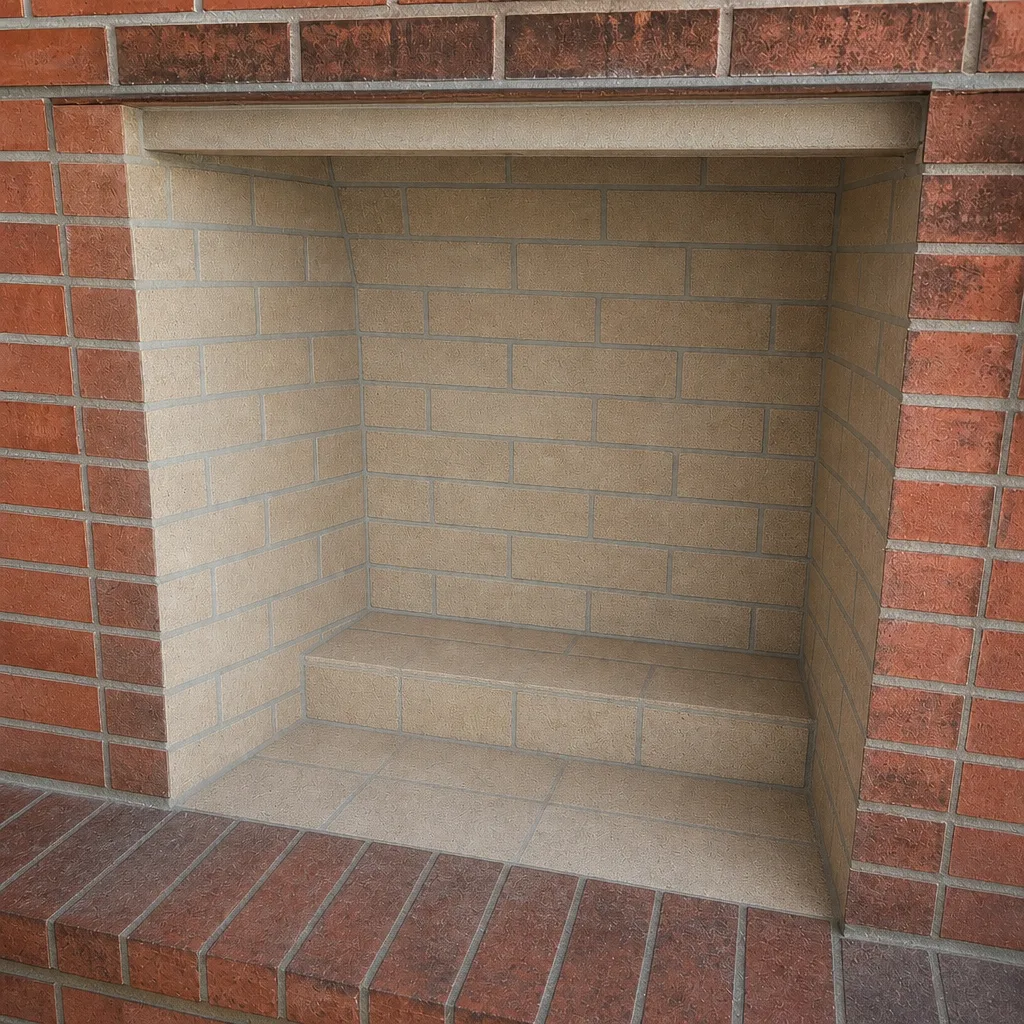 After
When to Call a Professional
Some chimney jobs are a matter of routine maintenance, and others are a clear call for a professional. Schedule a sweep if you’ve burned through even a partial season and haven’t had the chimney cleaned. If you’ve moved into a home with a fireplace you’ve never had inspected, that’s a professional visit before the first fire. If you notice smoke rolling back into the room, a strong smoky smell even when there’s no fire, or a fire that’s difficult to light, stop using the fireplace and call. A firebox with visible cracks, a damper that won’t move, or a cap that’s loose or missing all warrant a look. And after any chimney fire, even a small one, get an inspection before using the chimney again. Chimney Sweep Avondale offers free estimates in Avondale, call (833) 906-6774.
Frequently Asked Questions
Once a year is the standard recommendation, even with a short burning season. Avondale’s concentrated use pattern and dry-season dust buildup both contribute to creosote and debris, so an annual sweep with an inspection keeps the system in good shape. Call (833) 906-6774 to schedule an estimate.
Yes. Short, intense burning can produce creosote faster than gradual daily use, and desert dust and monsoon debris settle in an idle flue. A few burns plus a season of sitting is more than enough to build up deposits worth removing. An annual visit catches it before it becomes a bigger problem.
Cleaning removes soot, creosote, and debris from the flue, firebox, and smoke chamber. Inspection evaluates the condition of the whole system, including the liner, cap, and damper, and documents what was found. A thorough visit does both, because you can’t inspect a dirty flue and you shouldn’t clean one without checking it first.
Level 2 is recommended when the system has changed or is about to. That includes buying or selling the home, installing a new appliance, relining, or recovering from a chimney fire or severe weather. It includes a video scan of the flue so the sweep can see inside the liner. If a Level 1 turned up something worth a closer look, you may hear the same recommendation.
It depends on what’s actually wrong. Minor cracks and surface damage can sometimes be repaired with ceramic resurfacing, which restores the liner without the cost of full replacement. More extensive or non-standard flue damage may need a flexible liner system. The right answer comes from the inspection, and you should see the evidence before deciding.
Yes. An idle chimney often needs more attention, not less, because dust, debris, and nesting animals can block the flue. A sweep that includes an inspection is the right starting point, especially if the cap was damaged or missing at any point. Expect a more involved cleaning than a recently used chimney.
The Bottom Line
Chimney cleaning in Avondale isn’t just a brush-out. Short, intense burning seasons build creosote faster than the gradual accumulation national guides describe, and desert dust, monsoon debris, and nesting wildlife add hazards that don’t show up in colder climates. A real sweep inspects before and after, documents what was found, and hands you a report you can actually read. Once a year is the standard, and it’s the safest habit. When something turns up, the company that inspected is the company that repairs, and options like ceramic resurfacing can fix a problem without replacing a whole liner. Call (833) 906-6774 for a free estimate. We answer 24/7. Fast dispatch from 7am to 7pm, Sunday through Friday.
Written by the team at Chimney Sweep Avondale.