
Last updated November 16, 2026
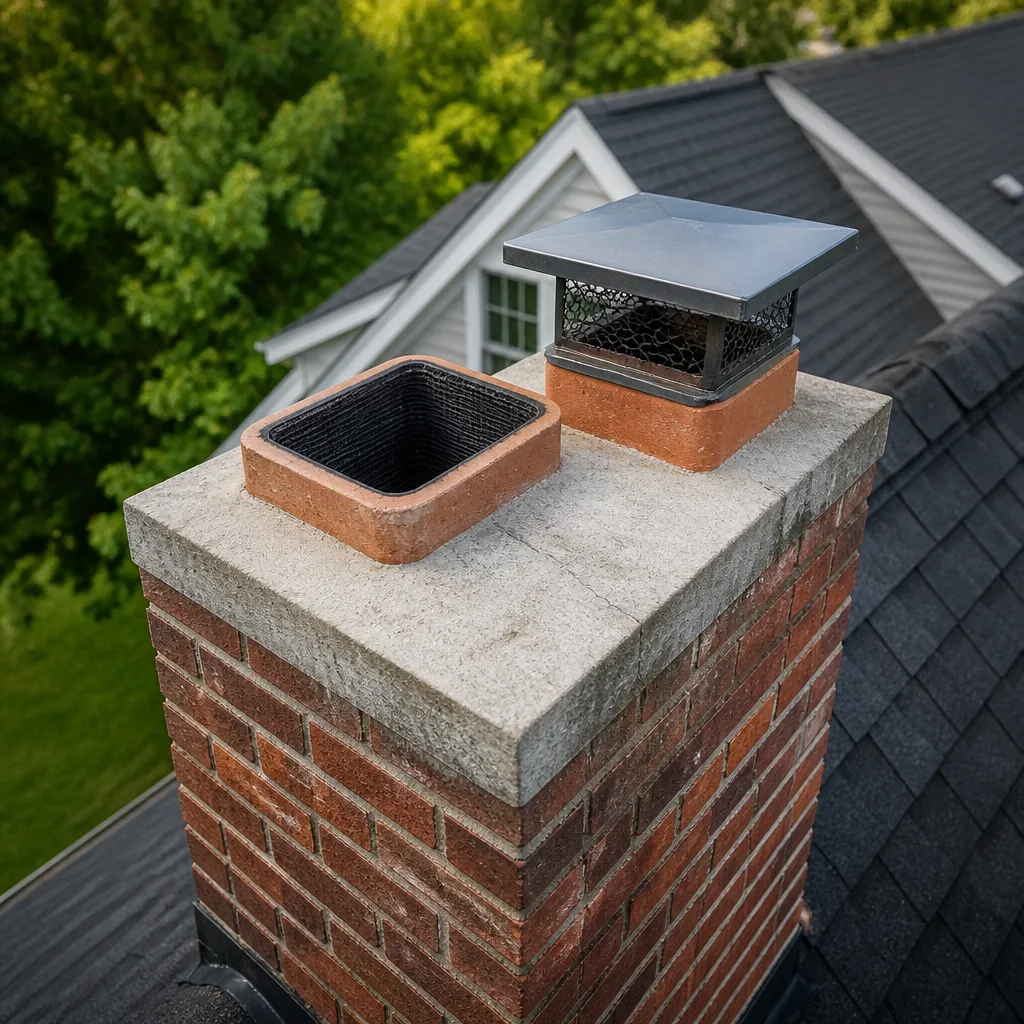 Sweep & inspection
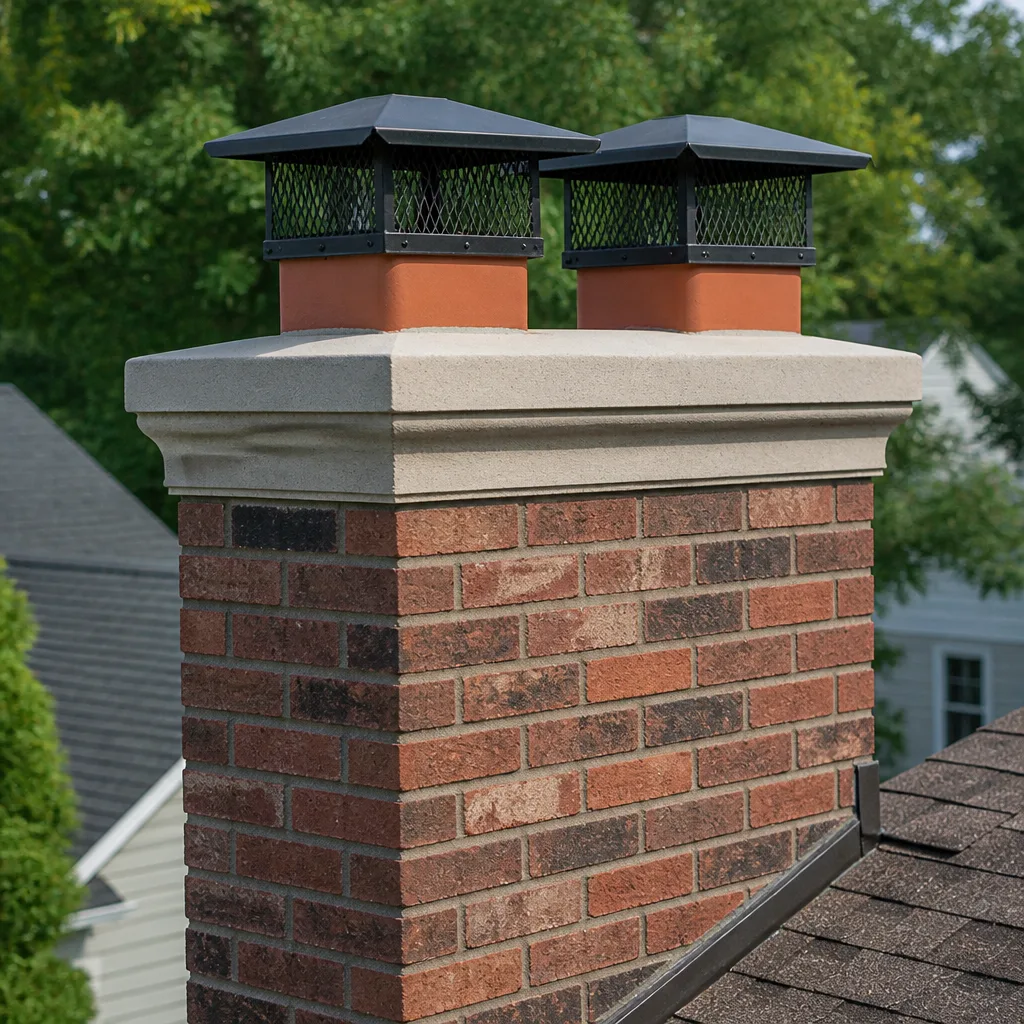 Caps & crowns
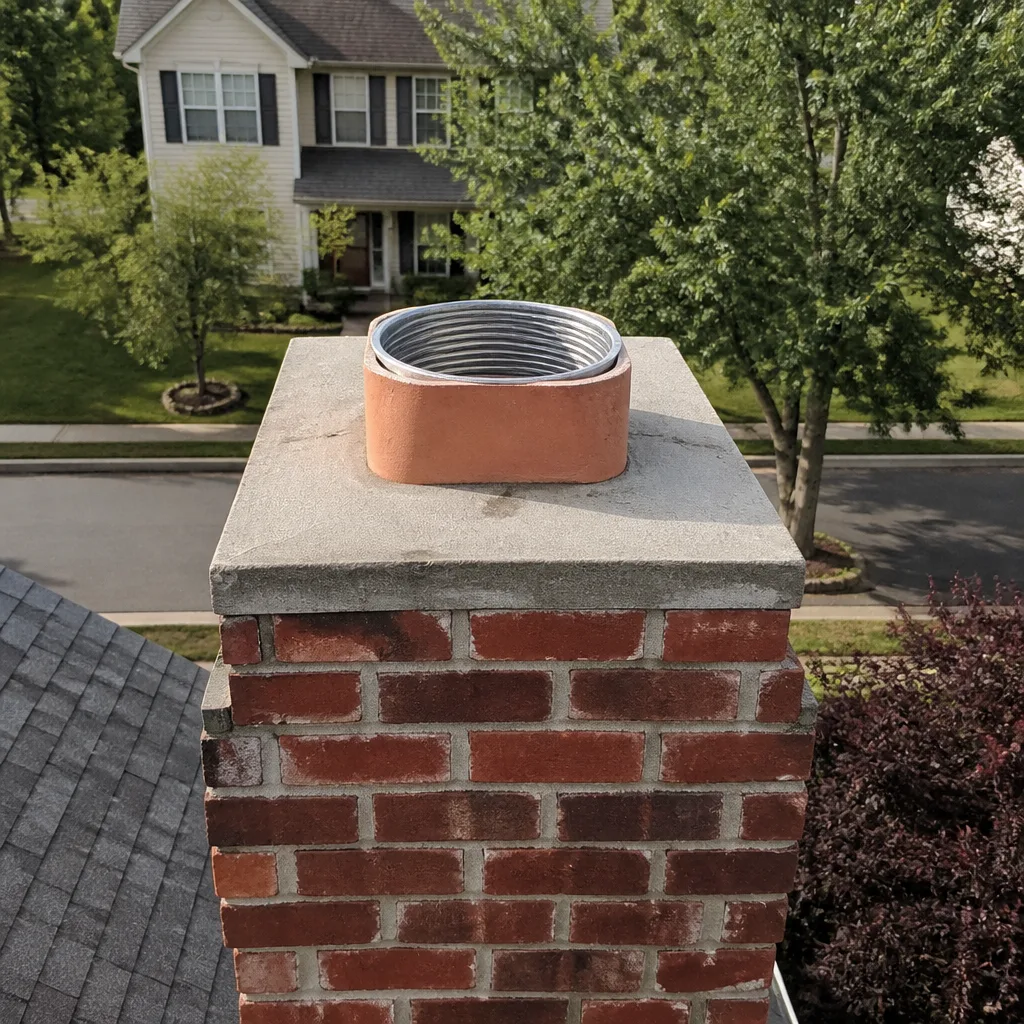 Flue relining
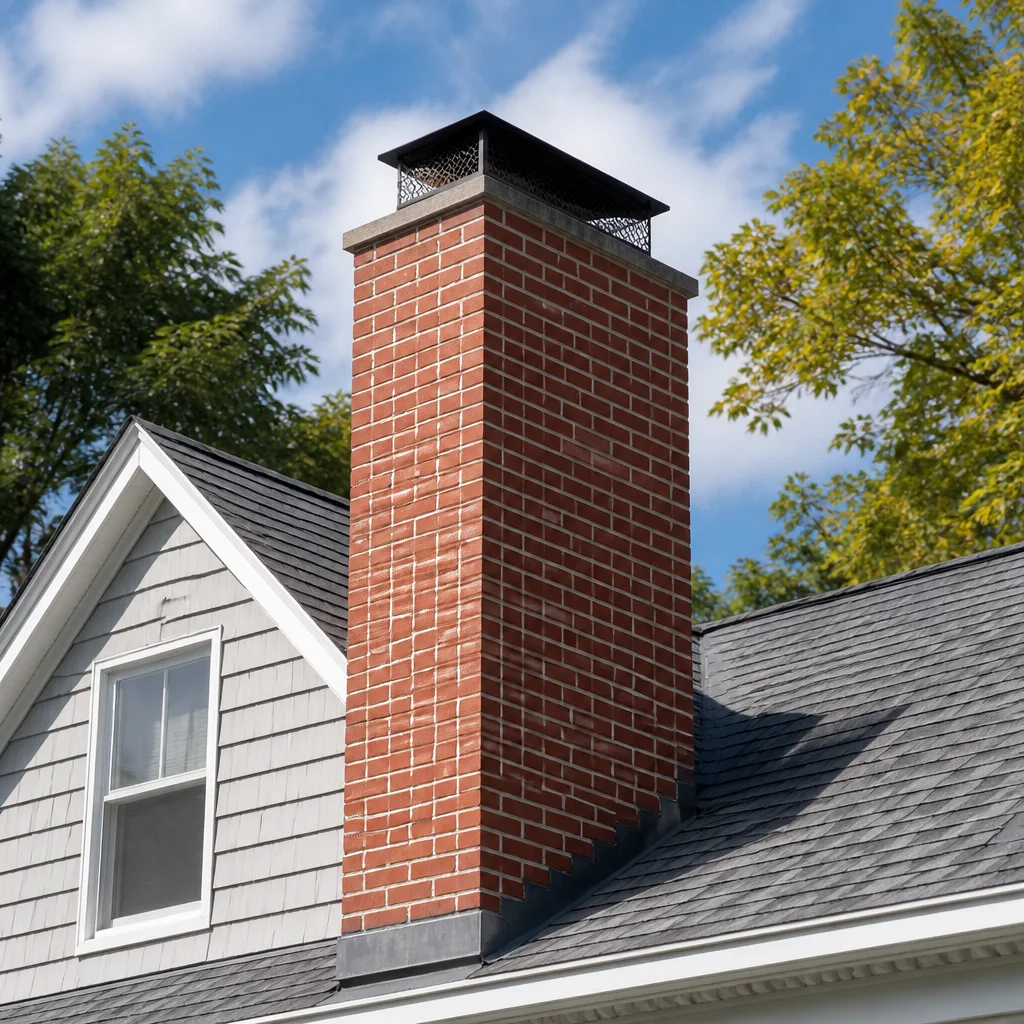 Masonry repair
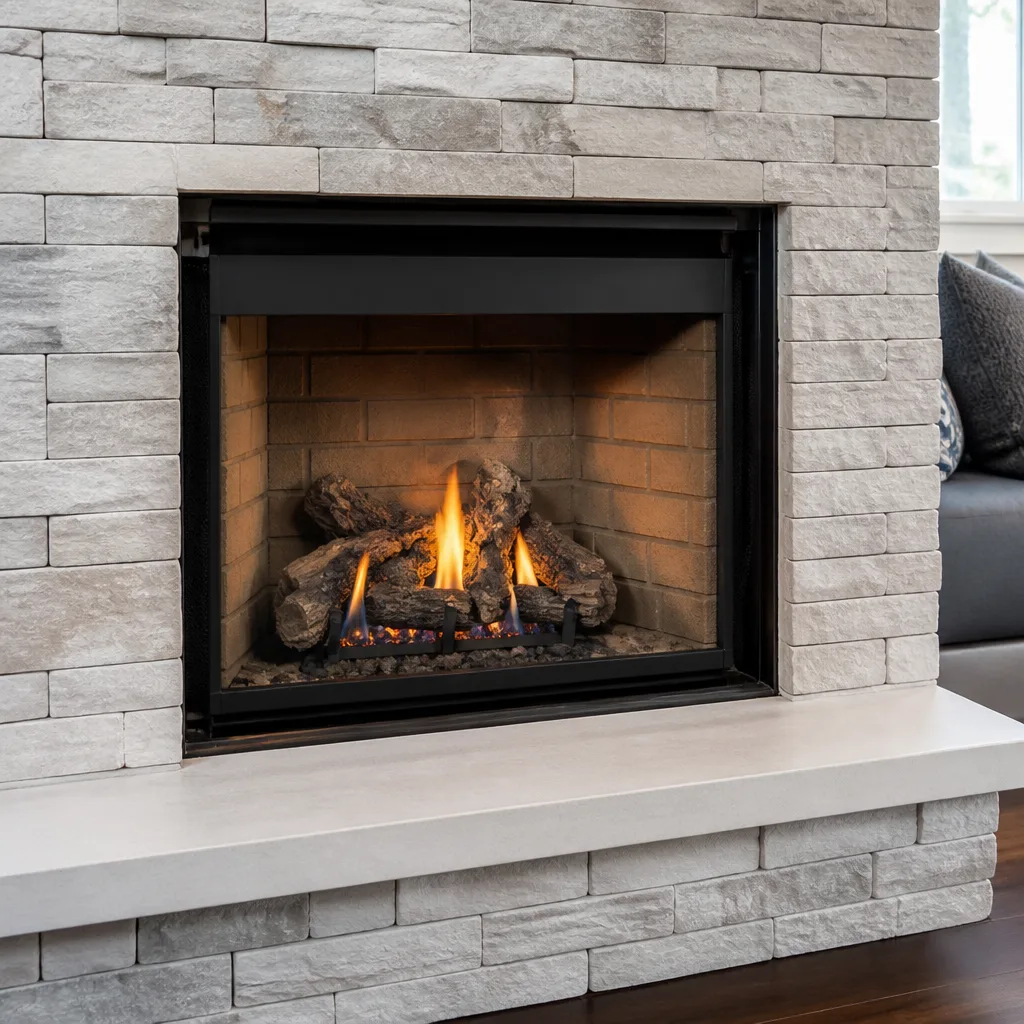 Gas fireplace service
Level 1 sweep and inspection to the NFPA 211 annual standard - flue, crown, cap, and flashing checked and photographed
Chimney sweep logs do not sweep chimneys. They loosen some creosote - which then falls where a brush and vacuum still have to collect it.
DIY vs Professional Chimney Cleaning: The Avondale Homeowner’s Decision Guide
You can buy a chimney brush kit at a big-box store for about $60, and the box promises a clean flue. What the packaging doesn’t tell you is that the brush only touches the flue walls. It tells you nothing about liner cracks, crumbling mortar joints, or a stage 2 creosote glaze that a look up from the firebox will never reveal. We’re not here to talk you out of picking up a brush if that’s the right call. We’re here to show you exactly what DIY brushing can and can’t do, so you make the call in Avondale with real information instead of a sales pitch.
Quick Answer
DIY chimney brushing can remove loose soot and light creosote from an easy-to-reach flue, which makes it a legitimate interim step in a few narrow situations. It cannot assess liner integrity, classify creosote properly, or clear glazed stage 3 buildup, and those are the three things that actually decide whether your chimney is safe to burn. For most Avondale homes, a professional inspection and sweep is the only way to know what condition the flue is really in.
Styles & brands we work with
- Sweep & inspection
- Caps & crowns
- Flue relining
- Masonry repair
- Gas fireplace service
Table of Contents
- What DIY Chimney Brushing Actually Accomplishes
- The Two Things Only a Professional Can Assess
- The Real Cost of DIY Done Wrong in Avondale
- Equipment Reality Check: Consumer Kits vs Professional Tools
- A Decision Framework: When DIY Works and When It Doesn’t
- What a Professional Sweep Actually Involves
- Creosote in an Avondale Climate
- Repair vs Replace: Where HeatShield Fits In
What DIY Chimney Brushing Actually Accomplishes
A brush and rod set removes what’s sitting loose on the flue walls: soot, ash, and the powdery first stage of creosote. That’s a real job, and on a flue that was swept recently and burned cleanly, a homeowner working from the top down can knock that material free. It’s honest work. It just isn’t the whole job.
Here’s the part the packaging skips. Creosote doesn’t stay powdery. As it builds up, it moves into stage 2 (a flaky, brittle layer that clings harder) and then stage 3, a hardened glaze that bonds to the flue wall. A consumer brush tends to skate over stage 3 rather than cut it. Worse, it can polish the glaze to a slick finish that actually looks cleaner from the bottom while leaving the most flammable layer fully in place. That’s the failure mode we see most often when a homeowner calls us after a DIY attempt.
DIY brushing is also blind. You can’t see the flue interior from the firebox, and you can’t see the crown, the top of the flue, or the smoke chamber from the ground. So a brush-and-rod session cleans what you can reach and leaves everything else untouched and unreported.
There are legitimate situations where brushing yourself is a reasonable interim step:
- The chimney was professionally inspected within the last year and cleared.
- You’re burning dry, seasoned wood and have noticed only light soot.
- You want to knock loose material down before a pro visit to keep the mess down.
- You’re using the fireplace lightly and the flue is easy to access from the roof.
- The chimney has a straight run with no offsets and a simple cap you can remove safely.
Outside those cases, brushing alone gives you the feeling of maintenance without the assurance. If you want the assurance, it’s worth booking a proper chimney sweep instead of guessing.
The Two Things Only a Professional Can Assess
Liner integrity and creosote classification are the two halves of the safety picture, and neither can be judged by eye from below. They matter more than the surface soot a brush removes, because a clean-looking flue with a cracked liner is still a hazard.
Liner integrity
Your flue liner is the wall between combustion gases and the framing and masonry around it. Clay tile liners crack from heat cycling. Metal liners corrode or separate at seams. Either problem lets carbon monoxide and heat escape into the structure. A trained technician inspects the liner with a camera and light, checking for cracks, gaps, spalling, and offset joints. You can’t do that with a flashlight from the bottom of a firebox. In our experience across Avondale, a surprising number of “just needs a sweep” calls turn into liner findings once the camera goes up.
Creosote classification
Creosote is graded by stage, and the stage determines both the cleaning method and the fire risk:
- Stage 1: powdery soot. Brushable. Low risk.
- Stage 2: flaky, brittle deposit that clings to the walls. Brushable with the right tools, but easy to leave behind in a DIY attempt.
- Stage 3: glazed, hardened, tar-like. This is the fuel for a chimney fire. It requires rotary equipment to remove safely.
Classifying the stage correctly is what tells you whether your chimney is safe to use tonight. A swept flue with hidden stage 3 glaze is a flue waiting for a hot ember. That’s why we inspect first and recommend second, and why we show you the camera footage before we recommend anything.
The Real Cost of DIY Done Wrong in Avondale
The brush costs $60. The failure it misses costs far more. When a homeowner brushes a flue and calls it done, the risks that don’t get caught fall into three buckets.
Chimney fires
A chimney fire feeds on creosote. If stage 2 or stage 3 buildup stays on the walls after a DIY brush, the next hot fire can ignite it. A slow-burning chimney fire can go unnoticed for a while; a fast one can damage the liner and spread into the structure. This isn’t a scare tactic, it’s the reason sweeps exist. Creosote fires are preventable with proper cleaning, and the cleaning has to reach the layer that actually burns.
Carbon monoxide risk
A cracked or blocked flue can push combustion gases back into the living space instead of up and out. CO is odorless, and you don’t get a warning. A liner assessment catches the cracks and blockages a brush can’t. This matters as much for a gas fireplace insert as for wood; both rely on a sound flue.
The repair bill
Skipping annual inspections means small problems become big ones. A hairline crack or a loose mortar joint is cheap to address when caught early. Left alone, it lets moisture and heat do their work, and the eventual repair climbs toward a full reline. The inspection that would have caught it costs far less than the damage it prevents. We can’t quote you a worst-case number here because it varies by chimney, but the pattern is consistent: early diagnosis is the cheaper route every time.
Equipment Reality Check: Consumer Kits vs Professional Tools
The gap between a big-box brush kit and a professional setup isn’t marketing. It’s what each one can actually do inside a flue. A consumer kit is a brush on flexible rods. A professional rig is a system built to clean, contain, and document the work.
- Rotary cleaning systems: powered spinning heads that cut through glazed stage 2 and stage 3 creosote instead of skating over it. These reach the layers a hand brush misses.
- Camera inspection: video that goes up the flue and shows the liner, joints, and smoke chamber in detail, with footage you can see for yourself.
- Vacuum containment: a HEPA setup sealed to the firebox so dust and soot stay out of your living room. DIY brushing in an open room tends to leave a fine layer of soot on everything, because there’s no negative pressure keeping it contained.
- The right brush for the flue: metal, poly, and other brush types sized to the flue material and shape. Using the wrong one can scratch a metal liner or damage clay tile. Professional kits keep the right tools on hand for the flue in front of them.
- Photo report: documentation of the condition found, before and after, so you own a record of what was found and what was done.
For the inspection and repair side, we work with brands our trade recognizes. DuraFlex flexible liner systems solve complex or aging flue shapes where rigid liner won’t fit cleanly. HeatShield ceramic resurfacing repairs a damaged clay liner without a full replacement. Famco and Copperfield parts support cap, damper, and draft repairs with manufacturer-specified components. That supplier depth is why a chimney repair recommendation can match the actual problem instead of the only part on a shelf.
A Decision Framework: When DIY Works and When It Doesn’t
Use this as a checklist, not a blanket rule. Walk it honestly against your own chimney and you’ll have your answer. If any of the “call a pro” conditions applies, that overrides everything else.
- Was the chimney professionally inspected in the last 12 months? If yes and it was cleared, DIY brushing is a reasonable interim step. If no, book the inspection first.
- Do you know what stage of creosote is in the flue? If you can’t name the stage, you can’t safely skip the pro.
- Can you safely access the roof and remove the cap? If the roof pitch, height, or cap makes it unsafe, don’t climb. Period.
- Is the flue straight and simple, or does it have offsets and a smoke chamber? Complex runs need rotary tools and camera inspection to clean and verify.
- Do you burn dry, seasoned wood only? Wet or “green” wood builds creosote faster. If your wood isn’t dry, the flue needs closer attention.
- Have you ever had a chimney fire, or noticed a strong creosote smell? Either is a stop-and-call situation, not a brush-it-yourself situation.
- Is there any sign of liner damage, water staining, or mortar crumbs on the smoke shelf? Those are inspection findings, not cleaning tasks.
If you can answer “yes” to the pro-inspection question and “no” to every risk flag, DIY brushing between professional visits is fine. If any flag trips, call us instead of grabbing the brush.
What a Professional Sweep Actually Involves
A proper sweep in Avondale is more than a brush up the flue. It’s a sequence that sweeps, inspects, and documents, in that order, so nothing gets cleaned twice and nothing gets missed.
- Set up: drop cloths and a sealed vacuum at the firebox to contain dust.
- Sweep: the right brush for the flue, with rotary cleaning for glazed deposits.
- Camera inspection: a look at the liner, joints, smoke chamber, crown, and cap.
- Classification: report the creosote stage and any findings in plain terms.
- Photo report: before-and-after images so you can see what we saw.
- Recommendation: what needs attention now, what can wait, and why.
We do inspection and repair under one roof, so the team that finds the problem is the team that fixes it. There’s no handoff to a separate contractor who has to be re-told the whole story. That matters for older Avondale homes where the flue may have been modified over the years, and it’s why a lot of our customers in Avondale use us for the full arc: sweep, inspection, and any repair the inspection calls for. Our technicians have up to experience, and we work exclusively with recognizable industry brands so material sourcing isn’t guesswork.
Creosote in an Avondale Climate
Avondale’s winters are mild, and that changes how creosote forms. Many households burn fires mainly on cool winter evenings, and those short, low-heat burns are actually a creosote factory. A fire that never gets hot enough to burn cleanly leaves more unburned material on the flue walls than a steady, hot-burning fire would. In a mild climate, intermittent burning is the norm, so creosote can build on a schedule people don’t expect.
Add the wood question. A lot of firewood sold around the West Valley hasn’t been seasoned long enough. Wet or “green” wood throws moisture into the flue, which cools the smoke and helps creosote condense on the walls. The difference between a well-seasoned cord and a fresh one is one of the most common reasons a flue builds up faster than the homeowner anticipates.
So the climate math in Avondale looks like this: mild winters, short and cooler fires, and mixed wood supply mean a once-a-year inspection is the safe assumption, not an occasional luxury. If you burn frequently or burn wood you’re not sure about, don’t stretch the interval. If you want a professional assessment, our technicians have seen the pattern across Avondale homes many times over, and a Chimney Sweep Avondale visit will tell you what stage your flue is actually at.
Repair vs Replace: Where HeatShield Fits In
When a liner is damaged, the two usual options are relining and replacement. There’s a middle path that saves real money when it fits. HeatShield ceramic resurfacing is an industry-recognized repair system that restores a damaged clay liner from the inside without a full reline. It’s a strong option when the liner is cracked but the structure is sound.
Where HeatShield fits best:
- Clay tile liners with cracks or gaps but no missing sections.
- Joints that have opened but the surrounding masonry is intact.
- A liner you want to keep instead of demolishing and rebuilding.
Where it doesn’t: a liner that’s collapsed, badly offset, or so far gone that a full reline with a flexible system like DuraFlex is the right answer. The only honest way to know which applies is the camera inspection. We don’t recommend a full reline when a repair will do, and we don’t recommend a repair when the structure can’t support it. Either way, you see the footage before you decide.
For Avondale homeowners dealing with a lining question, the goal is the same: the least invasive fix that makes the chimney safe. If you’ve been told you need a full reline, get a second look at the liner before committing. That’s the question worth asking now. And if you’re not sure where your chimney stands, call and book an inspection rather than guessing from the firebox.
Common Mistakes to Avoid
- Brushing from the bottom only. The smoke chamber and smoke shelf collect creosote that a bottom-up brush never reaches. Those are among the first places a trained eye checks.
- Assuming a clean-looking firebox means a clean flue. The flue interior is invisible from the bottom. A clean-looking firebox can hide glazed stage 2 or stage 3 deposits above it.
- Using the wrong brush on the liner. Metal brushes on soft metal liners or oversize brushes on clay tile can do more harm than good. Match the tool to the flue, or let a professional do it.
- Burning wet wood to save a few dollars. In Avondale’s mild, intermittent burning pattern, green wood pushes creosote buildup faster than most people realize. Seasoned wood is a cheaper maintenance plan than an early reline.
- Skipping the inspection because the sweep looked fine. A sweep cleans; an inspection tells you what condition the liner is in. They’re different jobs, and the inspection is the one that decides safety.
- DIY-brushing a chimney with a known fire history. A past chimney fire likely damaged the liner. That’s an inspection finding, not a brushing job, and brushing it can hide the evidence.
- Assuming a mild Avondale winter means annual service is optional. Short, low-heat fires are a creosote pattern, not a low-risk one. Once a year is the safe baseline.
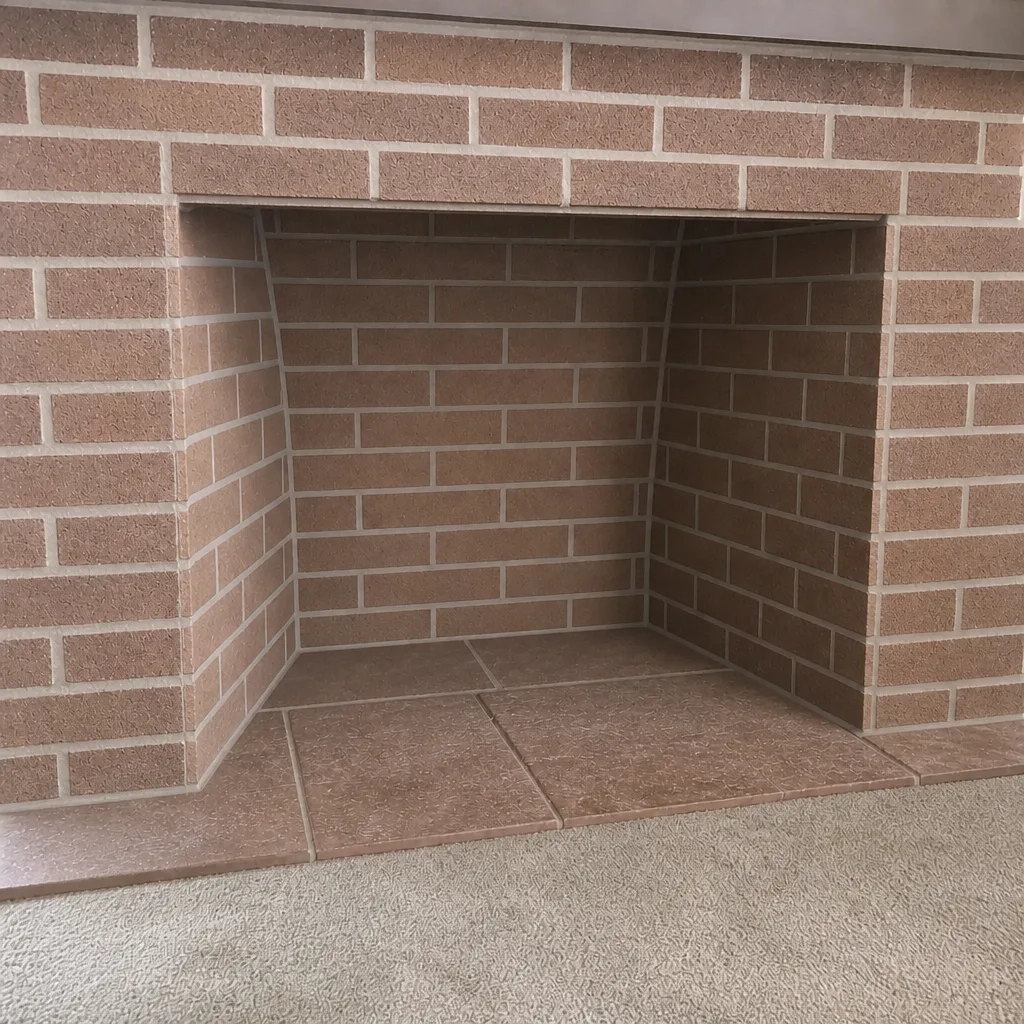
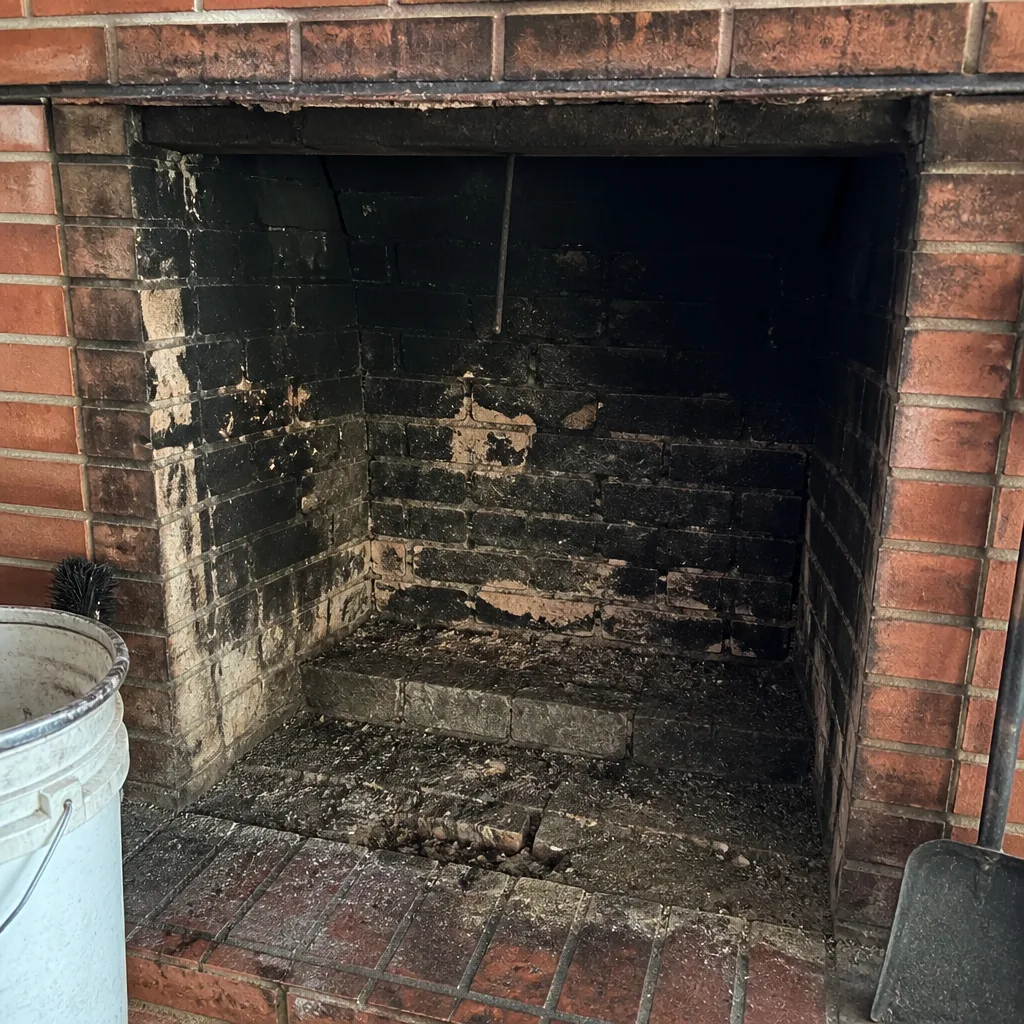
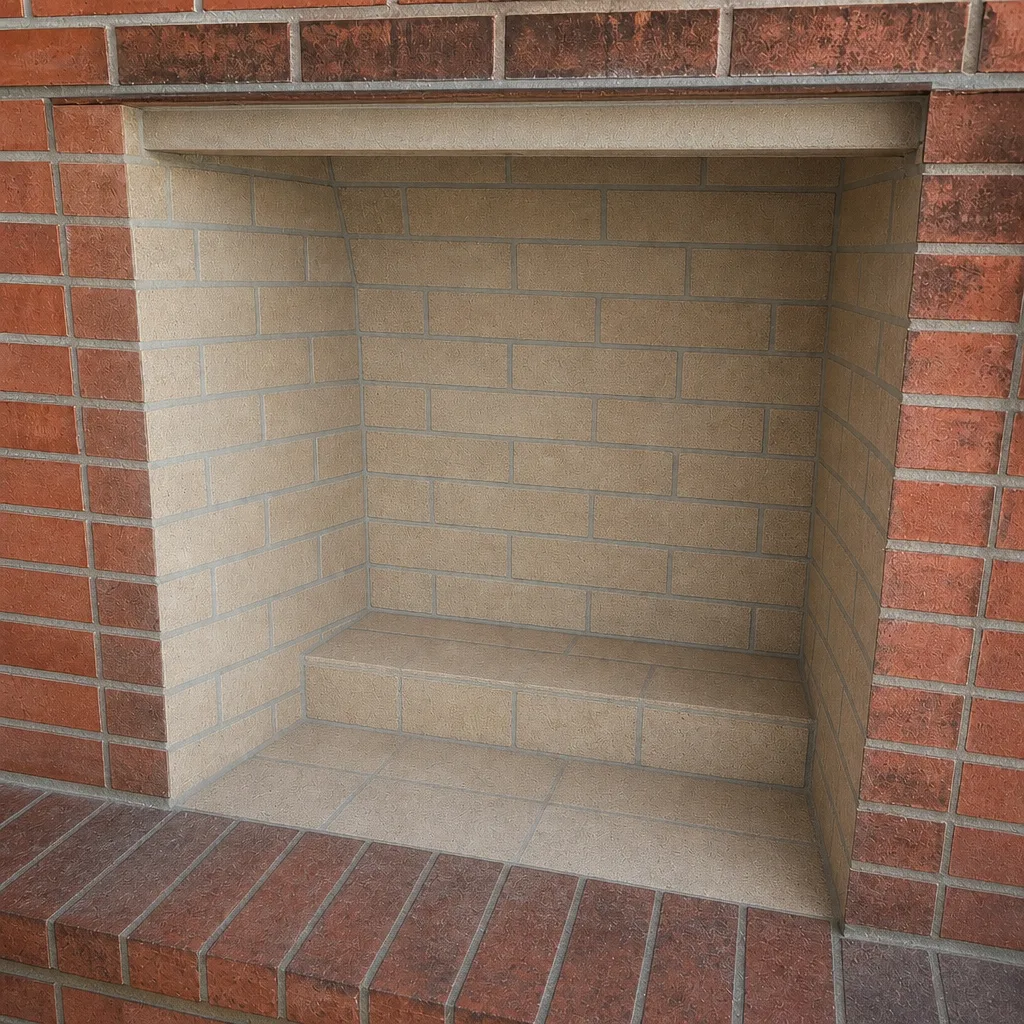
See the difference
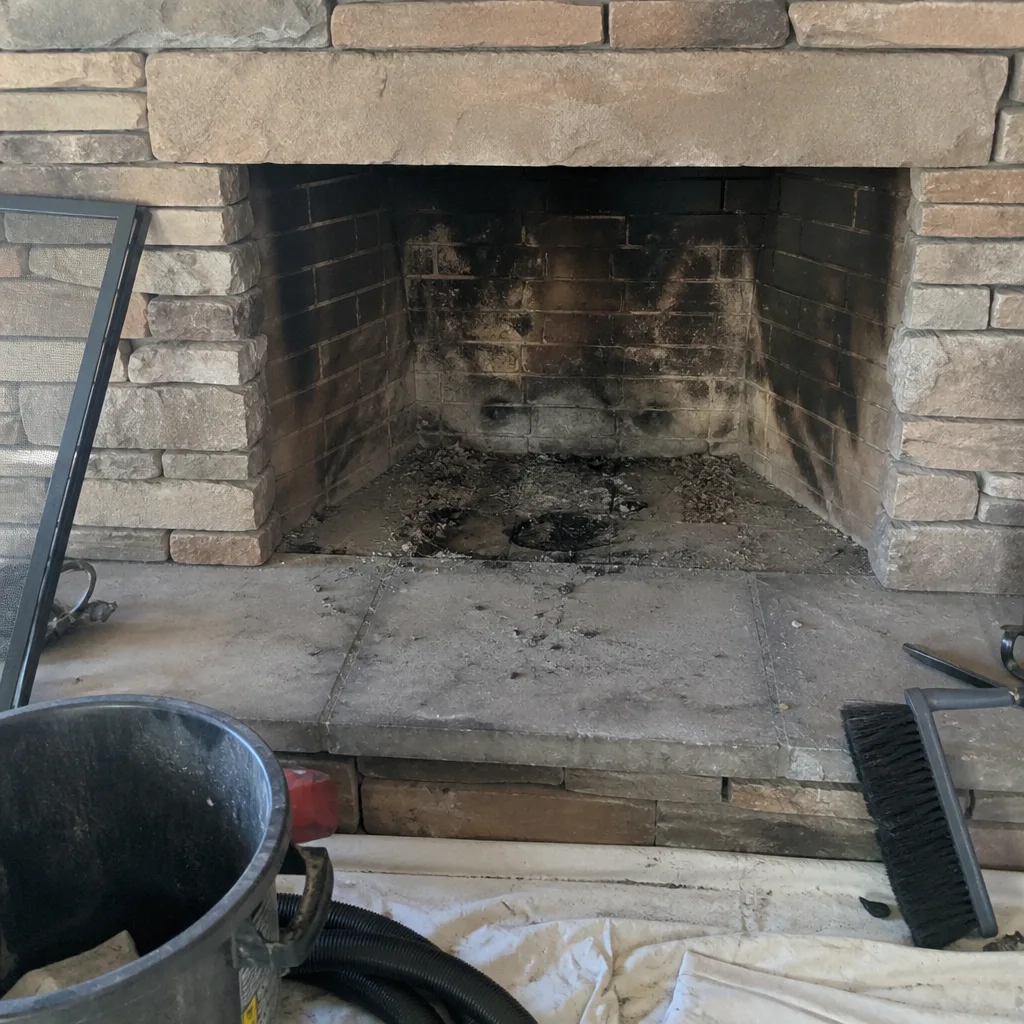 Before
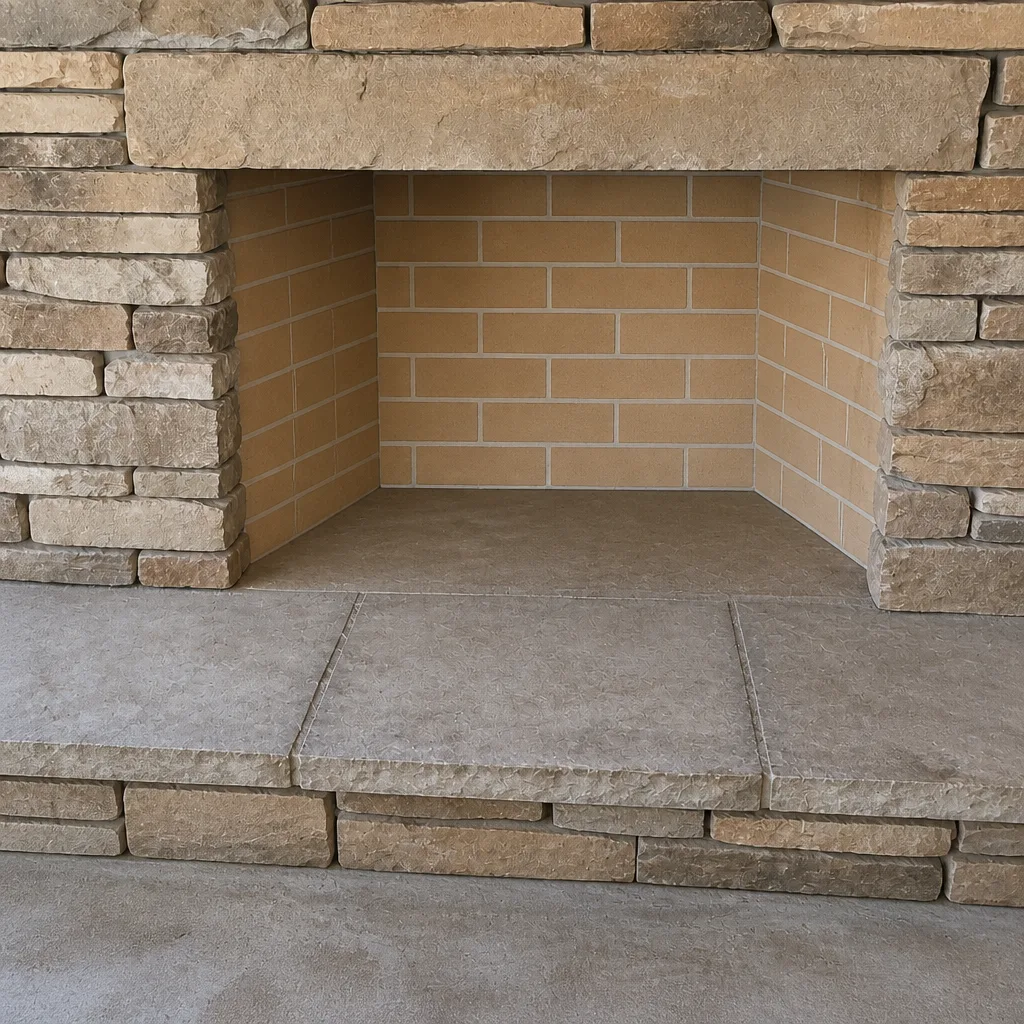 After
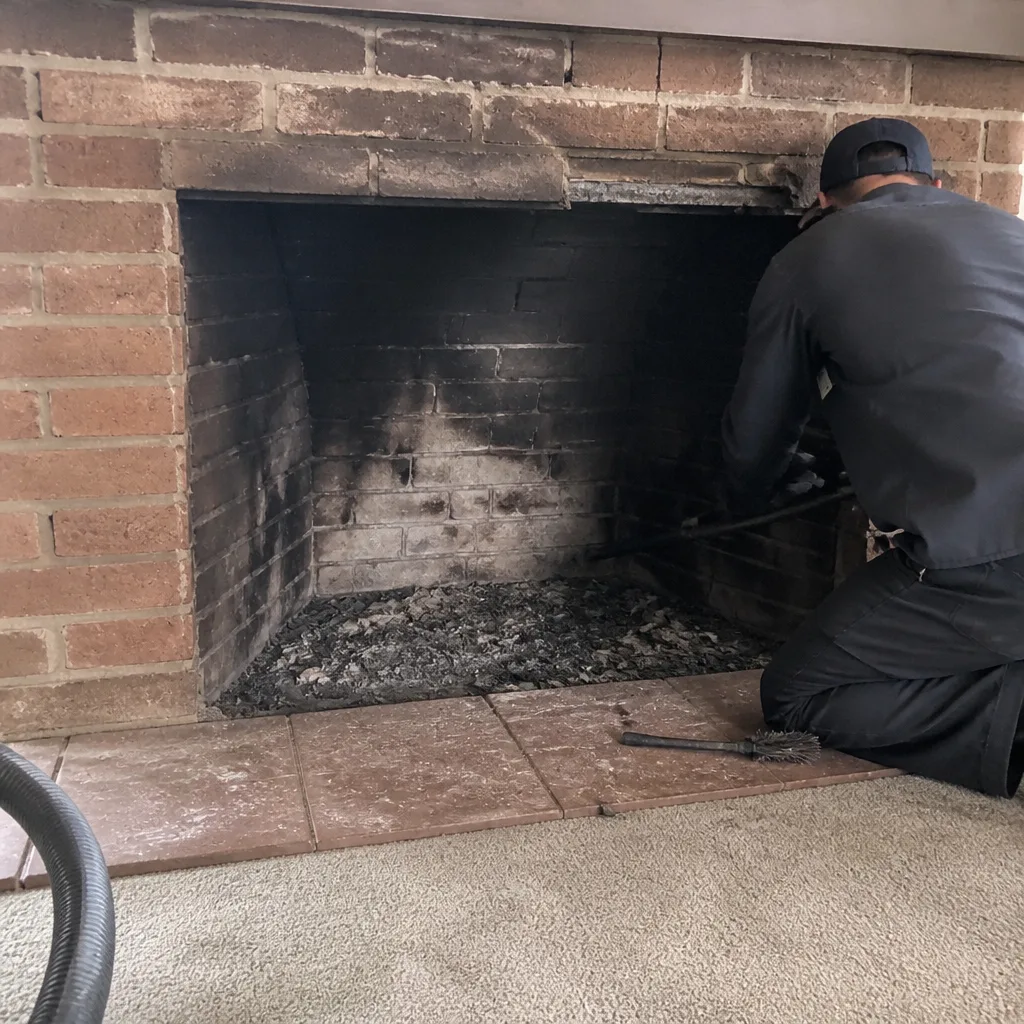 Before
 After
 Before
 After
When to Call a Professional
Call a professional the moment any of these apply: you don’t know when the chimney was last inspected, you’ve had a chimney fire, you smell creosote or see soot falling back into the firebox, you notice water staining or mortar crumbs on the smoke shelf, or you’re not sure what stage the creosote is at. Also call if you can’t safely access the roof or the flue is complex. None of those are DIY decisions, because they’re diagnostic questions a brush can’t answer. In Avondale, Chimney Sweep Avondale offers free estimates on both cleaning and any repair a sweep uncovers. Call (833) 906-6774. We answer 24/7. Fast dispatch from 7am to 7pm, Sunday through Friday. We’re closed Saturday.
Frequently Asked Questions
You can brush a chimney that was professionally inspected and cleared in the last year, and it’s a reasonable interim step when the flue is simple and burns dry wood. You can’t skip the professional inspection that tells you the liner is sound and the creosote stage is safe, because those two things decide whether the chimney is safe to burn at all. Call (833) 906-6774 if you’re not sure which category you’re in; estimates are free.
Stage 2 creosote is flaky and brittle and clings to the flue walls; stage 3 is hardened and glazed and is the fuel for chimney fires. A hand brush can move some stage 2 but tends to skate over stage 3, which is why glazed buildup needs rotary equipment. If you’ve been brushing and the flue still looks dark and shiny, that’s stage 3, and it needs a professional removal.
Plan on an annual inspection and sweep. Avondale’s mild winters tend to produce short, low-heat burns, and those fires leave more creosote behind than a steady hot fire would. If you burn heavily or use wood you’re not sure is seasoned, don’t stretch the interval. Book when the burning season winds down so you’re ready for the next one; a call to (833) 906-6774 gets it on the schedule.
Yes, and that’s the risk the brush packaging never mentions. The wrong brush on the wrong liner material can scratch or gouge, and a hand brush can’t cut glazed creosote, so it’s easy to think the job is done when the most dangerous layer is still there. A professional knows which brush matches your flue and can see the result on camera.
If the clay liner is cracked or the joints have opened but the structure is sound, HeatShield ceramic resurfacing can often repair it without a full reline. If the liner is collapsed or badly offset, a flexible DuraFlex reline may be the right answer. The only honest way to know is a camera inspection, and we show you the footage before recommending either.
The creosote layer keeps building, the stage climbs, and the fire risk grows with it. A cracked liner that would have been caught early can turn into a carbon monoxide path into the house, and a small repair can grow into a full reline. A sweep is not about avoiding a dirty chimney; it’s about catching the conditions that cause chimney fires and CO leaks. Call (833) 906-6774 for an inspection you can trust; estimates are free.
The Bottom Line
DIY brushing has a real place, and it’s a narrow one: a flue that was recently inspected and cleared, simple and easy to access, burned with seasoned wood. Outside that window, the brush cleans the soot and leaves the two things that actually matter, liner condition and creosote stage, completely unknown. In Avondale’s mild, intermittent burning pattern, unknown is the wrong place to be every winter. Book the inspection, look at the camera footage, and let the evidence drive what you do next. Then brush between visits if you want, knowing the flue itself is sound.
If you’re ready to know what’s actually in your chimney, call Chimney Sweep Avondale at (833) 906-6774 for a free estimate. We answer 24/7. Fast dispatch from 7am to 7pm, Sunday through Friday. From homeowners in Avondale to the whole West Valley, our Avondale team handles the sweep, the inspection, and any repair the inspection finds, so the crew that finds the problem is the crew that fixes it.
Written by the team at Chimney Sweep Avondale.