
Last updated November 16, 2026
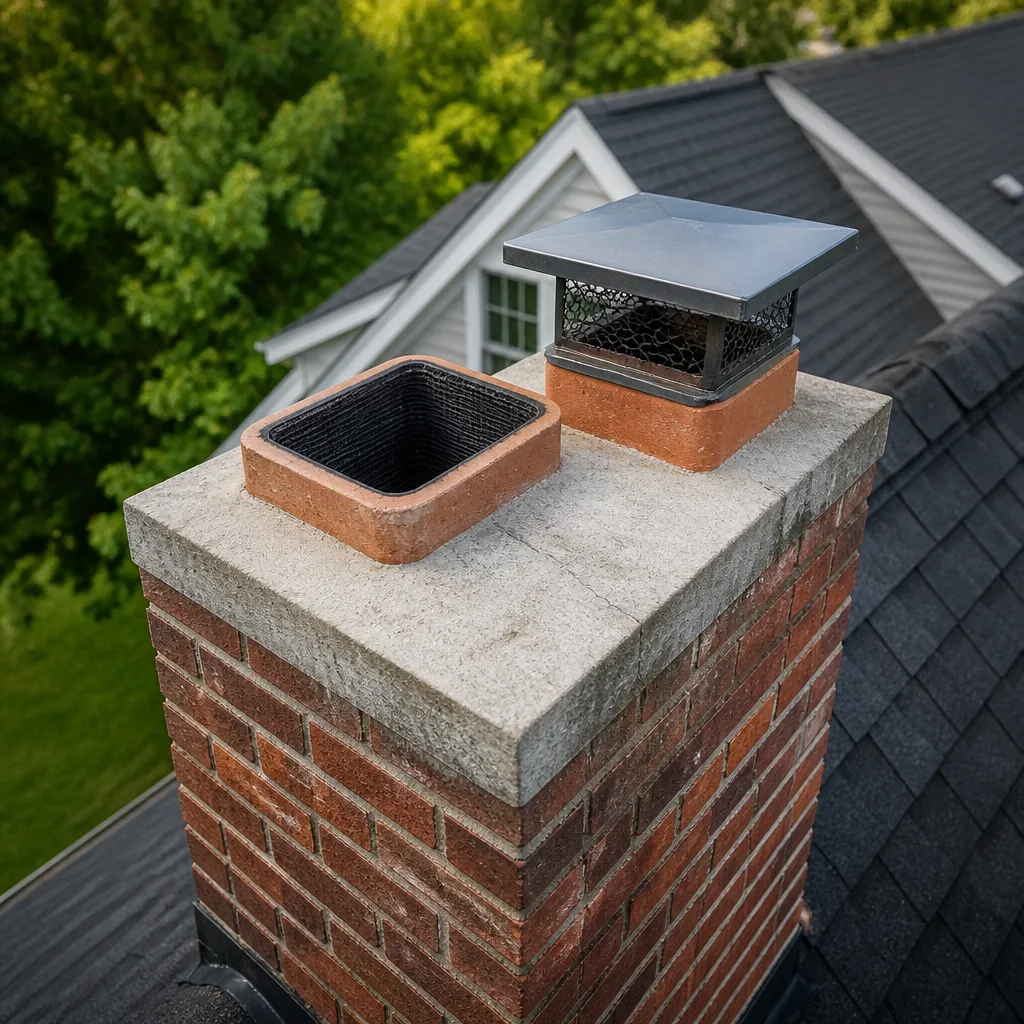 Sweep & inspection
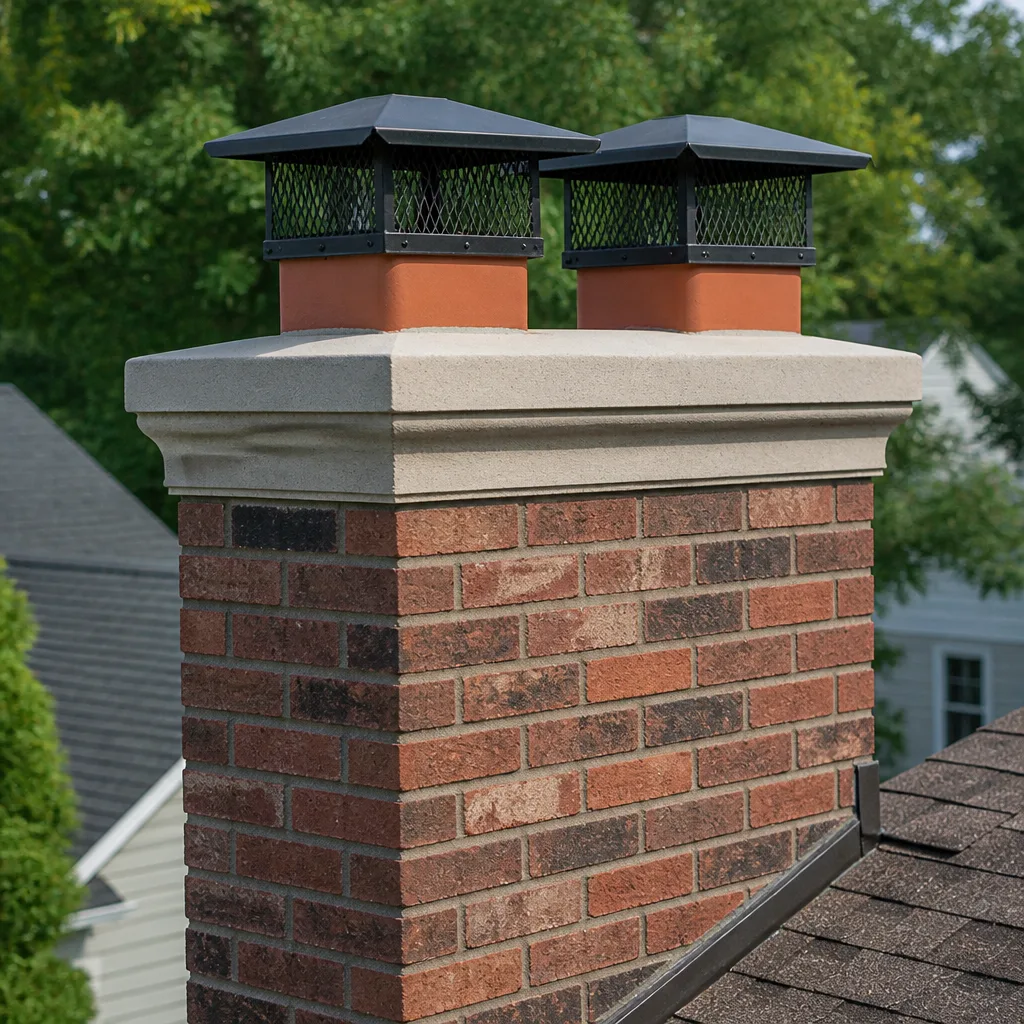 Caps & crowns
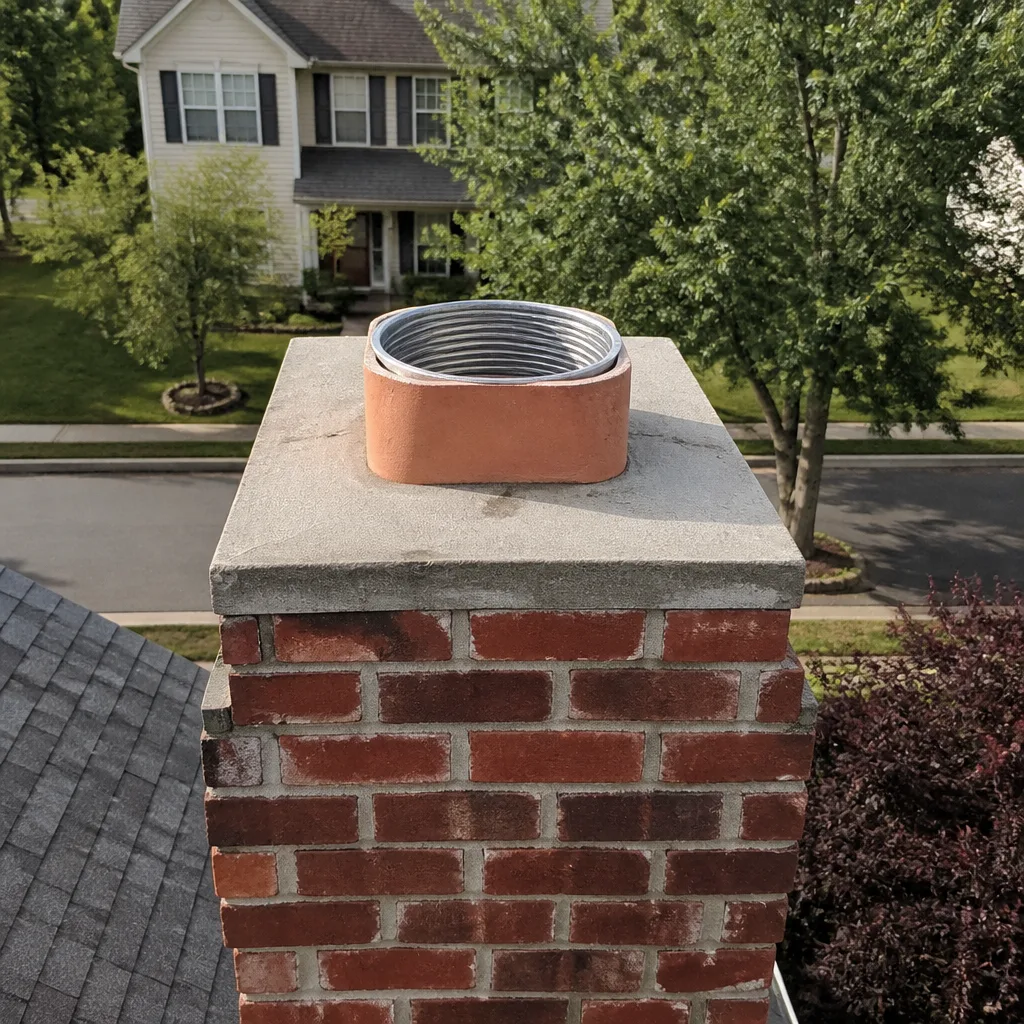 Flue relining
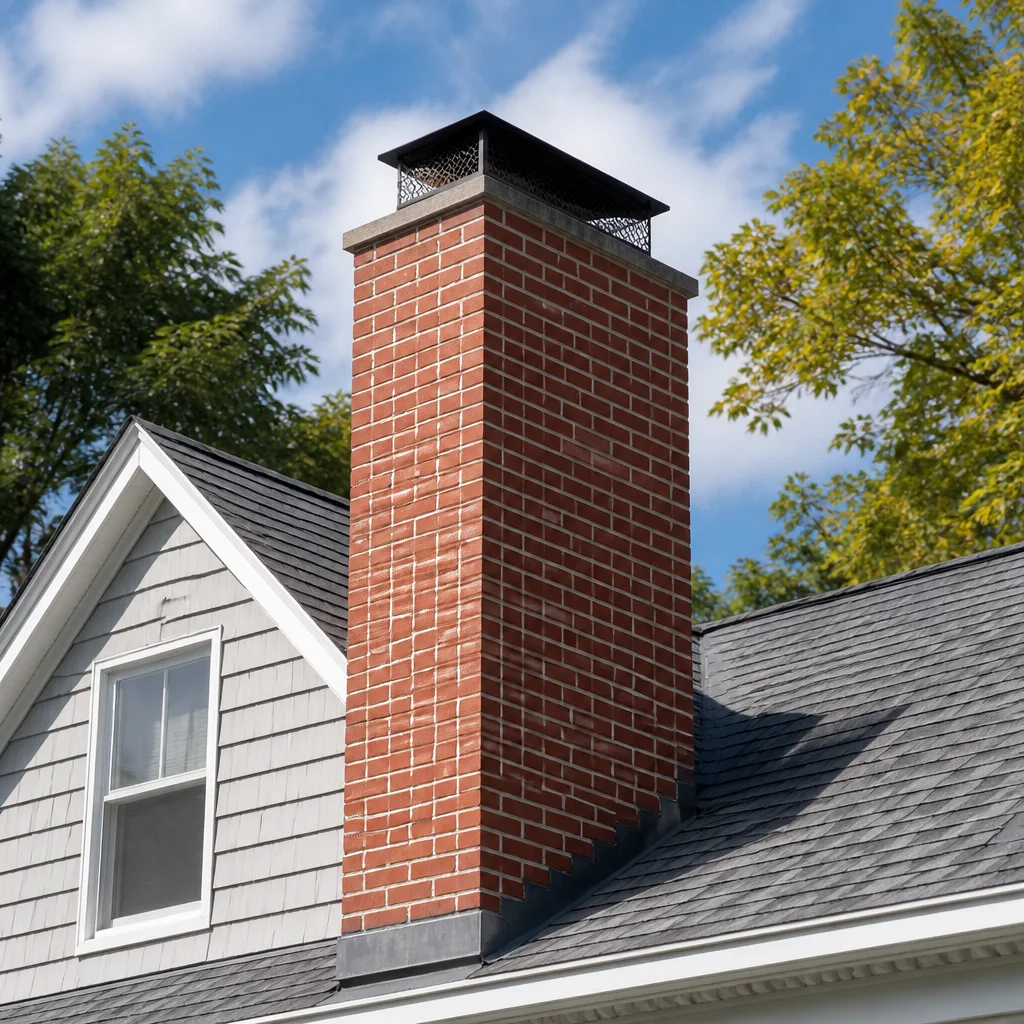 Masonry repair
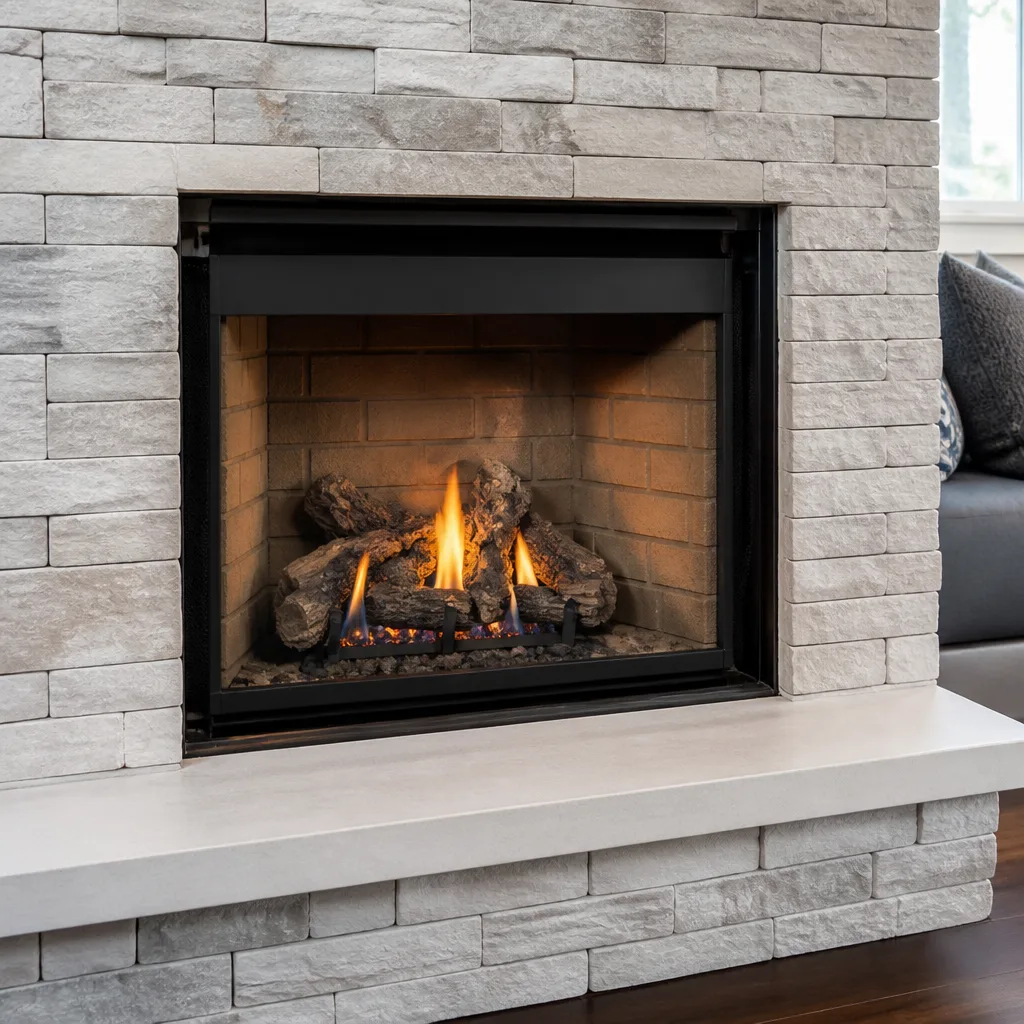 Gas fireplace service
Level 1 sweep and inspection to the NFPA 211 annual standard - flue, crown, cap, and flashing checked and photographed
Chimney sweep logs do not sweep chimneys. They loosen some creosote - which then falls where a brush and vacuum still have to collect it.
How to Hire a Chimney Cleaning Contractor in Avondale: A Step-by-Step Guide
Here’s the part most homeowners don’t learn until something goes wrong: Arizona does not license chimney sweeps at the state level. There’s no state board issuing a chimney cleaning license the way there is for electricians or plumbers. That means anyone with a brush, a ladder, and a magnetic sign on the door can hand you an invoice and call themselves a chimney professional. In Avondale, where wood-burning fireplaces are common in the housing stock and the winter burning season brings a real creosote load, that gap matters. This guide walks you through exactly how to tell a genuine chimney specialist from a generalist with equipment, what credentials to verify before you book, the questions that expose a lack of expertise on the phone, and the red flags that show up specifically in the Phoenix metro market.
Quick Answer
To hire a chimney cleaning contractor in Avondale, verify CSIA certification directly through the Chimney Safety Institute of America’s public lookup, confirm the company carries liability insurance specifically for chimney work, ask whether inspection and sweeping are performed by the same crew that handles repairs, and insist on a written report with photos. A legitimate chimney professional will welcome every one of those checks. A generalist will get vague or defensive. The fifteen minutes you spend verifying credentials is worth more than any price difference between two quotes.
Styles & brands we work with
- Sweep & inspection
- Caps & crowns
- Flue relining
- Masonry repair
- Gas fireplace service
Table of Contents
- Why Hiring the Right Chimney Contractor in Avondale Matters More Than the Cleaning
- What CSIA Certification Actually Means (And How to Verify It in Under Two Minutes)
- Five Phone Questions That Reveal Whether You’re Talking to a Specialist
- Why the Cheapest Quote Is Structurally Likely to Skip the Inspection
- How to Evaluate Before-and-After Documentation
- Red Flags Specific to the Phoenix Metro Chimney Market
- A Step-by-Step Hiring Process for Avondale Homeowners
- Repair vs. Replace: Evaluating What a Contractor Recommends
Why Hiring the Right Chimney Contractor in Avondale Matters More Than the Cleaning
The cleaning itself is the least risky part of the transaction. A chimney sweep is a mechanical process: brush the flue, remove the creosote, vacuum the firebox, clean up. The risk lives in the diagnosis that comes with it. A qualified sweep looks at creosote buildup levels, checks the flue liner for cracks and gaps, examines the damper, inspects the crown and flashing, and reads the draft performance. A generalist with a brush does the sweeping and skips the looking.
That matters in Avondale because of the specific conditions homes here operate under. Winters are mild, which sounds like good news but actually creates a habit of irregular burning. A homeowner might burn a fire a dozen nights across December and January, then let the chimney sit untouched for ten months. Creosote accumulates in layers during those burns, and the seasonal pause gives it time to glaze and harden. Glazed creosote is the dangerous form, and it’s more stubborn than the powdery first-stage buildup a regular sweep removes easily. A sweep who knows Avondale’s burn patterns asks about them and looks for glazing.
The second factor is housing age and configuration. Plenty of Avondale homes have flue systems that were built for a specific era of fireplace design. Some have older masonry liners beginning to show their age. Some have prefabricated metal flue systems with manufacturer-specific components. A sweep familiar only with one flue type will either miss problems in the other or recommend a replacement because they don’t recognize what they’re looking at. That’s why we work with systems like DuraFlex for flexible relining in aging or non-standard flues, and why we inspect before recommending anything. The company that inspects should be the company that repairs, because a handoff between inspector and repair crew is where details get dropped.
What CSIA Certification Actually Means (And How to Verify It in Under Two Minutes)
The CSIA, or Chimney Safety Institute of America, is the industry’s recognized credentialing body for chimney sweeps. A CSIA Certified Chimney Sweep has passed a written exam covering chimney science, venting, codes, and safety, and maintains that certification through continuing education. Certification is not required by law in Arizona, which is exactly why checking for it filters out the field so effectively.
Here’s how to verify in under two minutes:
- Go to the CSIA website’s “Find a Chimney Professional” search tool.
- Enter the company’s name or the technician’s name and your location.
- Confirm the search returns a matching active listing.
- If the company isn’t listed, ask directly whether their technicians hold current CSIA certification and how they maintain it.
- Cross-check the name on the certification against the name on the estimate.
Two things trips people up. First, an expired certification won’t show in an active search, so verify a current listing rather than taking “we’re CSIA certified” at face value. Second, a company may say “our technicians are certified” without clarifying which ones. A chimney sweep that sends an uncertified helper to do the actual work isn’t delivering the credential you paid for. Ask whether the certified technician will be on-site for the sweep and inspection, and whether their name will appear on the report.
Why does this matter in Avondale specifically? Because the certification exam covers the exact skills a generalist lacks: reading venting configurations, identifying liner defects, understanding draft mechanics. A handyman can brush a flue. A certified sweep can tell you whether the flue is safe to use. Those are different services, even if they happen in the same visit.
Five Phone Questions That Reveal Whether You’re Talking to a Specialist
You don’t need to see equipment or a truck to evaluate a chimney contractor. The phone call tells you most of what you need. Ask these five questions and listen carefully to the answers.
- What level of inspection do you perform, and what does the report include? A specialist will describe a camera-based inspection, explain what they photograph, and mention that they write up the findings. A generalist will say “we look at it and clean it.”
- Do you handle repairs in-house, or do you refer them out? The best answer is that the same crew does sweeping, inspection, and repair. A referral to a separate repair company means a second inspection, a second diagnosis, and no accountability for the transition.
- What brands of liner and repair materials do you work with? A specialist names specific manufacturers. We work with DuraFlex, HeatShield, Gelco, and Olympia Chimney, and we can explain why for each. If the answer is “whatever’s available” or “generic,” the materials are generic too.
- What creosote levels do you typically find in Avondale homes? A local specialist will talk about the burn patterns here, the seasonal pause in burning, and glazed creosote. A generalist won’t have a regional answer.
- What happens if you find a problem during the sweep? A specialist says they’ll show you photos and explain options that day. A generalist says “we’ll let you know” and leaves you without evidence.
Listen for how the person on the phone handles a question they could dodge. A specialist will say “I don’t know until I look” when that’s the honest answer, then explain what they’ll check. A generalist will guess or promise. Guessing on chimney conditions is how small problems become structural repairs.
Why the Cheapest Quote Is Structurally Likely to Skip the Inspection
The lowest quote isn’t necessarily a scam, but it’s structurally biased toward excluding work. A sweep who quotes a price that leaves no room for a camera inspection, a written report, and a follow-up conversation about findings is pricing the mechanical cleaning only. The inspection is the part that costs time, and time is what the cheapest quote doesn’t include.
Put another way: a chimney sweep is the deliverable the homeowner can see (the firebox looks clean when they leave). The inspection is the deliverable the homeowner only realizes they needed when something fails. Two contractors can both sweep a flue, but only one has looked at the liner. The price gap between them isn’t the cost of extra labor; it’s the cost of the diagnosis that prevents bigger work later.
When you compare quotes for a chimney sweep in Avondale, ask each contractor to itemize what’s included. A specialist can break down sweeping, inspection level, and reporting without making it sound like an upsell. A generalist’s itemization usually reveals either no inspection line or a vague “visual check” that’s not a real inspection level. Don’t choose based on the total. Choose based on what’s in the total.
One more thing: be wary of any quote delivered without asking about your fireplace, your burning habits, and the last time the chimney was serviced. A real specialist asks those questions because they change what the visit involves. A price before those questions is a guess dressed up as an estimate.
How to Evaluate Before-and-After Documentation
A professional chimney cleaning report should be something you can read later and use to make a decision. If the contractor advertises photo documentation, ask to see a sample report before booking. Here’s what a professional-grade report contains:
- Photos of the flue interior at multiple points, not just the firebox, with clear identification of creosote level.
- Liner condition notes covering cracks, gaps, spalling, and any separation between liner sections.
- Exterior observations including the crown, flashing, cap, and damper operation.
- A plain-language summary that distinguishes “safe to use” from “needs attention before next burn” from “do not use until repaired.”
- Audit trail showing a date, the technician’s name, and the certificate or credential that qualified them.
Vague reports fall into a predictable pattern: one paragraph, no photos, no measurements, no note on whether the flue is safe. If a contractor hands you a handwritten slip with “cleaned” on it, you’ve paid for sweeping but not for evaluation. Ask for the report before payment, not after.
When we do a chimney sweep in Avondale, the documentation includes photographs you can see for yourself, plain-language notes about what’s healthy and what isn’t, and a clear statement about whether the chimney is safe to use. Nothing in our report requires you to trust our word for it. That’s the standard to hold any contractor to. If a chimney has genuine repair needs, you should be able to see the evidence in the photos, and if the work can safely wait until next season, we’ll tell you that too.
Red Flags Specific to the Phoenix Metro Chimney Market
The Valley has a chimney contractor situation you don’t see in older markets. After monsoon season, out-of-state companies sometimes sweep into the metro offering cheap sweeps and disappearing before the repair warranty matters. Here’s how to spot the pattern and other market-specific red flags.
- No verifiable local presence. Ask for a physical office or warehouse address. Note where the company appears to operate from, how long an address has been associated with the name, and whether the phone number resolves to a local line.
- Storm-chasing timing. Any chimney company that suddenly solicits after a heavy monsoon season without a track record in Avondale is worth scrutiny. Press for local references or a local office you can visit.
- Cash-only and no written estimate. A written estimate is standard. Cash-only with no written record makes warranty and follow-up impossible.
- Pressure to decide on the spot. A legitimate contractor doesn’t need to apply urgency about a repair that isn’t urgent. If finding a problem becomes a same-visit upsell with no time to consider options, that’s a red flag.
- No material specifications. Ask what brand of liner or repair material they’d use. If the answer is generic, the materials are generic. A chimney liner replacement isn’t something to leave to unspecified materials.
- Refusal to document. Any contractor who can’t or won’t provide photos of the flue interior is asking you to take their word for it. Don’t.
- No CSIA or industry verification. In a market where no state license exists, the credential is the strongest signal available. A company that hasn’t bothered with it hasn’t bothered with much else.
None of those red flags alone means fraud. Two or three together, and you’re looking at the wrong contractor. The point of the checklist isn’t to distrust everyone; it’s to give you a decision process that doesn’t rely on vibes or price alone.
A Step-by-Step Hiring Process for Avondale Homeowners
Here’s the full sequence, start to finish. This is the process we recommend to any homeowner, and it’s the process we’re comfortable being evaluated against.
- Check your own fireplace history first. Note the type of fireplace (wood-burning masonry, wood-burning prefab, or gas), when you last had it serviced, and roughly how often you burn. That information shapes what to book.
- Pull three qualified contractors. Use the CSIA lookup rather than a general directory. Three quotes is enough to spot outliers.
- Run the five phone questions. The answers tell you who to take seriously before you book anyone.
- Ask for a sample report. A real contractor will email you a sample. A weak one will describe it over the phone.
- Book a sweep and inspection together. Don’t book a standalone “inspection” if the company doesn’t also sweep. The combo visit is more efficient and reveals more.
- Attend the inspection if you can. Watch how the technician photographs the flue and reviews the findings. You’ll learn more in ten minutes than in any phone conversation.
- Get the report in writing before payment. Read it. If anything is unclear, ask.
- If repairs are recommended, ask for a written scope. Ask what brand of material is proposed, whether a repair option like HeatShield ceramic resurfacing is viable instead of full replacement, and whether the work can safely wait.
- Compare the repair scope against a second opinion if the dollar amount is significant. A second opinion is not distrust; it’s normal diligence for larger work.
For a free estimate on any of that work in Avondale, call Chimney Sweep Avondale at (833) 906-6774. We answer 24/7. Fast dispatch from 7am to 7pm, Sunday through Friday. A senior technician walks you through the inspection photos and the report, and the written estimate sets the price.
Repair vs. Replace: Evaluating What a Contractor Recommends
The single biggest decision a chimney contractor will push toward is full liner replacement. Sometimes that’s the correct call. Sometimes a repair option the contractor doesn’t offer would have worked. The gap between those scenarios is why you should ask a specific question: what repair alternatives exist short of full replacement?
A damaged flue liner isn’t always a replacement job. HeatShield ceramic resurfacing is an industry-recognized system for restoring certain liner defects in place, and for the right cases it costs meaningfully less than full relining. The catch is that not every contractor offers it. If a company’s only recommendation is full replacement, that’s a valid answer if the liner truly needs replacement, but it’s also the only tool in their toolbox. A specialist who offers both options can explain why one is preferable for your specific flue. That difference alone is worth putting on your evaluation checklist.
When full replacement is the right answer, ask about material and method. Older flues and non-standard configurations often can’t accept a rigid liner system, which is where flexible systems like DuraFlex come in. Ask for the brand name, the specification, and the warranty in the written scope. A good contractor will put it in writing without pushing back.
And ask the question no one asks: can this safely wait? If the answer is yes, with conditions (like “don’t burn until it’s resolved” or “re-evaluate next season”), that’s a contractor being honest about urgency. If every recommendation carries the same urgency regardless of condition, you’re being sold to. A chimney repair in Avondale should come with photographic evidence you can see and a clear explanation of what happens if you wait. A chimney on an Avondale property from an older neighborhood may have very different needs than one in a newer build, and the inspection is what separates the two.
Fire safety is why the recommendation matters. Creosote at third-stage glazing can ignite, and a compromised liner can leak combustion gases into the home. Those are real risks. They’re also risks best evaluated in a report, not in a sales pressure moment. Our standard is that nothing gets recommended without camera evidence you can see for yourself.
Common Mistakes to Avoid
- Hiring based on price alone. The lowest quote is the one most likely to omit inspection, which is the part that would have caught a liner defect.
- Booking a “sweep” without an inspection. The sweep is the mechanical work. The inspection is the diagnosis. You want both, from the same crew, in the same visit.
- Accepting a report with no photos. A one-sentence report you can’t verify is worth about as much as the phone call that produced it.
- Skipping the CSIA lookup. In a state with no chimney sweep licensing, this is the strongest available credential check. Two minutes on the CSIA site beats any verbal claim.
- Not asking about repair alternatives. If full replacement is the only option a contractor offers, ask what else they considered. HeatShield or another resurfacing option might be viable and cheaper.
- Choosing a contractor after monsoon season without local references. Out-of-state companies appear in the Phoenix metro with cheap offers and leave before warranty issues surface. Verify the local presence.
- Burning again before the report is reviewed. If a contractor photographed a defect and hasn’t given you the report yet, don’t assume the chimney is fine. Get the report, read it, ask what the safety status is.
- Ignoring the exterior. The crown, flashing, and cap matter as much as the flue interior, especially in a climate with hot summers and monsoon rain. A report that only covers the inside of the flue is incomplete.
See the difference
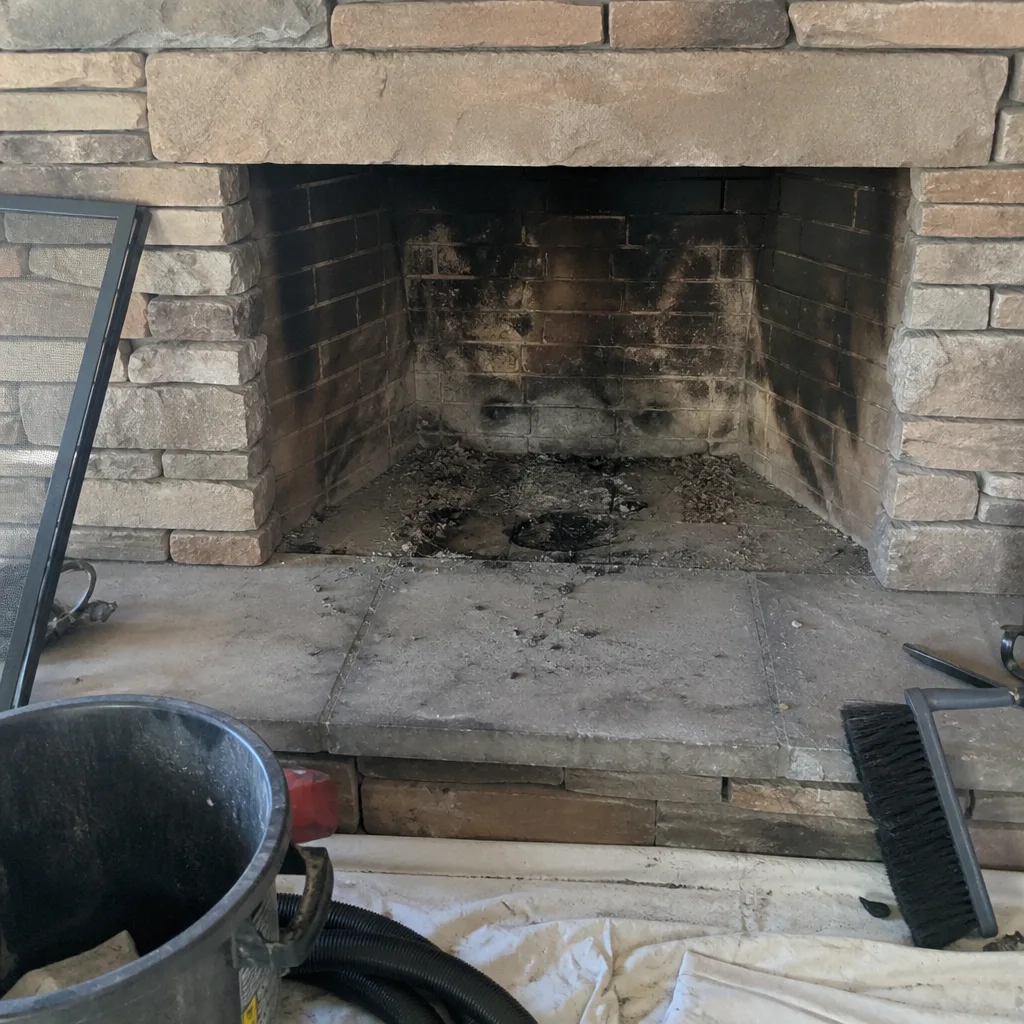 Before
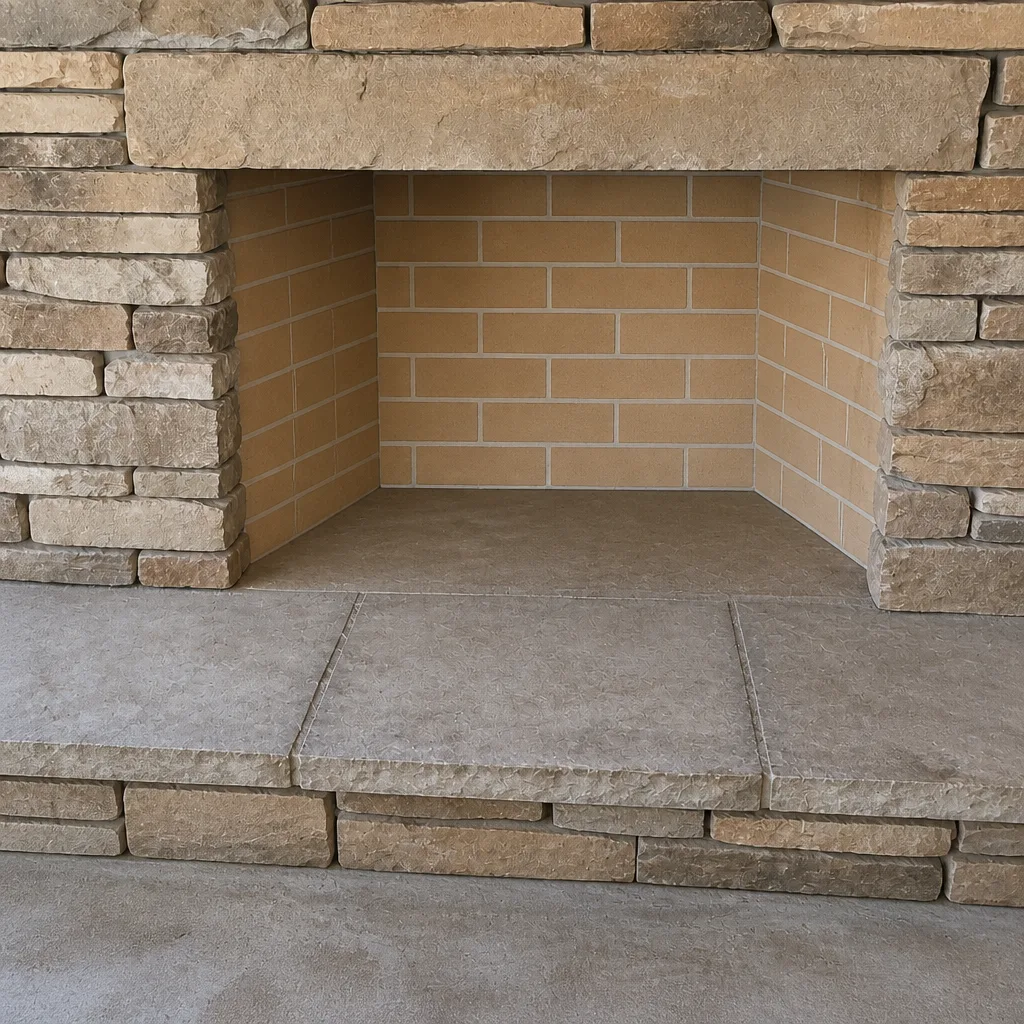 After
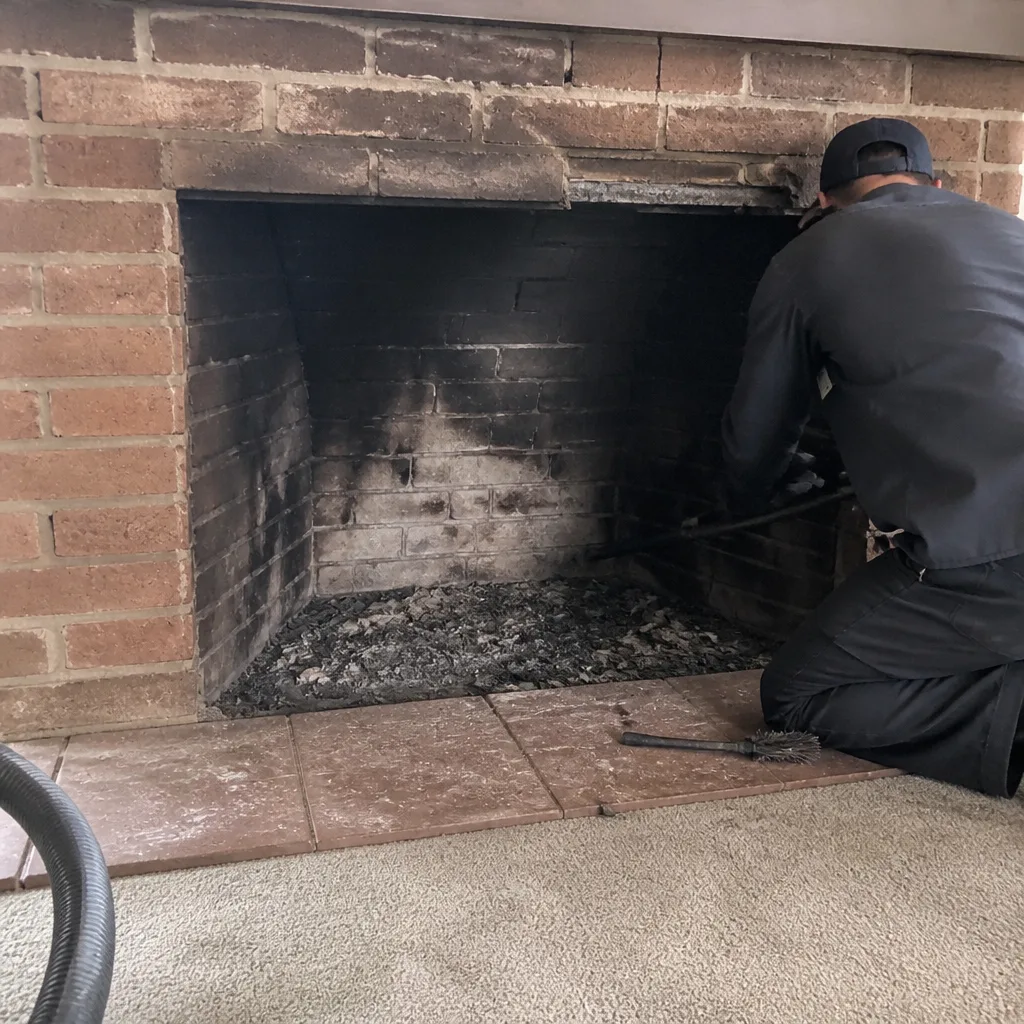 Before
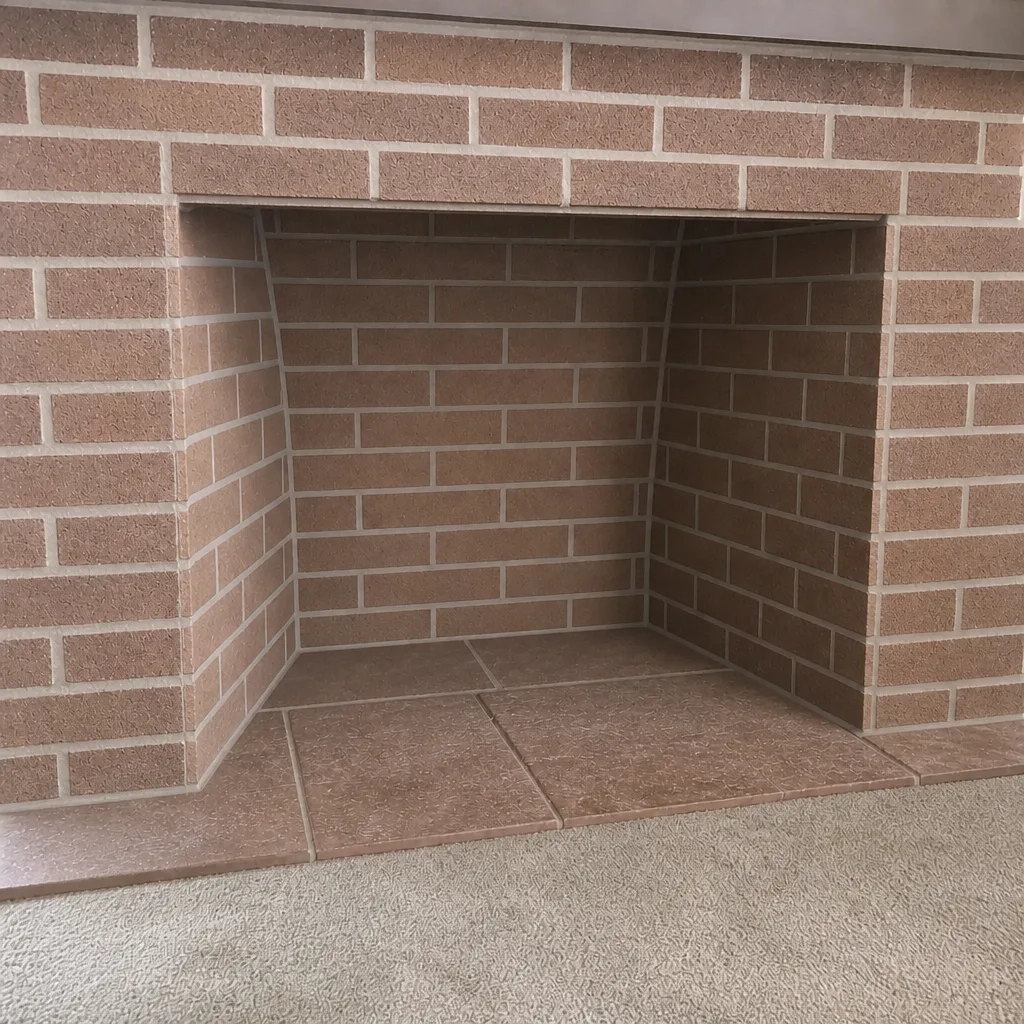 After
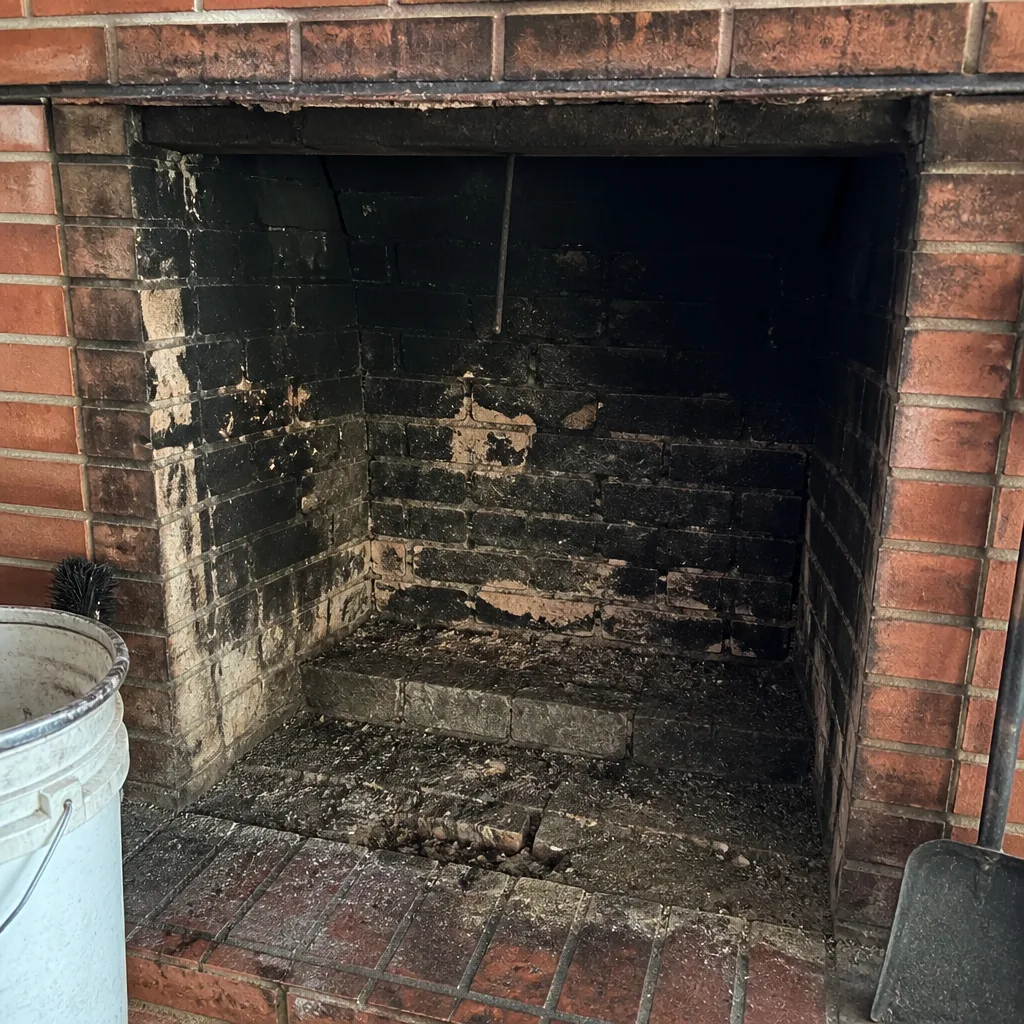 Before
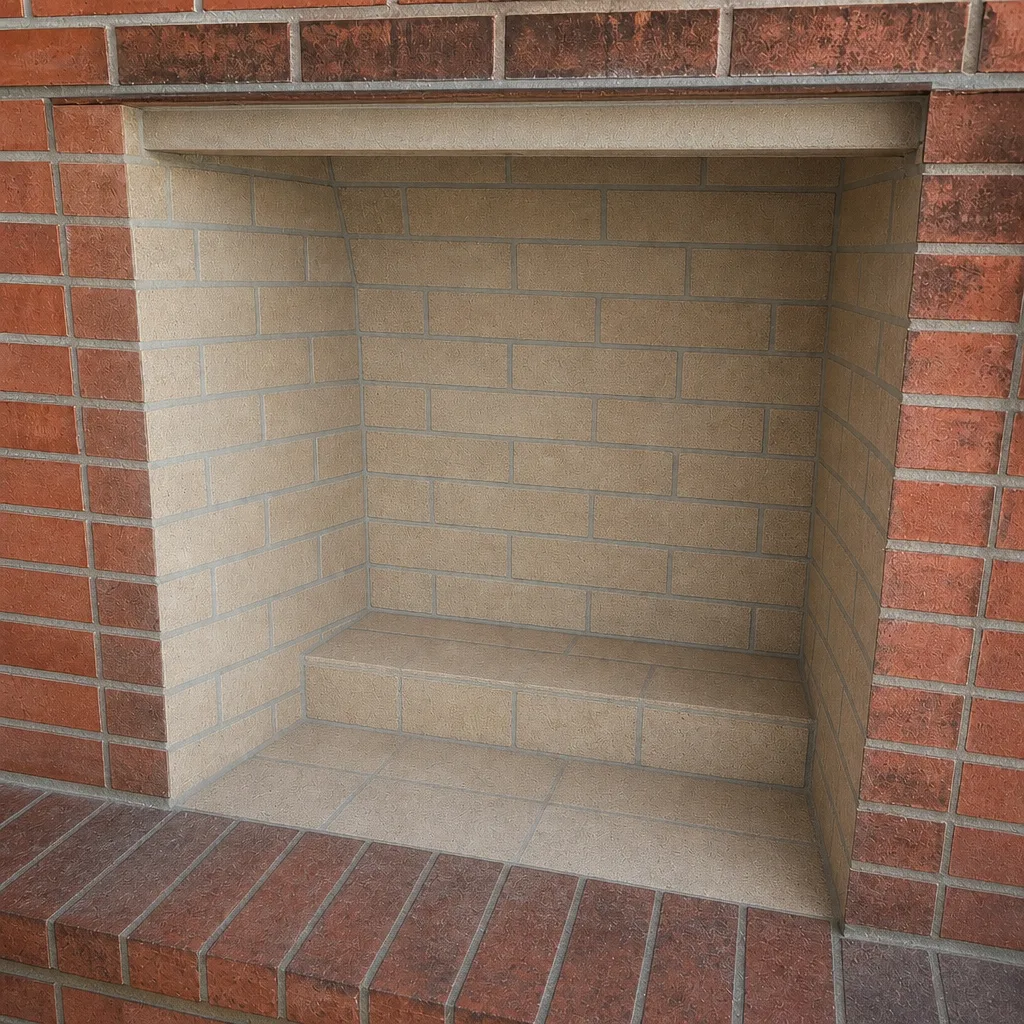 After
When to Call a Professional
Some chimney conditions are safe to schedule in the normal course. Others aren’t. Call a professional immediately if you smell a strong smoky odor in the house when the fireplace isn’t in use, if you see soot or dark staining around the firebox or on the wall above it, if the damper won’t open or close cleanly, if a fire produces smoke that pushes back into the room, or if you hear a cracking or popping sound from the flue after a fire. Those symptoms point to problems that need evaluation, and in some cases the safe move is to stop burning until you’ve had the chimney inspected. Wood-burning chimneys and gas fireplaces both warrant professional attention when symptoms show up. A trained technician has the camera equipment and the venting knowledge to diagnose exactly what’s happening, and the risks of guessing aren’t worth it.
Chimney Sweep Avondale offers free estimates in Avondale. Call (833) 906-6774. We answer 24/7, and fast dispatch runs from 7am to 7pm, Sunday through Friday. Our technicians have up to experience with every common flue configuration in the Valley. For a broader overview of what we do across the area, see the Avondale service page, and if you already know you have a structural problem, go directly to chimney repair.
Frequently Asked Questions
Yes, annual inspection is the industry standard for any chimney that has been used in the past year, and even a lightly used chimney benefits from it. Creosote accumulates at every burn, and the mild Avondale winters mean many homeowners burn in concentrated stretches rather than steadily, which lets creosote harden and glaze. An annual inspection catches liner cracks, crown damage, and draft issues before they become expensive problems. A sweep and inspection together are less work and less cost than waiting for something to fail.
Sweep frequency depends on how much you burn and how the fire is managed, but most homeowners with regular wood-burning fires need a sweep annually, often paired with the inspection. Homes that burn less often can sometimes go longer between sweeps, but the inspection should still happen every year. The CSIA standard is that when creosote has reached a quarter-inch or more in the flue, it needs to be swept before the next fire. We determine that from the camera inspection rather than from memory, and the recommendation is in your report. Call (833) 906-6774 for a free estimate and we’ll tell you what the photos show.
Most chimney sweeps in Avondale run in the low-to-mid three figures, and the price depends on the flue configuration, the creosote level, and whether the inspection is included. A sweep booked without an inspection should cost less, and it also delivers less: no documentation of the liner condition and no read on whether a repair is coming. The written estimate sets the final price, and we quote it per job before booking. Call (833) 906-6774 for an exact quote; estimates are free.
Not always. Full liner replacement is the right call when the existing liner is badly compromised, but several common liner defects can be addressed with repair options like HeatShield ceramic resurfacing. That’s an industry-recognized system that restores certain interior liner conditions without pulling the old liner. Whether it applies to your chimney depends on what the inspection shows. Ask any contractor offering full replacement to explain why a repair option isn’t viable, and get the reason in writing. Call (833) 906-6774 for an exact quote; estimates are free.
Nothing dramatic in most cases, but the risk builds quietly. Creosote continues to accumulate, and if it reaches third-stage glazing, the flue is much harder to clean and presents a real fire risk. Liner cracks and gap separations become more likely as the flue ages, and a compromised liner can allow combustion gases into the home. An inspection isn’t about catching something rare; it’s about knowing what you’re burning into. If a sweep or inspection is overdue, call (833) 906-6774 for an exact quote; estimates are free.
Technically yes, because Arizona doesn’t license chimney sweeps, but it’s not a good use of money. A general handyman can brush a flue, but the sweep is the smaller half of the service. The valuable half is the inspection: reading the liner condition, identifying creosote stage, checking the crown and draft, and documenting all of it. A generalist rarely has the camera equipment or the experience with venting codes to do that. The purpose of hiring a chimney specialist is to buy the diagnosis, not just the brushing. Call (833) 906-6774 for an exact quote; estimates are free.
The Bottom Line
Hiring a chimney cleaning contractor in Avondale is a credentials decision before it’s a price decision. Verify CSIA certification through the public lookup. Ask the five phone questions: they tell you whether you’re talking to a specialist. Expect a written report with photographs, and read it before you pay. Be suspicious of quotes that don’t include the inspection, and be equally suspicious of a contractor whose only repair recommendation is full replacement when repair options exist. The cheapest quote isn’t always the wrong answer, but it’s the one most structurally likely to skip the diagnosis that would have caught a problem. Get the evidence, then decide. Call (833) 906-6774 for a free estimate. We answer 24/7, with fast dispatch from 7am to 7pm, Sunday through Friday.
Written by the team at Chimney Sweep Avondale.