
Last updated November 16, 2026
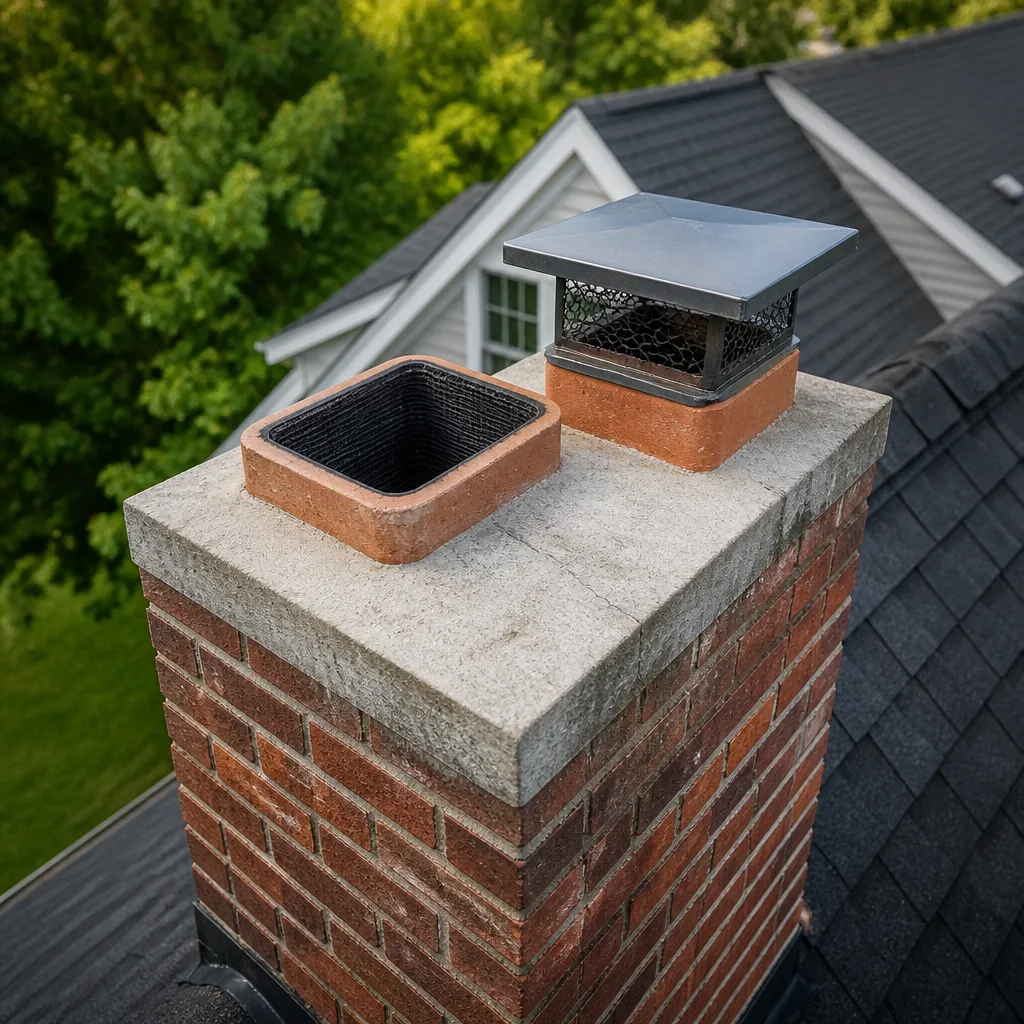 Sweep & inspection
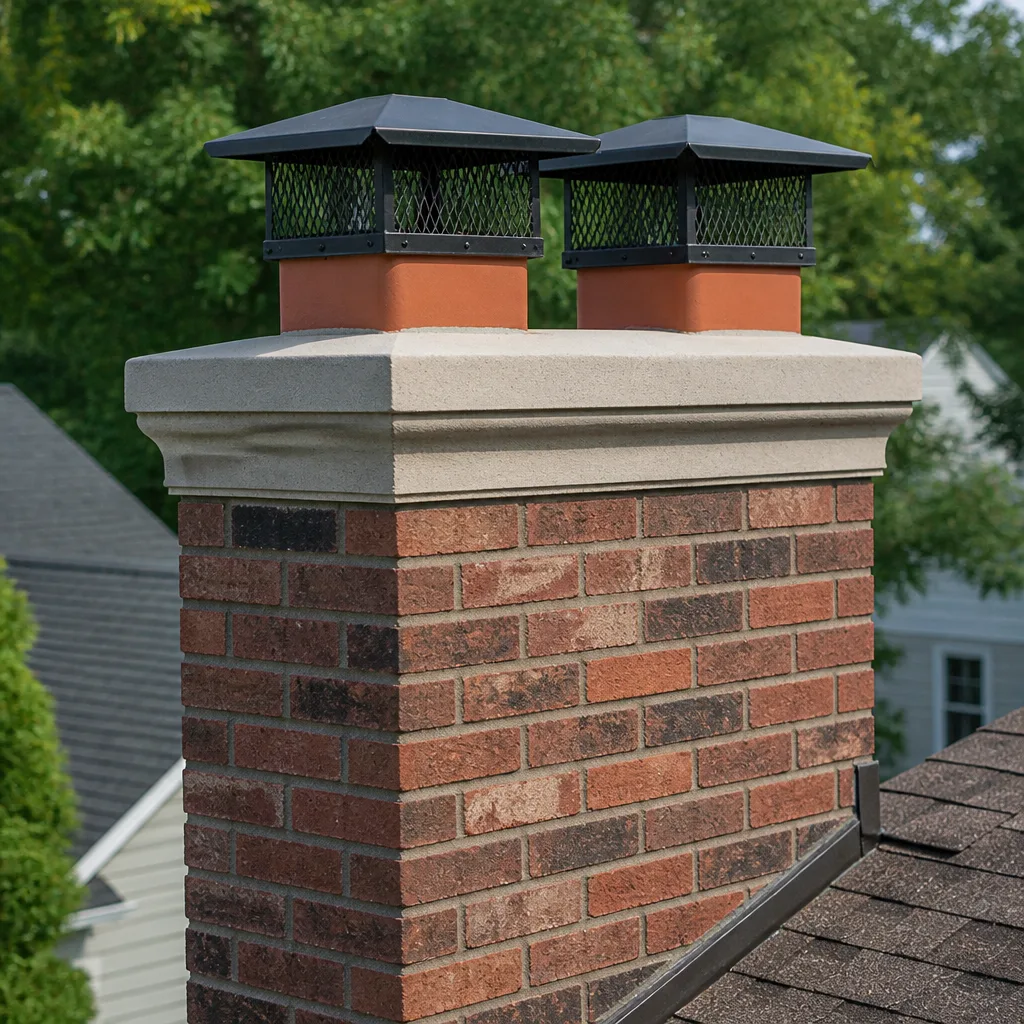 Caps & crowns
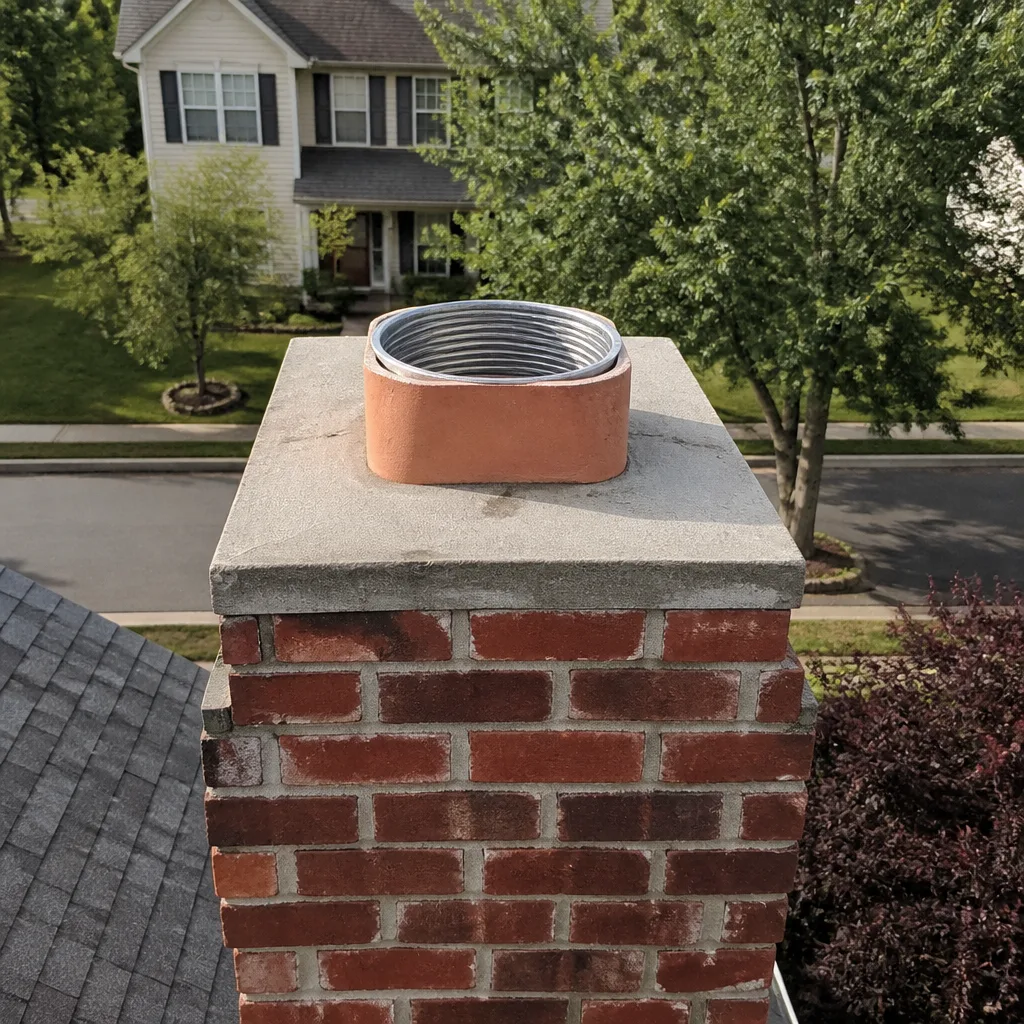 Flue relining
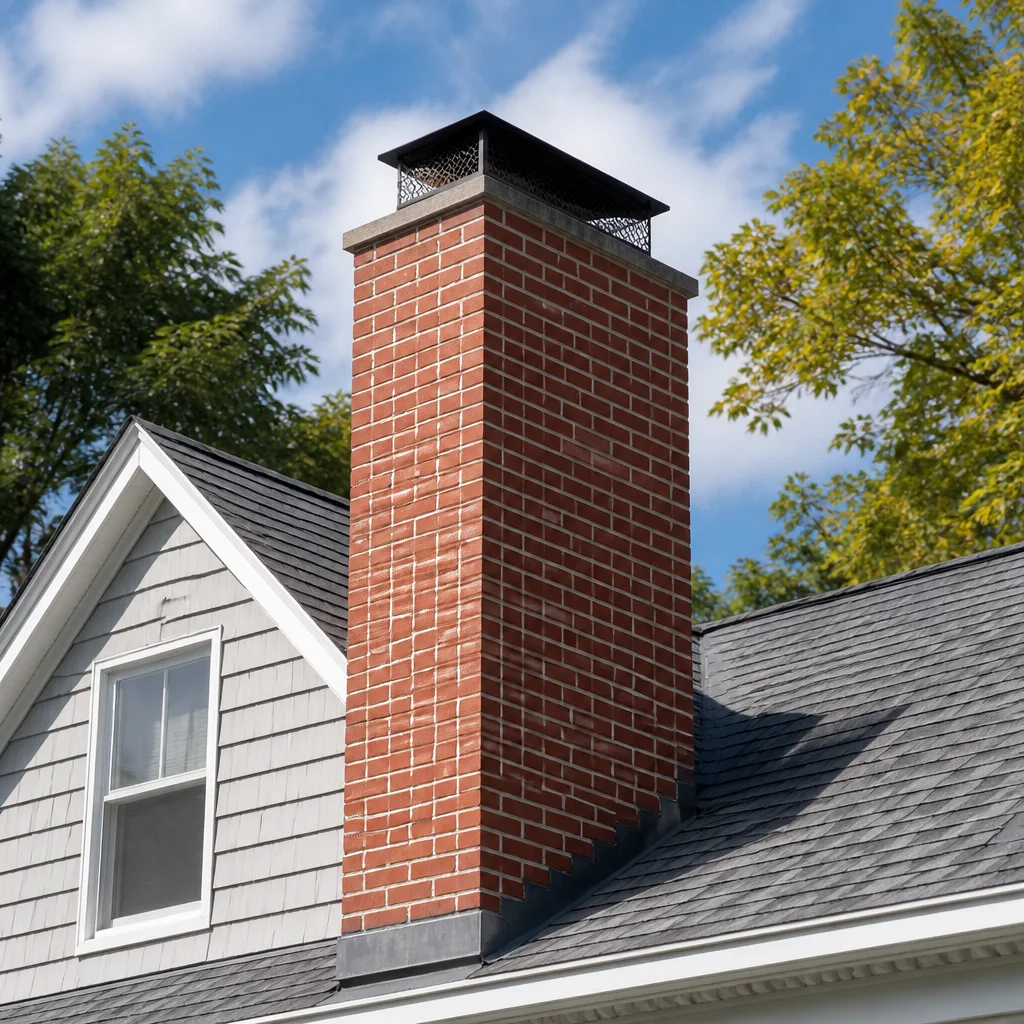 Masonry repair
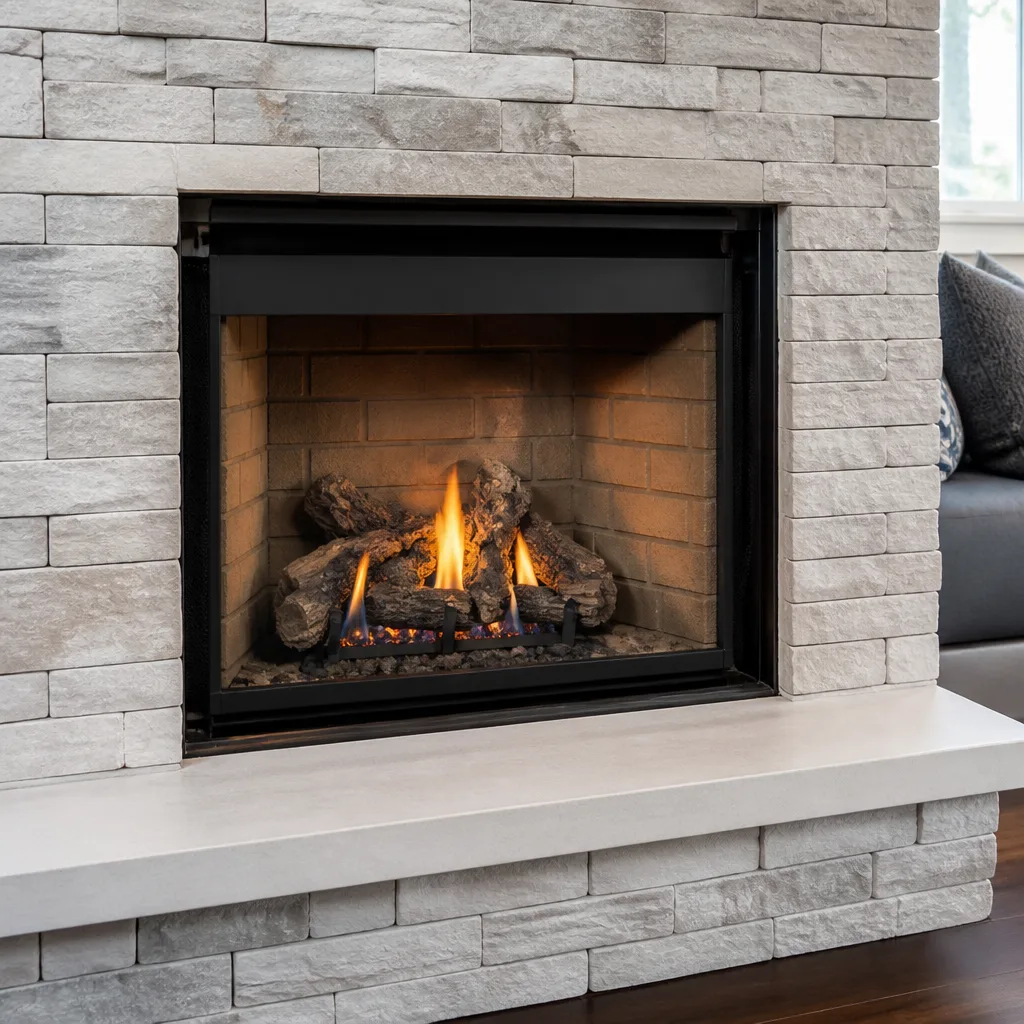 Gas fireplace service
Level 1 sweep and inspection to the NFPA 211 annual standard - flue, crown, cap, and flashing checked and photographed
Chimney sweep logs do not sweep chimneys. They loosen some creosote - which then falls where a brush and vacuum still have to collect it.
Chimney Cleaning Warning Signs: An Avondale Homeowner’s Reference Guide
Most chimney warning-sign advice reads like a fire alarm. Everything is an emergency, everything needs a liner, and you should be afraid. In our experience, that’s the wrong way to read your chimney. A warning sign is diagnostic information: a symptom with a specific cause and a measured response. A strong smoke smell when your fireplace is closed doesn’t automatically mean your chimney is on fire, but it does mean something specific is wrong, and knowing which something determines whether you’re looking at a straightforward cleaning or a more involved repair. This guide walks through the warning signs Avondale homeowners actually see, what each one points to, and how to tell the difference between a symptom you can live with for now and one that means stop burning today.
Quick Answer
The main chimney cleaning warning signs are a strong smoke or creosote odor with the damper closed, dark soot or glazed creosote on the firebox walls, a draft that has gotten worse, visible cracks or flaking in the flue, efflorescence staining on exterior masonry after monsoon season, and a cracked or deteriorated crown. Any of these signals that combustion byproducts aren’t leaving the way they should, which is the point where a professional inspection belongs. Warning signs are not all equal: some allow continued use with a booked visit, and some mean stop all fires immediately.
Styles & brands we work with
- Sweep & inspection
- Caps & crowns
- Flue relining
- Masonry repair
- Gas fireplace service
Table of Contents
- The Smell Index: What Different Chimney Odors Tell You
- Warning Signs Inside the Firebox You Can Check With a Flashlight
- Avondale-Specific Warning Signs: Monsoon Staining and Summer Heat Damage
- Keep Burning vs. Stop Burning: Reading the Urgency Level
- How to Document Warning Signs Before Your Service Visit
- Draft, Backdraft, and Smoke Problems
- What an Inspection Adds Beyond What You Can See
- Codes, Permits, and What’s Actually Required
The Smell Index: What Different Chimney Odors Tell You
Smells are the most useful early-warning signal a chimney gives, and also the most misread. People tend to lump every chimney odor into “something’s wrong” and panic or ignore it. Odor has a fingerprint, and the fingerprint points at a cause. If you can describe the smell honestly, we can usually tell you what kind of visit you’re booking before we arrive.
- Acrid, sharp, campfire-like when the fireplace is closed. This usually means creosote is building on the flue walls and the flue has lost some of its upward draw. The smell comes back down the chimney instead of going up. It’s a strong indicator that a sweep is due, not an immediate danger sign.
- Musty, damp, or earthy. Moisture is the cause. Water is getting in through the crown, cap, or masonry, and the chimney or flue is holding it. Musty smell after a monsoon is a warning to look at the exterior of the chimney, not just the inside.
- Sulfurous or rotten-egg. This is a serious one. It usually points to an obstruction, a dead animal, or a nest in the flue, and any blockage means combustion gases have somewhere else to go. Stop burning and get an inspection.
- Sweet or syrupy. In a wood-burning chimney, a sweet smell often goes with heavy, glazed creosote. Glazed creosote is the stage that ignites, so it should be swept before the season starts, not after.
- Gas-like smell when no fire is burning. Never ignore this. Shut the gas off if you can, open windows, leave the house if the smell is strong, and call your gas utility. This is not a chimney cleaning job.
Odor intensity also matters. A faint smell in a cold, closed-up house that disappears when you open the damper is a different picture than a smell that fills the room the moment the fireplace is shut. Write down which smells show up, and when. It’s information the sweep needs, and most homeowners never think to say it. If the odor is combined with a weak flame or visible smoke rolling into the room, call chimney sweep service and describe it exactly. We answer 24/7 and can help you decide whether to wait for the next opening or shut the fire down now.
Warning Signs Inside the Firebox You Can Check With a Flashlight
You don’t need a tool kit to do a useful self-check. A flashlight and fifteen minutes in front of the fireplace will show you most of the visual warning signs that matter. This is not a substitute for a professional inspection, and we’re not asking you to climb anywhere or reach into the flue. It’s information gathering.
- Look at the firebox walls. Soot should be light and dry. Crusty, puffy, or black-and-shiny deposits suggest creosote buildup. Glazed, cracked or shiny creosote is the stage that needs attention before you burn again.
- Look at the damper. Open and close it. It should move cleanly and seat fully. A damper that sticks or hangs partway open is letting odor back into the room and hurting draft.
- Look at the smoke chamber above the damper. With a flashlight you’ll see the angled walls above the damper door. Heavy soot there is normal. Rust streaks or flaking material are not, and they suggest moisture or breakdown in the flue above.
- Look for stains or white chalky powder. Any white residue inside the firebox or on the firebox floor points to water. Water plus masonry is a slow problem, but it doesn’t fix itself.
- Look at the throat and the top of the firebox opening. Cracks in the firebox brick or missing mortar joints are structural warning signs. The firebox is designed to contain high heat and direct flame. Cracks mean it’s not doing that fully.
- Check whether the chimney smells when the house is closed up. Seal a window overnight with the fireplace unused and see whether the smell is there in the morning. Odor tests are honest tests.
Take photos of anything that looks off, and note where it is. That’s it. Don’t reach into the firebox opening and scrape at deposits. Creosote and soot are irritants, and the firebox and flue above it are the parts where a trained technician belongs. Modern fireplaces are often installed with specific component systems, and the parts in yours may be from a maker like Olympia Chimney or Gelco. We can identify what you have and what condition it’s in, and that nameplate matters when you get to repair. If your house is older and the fireplace has no obvious brand, that is itself a reason to have it inspected.
Avondale-Specific Warning Signs: Monsoon Staining and Summer Heat Damage
Some warning signs are specific to this climate. Avondale’s summer heat and monsoon rains do things to a chimney that a homeowner in a cold-weather climate never sees. In our experience, the most common exterior warning signs we look at locally are efflorescence and crown damage, and both have a clear cause.
Efflorescence is that white, chalky or powdery staining on the exterior masonry. It’s a moisture signal, not a masonry cosmetic problem. Water is getting into the brick or the mortar, and when it moves back out it carries salts that stain the surface. In Avondale, the timing tells you something. Efflorescence that shows up after the first heavy monsoon storms is usually a sign that water is shedding off the roof, running down the chimney, or getting in where the cap and crown meet the stack. Look for the stain high up and below the cap, and look at whether your roof overhang sheds onto the chimney.
Heat expansion is the other local issue. Daytime summer temperatures expand the concrete crown on top of the chimney, and night cooling contracts it. Repeated over many summers, that movement opens hairline cracks. A cracked crown is a warning sign that water will follow. Water gets into the chimney from the top, and from there it reaches the flue, firebox, and surrounding framing. Look at the crown from the ground with binoculars if you can. Cracks, flaking concrete, or a crown that has pulled away from the flue tile are all worth a professional look.
One local note about scheduling: monsoon storms are also dust storms, and the airborne grit that lands on a cap and in a flue doesn’t help draft. A visit after the season, when the storms have passed, is a sensible time to get the chimney looked at in Avondale. Avondale properties vary a lot, from newer builds to older block homes, and no two chimneys on the same street are identical. That variation is why we look at each one instead of guessing.
Keep Burning vs. Stop Burning: Reading the Urgency Level
Not all warning signs mean stop. Some mean “book a visit and keep an eye on it,” and some mean “stop using the fireplace right now.” Getting this distinction right is the entire point of this guide. Panic does not help a homeowner, and it can also make them ignore a real hazard because they’ve already learned that every sign is overstated.
Keep burning with a booked visit:
- A light campfire smell with the fireplace closed and no other symptoms.
- Mild draft weakness, slow starting fires, or a faint smoke smell in the room.
- Soot deposits that are visible but not cracked, glazed, or shiny.
- A damper that sticks slightly but still closes.
- Efflorescence and staining, provided the inside of the chimney is not showing cracks or moisture damage.
Stop all fires immediately:
- Any smoke or gas smell with the fire out and the damper closed.
- Visible glazed or shiny creosote in the firebox, or creosote visible above the firebox.
- Cracks in the flue tile, the firebox brick, or the smoke chamber.
- Puffy, cracked material on the inside of the firebox walls.
- Water stains, rust, or flaking material in the smoke chamber.
- A chimney that smells sulfurous, or any suspicion of an obstruction or a nest.
About creosote: it’s the tarry material creosote leaves on the walls of the flue. It builds in stages from light soot to a crusty layer, and eventually to a glazed, shiny, hard coat that doesn’t brush off easily. The glazed stage is the stage that can ignite, and a chimney fire is the reason a sweep is not just maintenance. We’ll say this plainly: if you see the glazed stage, stop using the fireplace until it’s removed. It’s not a “next month” problem. Call Chimney Sweep Avondale and we can talk you through whether to book a sweep or an inspection first.
How to Document Warning Signs Before Your Service Visit
A sweep arrives with a lot more context if you’ve done a little homework. We can sweep and inspect any chimney, but photos and notes from the homeowner change how fast we find the cause and how specific the estimate is.
- Take a photo of the firebox. One straight-on shot of the inside, one of the floor, and one of the damper area. Use a flashlight as a side light so deposits show up the way they would to a technician.
- Take a photo of the exterior chimney. From the ground, standing back far enough to see the whole stack and the top. Note the crown at the top, the cap, and any white staining.
- Write down the smells and when they happen. “Musty after closing the damper” is a much more useful note than “smells bad sometimes.”
- Note the last time the fireplace was used. “We stopped burning in March” changes the inspection priority.
- Note anything that’s changed recently. New roof, new flashing, a storm, a repaint, a new animal in the neighborhood. All useful.
- Note the brand and model, if there is a nameplate. Fireplace and insert makers label their components, and knowing the maker helps us bring the right parts options. Houses here vary, and models vary between Olympia Chimney, Gelco, and others, so a photo of the label saves a trip.
When you call, describe what you saw and what you smell. If you have photos, we can usually tell whether you need a sweep, an inspection, or both, and whether you should stop using the fireplace while the visit is being arranged. That’s a much better use of a phone call than asking us to guess.
Draft, Backdraft, and Smoke Problems
Draft problems are warning signs that get blamed on the weather when the cause is the chimney. If your fireplace smokes into the room instead of drawing up, or if a fire takes forever to catch, the chimney’s ability to pull combustion gases up and out has changed. That’s not a mystery, and it’s not a house problem in most cases.
Draft fails for a handful of predictable reasons. The flue is partially blocked by creosote, a nest, or debris. The chimney isn’t tall enough for the house configuration, or a nearby roofline or tree is competing with it. The smoke chamber is rough and turbulent, which makes smoke swirl instead of rising cleanly. A damper or cap is damaged, or a component from a maker like Famco, Copperfield, or Olympia Chimney has aged out and no longer seals. Or the house itself is tight, so the fireplace has no air to draw from.
In an Avondale home, the most common draft complaints we hear come after the first cold snap, when the fireplace has been unused for months. Cold, damp flues don’t draw well, and that’s normal for a fire or two. Persistent smoke in the room is not normal, and should not be treated as something to live with. Smoke in the room means combustion gases are going into your living space. Carbon monoxide is invisible and has no smell, so an open fire that isn’t venting correctly is a carbon monoxide concern, not just a smell concern. Put a carbon monoxide alarm on each level of your house if you burn wood, and if the draft has changed and stayed changed, get the chimney inspected.
What an Inspection Adds Beyond What You Can See
What you can see with a flashlight is a fraction of the chimney. What you can’t see, we diagnose. Inspection is the part that turns a warning sign from a guess into a specific answer, and it’s what we mean when we say inspect first, recommend second.
- The flue interior from top to bottom. Tile condition, joint gaps, and creosote depth are inspected directly. A flue that looks fine at the firebox throat can be cracked higher up.
- The smoke chamber and damper assembly. This is where a lot of liner and crown problems hide, because the chamber narrows above the firebox and is hard to reach and see without the right tools.
- The exterior crown, cap, and flashing. Crown cracks and failed flashing are water intrusions waiting to happen, and both are visible and repairable.
- The firebox itself. Cracks in the firebox brick or missing mortar are a fire-containment issue, not a cosmetic one.
- The appliance and venting. If there’s an insert or a gas appliance, the venting has specific requirements that don’t match an open wood fireplace.
Inspection also comes before price. We don’t quote a liner or a repair from the doorway. We tell you what condition your chimney is in, what the options are, and what each option costs. Liner restoration is a real option in many cases where a full liner replacement would otherwise be quoted, and knowing the difference is the entire value of an inspection. Camera inspection and a photo report are part of that, because you should be able to see what we saw.
Codes, Permits, and What’s Actually Required
The rules around chimney repair vary by city and by the specific repair, so we won’t guess at your permit situation. Most cities require a permit for structural work to a chimney, and a change to a flue system or a liner is usually regulated. If a repair is on the table, ask your city’s building department whether a permit is needed for the specific work, and ask the contractor to confirm it in writing. A licensed contractor can usually tell you what’s typical; only the city can tell you what applies to your property.
What the codes are usually trying to do is straightforward. The flue needs to contain the fire and vent it safely. Materials need to be rated for the temperature they’ll see. The liner needs to be continuous and correctly sized. Components need to match the appliance. This is where materials matter, and it’s why we use professional-grade systems from makers like HeatShield for liner restoration and DuraFlex flexible liner systems for older or non-standard flue configurations. A flexible liner can be installed in a chimney shape where a rigid system won’t fit, which matters on older Avondale houses where the flue isn’t a straight, standard pipe. We source from those brands because the parts are rated and traceable. That’s a meaningful difference from generic parts, and it’s the kind of detail a written estimate can show you.
Common Mistakes to Avoid
- Waiting for a chimney fire to act. Chimney fires are not always dramatic. A low, rumbling chimney fire can go unnoticed for years. Waiting for a visible sign before scheduling a sweep is one of the most common mistakes homeowners make.
- Burning green wood. Wood that hasn’t seasoned properly produces far more creosote than dry wood. It’s one of the most controllable factors in how fast a chimney fouls, and it costs nothing to fix.
- Ignoring an efflorescence stain after monsoon season. In Avondale, the staining is a water signal. Water in the masonry often means water in the flue, and it’ll get worse before it gets better. Addressing the source early is cheaper than major masonry work later.
- Assuming a cap is optional. A cap keeps rain, birds, and debris out. It also keeps sparks in. A missing or damaged cap is a warning sign on its own and an easy one to check from the ground.
- Treating a gas fireplace as maintenance-free. A gas appliance’s venting and flue still need an inspection. Gas produces moisture and combustion byproducts, and a gas appliance that isn’t venting right is a carbon monoxide concern.
- Accepting a repair plan you can’t verify. If a sweep tells you that you need a full liner replacement, ask to see the photos and ask what the liner condition is. Liner restoration is often a real option, and a contractor who can’t show you the cause is telling you a story, not a diagnosis.
- Getting a repair from a different company than the sweep. The gap between who found the problem and who fixed it is a common way that repair details get lost. We keep both parts of the work in one place.
- Skipping the camera inspection on an older chimney. Older Avondale homes are more likely to have non-standard flue configurations and previous repairs. The camera is what catches those.
See the difference
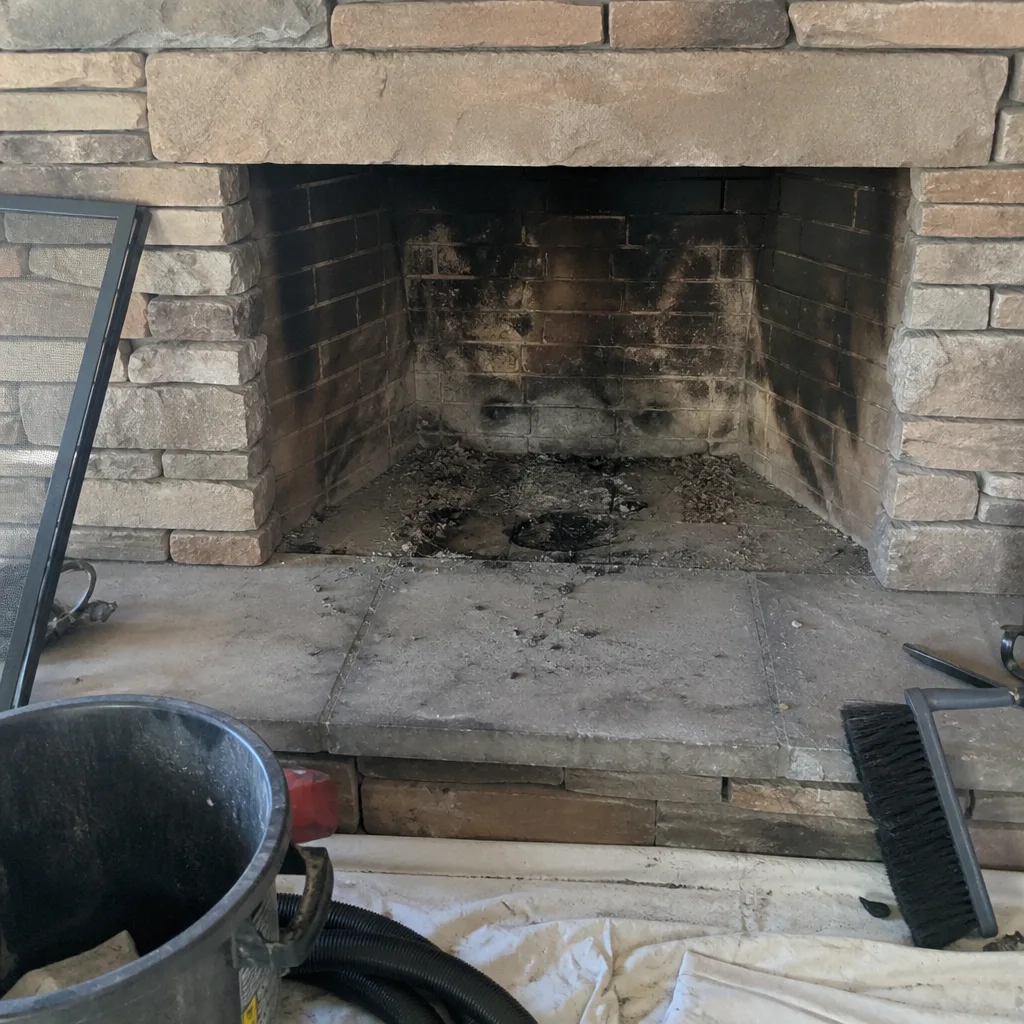 Before
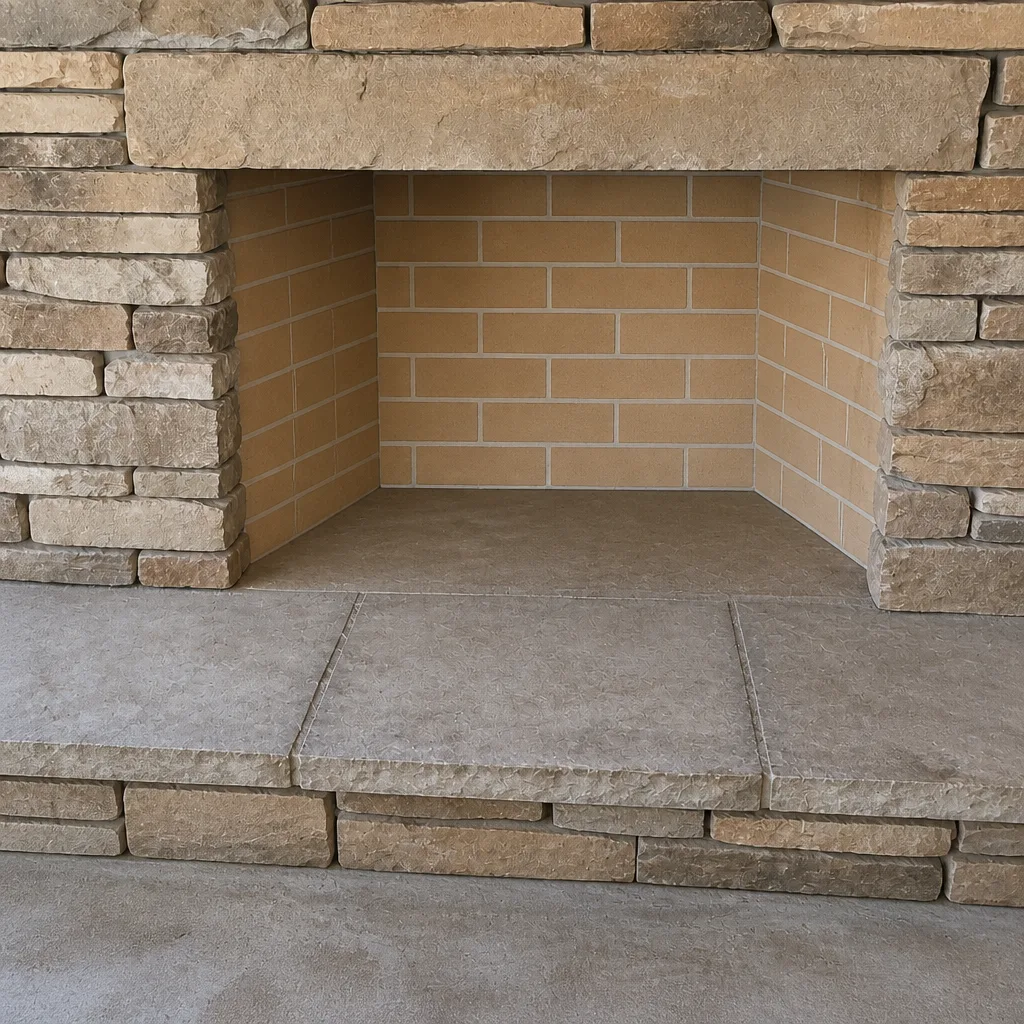 After
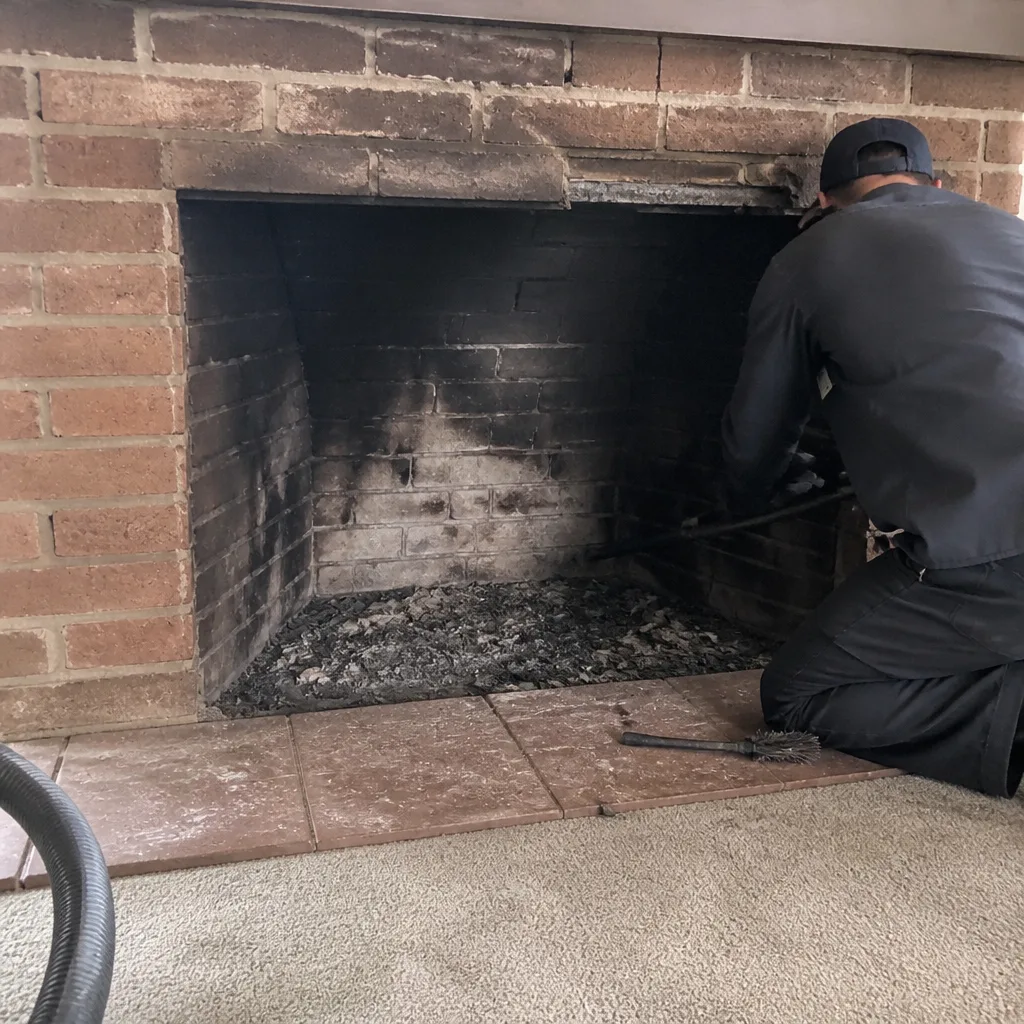 Before
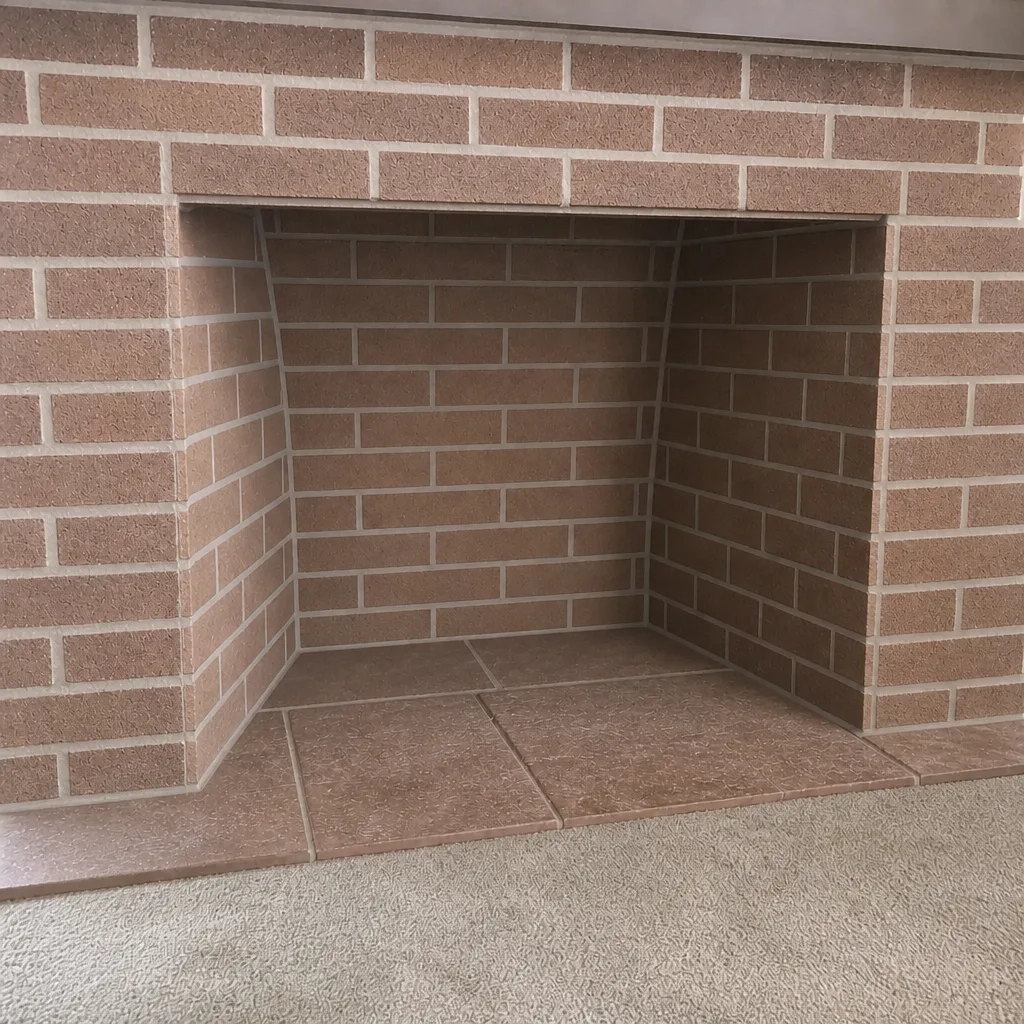 After
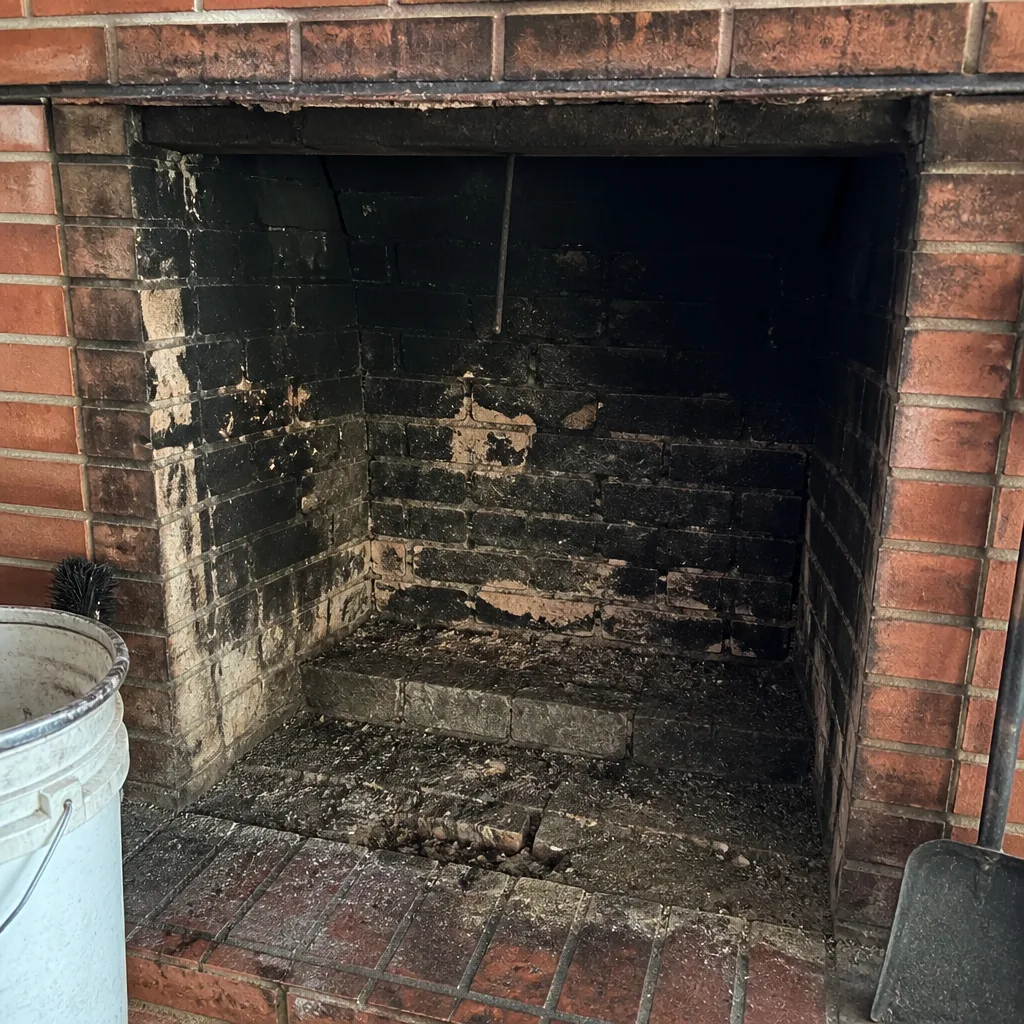 Before
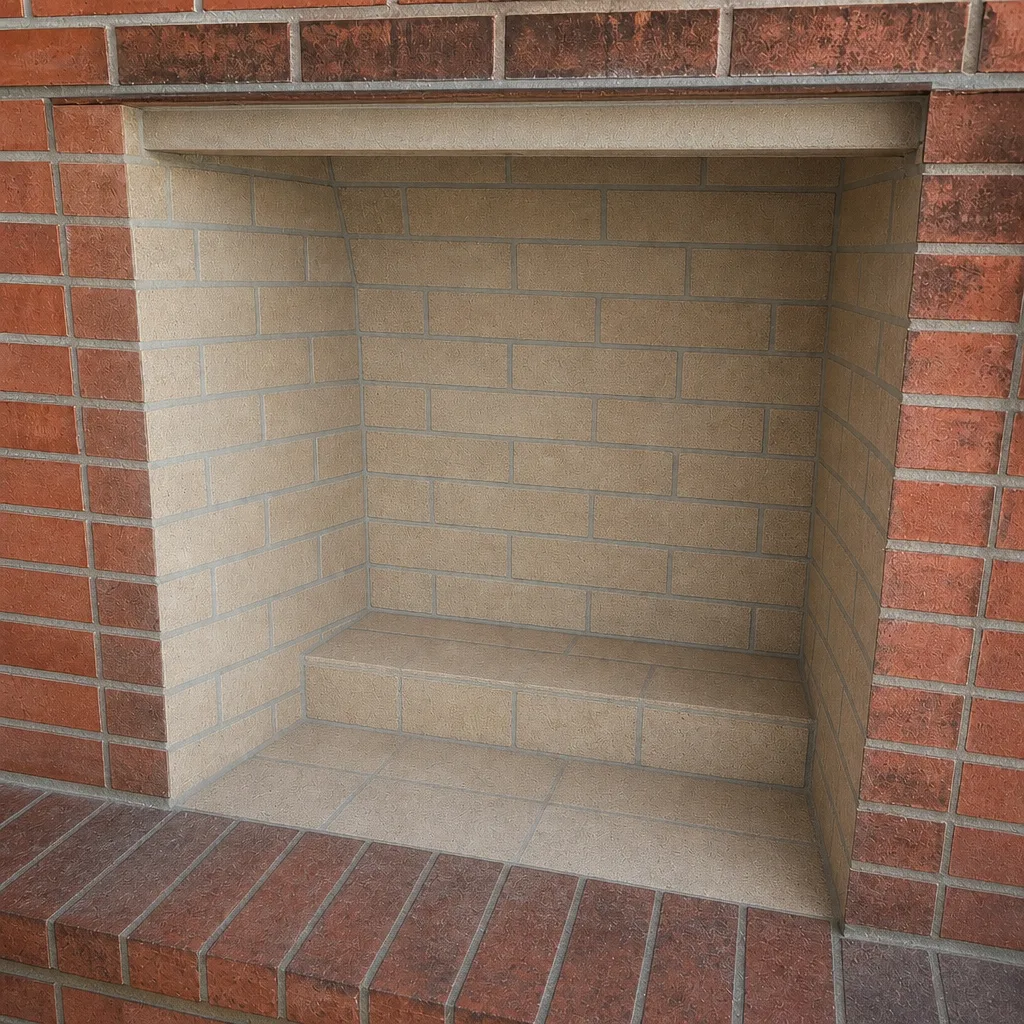 After
When to Call a Professional
Call a professional now, before the season, if you smell gas or sulfur with the fire out, if you see glazed or shiny creosote, if smoke is coming into the room, if the firebox is cracked, or if you see white staining after heavy monsoon storms. Those are the warning signs that need a real diagnosis.
Call to book a routine sweep if the smell is a faint wood smoke odor with the fireplace closed, if the fire is slow to start, or if it’s been a while since the chimney has been looked at. Bring your photos and your notes. In our experience, the homeowners who get the most useful visit are the ones who tell us what they saw and smelled.
You are never being upsold into a repair you can’t verify. We inspect first and recommend second, and we will tell you plainly when something can safely wait. Our technicians have up to experience, and we can answer questions about the condition you’re seeing. Our estimates are free and the price is set per job by the written estimate. Chimney Sweep Avondale offers free estimates in Avondale. Call (833) 906-6774. We answer 24/7. Fast dispatch from 7am to 7pm, Sunday through Friday. Or review the Avondale service page and read what a visit covers.
Frequently Asked Questions
A standard chimney sweep for a wood-burning fireplace is typically in the lower hundreds of dollars, and the exact price is set per job by the written estimate after we see the chimney. The price depends on the creosote level, access, and whether an inspection is included. Estimates are free, so the number you get is the number for your chimney, not a range pulled from a website. Call (833) 906-6774 for an exact quote – estimates are free.
It depends on the condition of the liner, and that’s a question a camera inspection answers directly. A damaged clay tile liner can often be resurfaced instead of fully replaced, using a system like HeatShield ceramic resurfacing, which is an industry-recognized liner repair system. A full liner replacement is the right answer when the damage is too extensive for resurfacing or the flue configuration has failed. Ask to see the photos, ask what condition the liner is in, and ask why a repair isn’t possible. If the answers are clear, the recommendation is solid. Call (833) 906-6774 for an exact quote – estimates are free.
Once a year is the standard recommendation for wood-burning fireplaces, and it’s also a good rule for a gas fireplace to have its venting inspected annually. If you burn heavily, or if your wood is not well seasoned, you may need it more often. Creosote builds faster with wet wood and slow, smoldering fires. The once-a-year rule is a baseline, and the sweep will tell you how it’s actually going when we look inside. Call (833) 906-6774 for an exact quote – estimates are free.
Creosote keeps accumulating, and it moves from a light, brushable layer to a crusty one and eventually to a glazed stage that can ignite. A chimney fire can damage the flue, and a damaged flue is a carbon monoxide risk on top of a fire risk. The honest version is that skipping one year is usually recoverable, and skipping several years tends to turn a routine sweep into a repair. The point is to know what condition you’re in before the season. Call (833) 906-6774 for an exact quote – estimates are free.
Because the smell is moisture. Monsoon season drives water into masonry through the crown, the flashing, or a missing cap, and the chimney holds that moisture. The smell is the symptom; the water is the problem. Efflorescence staining after storms is the visual version of the same signal. Get it looked at before the next season, because water damage doesn’t stabilize on its own. Call (833) 906-6774 for an exact quote – estimates are free.
In many cases, yes, but it depends on the warning sign. A faint campfire smell, a slow draft, or an efflorescence stain usually allow continued use while you wait for a booked visit. Glazed or shiny creosote, smoke coming into the room, a cracked firebox, or any sulfurous or gas smell means stop burning immediately. If you’re unsure which category you’re in, call and describe it before you light the next fire. Call (833) 906-6774 for an exact quote – estimates are free.
The Bottom Line
Chimney warning signs are information, not verdicts. The smell when the fireplace is closed, the glazed deposits on the firebox walls, the white staining after monsoon season, and the cracked crown after a hot summer each point to a specific cause, and each has a measured response. Read them honestly, document what you see, and get a professional inspection before the season starts. The difference between a warning sign you can live with and one that means stop today is the whole reason this guide exists. Inspect first, recommend second, and don’t accept a repair quote you can’t see the evidence for. Call (833) 906-6774 for a free estimate. We answer 24/7. Fast dispatch from 7am to 7pm, Sunday through Friday. And if the inspection turns up liner damage, ask about chimney repair options such as HeatShield resurfacing before you agree to a full relining.
Written by the team at Chimney Sweep Avondale.