
Last updated November 16, 2026
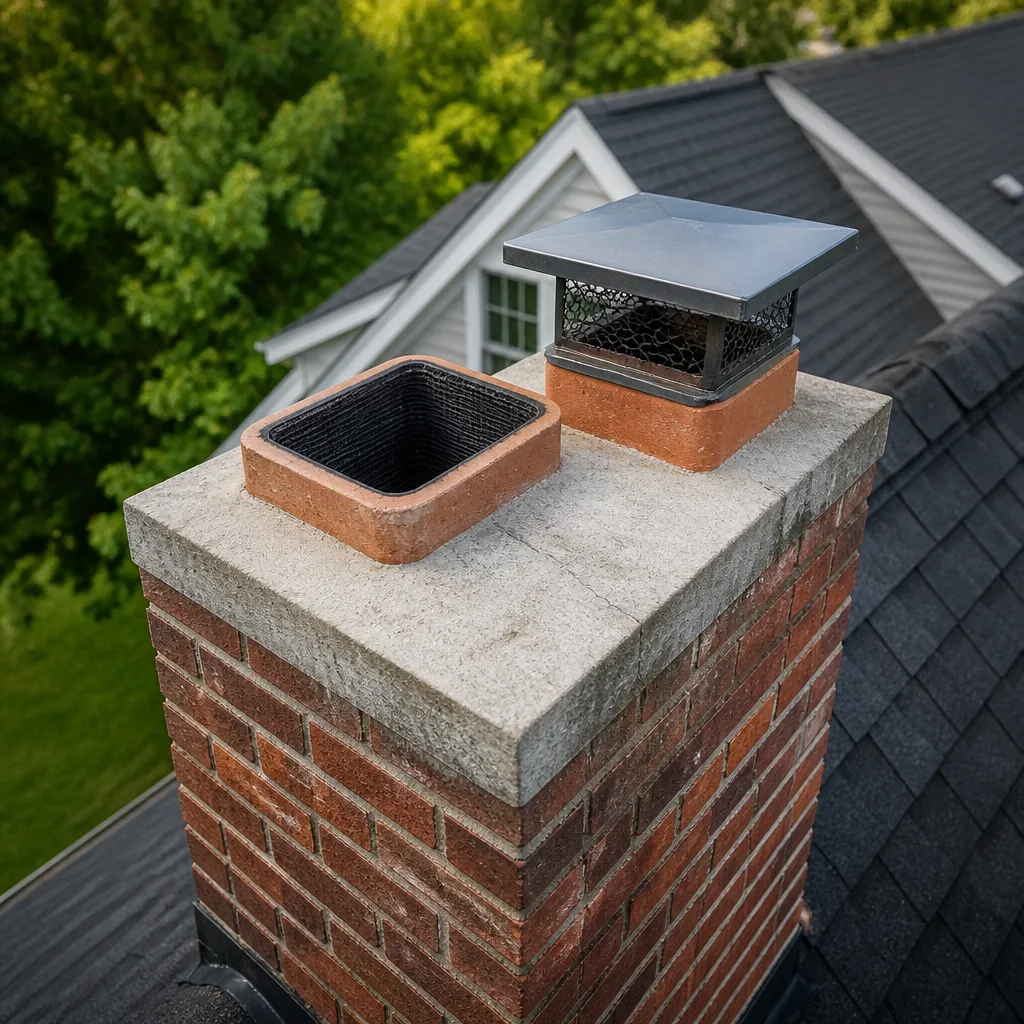 Sweep & inspection
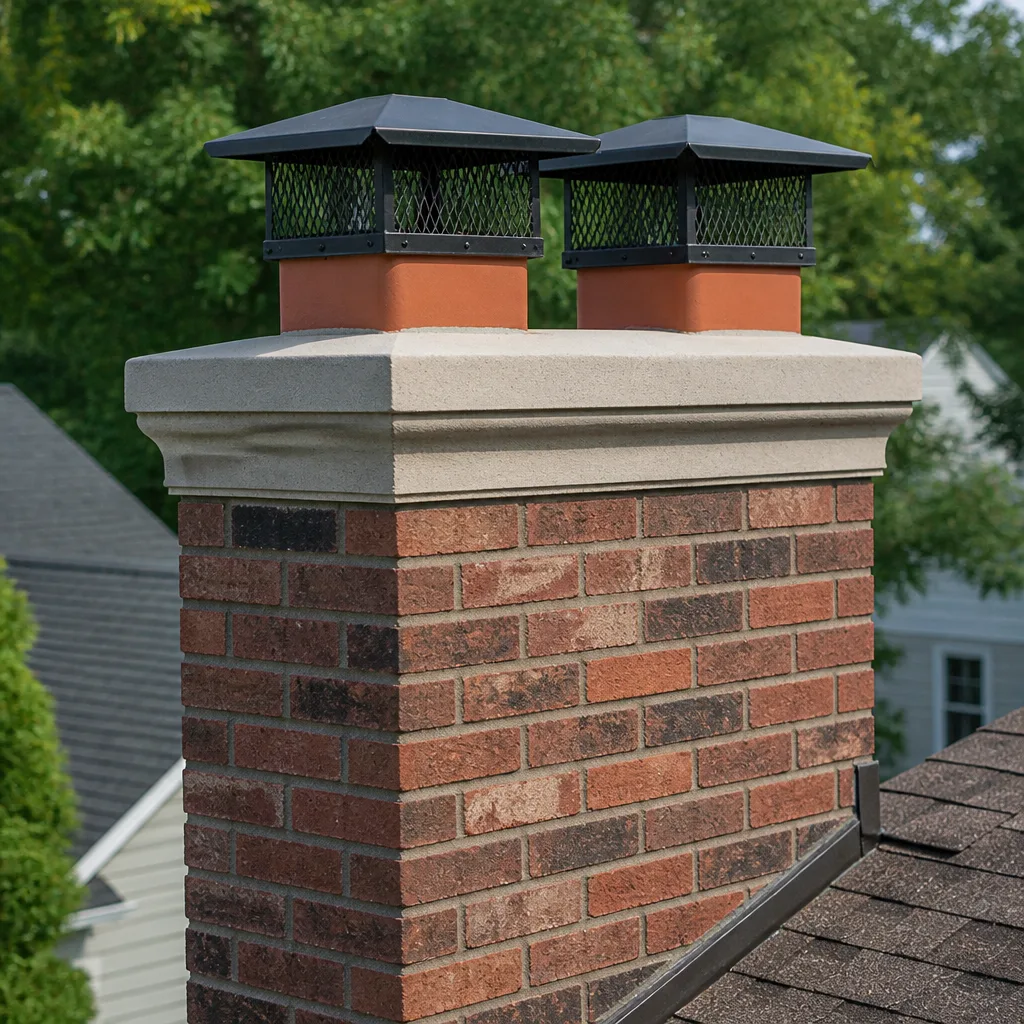 Caps & crowns
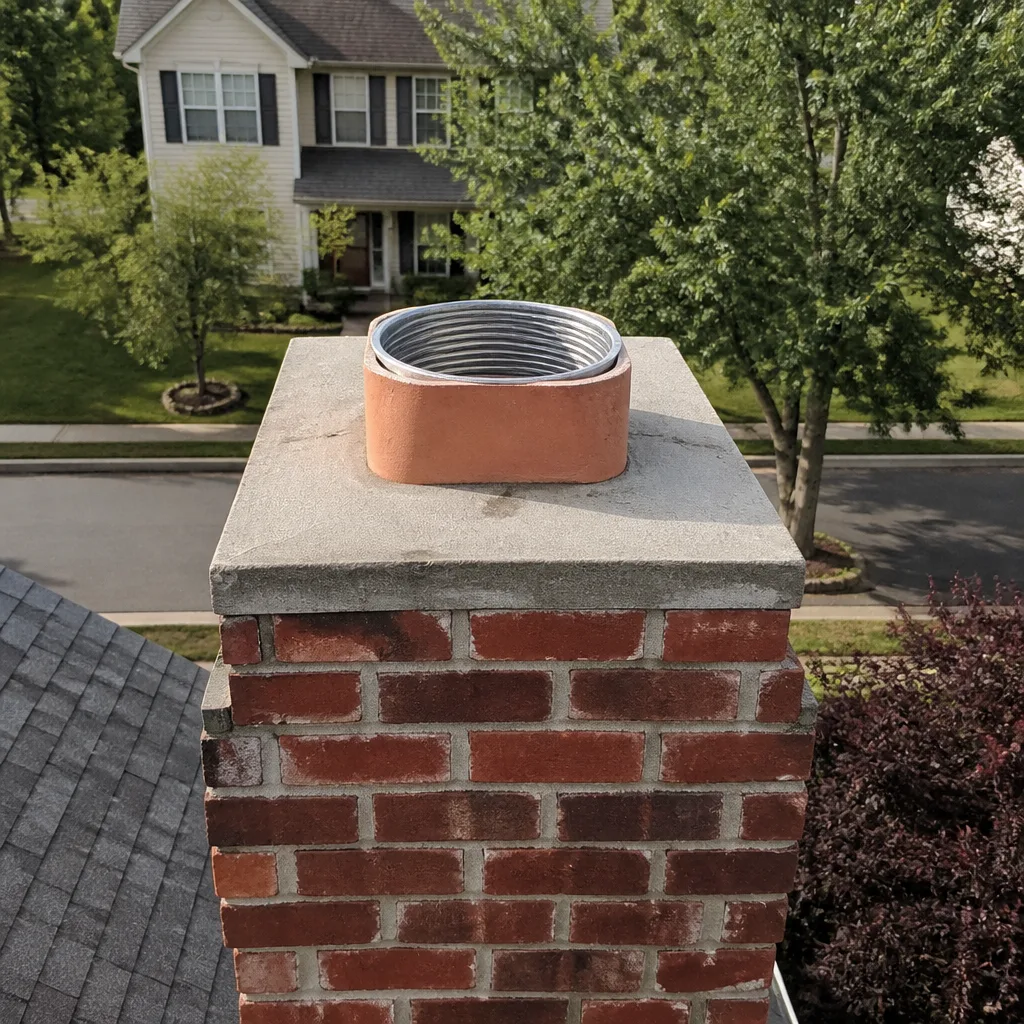 Flue relining
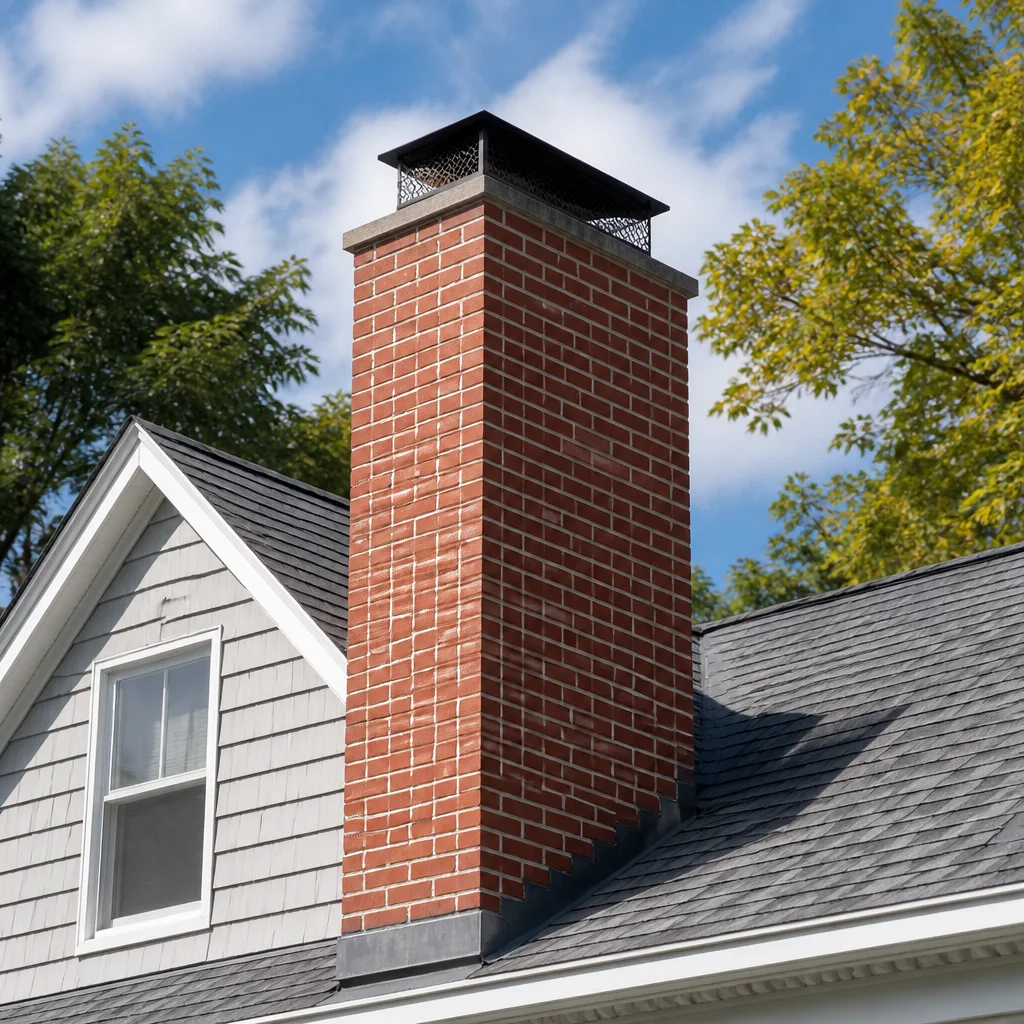 Masonry repair
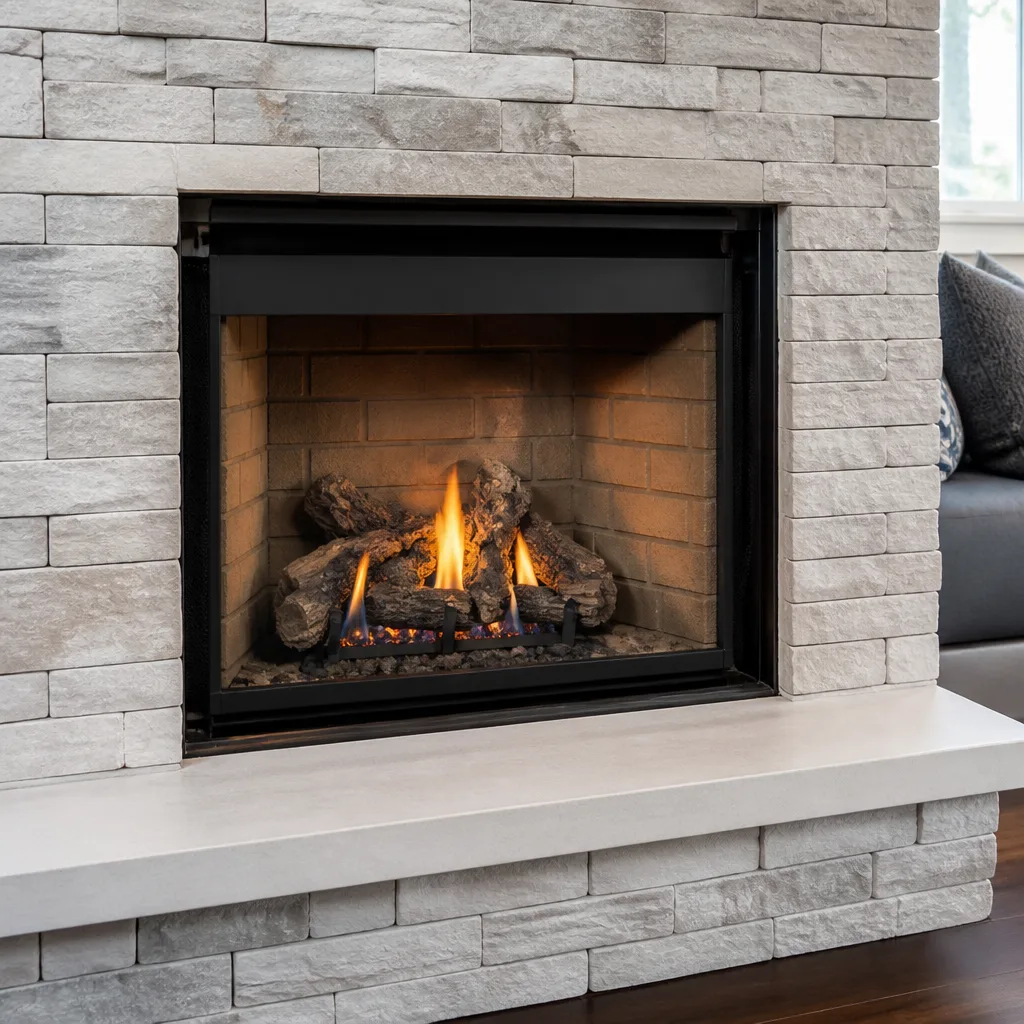 Gas fireplace service
Level 1 sweep and inspection to the NFPA 211 annual standard - flue, crown, cap, and flashing checked and photographed
Chimney sweep logs do not sweep chimneys. They loosen some creosote - which then falls where a brush and vacuum still have to collect it.
Chimney Cleaning Permits, Codes & Inspections in Avondale, AZ: What You Need to Know
A routine chimney cleaning doesn’t require a permit. Replacing a cracked flue liner does. That gap trips up a lot of Avondale homeowners, because the two jobs can feel identical when you’re standing in the living room writing a check. In our experience, the tradespeople who skip permits rarely pause to explain which category your job falls into, and you’re left assuming everything was filed properly. We wrote this guide to draw that line clearly: what counts as maintenance, what counts as regulated structural work, how unpermitted repairs can complicate an insurance claim or a home sale, and how to verify permits before the work starts.
Quick Answer
Routine chimney sweeping and annual inspections in Avondale are maintenance tasks and generally don’t require a permit. Structural work – flue liner replacement, firebox rebuilds, chimney demolition or reconstruction, and major alterations to the venting system – typically does require a permit through the City of Avondale’s building department, and the work should be inspected before it’s closed up. The national standard that shapes local inspection expectations is NFPA 211, and a Level 2 inspection is called for during a home sale or after a chimney fire, earthquake, or other event that may have damaged the flue.
Styles & brands we work with
- Sweep & inspection
- Caps & crowns
- Flue relining
- Masonry repair
- Gas fireplace service
Table of Contents
- Where maintenance ends and regulated work begins
- What NFPA 211 is and why Avondale inspectors care about it
- When a Level 2 inspection becomes mandatory
- How unpermitted repairs affect insurance and disclosure in Arizona
- How to verify permits before work begins
- Why Avondale’s climate and housing stock matter for chimneys
- The three inspection levels explained
- Common mistakes to avoid
- Frequently asked questions
Where Maintenance Ends and Regulated Work Begins
The cleanest way to think about it: anything that cleans, evaluates, or replaces a component without altering the structure of the chimney is maintenance. Anything that changes the structure, the flue path, or the fire-rated assembly is regulated work. That’s the broad principle behind most local permitting requirements, including Avondale’s.
Generally no permit required:
- Routine sweeping to remove creosote and soot
- Visual and camera inspections at any level
- Cap replacement when it’s a like-for-like swap on an existing crown
- Damper repair or replacement using manufacturer-specified parts
- Minor mortar repointing on the firebox or smoke chamber where no structural change is involved
Typically requires a permit:
- Relining the flue, whether with a flexible stainless system or a cast-in-place ceramic resurfacing
- Firebox rebuilds that change the dimensions or materials
- Chimney demolition, partial or full
- Adding a new chimney, flue, or appliance connection
- Structural repair to the chimney stack itself
Here’s the wrinkle. Cast-in-place liner restoration with a product like HeatShield occupies a middle ground. It repairs and reslins a damaged flue from the inside, which is genuinely less invasive than a full tear-out. Whether your specific job is treated as a repair or an alteration depends on the scope, and that’s a question for the Avondale building department before the work is scheduled, not after. A chimney professional who handles liner work regularly should know the answer automatically and offer to pull the permit as part of the job.
If you’re not sure which side of the line your chimney falls on, a proper evaluation should tell you. We handle chimney repair and inspection together precisely so the person diagnosing the problem is the same person who can tell you whether a permit is required for the fix.
What NFPA 211 Is and Why Avondale Inspectors Care About It
NFPA 211 is the national standard for chimneys, fireplaces, vents, and solid fuel-burning appliances. Published by the National Fire Protection Association, it sets the consensus baseline for how a chimney should be constructed, maintained, inspected, and repaired. Local building codes, including those Avondale enforces, generally adopt or reference NFPA 211 rather than reinvent the standards from scratch.
In practical terms, NFPA 211 answers the questions that come up on nearly every job:
- What clearances a chimney needs to combustible materials
- What condition a flue liner must be in to remain in service
- When an inspection is required and at what level
- What constitutes an acceptable cap, crown, and damper setup
- How much creosote buildup triggers a cleaning recommendation
When a city inspector reviews permitted chimney work in Avondale, they’re checking the finished installation against these standards. That matters to homeowners because it means the inspection isn’t a formality – it’s the point where a flue liner install gets verified for clearance, termination height, and integrity before it’s covered up and forgotten.
The other side of NFPA 211 is that it’s also the standard that informs what a chimney sweep is looking for during a routine evaluation. A sweep who works to NFPA 211 standards is checking clearances, liner condition, and venting adequacy, not just running a brush down the flue and handing you a bill.
When a Level 2 Inspection Becomes Mandatory
A Level 2 inspection is the one that involves a camera run through the flue to see the inside of the liner from top to bottom. It’s more thorough than the visual Level 1 check that comes with an annual sweep. Under NFPA 211, there are specific circumstances that call for one:
- Sale or transfer of a home. When a property changes hands, the chimney should receive a Level 2 inspection before the transaction closes. This protects both buyer and seller.
- After a chimney fire. Even a small fire can crack a clay liner or warp a metal one, and the damage often isn’t visible from the firebox.
- After an event likely to cause damage. That includes a lightning strike, an earthquake, or a structural event that may have shifted the chimney.
- When an appliance is changed or added. Switching fuels, adding a new insert, or connecting a different appliance can change the venting requirements enough to warrant a Level 2 look.
- When a Level 1 inspection turns up something concerning. A Level 1 finding that raises a question about the flue interior is the natural trigger for a Level 2.
In Avondale, the home-sale scenario is the one homeowners run into most. Arizona’s dry climate is hard on masonry, and clay tile liners crack and spall over time from thermal cycling rather than from moisture freezing inside them. A buyer’s inspector flags the chimney, the seller needs a documented condition report, and suddenly everyone needs a Level 2 camera inspection with photos. Better to have it done proactively if you’re planning to list.
How Unpermitted Repairs Affect Insurance and Disclosure in Arizona
This is where the permit question stops being abstract. A chimney fire claim can be denied, or the payout reduced, if the insurer determines that a prior unpermitted alteration to the flue contributed to the loss. Insurance companies look at the condition of the chimney at the time of the fire, and an unpermitted liner replacement is exactly the kind of thing that raises questions about workmanship and code compliance.
Arizona also requires sellers to disclose known material defects during a real estate transaction. If you’ve had chimney work done and you know the work wasn’t permitted, that’s information a future buyer’s inspector will likely surface anyway. An unpermitted repair in a closing file can stall the transaction, force a renegotiation, or in the worst case require the work to be redone to satisfy the buyer’s lender.
The practical pattern we see in Avondale:
- The original repair was done without a permit to save time or money
- Years pass and no one remembers the work was unpermitted
- An inspection during a sale flags a code issue with the installation
- The seller ends up paying for corrective work at the worst possible moment
The fix is straightforward. Ask for the permit before the work starts, keep a copy of the final inspection sign-off with your home records, and note the date and scope of any chimney repair. That file is worth keeping with your insurance paperwork.
How to Verify Permits Before Work Begins
The permit question needs to be settled before the first day on the job, not after the flue’s been lined and closed. Here’s how to run the verification, step by step:
- Ask what permit the job requires. A contractor who handles liner work regularly should be able to tell you whether the City of Avondale requires a permit for your specific scope, in plain language. If they can’t answer confidently, that’s a signal.
- Confirm who is pulling the permit. On a liner or structural job, the contractor pulling the permit is the one carrying responsibility for the finished work. Get it in writing that they’ll pull it.
- Get the permit number before work starts. The permit number appears on the approved permit, and it’s your proof the job is on the record. Keep it with the estimate and the invoice.
- Confirm the inspection. Once the work is complete, the permit must be signed off by the city inspector. Ask for the final inspection documentation.
- Cross-check with the city. If you want to confirm independently, the City of Avondale’s building department can look up permit activity tied to a property address.
The reason we emphasize this so heavily is that a homeowner’s main protection against a botched liner install is the inspection process, and that process only works if it’s triggered. When we walk a customer through a chimney sweep, we treat the inspection findings as the starting point for that conversation. The recommendation should be based on what’s actually visible on camera, not on a contractor’s assumption about what a chimney of a certain age “probably needs.”
Why Avondale’s Climate and Housing Stock Matter for Chimneys
Avondale sits in the West Valley, and the local conditions shape how chimneys age here in ways homeowners from other parts of the country don’t always expect. Winters are mild and dry. That means the classic cold-climate problem – freeze-thaw cracking – isn’t the thing to watch for. The local damage pattern is different.
- Thermal cycling. Hot days and cool desert nights put masonry and liners through repeated expansion and contraction. Over years, that’s enough to crack clay tiles and open hairline fractures in mortar joints.
- Dust and debris. West Valley winds push fine dust into caps and crowns, and it accumulates inside the flue between seasons. A flue that sat unused through the summer often starts the first cold snap with a layer of grit to clear.
- Long dormant periods. Many Avondale homeowners use the fireplace a handful of times a year, which means problems that build in the off-season can go unnoticed until the first fire of the season.
- Mixed housing stock. Older homes in the area often have clay tile liners or original masonry fireboxes. Newer builds may have factory-built systems with their own maintenance and inspection requirements. Both need to be evaluated against the right standard.
In our experience, one of the most common surprises in Avondale is a homeowner who assumes the chimney is fine because it gets used rarely, only to find that the clay liner developed cracks during the dry season and the fireplace has been quietly venting into the wall cavity. A camera inspection is the only reliable way to catch that. It’s also why a thorough Avondale chimney evaluation should include a look at the flue interior, not just the firebox.
The Three Inspection Levels Explained
The inspection levels are defined by NFPA 211 and they answer different questions. Knowing the difference helps you match the inspection to the situation, and it helps you recognize when a contractor is overselling or underselling the scope.
Level 1: Readily accessible visual inspection. This is the inspection that comes with an annual sweep. The technician checks the firebox, damper, smoke chamber, accessible portions of the flue, and the chimney exterior. No camera. It’s appropriate when the appliance is unchanged and there’s no known problem.
Level 2: Everything in Level 1, plus a camera inspection of the flue interior. This is the inspection the code calls for during a home sale, after a chimney fire, after a structural event, or when the appliance connection changes. It also involves checking accessible areas of attics, crawl spaces, and other spaces near the chimney. A written report with photos is standard, and that report is what a buyer’s inspector, an insurance adjuster, or a real estate attorney will look at if there’s ever a question.
Level 3: Everything in Level 2, plus access to concealed areas. This is the most invasive inspection, and it’s reserved for situations where a serious hazard is suspected and the only way to confirm it is to open a wall or remove part of the chimney structure. It’s rare, and it should come with a clear explanation of what’s being opened and why.
For most Avondale homeowners, the annual Level 1 during a routine sweep is enough. The Level 2 shows up when there’s a specific trigger. If a sweep recommends a Level 3 without a documented reason from a Level 2, ask for the reasoning before agreeing to any demolition.
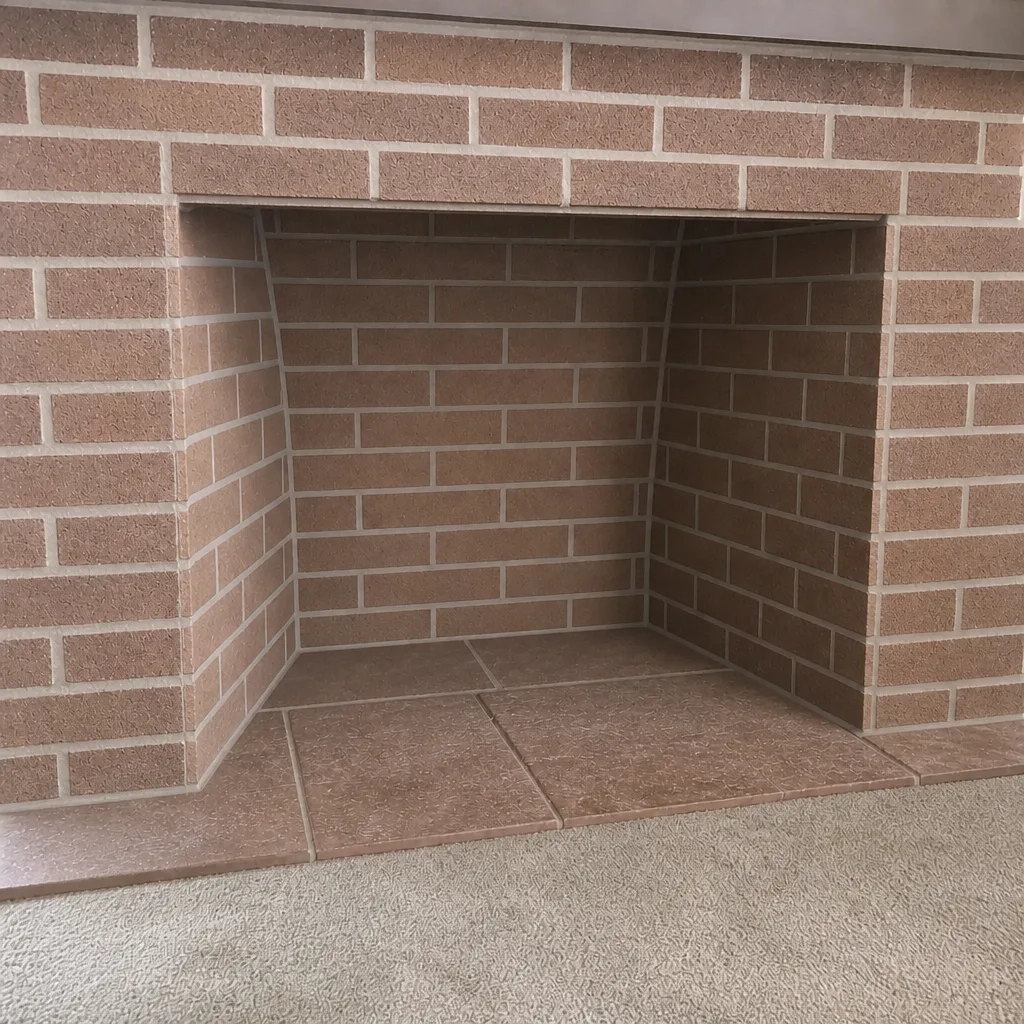
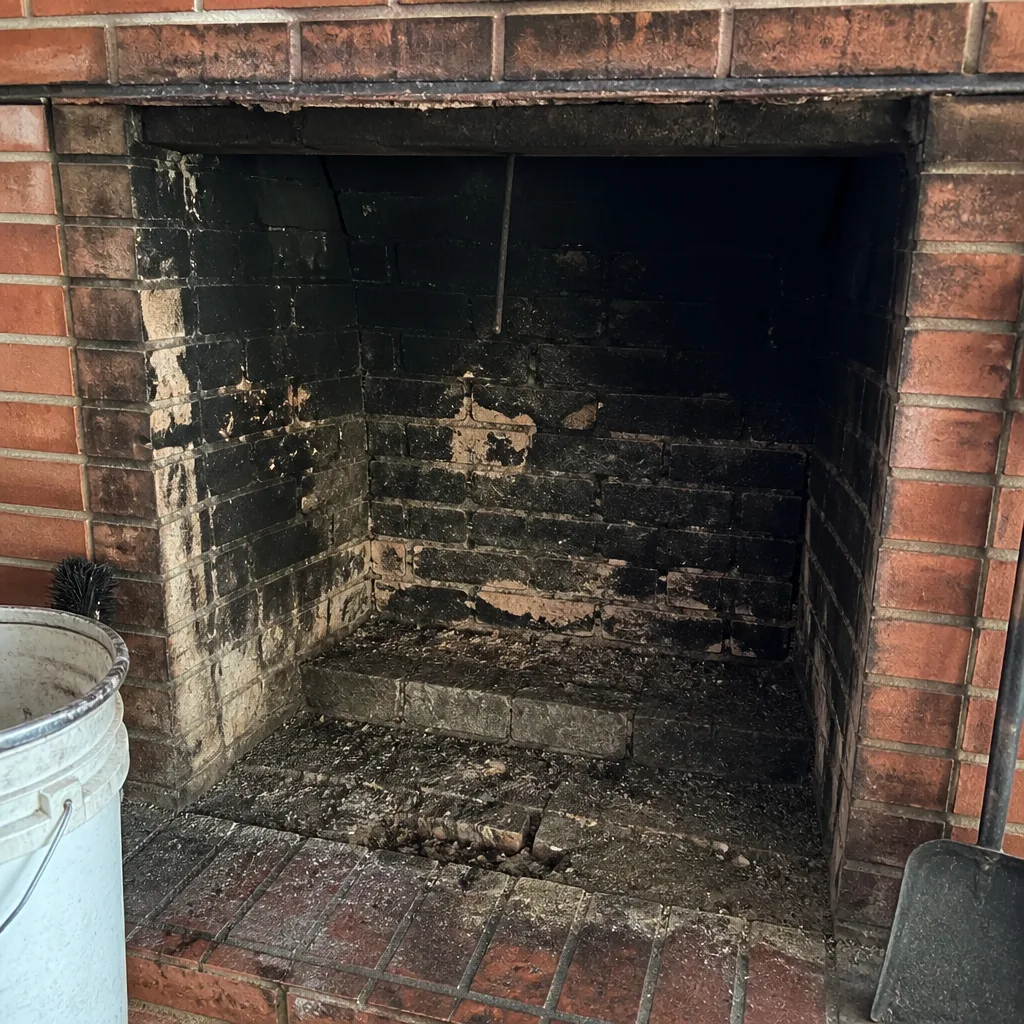
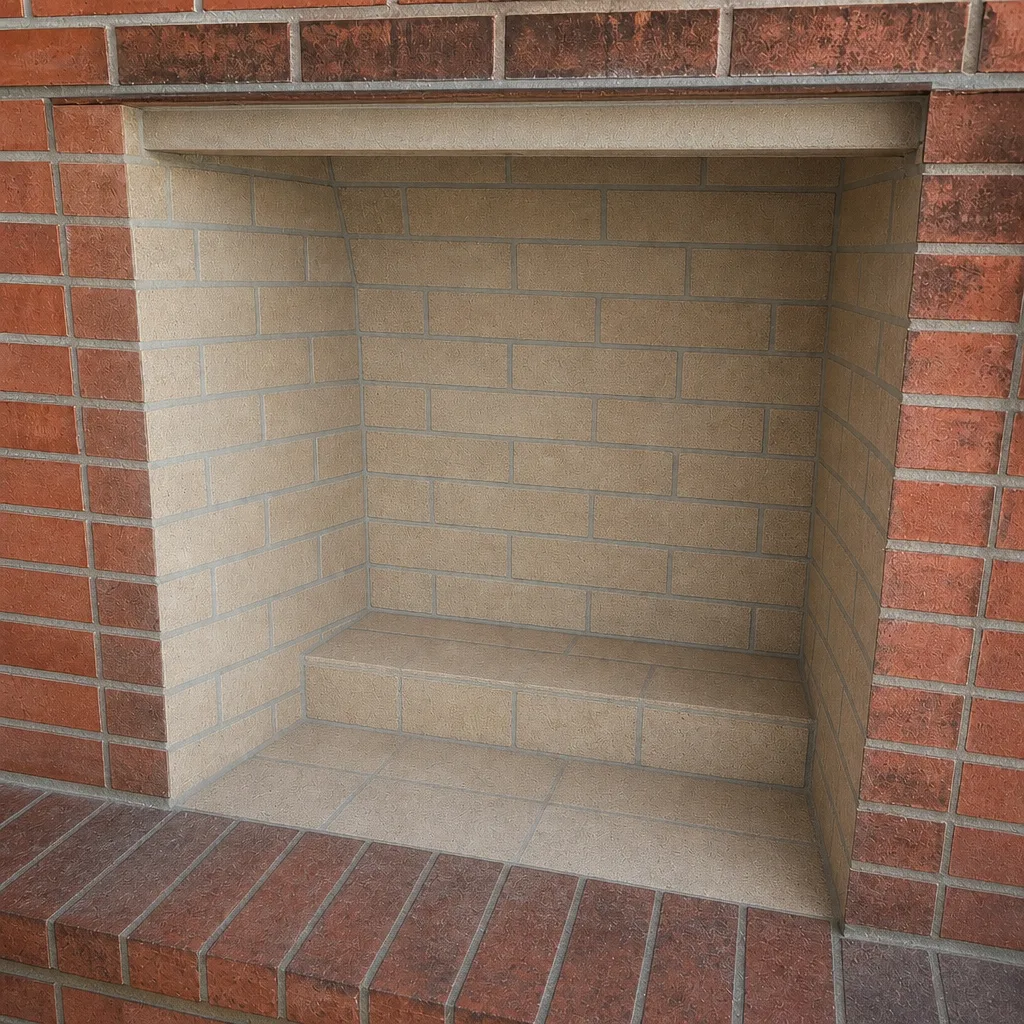
See the difference
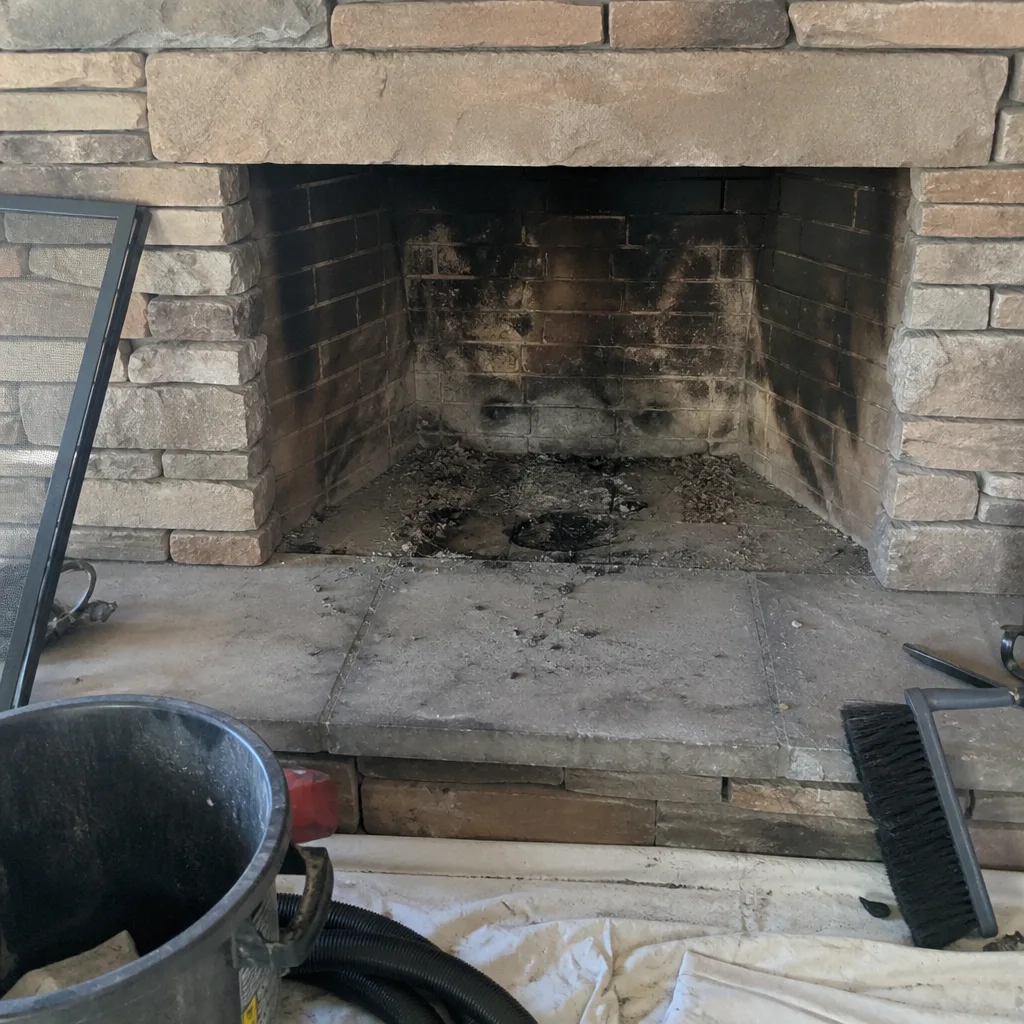 Before
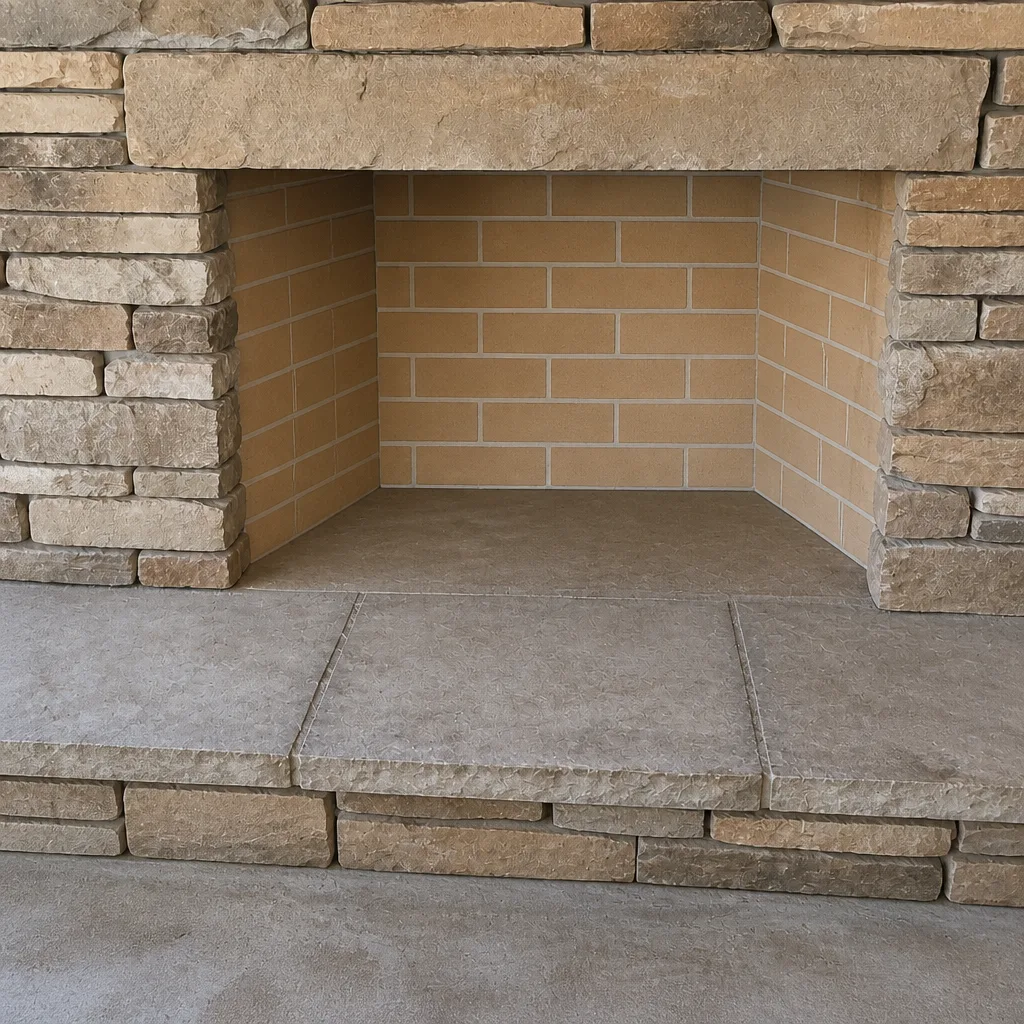 After
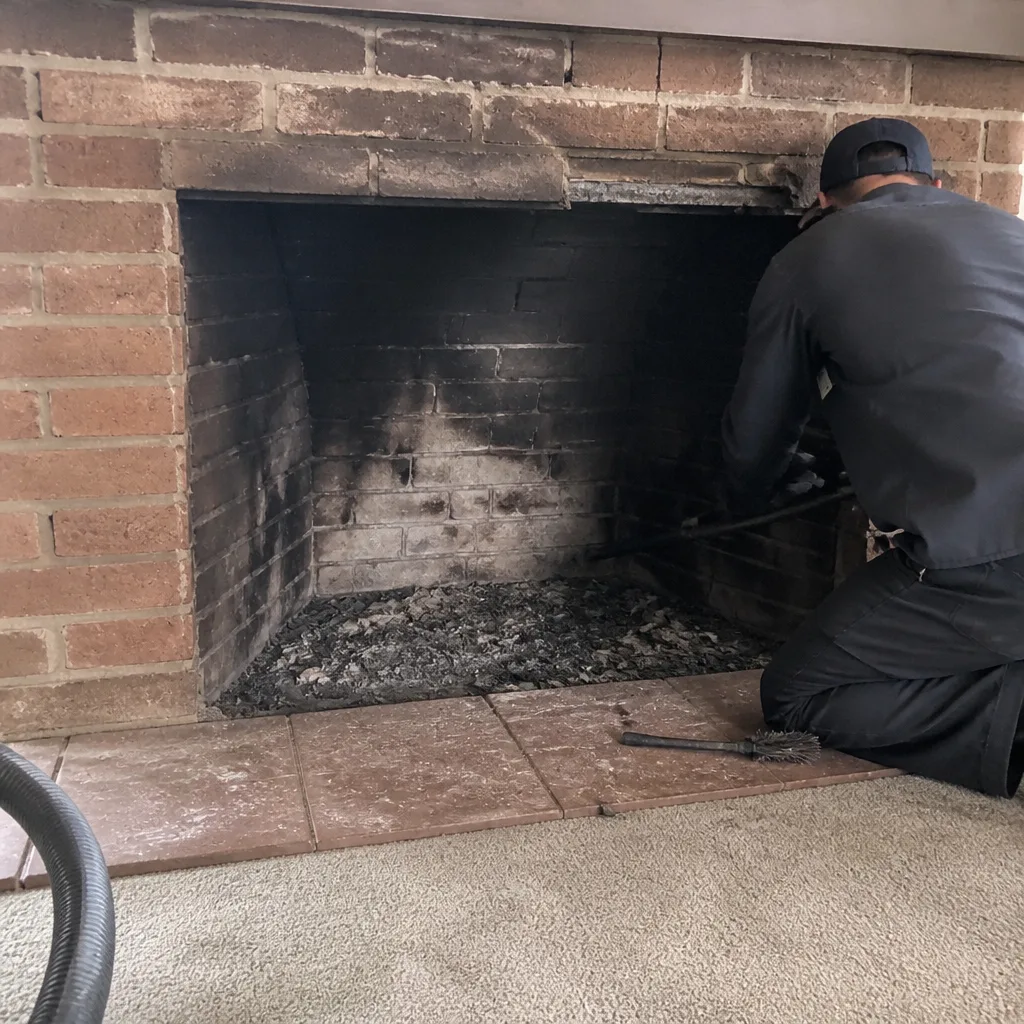 Before
 After
 Before
 After
How Much Does a Chimney Inspection Cost in Avondale?
A Level 1 inspection bundled into a routine sweep is the most affordable starting point. A Level 2 with a camera run costs more because it takes longer, produces a photo report, and requires more of the technician’s time. Pricing is set per job by a written estimate, so the range depends on the chimney configuration, how accessible the flue is, and whether repairs are being planned alongside the inspection.
What you should expect from any quote:
- A written scope that names the inspection level and what it covers
- A clear note on whether a permit is required for any recommended repair
- Material specifics if a liner repair or replacement is proposed – not just “a new liner” but which system and why
- An explanation of what can safely wait and what shouldn’t
The estimate itself should be free. If a contractor wants to charge you to come look at the chimney before quoting, that’s worth questioning. Call (833) 906-6774 for an exact quote – estimates are free.
Common Mistakes to Avoid
- Assuming liner replacement is always a permit job and sweeping never is. The category depends on the scope, not the trade. Ask specifically about your job and get the answer before work is scheduled.
- Skipping the Level 2 during a home sale. In Avondale, a buyer’s inspector will flag the chimney nearly every time. Getting your own Level 2 first gives you the report before the clock is running.
- Accepting a liner replacement quote without camera evidence. If a contractor recommends relining, they should be able to show you the cracked or deteriorated tile on the camera footage. If they can’t, the recommendation isn’t verifiable.
- Not keeping the permit paperwork. The permit number and final inspection sign-off belong in your home records. Without them, you have no way to prove the work was permitted when you sell or file a claim.
- Treating a rarely used fireplace as low-risk. The Avondale climate can crack a liner over a dormant season with no sign from the living room. Long gaps between fires make annual inspections more important, not less.
- Hiring a generalist for liner work. A handyman can sweep a flue, but a liner replacement involves specific knowledge of NFPA 211 clearances and the local code requirements. Match the trade to the scope.
- Assuming a swept chimney is a safe chimney. Sweeping removes creosote. It doesn’t repair a cracked liner. If the sweep doesn’t include a camera check, the flue interior is unverified.
When to Call a Professional
Call a chimney professional when you’re uncertain about the permit category, when a sweep has flagged something that needs a closer look, when you’re getting ready to sell, or when a fireplace has sat unused for a season and you’re not sure what condition the flue is in. Call if you smell smoke in the house when the fireplace is lit, if you see cracked or missing tiles inside the firebox, or if a prior repair’s paperwork is missing and you’re not sure it was permitted. Those are exactly the situations where a proper inspection and a written report matter most. Chimney Sweep Avondale offers free estimates in Avondale – call (833) 906-6774. We answer 24/7. Fast dispatch from 7am to 7pm, Sunday through Friday.
Frequently Asked Questions
No. Routine chimney sweeping is maintenance and doesn’t require a permit in Avondale. Liner replacement, structural chimney work, firebox rebuilds, and new flue installations do typically require a permit through the City of Avondale’s building department. Call (833) 906-6774 for an exact quote – estimates are free.
That depends entirely on what the camera shows. HeatShield ceramic resurfacing can restore a flue liner with cracks and gaps in many cases, avoiding a full relining. A liner that’s structurally failed or badly misaligned may need a full replacement with a flexible system. Nothing should be recommended without camera evidence – ask to see the footage. Call (833) 906-6774 to schedule a camera inspection.
The general rule is once a year, and more often if the fireplace is used heavily or if you’re burning wood that produces a lot of creosote. In Avondale, the annual sweep is also the chance to catch thermal-cycling damage from the dry season. Call (833) 906-6774 to book a sweep.
Creosote builds up inside the flue, and at higher accumulation levels it becomes fuel for a chimney fire. Separately, a cracked liner can allow combustion gases to vent into the wall cavity rather than up the chimney, which is the carbon monoxide risk. Neither outcome is inevitable, but neither is detectable from the living room without an inspection. Call (833) 906-6774 to get the chimney evaluated.
Yes, that’s one of the specific triggers for a Level 2 under NFPA 211. Selling a home is exactly the moment a camera inspection with a written photo report is called for, because the buyer’s inspector will ask for it anyway. Getting it done proactively keeps the transaction on schedule. Call (833) 906-6774 for a quote.
Look for the permit number and the final inspection sign-off in your home records. If that paperwork is missing, the City of Avondale’s building department can look up permit activity for the property address. If the work turns out to be unpermitted and it affects the flue, it should be evaluated and corrected before a sale or an insurance claim forces the issue. Call (833) 906-6774 if you need the chimney condition documented.
The Bottom Line
The line between maintenance and regulated work is the single most useful thing to understand about chimney permits in Avondale. Sweeping and inspections are maintenance. Liner replacement, structural repairs, and new flue installs are permit work, and skipping that step has downstream consequences for insurance claims and real estate disclosures. NFPA 211 is the standard underneath it all, and it’s also what determines when a Level 2 inspection is required – usually during a home sale or after a chimney event. Verify the permit before work starts, keep the paperwork, and insist on camera evidence for any liner recommendation. That’s the whole system, and it works.
If you’d like the chimney evaluated before anything else happens, we can help. Chimney Sweep Avondale handles inspection, sweeping, and repair as a single job so you’re not relaying findings between trades. Call (833) 906-6774 for a free estimate. We answer 24/7. Fast dispatch from 7am to 7pm, Sunday through Friday.
Written by the team at Chimney Sweep Avondale.