
Last updated November 16, 2026
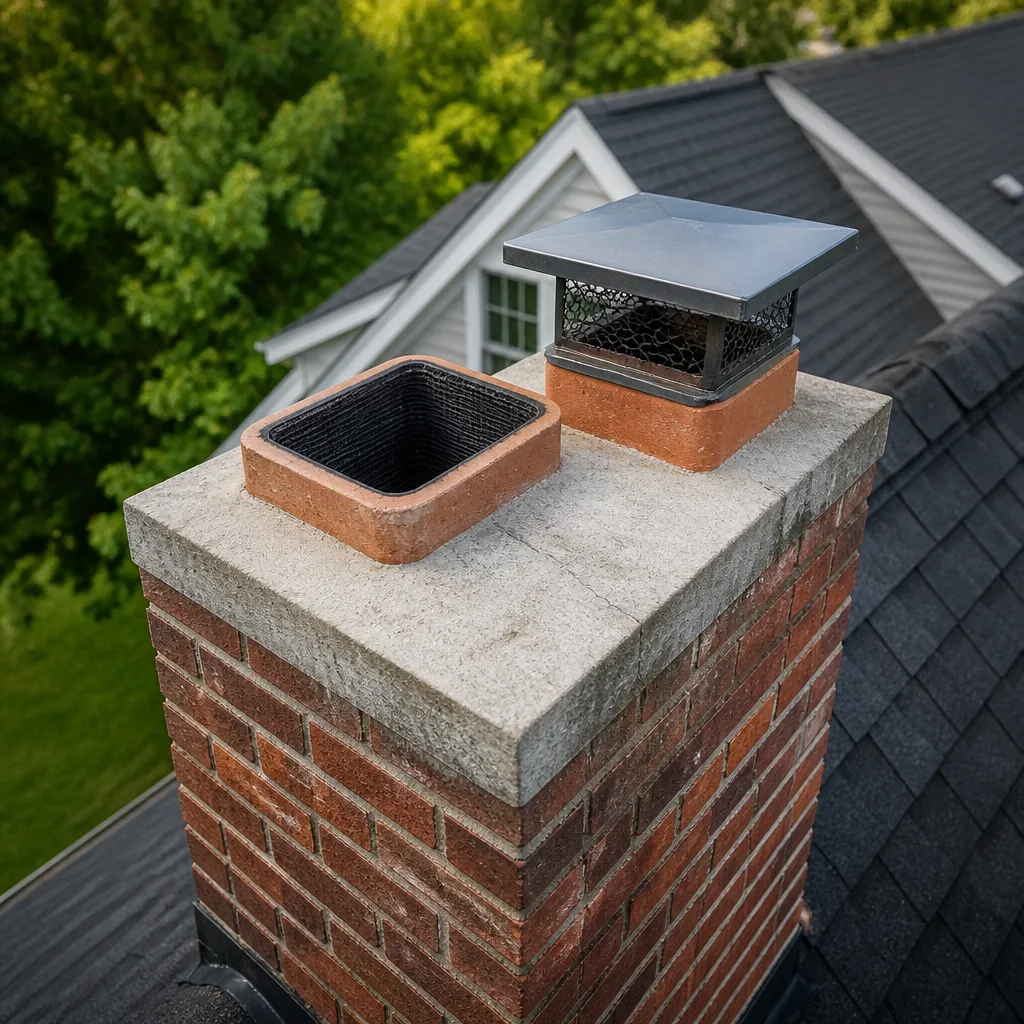 Sweep & inspection
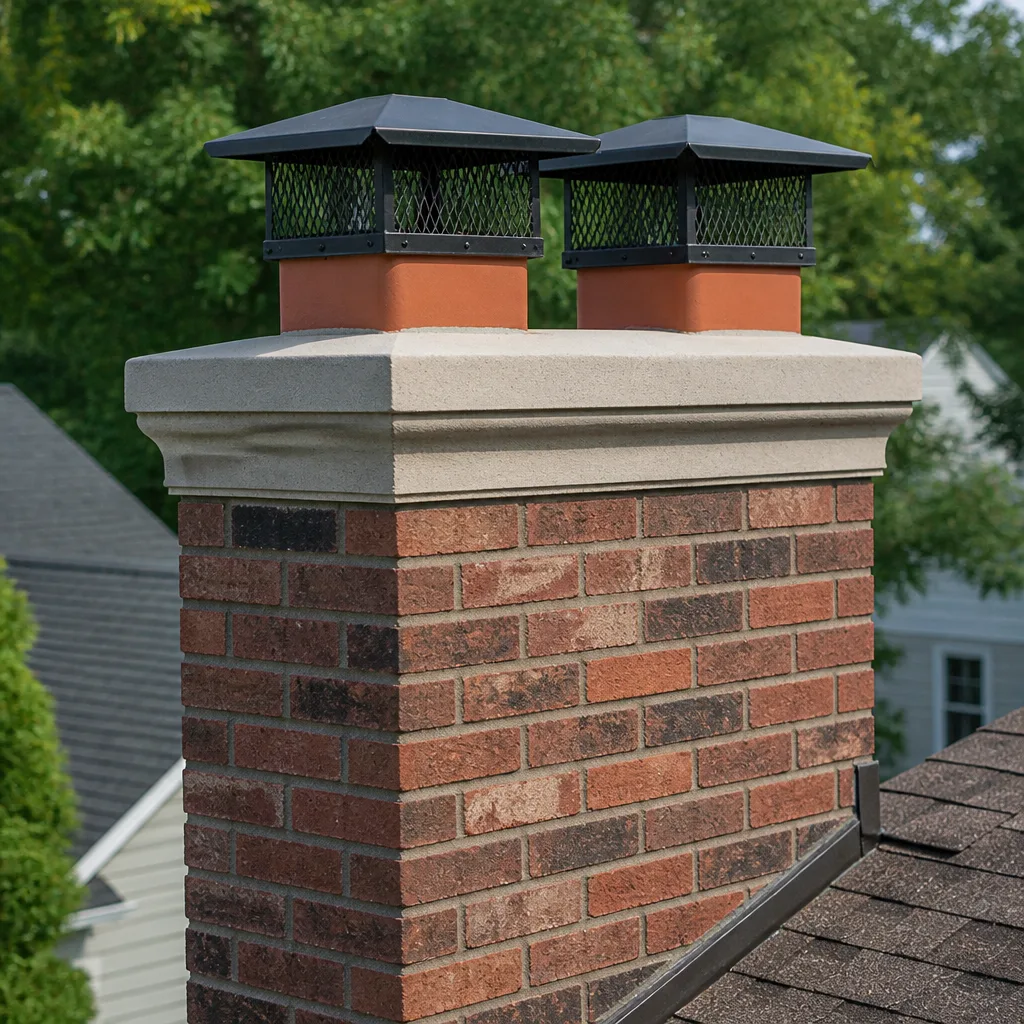 Caps & crowns
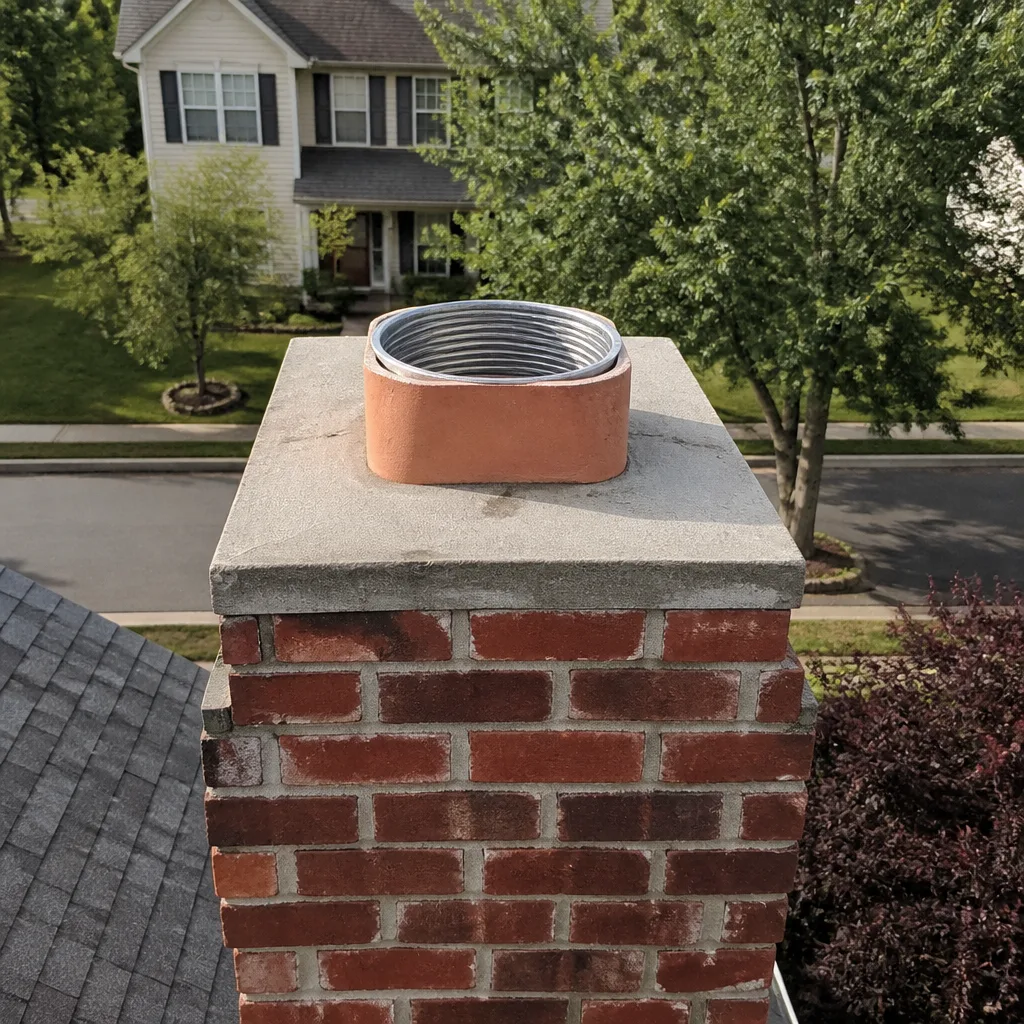 Flue relining
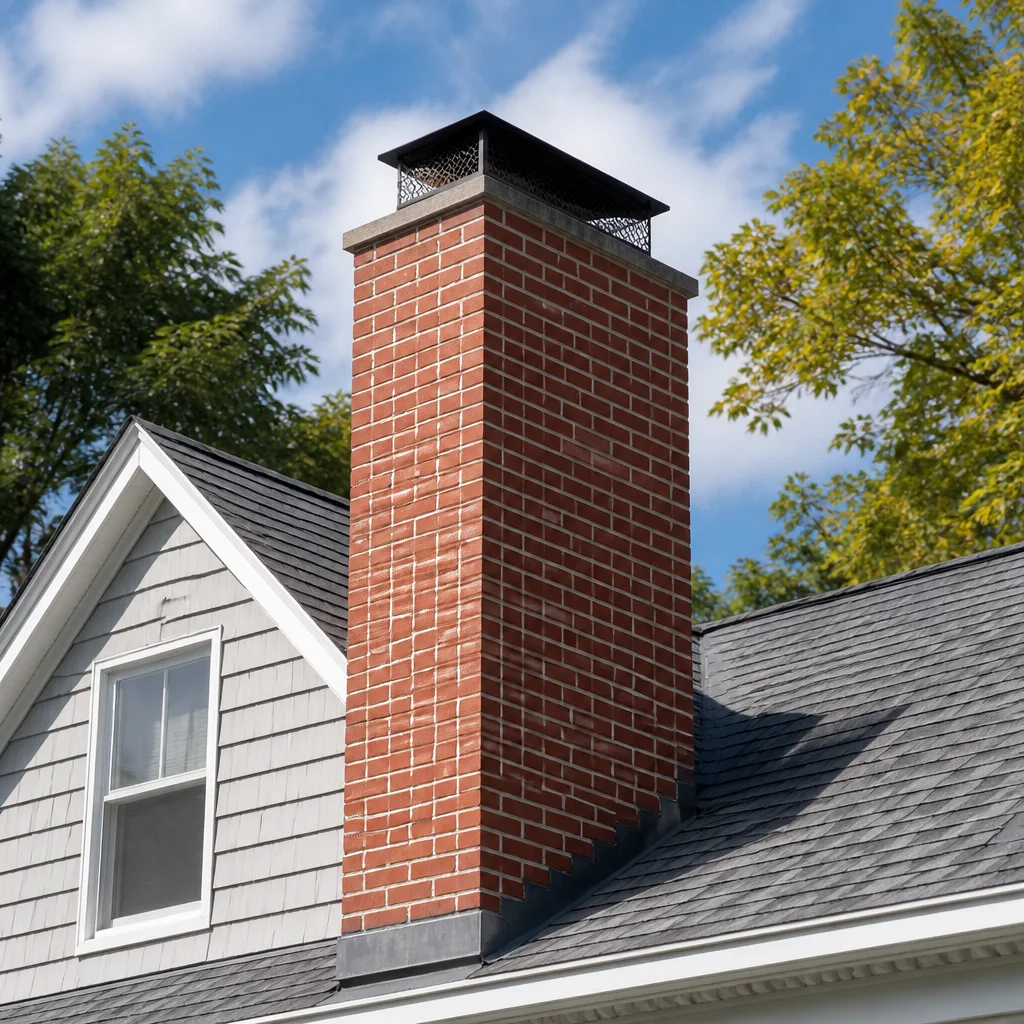 Masonry repair
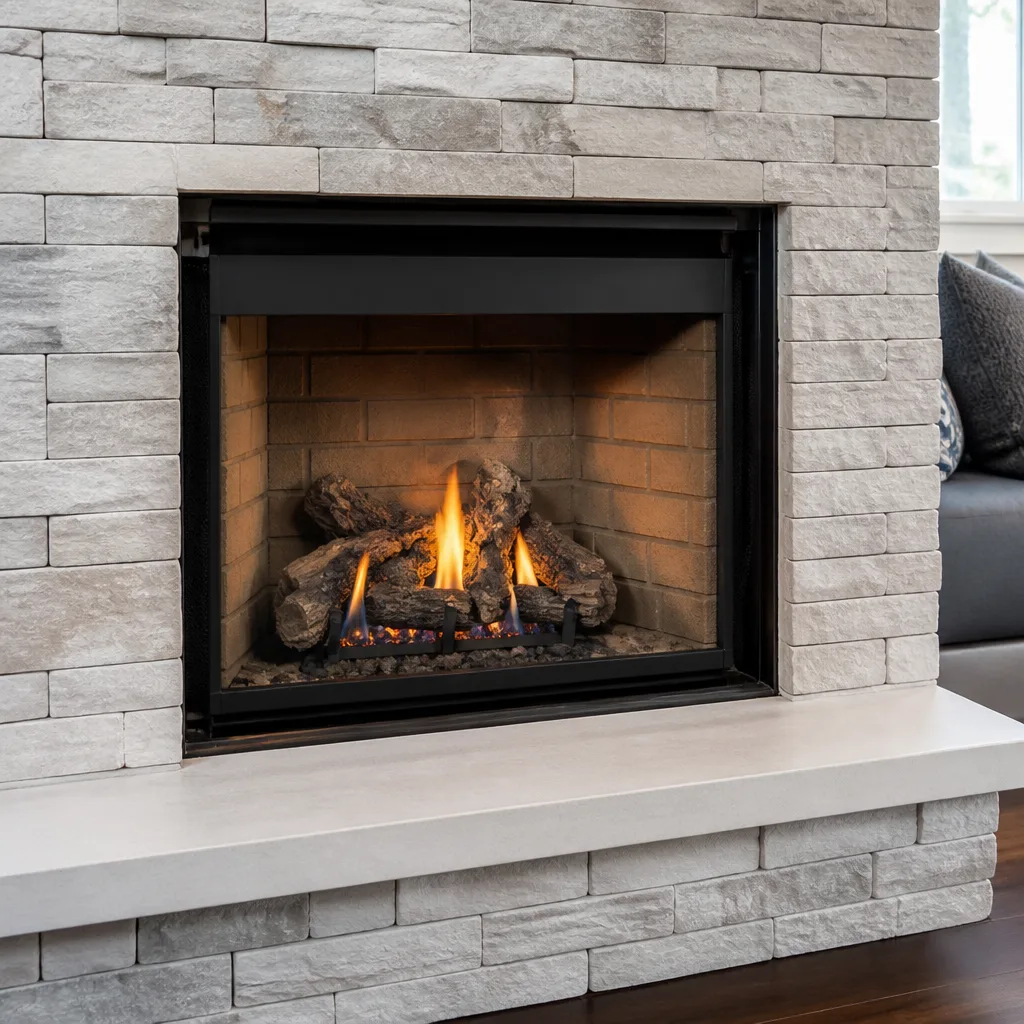 Gas fireplace service
Level 1 sweep and inspection to the NFPA 211 annual standard - flue, crown, cap, and flashing checked and photographed
Chimney sweep logs do not sweep chimneys. They loosen some creosote - which then falls where a brush and vacuum still have to collect it.
Chimney Cleaning Cost Breakdown: The Avondale Homeowner’s Reference for 2026
Two Avondale homeowners with identical floor plans can get chimney cleaning quotes that differ by $150, and both quotes can be entirely legitimate. That gap confuses people, and it pushes a lot of them toward whichever number is lowest. The price of a cleaning isn’t arbitrary and it isn’t a sales tactic: five physical variables decide what your chimney actually takes to clean, and those variables swing the total far more than which company you call. Two of them you can partly influence, and one of them gets more expensive every season you wait. This guide breaks down what drives the number in Avondale, what belongs in a base price, what counts as a real add-on, and how to compare two quotes so you’re comparing the same job instead of two different ones.
Quick Answer
A standard chimney cleaning in Avondale typically runs $180 to $350 for a wood-burning fireplace with moderate creosote. Expect $250 to $450 when the flue is heavily loaded or the chimney is hard to access, and budget $95 to $200 separately for a Level 2 inspection with a camera if you haven’t had one. The final price is set per job by the written estimate, and that estimate should be free.
Styles & brands we work with
- Sweep & inspection
- Caps & crowns
- Flue relining
- Masonry repair
- Gas fireplace service
Table of Contents
- What Actually Drives the Cost of a Chimney Cleaning in Avondale?
- What a Base Cleaning Includes vs. What Gets Added as Line Items
- How Phoenix Metro Labor and Materials Shape Avondale Quotes
- The Cost of Deferring a Cleaning by One Season
- How to Compare Two Quotes Accurately
- Creosote Stages and What Each One Costs You
- Liner Condition: When Cleaning Turns Into Repair
- Common Mistakes to Avoid
- When to Call a Professional
- Frequently Asked Questions
- The Bottom Line
What Actually Drives the Cost of a Chimney Cleaning in Avondale?
Five variables legitimately change what a cleaning costs: flue height, creosote level, fireplace type, liner condition, and access difficulty. None of them is a gimmick. A technician who quotes without establishing all five is guessing, and a quote that ignores them will drift once the job starts.
1. Flue height
Height sets the time. A single-story flue in an Avondale home runs shorter and cleans faster than a two-story run, because the rods, the brush, the access setup and the final camera check all take longer the higher the chimney goes. Most home profiles around Avondale are single or two-story, and the difference between those two is real labor.
2. Creosote level
This is the biggest single swing. Light, dusty stage 1 creosote brushes out in a straightforward pass. Stage 2 is glazed and tar-like, and it takes chemical treatment and more than one approach. Stage 3 is a solid glaze that has to be broken down before anything can be removed. Each stage up roughly adds a labor step.
3. Fireplace type
A wood-burning fireplace builds creosote and ash and needs a full sweep. Gas fireplaces present different needs entirely: there’s no creosote, but the flue, venting and termination still need inspection and clearing. The service is priced on what the appliance actually requires, not one flat rate applied to everything.
4. Liner condition
A sound clay tile liner cleans and passes inspection without extra work. A cracked or flaking liner changes the job: cleaning debris that has migrated behind the tiles, or documenting damage that needs addressing with something like a HeatShield ceramic resurfacing system. That’s where a cleaning can turn into a repair conversation.
5. Access difficulty
Roof access depends on pitch, height, and what surrounds the chimney. A steep-pitch roof or a chimney crowded by obstructions slows the setup and sometimes needs a different approach from the ground. Access time is labor, and labor is what you’re paying for.
Knowing which of these applies to your chimney is what lets you read a quote intelligently. A bare number with no scope tells you nothing.
What a Base Cleaning Includes vs. What Gets Added as Line Items
A legitimate base cleaning price covers a defined scope. If you don’t know what’s in it, you can’t tell a fair quote from a padded one.
What should be inside a base cleaning price
- Physical removal of creosote and ash from the firebox and flue with proper brushes
- Covering the surrounding floor and hearth to keep soot out of the house
- A visual check of accessible components before and after the sweep
- Cleanup and disposal of what comes out of the flue
- A basic written record of what the technician observed
A basic visual check is not a full inspection
This is the distinction homeowners most often miss. A Level 1 visual check comes with a sweep and confirms what’s visible from the accessible openings. A Level 2 inspection uses a camera to look the full length of the flue, and it’s a separate line item in most quotes. If a quote seems unusually low, check whether it includes a real inspection or only a glance during cleanup. In our experience, the number that looks best up front is often the one with the most scope stripped out of it.
Legitimate add-ons vs. upsells
Some add-ons are honest and priced as separate work because they genuinely are separate work:
- Camera inspection (Level 2): justified whenever the liner condition is unknown, when you’ve had a chimney fire, when you’ve just bought the home, or when you’re switching fuels.
- Chemical creosote treatment: justified when the creosote has reached stage 2 or stage 3 and ordinary brushing won’t touch it.
- Cap or damper component replacement: justified when the technician can show you the damaged part. Parts from Famco and Copperfield are manufacturer-specified components, so ask what’s being installed and why.
Add-ons that smell like upsells arrive with no evidence and no photo. If someone recommends a camera inspection that’s fine, but work beyond the sweep should always be backed by something you can look at yourself. We don’t recommend liner or masonry work without camera evidence you can see.
How Phoenix Metro Labor and Materials Shape Avondale Quotes
Avondale sits inside the Phoenix metro labor market, and that market shapes what a cleaning costs here. Local labor rates and material costs run near or somewhat below national averages, which means a fair Avondale quote tends to land in the lower-to-middle range of what you’d see quoted in higher-cost cities, not at the top of it.
That’s context, not a hard rule. The variables from the section above still decide the actual number. But it’s useful when you’re comparing a local quote to something you read online from another part of the country: a $400 headline from a cold-climate city isn’t the benchmark for Avondale. A cleaning here should reflect local costs, and the written estimate should explain what’s driving the figure.
Why material sourcing shows up in the price
When a cleaning uncovers a problem that needs a part, the price and the durability of that repair depend on what’s installed. We source from a set of professional-grade chimney brands so repairs aren’t limited to whatever a single vendor happens to stock. A cap built from a generic substitute and a cap built to manufacturer specs are not the same product even when they look similar on an invoice. When the work calls for a liner, we use DuraFlex flexible systems that suit aging or non-standard flues. When it calls for restoring a damaged clay liner, there’s chimney repair like HeatShield resurfacing that often avoids full replacement. Naming the material and explaining the choice is part of a trustworthy estimate, not a detail to skip.
The dry Avondale season and creosote behavior
Avondale’s long dry, hot season means most fireplaces sit unused for months. The wood that gets burned in the cooler stretch still produces creosote, and how dry and how hot it burns affects how much. A homeowner who burns well-seasoned wood at good temperatures and keeps the flue drawing properly builds less creosote than one who burns damp wood and chokes the air supply. That’s one variable you partly control, and it shows up directly in what a cleaning costs and how often you need one.
The Cost of Deferring a Cleaning by One Season
Skipping one season doesn’t save the cost of a cleaning. It usually converts a cheaper problem into a more expensive one, because the creosote that would have brushed out as stage 1 gets a full season to cure into stage 2.
Stage 1 creosote is flaky and soot-like. It removes cleanly with standard brushing, which is why it sits inside a normal base cleaning price. Leave it and it bakes harder as it’s exposed to heat, and it becomes stage 2: shiny, hardened and clinging to the interior surface. Stage 2 doesn’t brush out. It needs chemical treatment to break it down, then removal, so it adds a step and it adds hours. The reclassification from a routine sweep to a creosote treatment is a real fee increase, and it’s the single most avoidable expense in this guide.
What deferring actually costs
- A higher sweep price: stage 2 creosote takes longer, so the cleaning costs more than the base rate.
- The inspection risk: more creosote means the liner and components need a closer look, and damage is more likely to be found once it’s worsening.
- The safety side: stage 2 and stage 3 creosote are flammable deposits, and that’s the real reason a sweep exists.
There’s a secondary cost here that doesn’t show up on any invoice. Plenty of people defer a cleaning not because they think it’s unnecessary, but because they’re afraid of being told they need thousands of dollars in liner or masonry work they can’t verify. That fear is understandable, and it’s the wrong reason to skip a sweep. The honest standard is that nothing gets recommended without camera evidence the homeowner can see, and when something can safely wait, the right answer is to say so plainly. A sweep done well usually ends with a clean flue and a short, accurate summary, not a large surprise.
How to Compare Two Quotes Accurately
You compare quotes by comparing scope, not headline numbers. Two $220 quotes can cover completely different work, and the higher quote can be the better buy. Here’s the sequence to run every quote through.
- Ask what’s included in the base price. A written scope should name the flue, firebox, and cleanup explicitly. Vague wording leaves room to charge for pieces later.
- Ask whether an inspection is included. “Cleaning only” and “cleaning plus a reported inspection” are not the same product. Ask whether the inspection is visual or camera-based, and whether the camera record includes photos.
- Ask how creosote level affects the quote. A company that’s assessed the flue will tell you what stage it’s in. A company that hasn’t may hit you with an adjustment once the brush goes up.
- Ask what happens if damage is found. Get the process, not just a price. The company that inspects should be able to handle the repair, so you aren’t handed off.
- Ask for material specifics. If a cap, damper or liner is part of the estimate, ask what brand and what type. Specific materials are the difference between a durable repair and a stopgap.
- Ask about access. Confirm the quote reflects your actual roof pitch and chimney location, not a best-case assumption.
This is the practical work of deciding on a company, and it’s worth the ten minutes. When you’re evaluating chimney service in Avondale, the company that answers these questions in plain language is the company that will hold to its estimate. You can see how our three services fit together on our Chimney Sweep Avondale page, and the same scope questions apply to any quote you collect.
Creosote Stages and What Each One Costs You
The cost of a cleaning is largely a function of creosote stage, so it’s worth understanding what each stage means in money terms.
Stage 1: light and flaky
Stage 1 creosote looks like soot and flaky deposit and clears with ordinary brushing. This is the base cleaning scenario. Burnt properly and cleaned regularly, a flue stays closer to this stage, and that’s the cheapest outcome available. It’s also the outcome your habits most influence.
Stage 2: glazed and hardened
Stage 2 is a hardened, glazed coating that brushing alone won’t remove. It needs chemical treatment to break it down, then a mechanical pass to finish the job. That extra step and extra time is why stage 2 pushes the price up, and it’s why a cleaning you postpone tends to come back more expensive.
Stage 3: solid glaze
Stage 3 is a thick, solid glaze that requires real effort to break down before anything gets removed. It’s also the clearest sign that the cleaning has been delayed too long, and it’s where a sweep stops being routine. Both stage 2 and stage 3 are the creosote situations a trained technician is there to handle safely. If the deposit on your flue looks shiny or tar-like rather than dusty, don’t attack it yourself; call in someone equipped for it.
What you control
- Wood quality: well-seasoned wood burns hotter and cleaner and builds less creosote.
- Air supply: choking the fire to make it last smolders the wood and pushes creosote buildup. A hot, clean burn is the better trade.
- Cleaning rhythm: cleaning on a regular schedule keeps the flue in the cheaper stage far more easily than reacting after a long gap.
How often should you clean? That depends on how much you burn, so the right interval is the one an inspection supports. A cleaning done at the right point, with a real inspection attached, is the version that costs least over time. That’s the thinking behind chimney sweep work done as maintenance rather than as a rescue.
Liner Condition: When Cleaning Turns Into Repair
Most cleanings end at the sweep. A minority turn up a liner problem, and how that’s handled decides whether you get a modest repair or a much larger bill.
A cracked or flaking clay liner is the common finding. The reflex is to assume it means a full reline. It often doesn’t. HeatShield ceramic resurfacing is an industry-recognized liner repair system that restores a damaged clay liner from the inside in many cases, without pulling the old liner out and rebuilding the flue. Where the liner geometry won’t support resurfacing, a flexible liner system may be the right answer, and that’s where DuraFlex installations suit older or non-standard flue configurations that rigid systems can’t navigate cleanly. The order matters: inspect first, then recommend. The correct repair is the smallest one that actually solves the problem, not the most expensive one available.
The two questions to ask if a repair is recommended
- Can I see the evidence? A camera record with photos is the standard. If a recommendation has no visual proof behind it, ask for it before agreeing to anything.
- What happens if this waits? Some repairs are urgent and some aren’t. A straight answer about whether work can safely wait tells you whether you’re dealing with inspection or sales.
This is why one company handling both the diagnosis and the fix matters. When the person who finds the problem and the person who repairs it are the same team, there’s no gap for the problem to be reinterpreted. Our technicians have up to experience, and material sourcing from brands like Gelco and Olympia Chimney keeps the repair grounded in manufacturer-specified components rather than substitutes. If you live near Avondale and want a full assessment in one visit, the same standard applies: evidence first, recommendation second.
See the difference
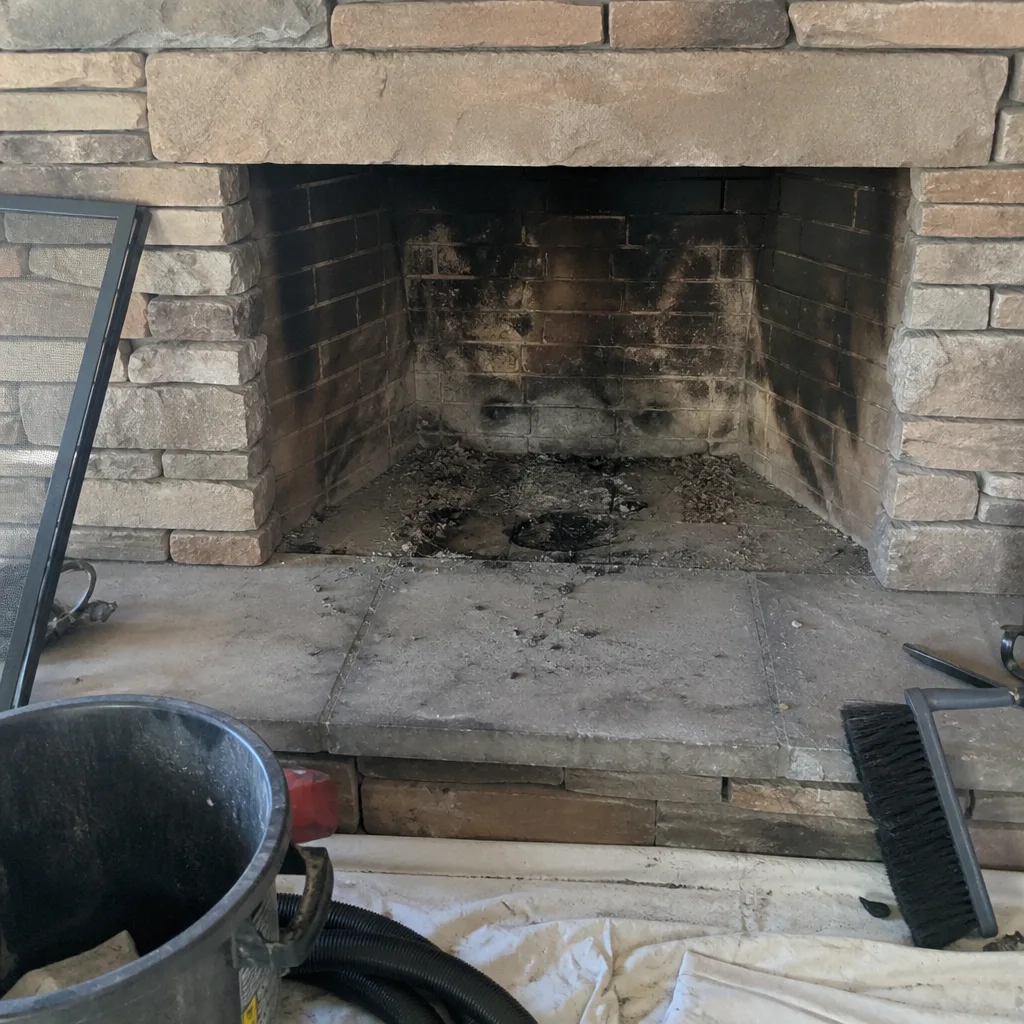 Before
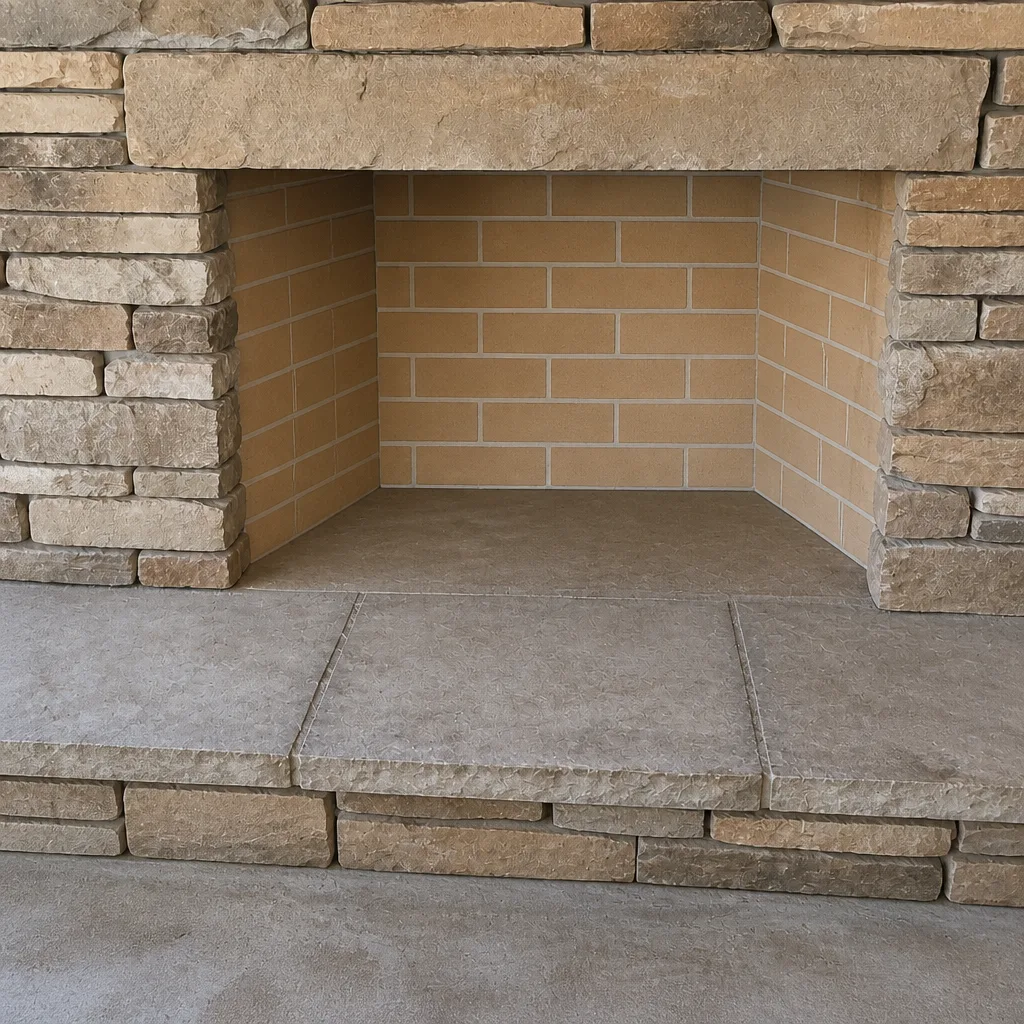 After
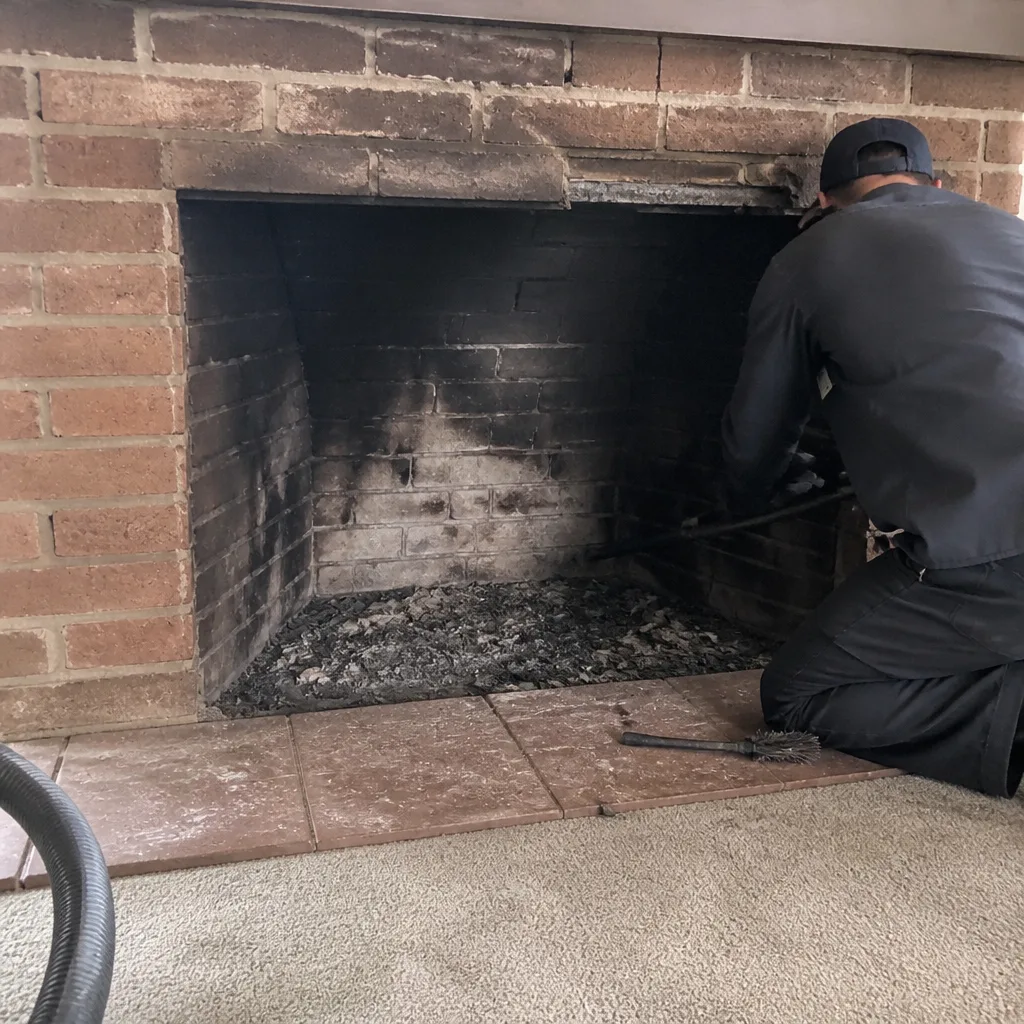 Before
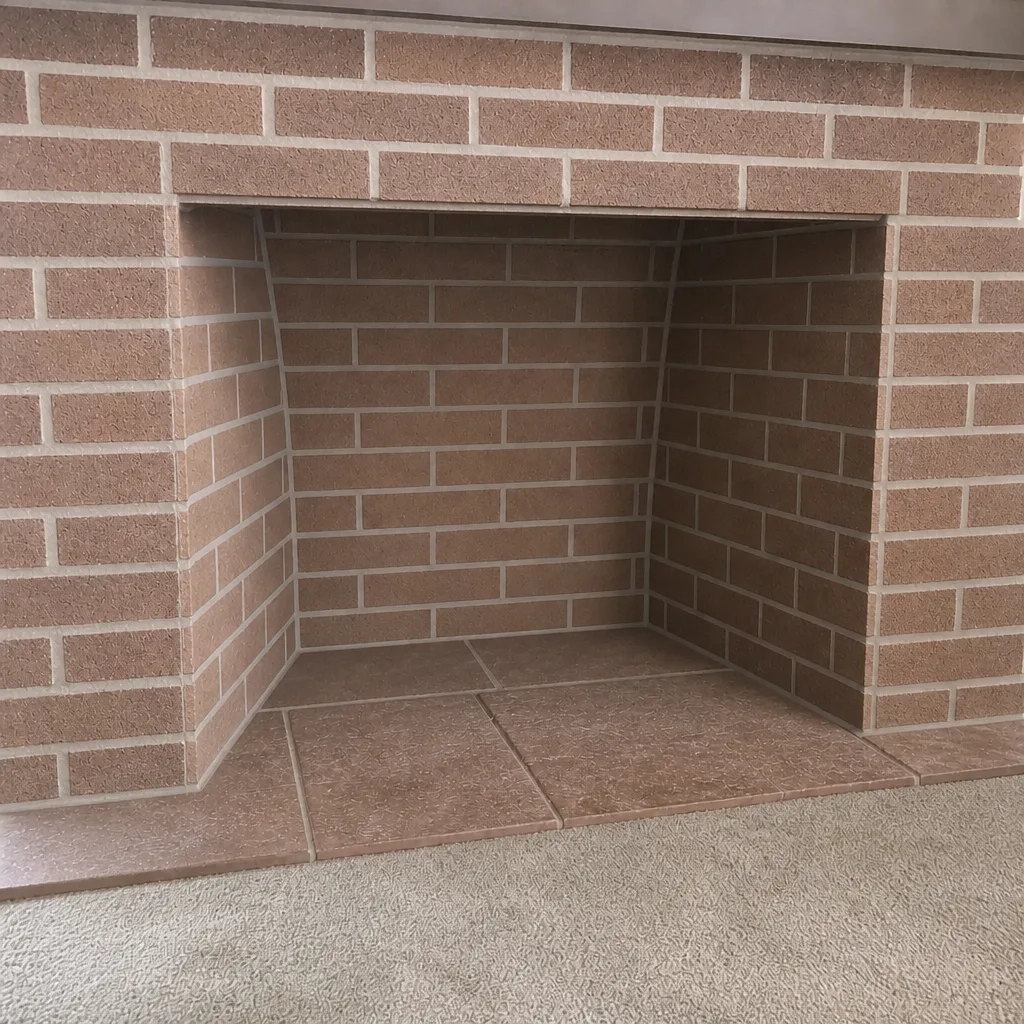 After
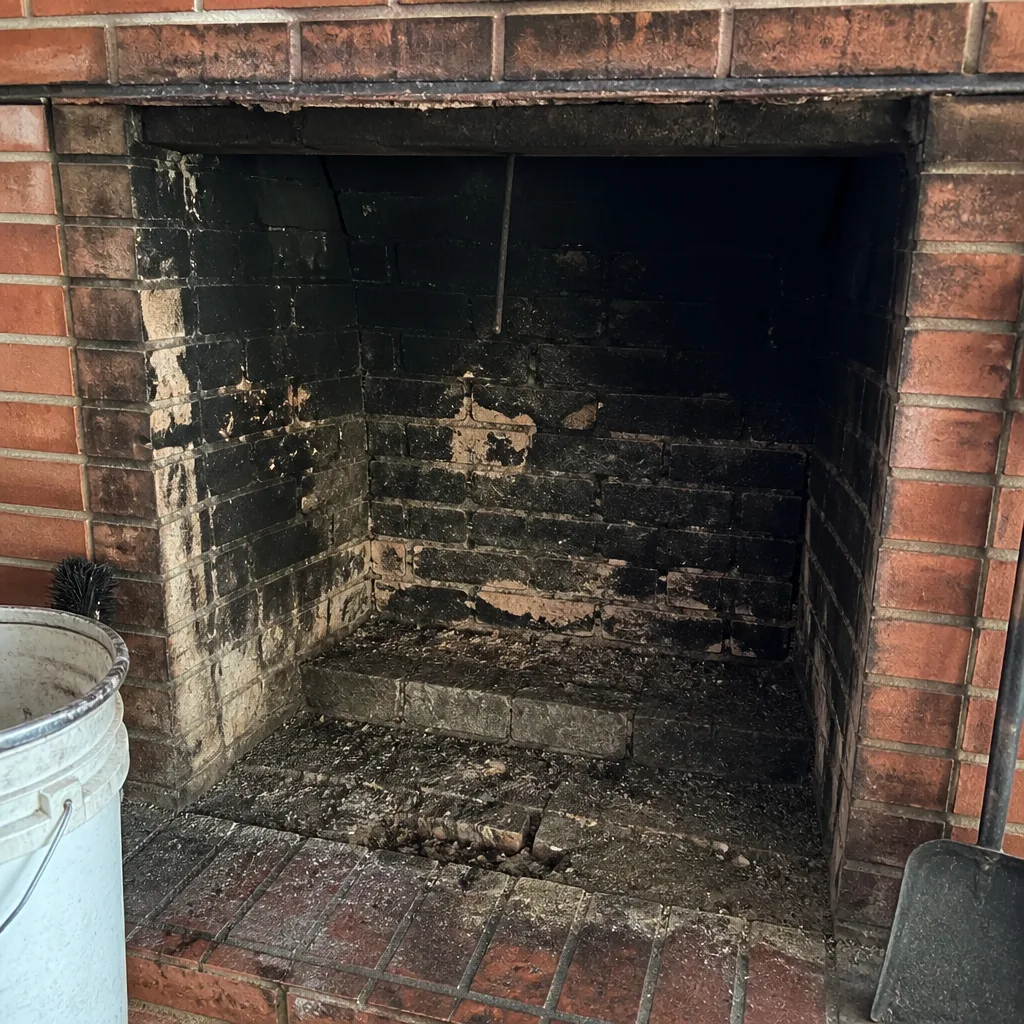 Before
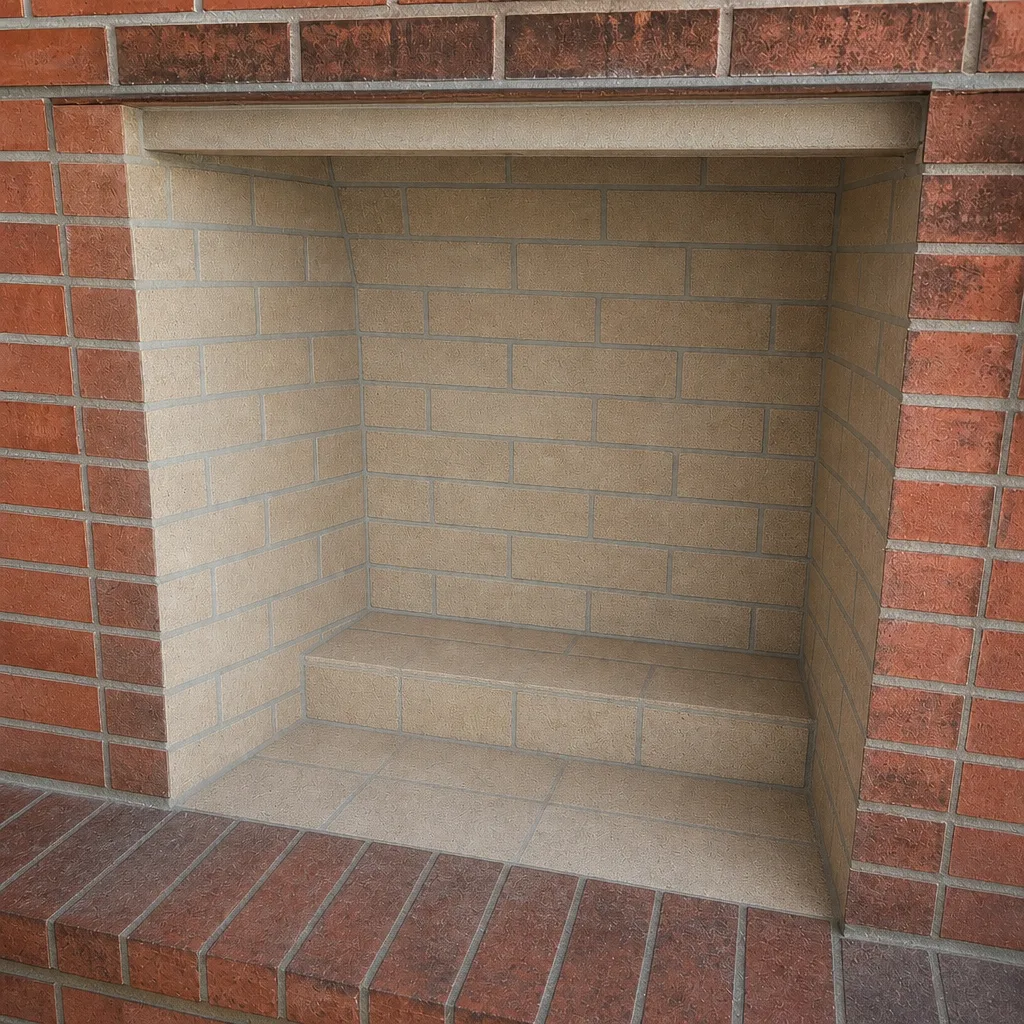 After
Common Mistakes to Avoid
- Choosing purely on the lowest headline price. A quote that’s low because a camera inspection was left out isn’t a cheaper cleaning, it’s a smaller scope. Ask what’s excluded before you compare numbers.
- Assuming one price applies to every fireplace. Wood-burning and gas fireplaces need different work, and pricing them as if they’re the same is a red flag about the quote and the technician.
- Treating a “free inspection” as if it were a cleaning. An inspection tells you the condition; it doesn’t clean anything. Confirm which service you’re actually booking, since in Avondale a lot of the confusion starts here.
- Deferring a season to save the fee. Deferring often reclassifies stage 1 creosote into stage 2, which costs more to remove than the sweep you skipped. The deferral isn’t a savings, it’s a trick of timing.
- Accepting a liner replacement without photos. If a full replacement is the recommendation and you can’t see the damage on camera, ask to see it. Resurfacing is a real alternative and should at least be explained.
- Ignoring the cap and damper until they fail. These components affect draft, water intrusion and how the flue behaves. Small, specific repairs done early are cheaper than a bigger fix later.
- Never having a camera inspection at all. If you’ve bought a home in Avondale with an unknown chimney history, or you’ve had a chimney fire, a Level 2 inspection is the piece of information worth paying for before anything else.
When to Call a Professional
Call a professional whenever the condition of the flue matters and you can’t see it yourself. If you haven’t had the chimney cleaned in a long while, if you’ve recently bought a home in Avondale and don’t know the chimney’s history, if you’ve had a chimney fire even a small one, or if you’re switching between wood and gas, a sweep and inspection belong on the calendar. If you see shiny or tar-like deposit on the flue walls, or if a cap, damper or liner looks damaged, those are the specific cases a trained technician should handle. Liner damage, glazed creosote and anything structural are not do-it-yourself territory: a real inspection with a camera is the only way to know, and the work is done by someone equipped for it. Chimney Sweep Avondale offers free estimates in Avondale. Call (833) 906-6774.
Frequently Asked Questions
A standard cleaning in Avondale typically runs $180 to $350 for a wood-burning fireplace with light to moderate creosote, and $250 to $450 for heavy creosote or a chimney that’s hard to access. A camera inspection is usually a separate $95 to $200. Call (833) 906-6774 for an exact quote based on your chimney; estimates are free.
Because the quotes cover different work. One may include a camera inspection and the other may not, one may reflect your actual roof pitch and flue height and the other may assume an easy job, and one may price a creosote treatment while the other quotes a plain sweep. The variables are flue height, creosote level, fireplace type, liner condition and access, not the company’s mood. Ask what’s in each quote and compare scope, not numbers. Call (833) 906-6774 and we’ll walk you through what your chimney needs and what it costs.
Not always, and that’s the question worth pressing on. Many damaged clay liners can be restored with a HeatShield ceramic resurfacing system instead of a full reline, and a full replacement should only be recommended when the camera evidence supports it. Ask to see the record. If a company can’t show you the damage, ask for the photos before you agree to anything. Call (833) 906-6774 for an estimate grounded in what the inspection actually finds.
Anyone who burns regularly should have a sweep on a regular schedule, with the interval set by how much you burn and what the inspection finds rather than by a fixed calendar. Soot and creosote accumulate with use, and a flue that burns damp, smoldering wood builds it faster. The right interval is the one your inspection supports. Call (833) 906-6774 to book an estimate and get a clear plan.
The creosote on the flue walls cures harder over a season and climbs from stage 1 to stage 2, and stage 2 takes chemical treatment plus extra time to remove instead of a straightforward brush. That’s the reclassification that costs you more money later. Both stage 2 and stage 3 deposits are flammable, and that’s the safety side of skipping. Call (833) 906-6774 for an exact quote and a straightforward assessment of where your chimney stands.
Yes, though for different reasons than a wood fireplace. A gas appliance builds no creosote, but the flue, venting and termination still need inspection and clearing, and those checks are priced on what the appliance actually requires. It’s not the same service as a wood-burning sweep, so don’t assume a generic quote covers it. Call (833) 906-6774 and tell us what you burn; we’ll quote the right work.
The Bottom Line
Chimney cleaning cost in Avondale comes from five variables: flue height, creosote level, fireplace type, liner condition and access difficulty. Base pricing covers the sweep and cleanup; the camera inspection and any chemical treatment are separate line items, and both are worth it when the condition justifies it. Two of those variables partly sit in your hands through wood quality, burn habits and cleaning rhythm, and the single most expensive choice is deferring a season and letting stage 1 creosote cure into stage 2. Compare quotes on scope, ask to see the camera evidence, and remember that the written estimate sets the final price.
If the flue is safe and nothing needs doing, we’ll tell you that. If something is finding its way into your quotes that doesn’t match the inspection, we’ll explain what it is and why. The point of a sweep is to know exactly what’s in your chimney, not to sell you work on top of it.
Contact
Ready to get a real number instead of a guess? Call Chimney Sweep Avondale at (833) 906-6774 for a free estimate on cleaning, inspection or repair. We answer 24/7. Fast dispatch from 7am to 7pm, Sunday through Friday. Written estimates are set per job, and the price on the estimate is the price you pay. If you’re in the Avondale area, a camera-backed inspection is the fastest way to know what your chimney actually needs. Reach out today.
Written by the team at Chimney Sweep Avondale.