
Last updated November 16, 2026
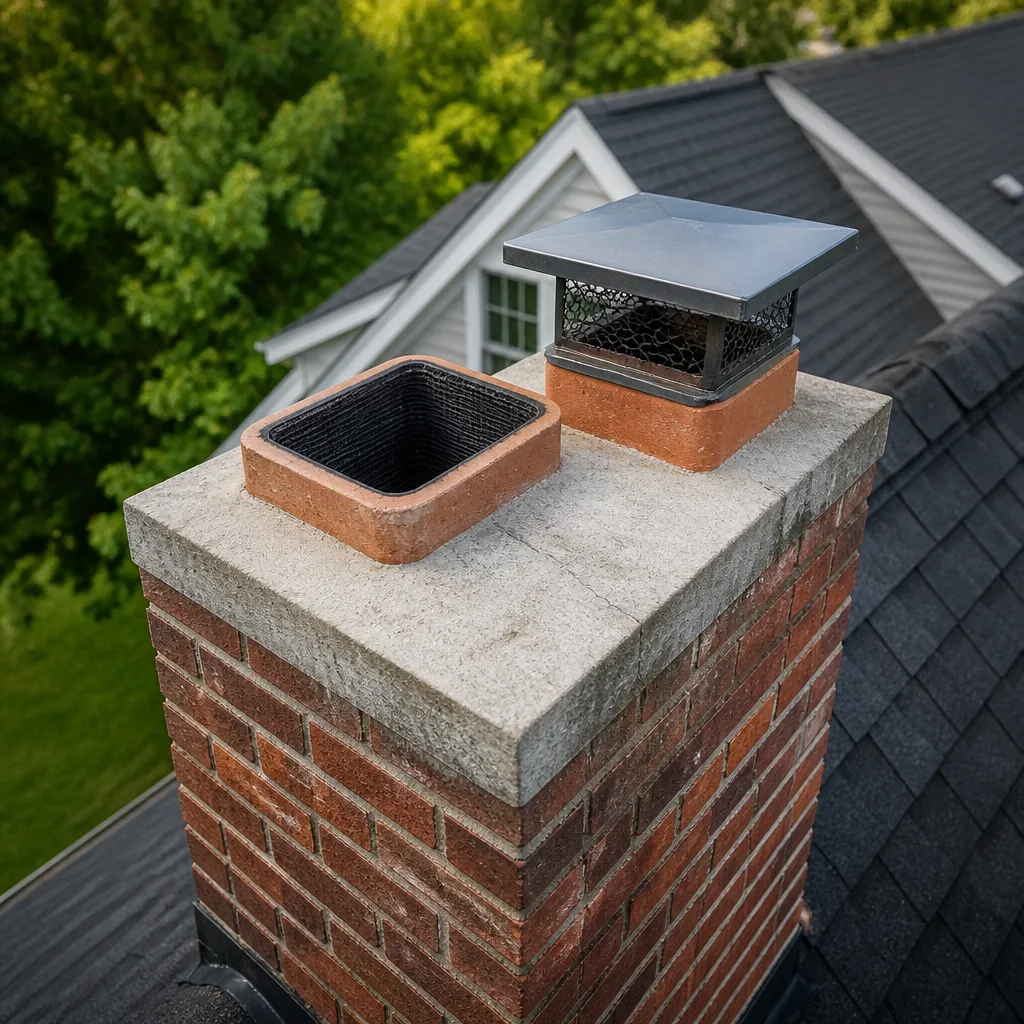 Sweep & inspection
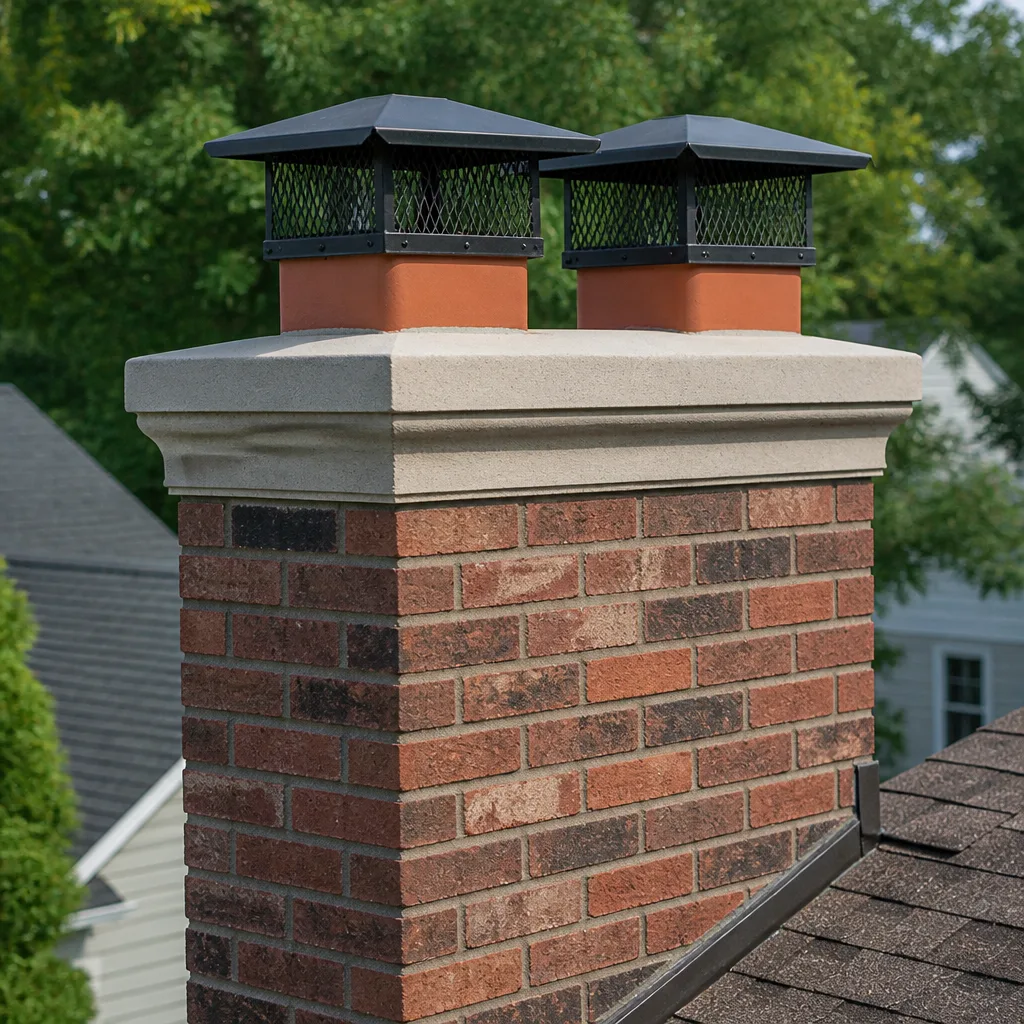 Caps & crowns
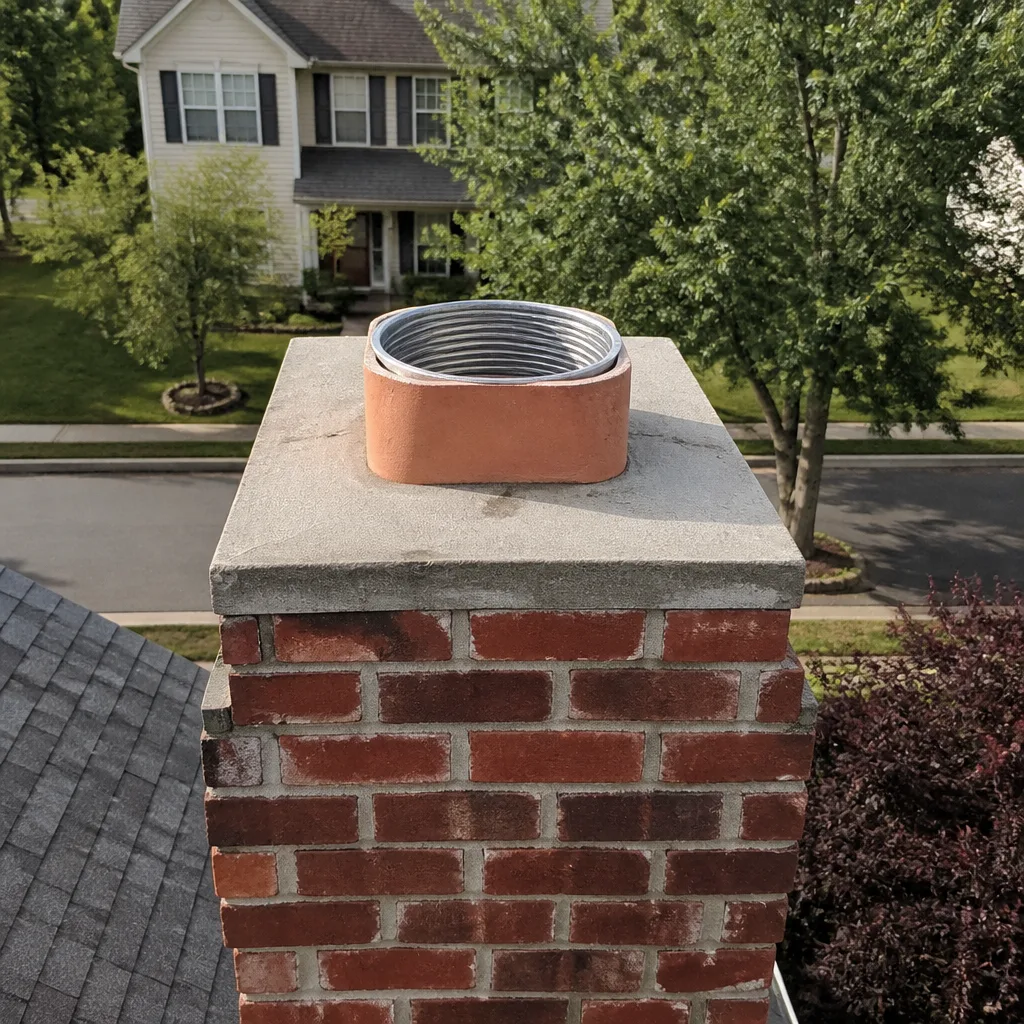 Flue relining
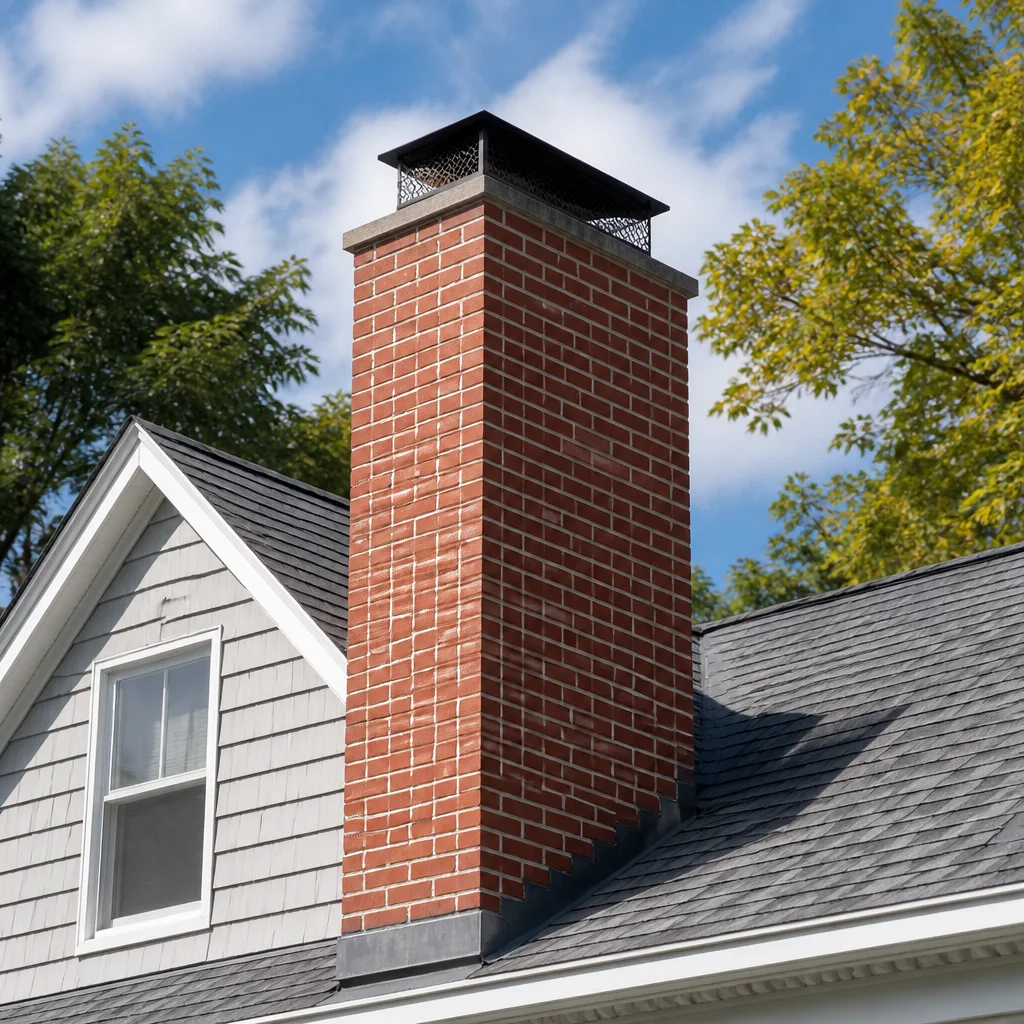 Masonry repair
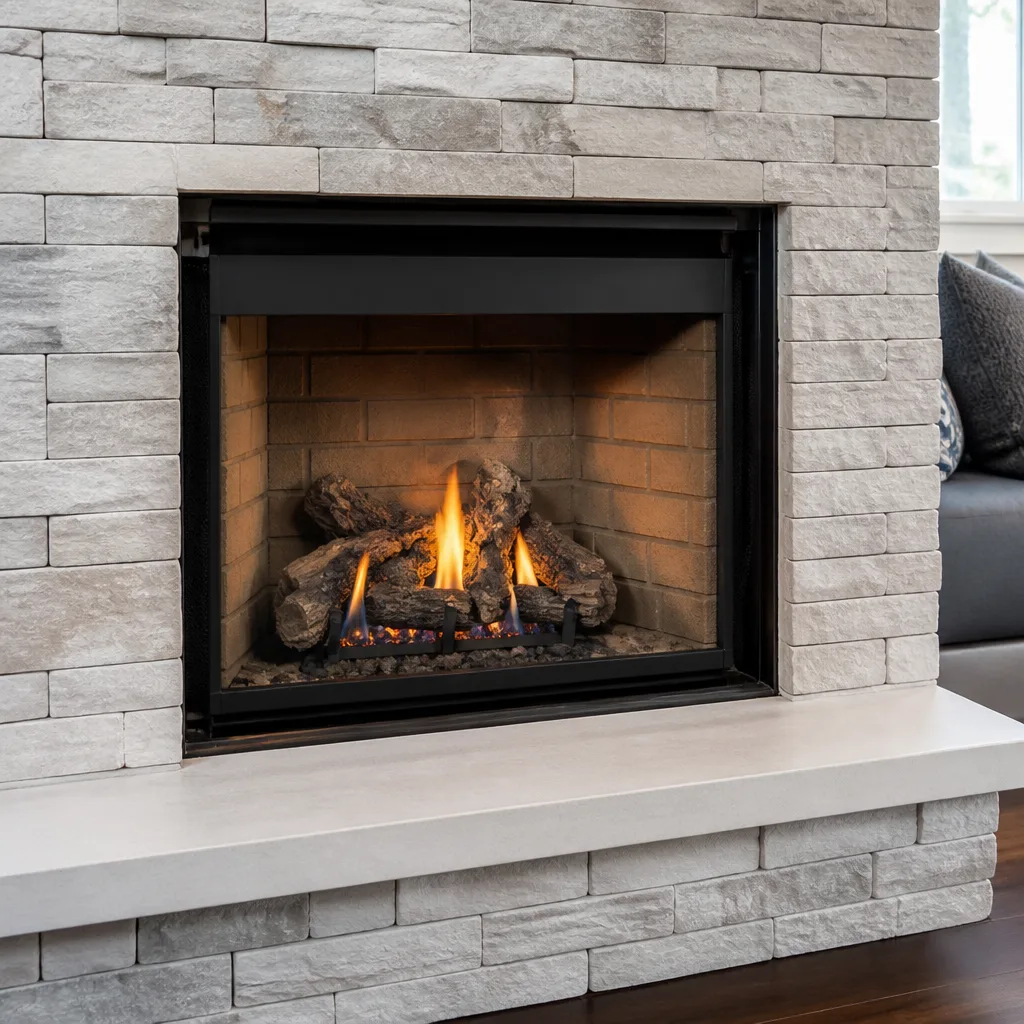 Gas fireplace service
Level 1 sweep and inspection to the NFPA 211 annual standard - flue, crown, cap, and flashing checked and photographed
Chimney sweep logs do not sweep chimneys. They loosen some creosote - which then falls where a brush and vacuum still have to collect it.
Chimney Sweep Maintenance Schedule: What to Do and When
Avondale homeowners who light their fireplace four times a year and those who burn every November through February both get told to “schedule annually.” That’s not a maintenance plan, it’s a placeholder. A chimney’s real maintenance calendar depends on how hard you use it, what you burn, and the specific conditions Avondale weather puts on your flue. This guide lays out a usage-tier framework with real intervals, a late-summer calendar built around the monsoon season, the gas fireplace schedule almost everyone skips, and a five-minute monthly check you can do yourself. By the end you’ll know exactly what your chimney needs, and when it needs it.
Quick Answer
Most working wood fireplaces should be swept and inspected once a year, but the right interval depends on usage: light use (1 – 10 fires per season) needs an annual sweep with a mid-season check, moderate use (10 – 30 fires) needs a sweep per cord burned, and heavy use (30+ fires) needs inspection every few months plus a sweep once a quarter-inch of creosote collects. In Avondale, add a late-summer inspection after the monsoon season ends, since the moisture those storms bring exposes cap and crown damage before burn season starts.
Styles & brands we work with
- Sweep & inspection
- Caps & crowns
- Flue relining
- Masonry repair
- Gas fireplace service
Table of Contents
- Why “Annual” Isn’t a Schedule: The Usage-Tier Framework
- The Wood Fireplace Schedule, Season by Season
- Monsoon Season: Avondale’s Second Chimney Calendar
- The Gas Fireplace Schedule Nobody Follows
- Your Five-Minute Monthly Firebox Check
- Keeping a Service Log That Actually Matters
- Common Mistakes to Avoid
- When to Call a Professional
Why “Annual” Isn’t a Schedule: The Usage-Tier Framework
The annual sweep rule is a floor, not a plan. It exists so nobody ignores a chimney long enough to load it with creosote. But a homeowner in Avondale who burns a handful of holiday fires and one who runs a fire most nights all winter get the same advice under that rule, and the heavy user is the one at risk.
Here’s how we break it down for real schedules:
- Light use (1 – 10 fires per season): one professional sweep and inspection each year before you start burning. A visual check partway through the season is enough between visits. If you skipped a year, a single season of light use rarely creates dangerous buildup, but don’t let two skipped years stack up.
- Moderate use (10 – 30 fires per season): sweep and inspect at the start of burn season, then a second sweep at the end. Wood quality matters as much as fire count here. Unseasoned or resinous wood deposits creosote faster than well-seasoned hardwood, so frequency should scale with how much and what you’re burning.
- Heavy use (30+ fires per season): inspection every few months and sweeps as often as every quarter cord of wood burned. Creosote accumulates by volume, not by fire count, so the rule of thumb is to sweep once the deposit on the flue walls reaches roughly a quarter inch. At this usage level, treating inspection as an annual event is how chimneys catch fire.
None of this replaces a professional’s eye on the flue. The point of the framework is that it tells you when to be more conservative and when a routine visit is genuinely routine. Our chimney sweep always includes a camera inspection and photo report so you can see exactly what condition the flue is in, rather than take our word for it.
The Wood Fireplace Schedule, Season by Season
An annual calendar for a wood-burning chimney in Avondale has two fixed anchors: the pre-season inspection and the post-season sweep. Everything else fits around your actual burning.
- September, before the first fire: full inspection and sweep. The technician examines the firebox, flue, damper, cap, and crown, runs a camera up the flue, and confirms the liner’s condition. This is when we check that the cap is sealed to the flue and the crown isn’t cracked. Both matter more here than in most regions because the monsoon season has just put its work in.
- Monthly, during burn season: your own five-minute visual check, covered further down, plus listening for changes in draft.
- Mid-season, if Moderate or Heavy use: a second professional visit. During the visit we diagnose first and recommend second, and we tell you plainly when a check is all you need.
- End of burn season: sweep out the residue, get the flue clean, and close the damper. Creosote left sitting all summer has more time to oxidize into a harder glaze, and moisture in the flue during the summer only works against you.
- August if monsoon season was harsh: a cap and crown check before the fall inspection. More on that in the next section.
A quick note on the tools we use for repairs. When a flue liner has cracks or deterioration, we reach for HeatShield ceramic resurfacing before recommending full replacement. It’s an industry-recognized repair system that restores a damaged liner in place, and we mention it because liner damage is one of the most over-quoted problems in this trade. If a technician tells you the flue needs to be relined, ask to see the camera footage. If the damage is repairable, resurfacing is the smarter middle path. If the liner genuinely needs replacement, we use DuraFlex flexible liner systems to handle the older, offset, or non-standard flue configurations common in this part of the valley where rigid liners can’t make the bends.
Monsoon Season: Avondale’s Second Chimney Calendar
Most chimney maintenance advice assumes winter is the only season that matters. In Avondale that assumption costs homeowners money. The summer monsoon season, roughly August into September, brings driving rain and wind that hit the parts of your chimney that catch water worst: the cap and the crown.
Water is the quiet destroyer of masonry chimneys. A cracked crown or a cap that’s come loose lets rain run in around the flue, which degrades the mortar around the flue liner and rusts the damper components. In a place with as dry a climate as Avondale, the damage is easy to miss because water intrusion dries out fast and leaves no obvious puddle. It just quietly loosens things over time.
So the calendar gets an extra entry:
- Late August or early September: a cap and crown check. Look for a cap that’s sitting crooked or pulled loose, a crown with visible cracks, or staining running down the outside of the chimney that wasn’t there before.
- This is the check to combine with your pre-season inspection: if it’s already going to be inspected in September, ask the technician to pay particular attention to the cap and crown and to check the damper for rust or sticking.
- Repairs we handle with manufacturer-specified parts: our access to Famco and Copperfield components means cap, damper, and draft problems get fixed with the parts those manufacturers specify for the job, not generic substitutes.
This is why an Avondale homeowner’s schedule has more than one date on it. A chimney here gets tested by the burn season and then tested again by the monsoon season. An inspection that never looks at the cap after August is missing the biggest weather event on the local calendar.
If you’ve never had the cap checked after a monsoon season, our Avondale team can look at it during any routine visit. It takes a few minutes, and it’s the single most overlooked step in local chimney care.
The Gas Fireplace Schedule Nobody Follows
Gas fireplaces get treated as maintenance-free appliances. They’re not. They skip the creosote problem, which is why many homeowners assume they require nothing, but a gas flue has its own set of failure points and they tend to be found when something goes wrong rather than before.
Here’s what a gas flue actually needs on a schedule:
- Annual inspection: same cadence as a wood fireplace. The technician checks the burner, the pilot assembly, the venting, and the flue liner. Gas appliances still produce moisture and combustion byproducts that the flue need to vent properly; if venting is impeded, those byproducts stay in the house.
- Check the flue liner for deterioration: a failing liner in a gas flue lets combustion byproducts escape into the chimney structure or into the home. This is where a deteriorating gas flue stops being an inconvenience and starts being a safety issue. Carbon monoxide is a real risk when venting fails, and the absence of visible smoke or fire does not mean the venting is working.
- Watch for the warning signs: a smell of gas around the fireplace, a flame that’s more yellow than blue, a flue that seems to pull poorly, or moisture staining on the exterior of the chimney. Any of those should prompt an inspection.
- Repairs we handle for gas and wood alike: flue liner issues are assessed with camera inspection, and we repair or resurface when the liner can be saved. When replacement is needed, DuraFlex flexible liners handle configurations that rigid systems can’t.
Gas chimney maintenance is by far the most skipped item in the whole schedule. Homeowners who’d never miss a wood sweep will let a gas fireplace run for years without looking at it. Given that a gas flue has no creosote to remind you it needs attention, setting a date is the only thing that keeps it from being forgotten. Safety caveat worth repeating: any work on gas appliance venting or burners should be done by a trained professional. Do not open a gas fireplace yourself to check the burner or venting unless you know what you’re looking at.
Your Five-Minute Monthly Firebox Check
Between professional visits, the most useful thing you can do is a short, regular visual check. You’re not inspecting the flue. You’re looking for changes from one month to the next. The whole thing takes under five minutes and needs no tools.
- Open the doors and look up into the firebox throat. Check for cracks, crumbling mortar, or loosened firebrick. Hairline cracks in the firebox refractory are common and not always a problem, but if a crack has widened since last month, note it and mention it at your next inspection.
- Look at the top of the firebox for creosote. That dark, shiny, or flaky buildup on the walls above the firebox is creosote. If it’s thick enough to look like a layer of tar or flaking soot, that’s your signal to schedule a sweep rather than wait for the annual date.
- Operate the damper. Open and close it fully. A damper that sticks, grinds, or won’t seat means you’re losing heat when you want a fire and losing containment when you don’t.
- From outside, look at the chimney top. Check that the cap is straight, the crown isn’t cracked, and the brickwork isn’t showing new staining or loosened mortar.
- Note the draft. Does smoke tend to roll back into the room on the first fire after the chimney’s been cold? That’s worth writing down. Some backdraft on a cold start is normal; persistent poor draft is a symptom the professional should see.
- Write it down. Six bullet points, one per line, dated. This is the raw material for the service log in the next section.
What this check is not: a substitute for an inspection. You can’t see up the flue, and you can’t assess creosote glaze levels by looking. It’s a difference detector. Its value is in catching changes between professional visits, not in replacing them.
Keeping a Service Log That Actually Matters
Most homeowners keep chimney paperwork the way they keep receipts from a home improvement store: in a drawer, eventually lost. A properly kept service log is different. It’s the document that lets a future inspection tell what’s been done, when, and by whom, and it’s the one piece of chimney paperwork that affects money later.
What goes in a useful log:
- Date of each visit, and the type of service: sweep, inspection, repair.
- Findings in plain language. “Liner showed surface cracks, resurfaced with HeatShield” is worth more than “serviced.”
- Any photographs or camera inspection reports. Save the photo report if it was provided. It’s the objective record of the flue’s condition at that point in time, and it’s what makes a “do you really need a new liner?” conversation easy to have with a future technician or buyer.
- Who did the work. Company name, and a note on what materials were used. This matters when a repair is still within the manufacturer’s expected service life and something goes wrong.
- Fixes recommended but not performed. Note them. A “crown has a hairline crack, monitor for now” entry tells a future technician the crack was already known and gave them a baseline to compare against.
Why this matters at resale: a buyer’s home inspector will look at the chimney, and any note about creosote, liner condition, or a prior repair is going to come up in the inspection. A documented history of regular service and repairs is a specific answer, not a general assurance. For insurance, an incident scene investigation may turn to the chimney, and a service log that shows routine maintenance and the materials used is the kind of record that answers the question directly rather than requiring reconstruction from memory.
DuraFlex, Famco, and Copperfield brands all come with expected service lives and documentation. When you buy materials from a manufacturer with a real product line, you have a spec sheet to reference later. That’s part of the reason we source from suppliers whose products can be looked up, not generic substitutes.
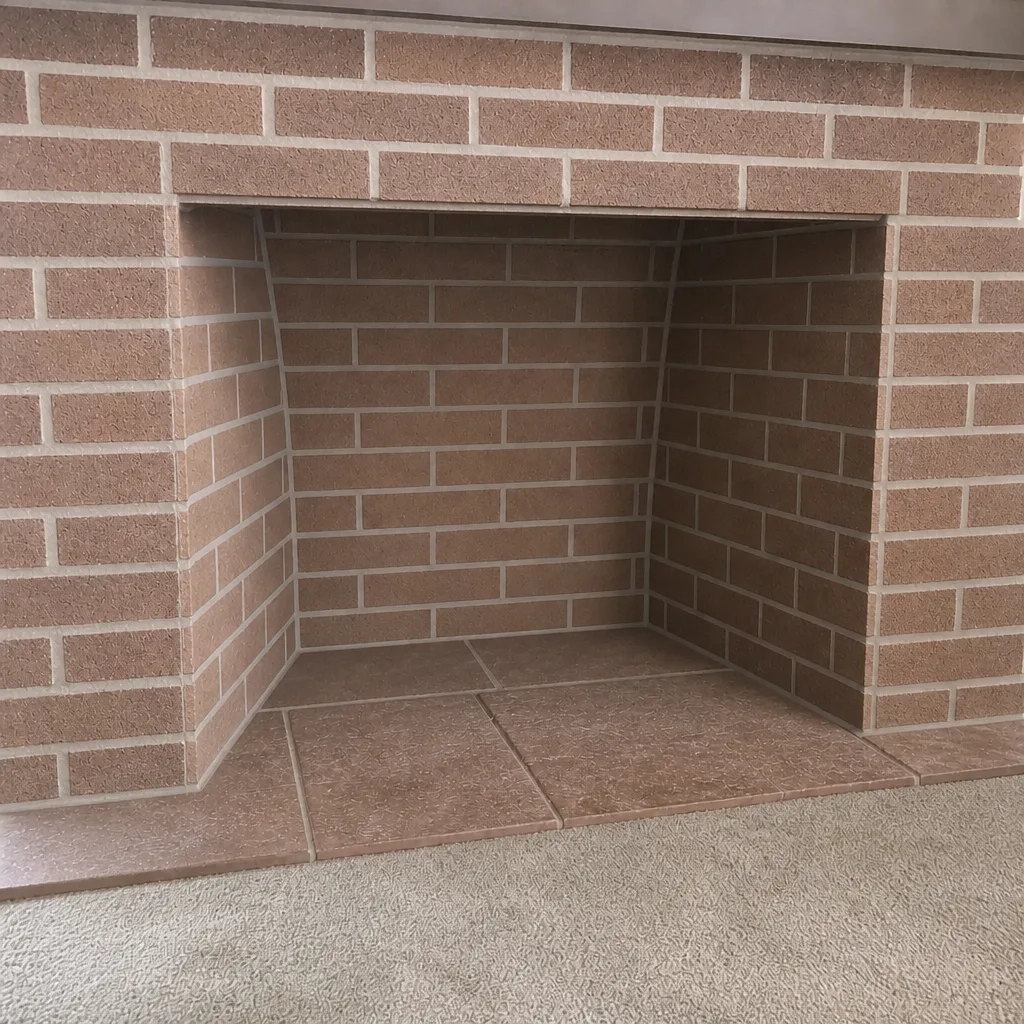
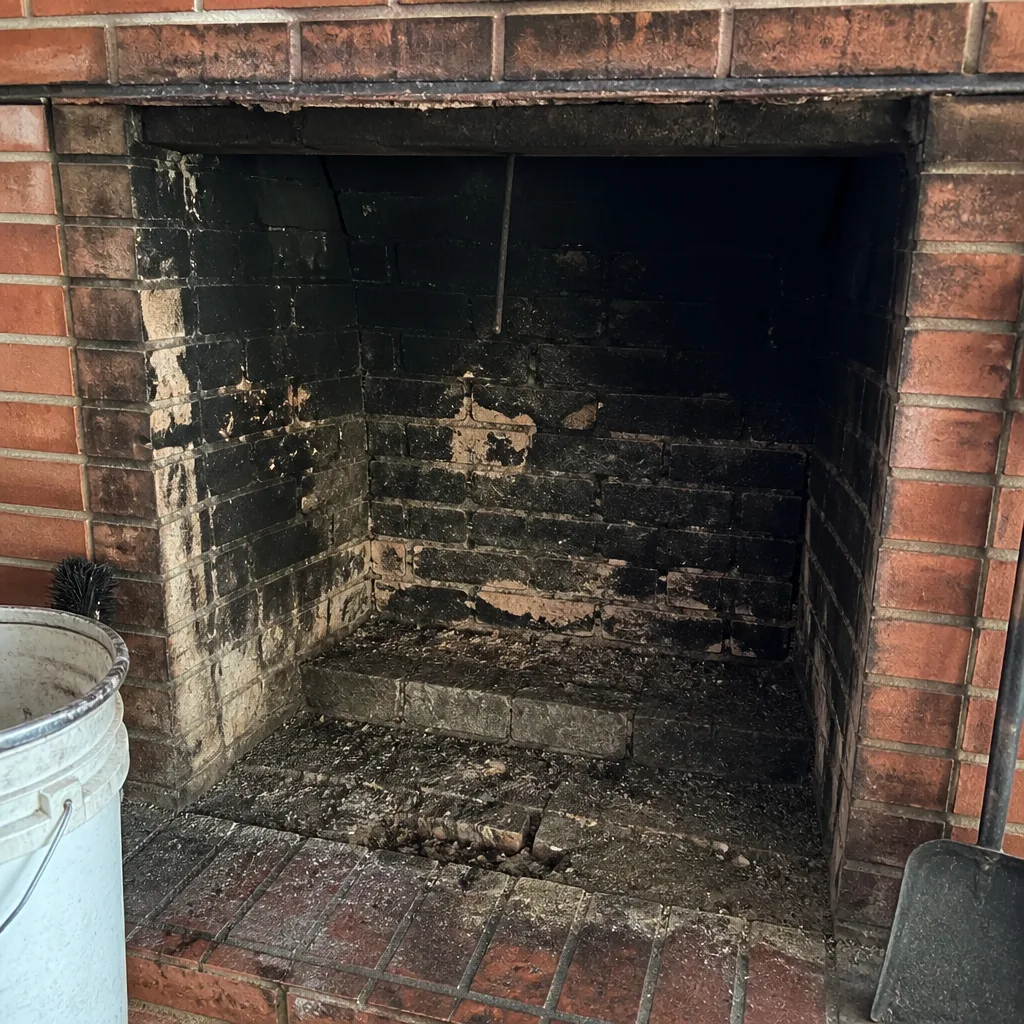
See the difference
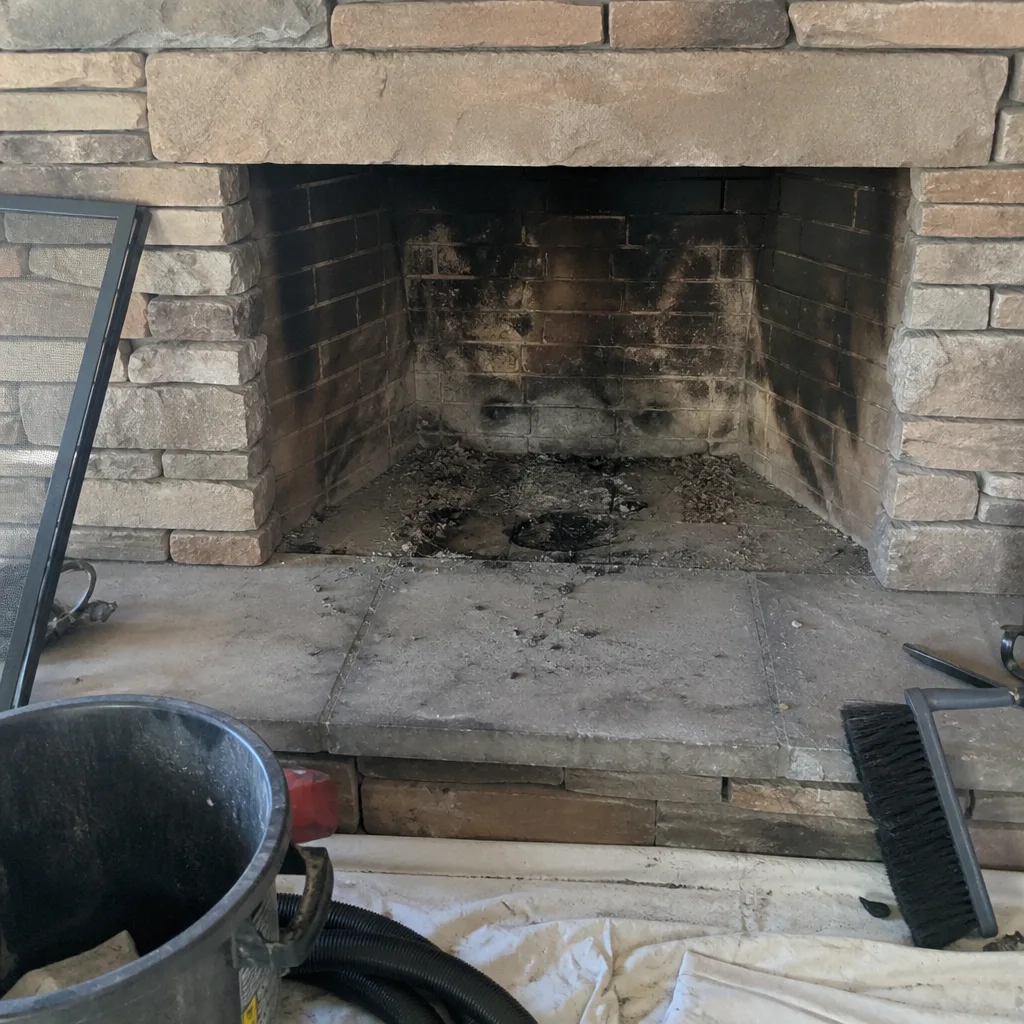 Before
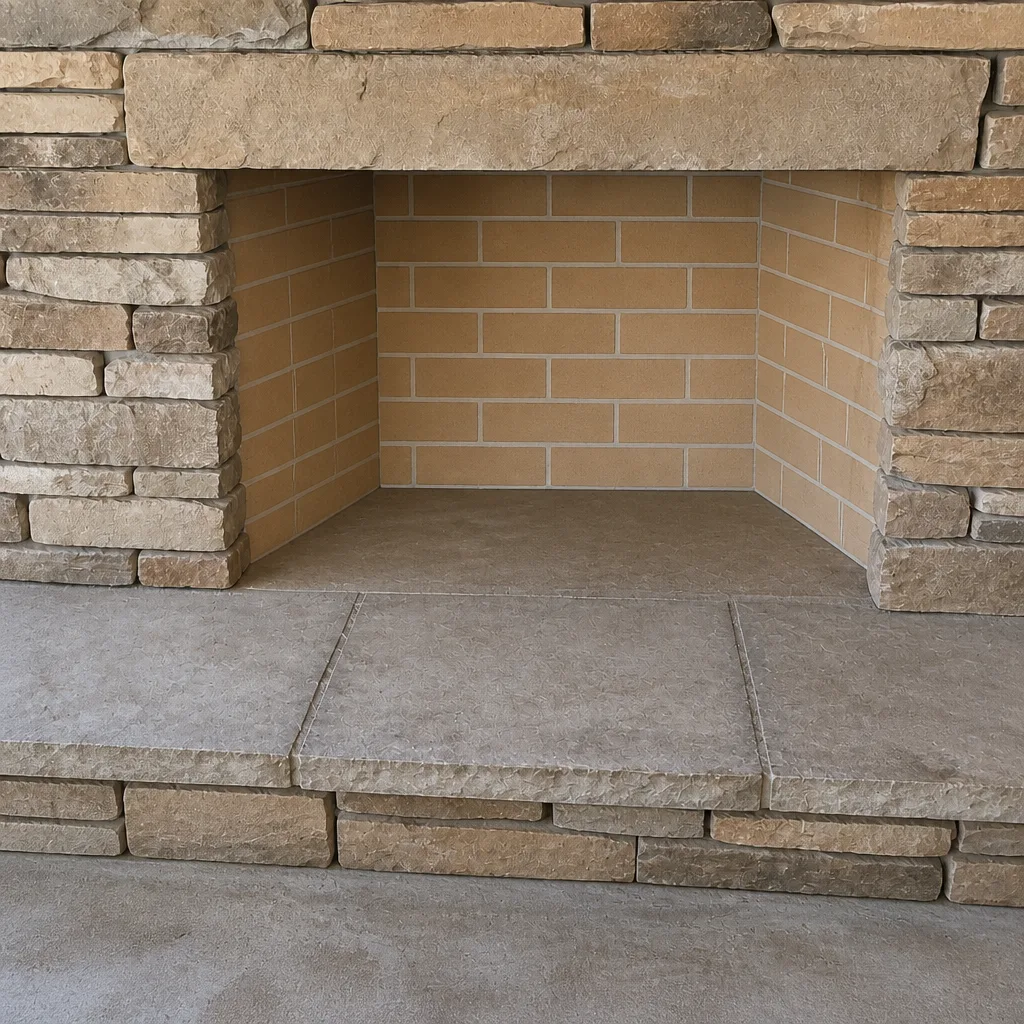 After
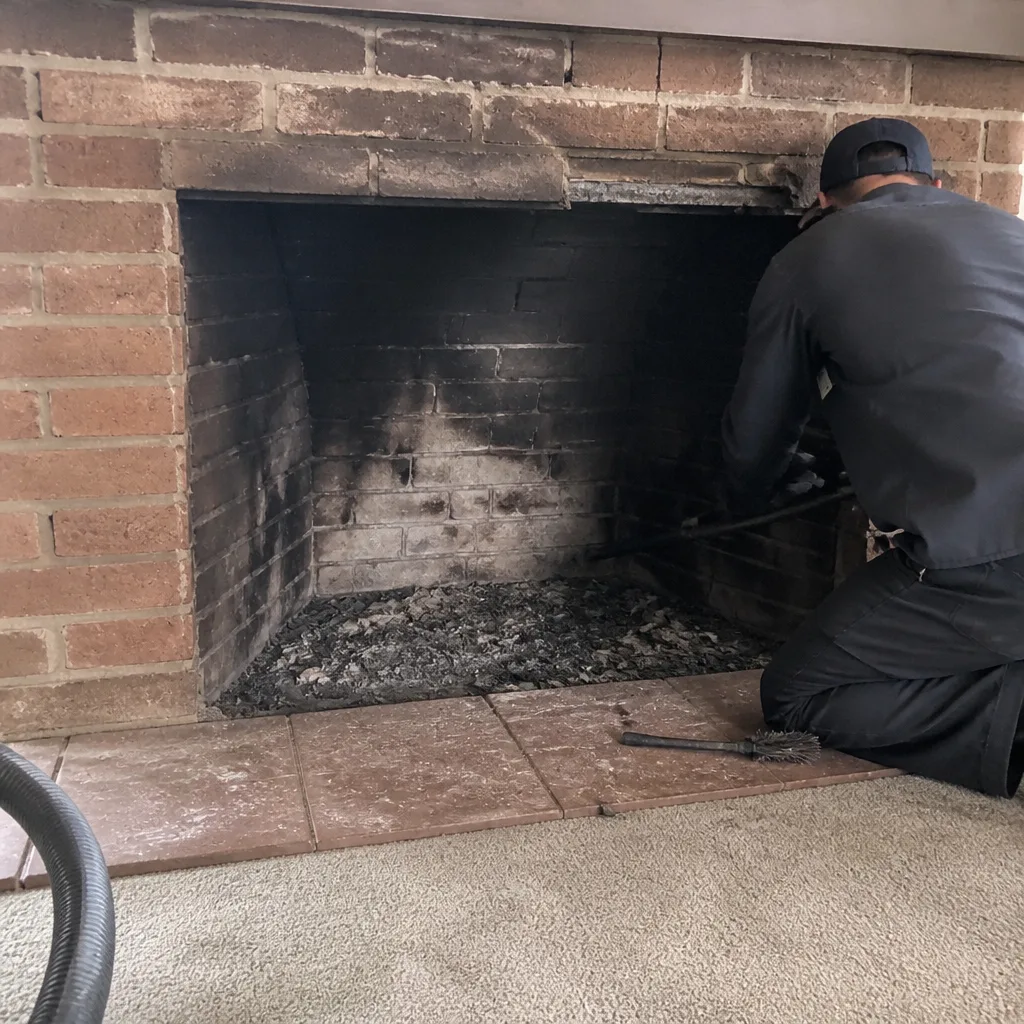 Before
 After
 Before
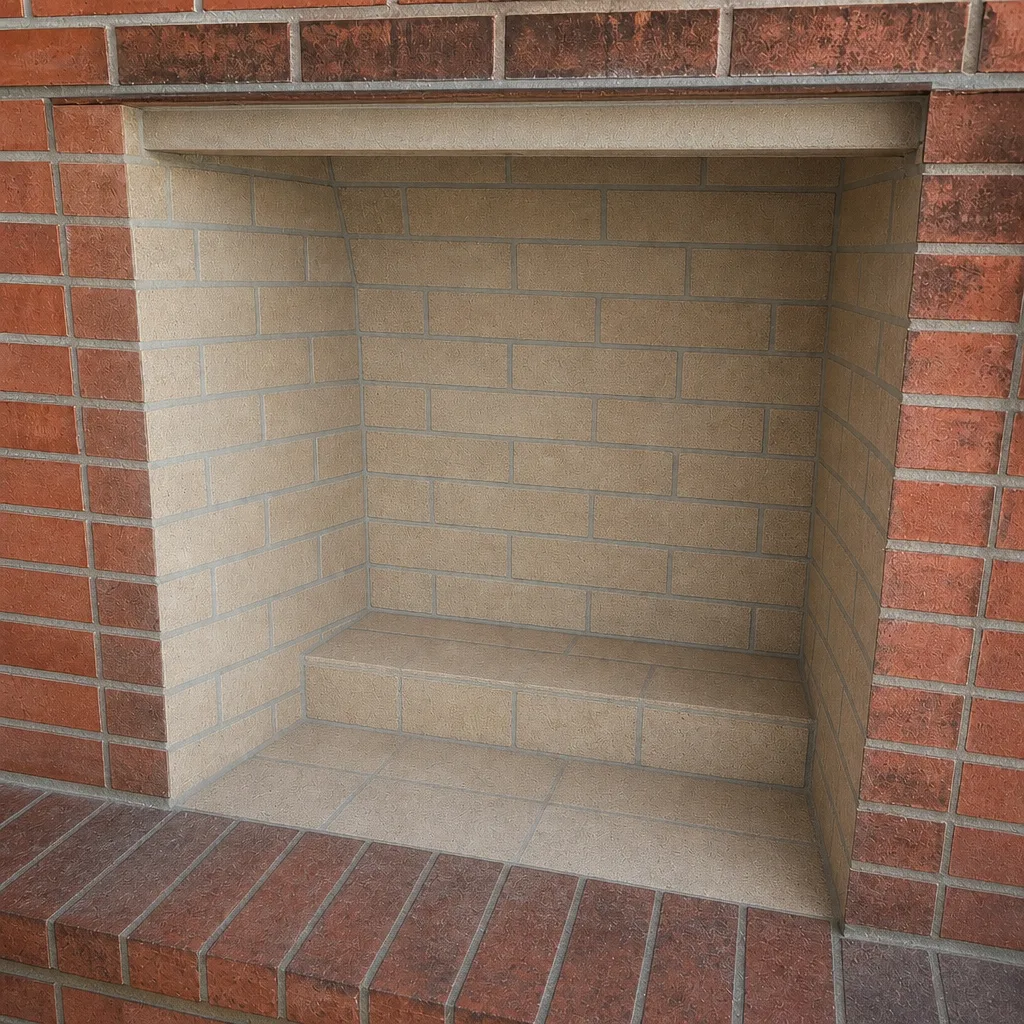 After
Common Mistakes to Avoid
- Treating “annual” as a complete schedule. It’s a floor, not a plan. Heavy users in Avondale who follow the annual rule can be under-serviced for years, because their real interval is quarterly. Set your schedule from usage, then have the annual inspection confirm it.
- Skipping the gas fireplace entirely. It’s the most common omission in the entire schedule. Gas appliances still vent combustion byproducts and still have liners that crack, but they generate no creosote to remind you. Put it on the same calendar as a wood chimney.
- Waiting for winter to think about the chimney. Monsoon moisture hits caps and crowns in August and September, and the repair found in late summer is cheaper than the one discovered after burn season. Add the post-monsoon check to your calendar.
- Burning wet or unseasoned wood to stretch your fuel supply. It deposits creosote much faster than dry hardwood, and it makes the annual sweep insufficient for your actual burn rate. If you’re burning wet wood, your real interval is shorter, not the same.
- Accepting a quote for a full reline without asking to see the camera footage. Liner damage is real and it does happen, but a printed recommendation without evidence is not an inspection. Ask for the photo report. If the damage is resurfacing-level, HeatShield is a real option and a reline is not the only answer.
- Skipping the sweep because you only burn a few times a year. Light use should still get one annual sweep. The risk piles up over years, not fires, and a flue that’s been sitting for three seasons is worth one professional look.
- Letting a documented repair go undocumented. If a repair was done with a specific manufacturer’s parts, write it down. When a future inspector asks about the liner, the difference between “we think it’s fine” and “it was resurfaced with HeatShield in a given year” is the difference between a question and an answer.
When to Call a Professional
Some chimney problems announce themselves and some don’t, but there’s a specific set of situations that should prompt a call now rather than at the next scheduled date:
- Smoke rolling back into the room or a persistent drop in draft, even after the fire is well established.
- Any smell of gas or unburned fuel around a gas fireplace, or a flame that burns mostly yellow rather than blue.
- Visible creosote buildup you can see from the firebox, particularly if it looks like tar or glazed into the flue.
- A loose or missing cap, or gutter-down staining on the chimney’s exterior.
- Damaged or missing firebrick, cracked flue tile visible from the firebox, or a damper that won’t open or close properly.
- A home you’ve moved into, or a chimney you haven’t had inspected in more than two years.
Chimney Sweep Avondale offers free estimates in Avondale. We inspect first, recommend second, and put a camera in the flue so you can see what we see before anything is recommended. Call (833) 906-6774. We answer 24/7. Fast dispatch from 7am to 7pm, Sunday through Friday. Our technicians have up to experience, and when a repair is needed, our chimney repair team is the same team that inspected, so findings and fixes don’t get handed between companies.
Frequently Asked Questions
Light users should get one sweep and inspection a year, moderate users should sweep at the start and end of burn season, and heavy users who burn more than 30 fires a season should be inspected every few months and swept whenever creosote reaches about a quarter inch on the flue walls. In Avondale, add a post-monsoon cap and crown check in late August or early September. Call (833) 906-6774 for an exact assessment of your chimney.
No. A cracked or damaged liner can often be resurfaced with HeatShield ceramic resurfacing rather than fully replaced, and that decision should come with camera evidence you’re shown and can review. Ask to see the footage before agreeing to a reline. If the liner genuinely needs replacement, DuraFlex flexible liner systems handle the older and non-standard flue configurations where rigid liners can’t fit. Call (833) 906-6774 and ask for the photo report.
It shouldn’t. Gas fireplaces produce no creosote, which is why they’re the most skipped appliance in the maintenance schedule, but the flue liner still deteriorates and the venting can still fail. A failed liner in a gas flue lets combustion byproducts into your home, which is a carbon monoxide risk, not just a performance issue. Annual inspection is the whole schedule. Call (833) 906-6774 to book one.
A five-minute monthly firebox check. Look up into the firebox throat for cracks and loose firebrick, check for visible creosote buildup, open and close the damper, check the cap and crown from outside, and note any change in draft. Write down anything different from last month, and mention it at your next inspection. Call (833) 906-6774 if anything looks worse than a hairline crack.
Yes. A dated service log that lists visits, findings, camera reports, and the specific materials used turns a future inspection or insurance claim from a guessing exercise into a documented timeline. It’s especially useful if a repair was done with a manufacturer’s specified parts, since the product and its service life can be looked up. Call (833) 906-6774 if you’re building a record and want a current inspection to start it.
Yes, at least once a year. Light use rarely produces dangerous creosote in a single season, but the smaller risk is that a flue that sits unattended for a few years quietly accumulates moisture damage, liner cracks, and blocked caps, none of which you’ll notice from inside the room. One annual sweep and inspection covers it. Call (833) 906-6774 and we’ll tell you honestly if the flue just needs a cleaning and nothing more.
The Bottom Line
A chimney maintenance schedule has to be built around two things: how much you actually burn, and what Avondale weather does to your chimney each year. Light users need one annual sweep; heavy users need quarterly inspections and sweeps tied to creosote depth. Gas fireplaces belong on the calendar even though they produce no creosote. Monsoon season means a cap and crown check in late summer, before the burn season test begins. Between professional visits, your monthly five-minute firebox check and a written service log do more to protect the chimney than any single annual appointment can. If your chimney hasn’t been on a real schedule, that’s the first step. Call (833) 906-6774. We answer 24/7. Fast dispatch from 7am to 7pm, Sunday through Friday. The estimate is free, the estimate is written, and the price is set by it. Start with a Chimney Sweep Avondale inspection and build the schedule from there.
Written by the team at Chimney Sweep Avondale.