
Last updated November 16, 2026
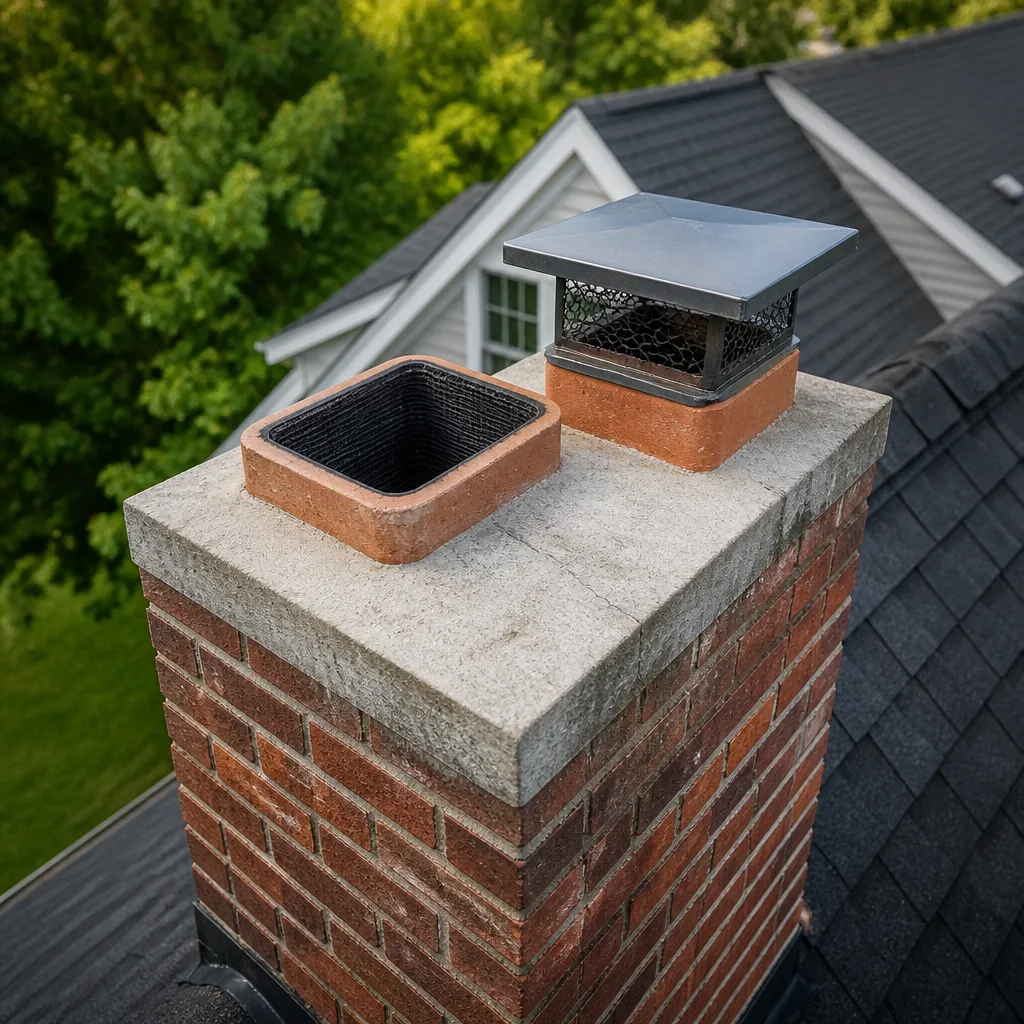 Sweep & inspection
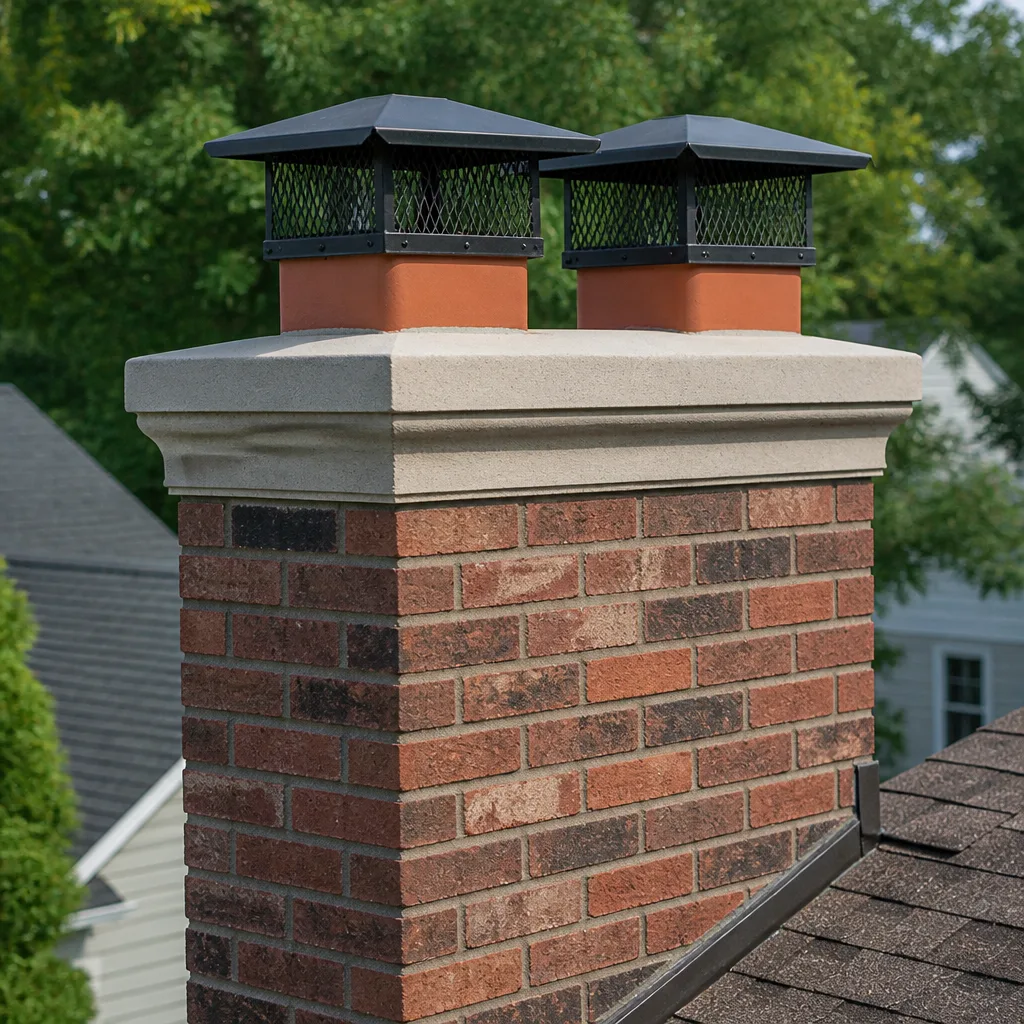 Caps & crowns
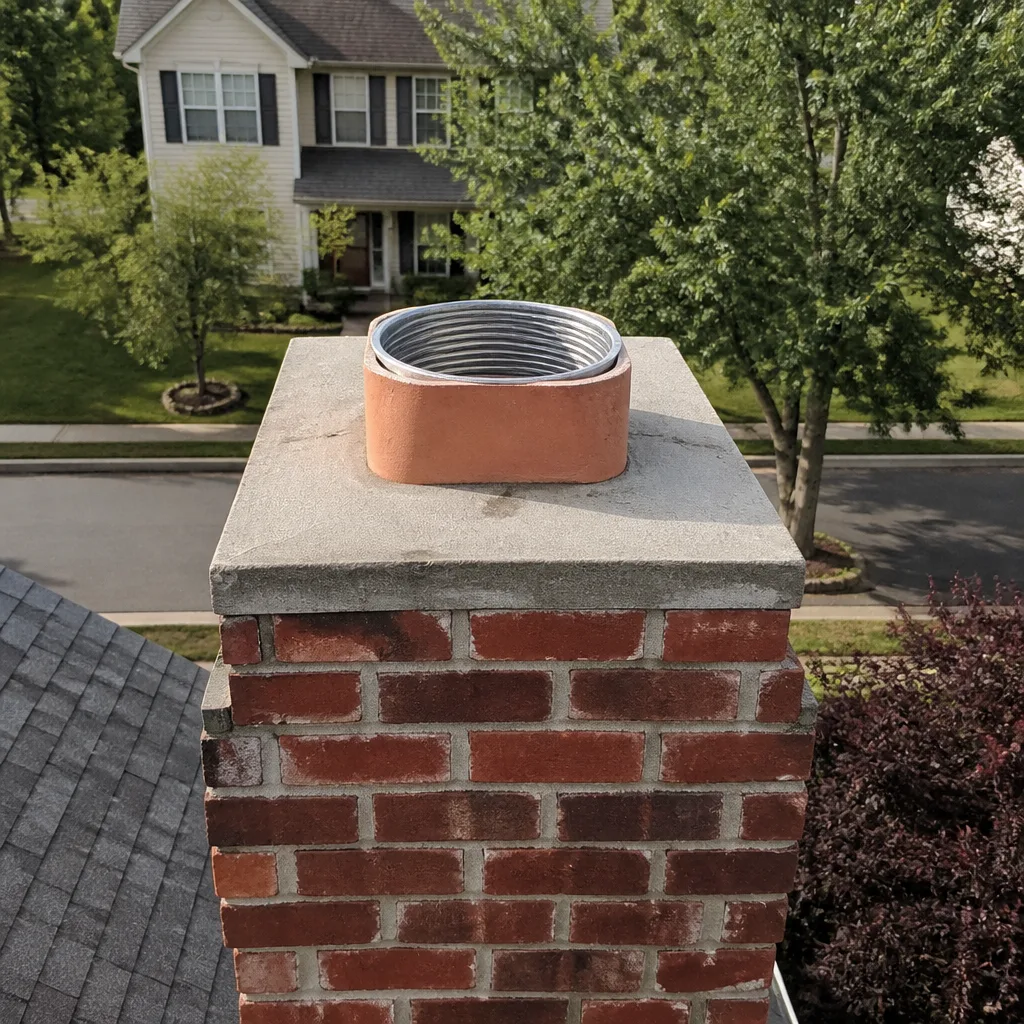 Flue relining
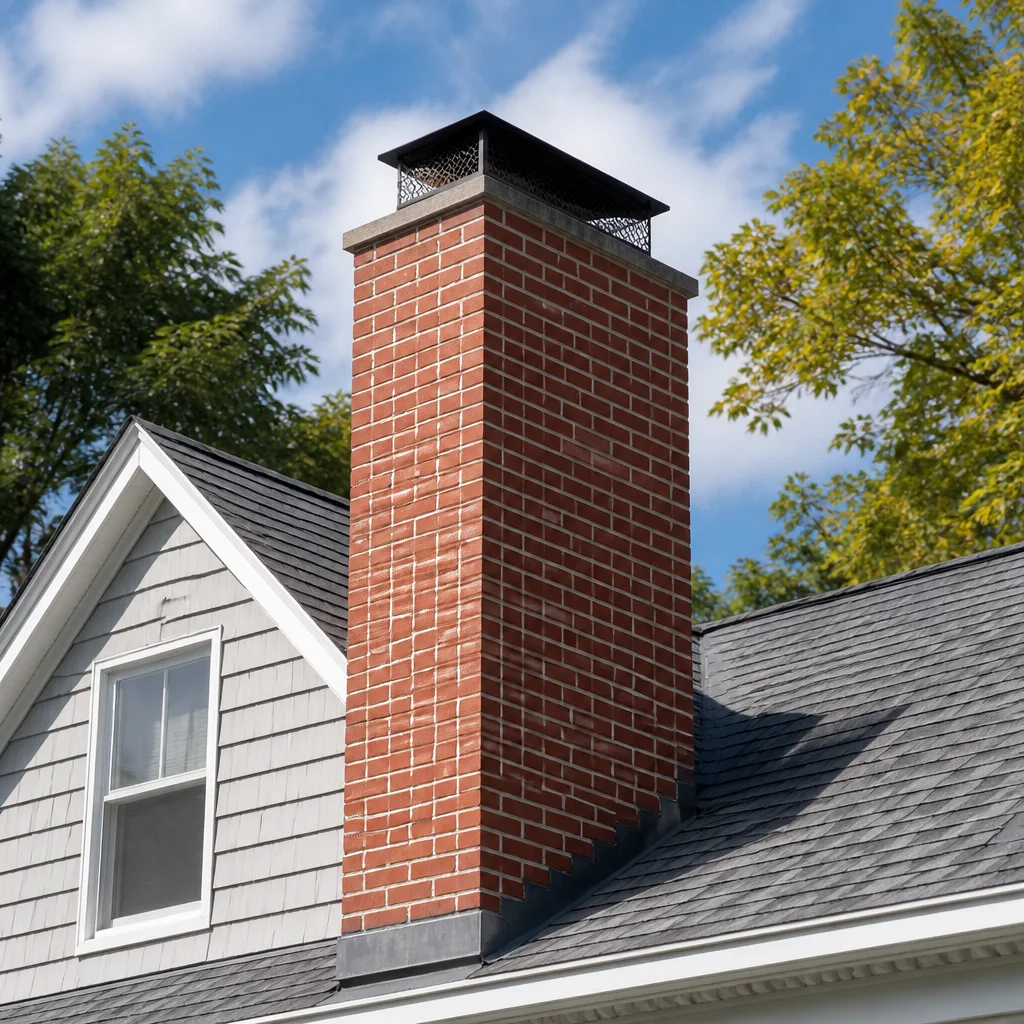 Masonry repair
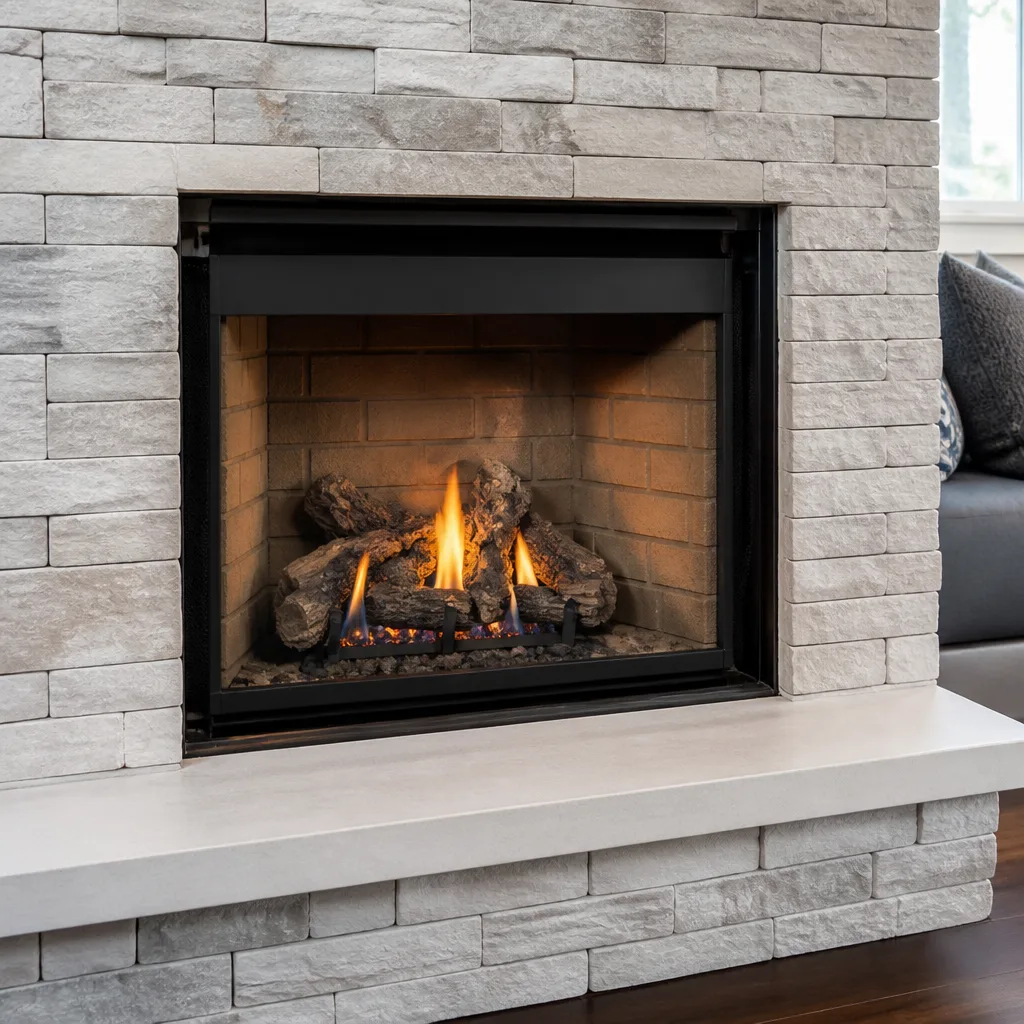 Gas fireplace service
Level 1 sweep and inspection to the NFPA 211 annual standard - flue, crown, cap, and flashing checked and photographed
Chimney sweep logs do not sweep chimneys. They loosen some creosote - which then falls where a brush and vacuum still have to collect it.
Chimney Sweep Troubleshooting in Avondale: Common Problems and How to Fix Them
If your fireplace smokes back into the room, plenty of chimney companies will tell you to burn hotter fires. That advice treats the symptom and skips the diagnosis. In Avondale, where flat-roof ranch homes and low-pitch additions are everywhere, a smoking fireplace usually has a specific, findable cause: too-short flue, negative pressure from the house itself, or a blocked or damaged liner. This guide walks through the chimney problems we see most in Avondale, maps each symptom to its root cause, and shows you what you can safely check yourself before anyone needs to come out.
Quick Answer
Most chimney problems in Avondale trace back to one of three things: creosote buildup, a compromised flue liner, or a draft and pressure problem tied to the home’s construction. Identifying which one you have before you spend money is the whole game. A camera inspection is what separates a guess from a diagnosis, and it’s the fastest route to the right fix.
Styles & brands we work with
- Sweep & inspection
- Caps & crowns
- Flue relining
- Masonry repair
- Gas fireplace service
Table of Contents
- Symptom to Cause: Mapping What You’re Seeing
- How Avondale Home Design Creates Draft Problems
- Why Your Chimney Smells in Summer
- What You Can Safely Check From the Firebox
- What’s DIY and What Needs a Professional
- Creosote: The Problem Behind Most Problems
- Liner Troubles: When Repair Beats Replacement
- Noises, Odors, and Other Odd Symptoms
Symptom to Cause: Mapping What You’re Seeing
Chimney troubleshooting starts with a simple principle: the symptom tells you which system is failing. Smoke rolling into the room is a pressure or height problem. A fire that lights slowly and struggles to draw is usually an obstruction or a draft issue. Odor without any burning is moisture. Noise is often an animal, a loose damper, or expansion in metal components. Each of these points to a different repair.
Here’s how we map the most common symptoms homeowners in Avondale describe:
- Smoke rolling back into the room: negative pressure in the house, a flue that’s too short for the roofline, or a partially closed damper. Occasionally a blockage.
- Slow, weak draw: creosote narrowing the flue, a nest or debris cap, or a liner that’s collapsed or separated at a joint.
- Smell with no fire burning: moisture reacting with creosote deposits, not simply a dirty chimney.
- Rust or white staining inside the firebox: water intrusion through the crown, cap, or flashing.
- Rattling or metallic ticking: a loose damper, a failing cap, or heat expansion in a liner component.
- Visible debris falling into the firebox: spalling liner material or crumbling mortar.
The mistake most homeowners make is assuming all of these need the same solution, which is a cleaning. Some do. Many don’t. If you skip past the diagnosis, you can spend money on a chimney sweep when the real issue is a draft problem, or buy a new cap when the actual cause is a liner that’s failed at a joint you can’t see.
How Avondale Home Design Creates Draft Problems
Chimneys in Avondale run into draft issues that you won’t find in a generic guide written for a two-story colonial. The dominant housing stock here is single-story with flat roofs or very low-pitch roof lines, and many homes have had additions built on without any change to the original chimney height. A chimney needs to clear the roof by enough distance to draw properly. When an addition raises the effective roof height around the flue, the chimney that worked fine for years suddenly doesn’t pull.
Flat roofs add a second wrinkle. Wind moving across a flat roof plane creates a different pressure pattern than it does over a pitched roof, and it can push air down the flue instead of pulling it up. Combine that with tighter, better-sealed modern construction, and the house itself can generate negative pressure that overwhelms the chimney’s draft.
If your fireplace only smokes on certain windy days, or only when the kitchen exhaust or bathroom fan is running, that’s a pressure story, not a cleanliness story. It’s also why we always look at the chimney’s height and clearance before recommending a fix. Raising a flue or installing a draft-improving cap collar is often the correct answer, and it costs far less than rebuilding a chimney that was never the problem.
The other Avondale-specific factor is how often chimneys here sit on homes with older, non-standard flue configurations. Installations from decades past didn’t always follow modern clearance rules. A flexible liner system like DuraFlex is often how we bring those flues into compliance without tearing into the structure.
Why Your Chimney Smells in Summer
Creosote smell in the middle of summer, with no fire having burned for months, almost always signals moisture rather than a cleaning backlog. Creosote is hygroscopic. It pulls water vapor out of the air. When humidity rises and the chimney is drawing poorly because nothing is burning, that creosote releases an acrid, smoky odor straight into the living space.
In Avondale, the monsoon season brings a sharp jump in humidity after months of dry heat. That swing is exactly when homeowners notice the smell. It’s not that the chimney got dirtier. It’s that the deposits that were already there are now damp.
There are two problems hiding inside that smell:
- The deposits themselves. A proper cleaning removes the fuel source for the odor.
- The moisture pathway. If water is getting in through a failed crown, a missing cap, or compromised flashing, cleaning alone won’t stop the smell from returning.
That’s why we inspect before we sweep. A chimney that smells in July needs a cap and crown check as much as it needs a brush. If you’re wondering whether it’s worth calling, our breakdown of chimney repair covers the water-intrusion repairs that solve recurring odor at the source.
What You Can Safely Check From the Firebox
You can learn a lot without climbing anything or opening anything up. Everything on this list is visible from the firebox opening with a flashlight, and none of it involves reaching into the flue, touching the damper mechanism while the fire is lit, or getting on the roof.
Look for these five things:
- Spalling on the liner or brick face: flaking, peeling, or powdery surfaces. That’s material breaking down, not soot.
- Mortar debris on the smoke shelf: sand-like grit collected at the base of the flue is a sign joints are failing above.
- Rust staining or white efflorescence: moisture has been moving through the masonry.
- Damper operation: open and close it by hand with no fire burning. It should move cleanly and sit flat when open.
- Creosote texture on the flue walls you can see: soot wipes off; glazed, shiny, tar-like creosote doesn’t.
What we don’t want you doing is reaching up into the flue, removing a damper assembly to look above it, or climbing onto the roof to check the cap yourself. Chimneys are the most common site of serious falls on residential property, and flue interiors can hide structural failures that won’t hold weight or that release debris without warning. Note what you see, then let a trained technician confirm it with a camera.
What’s DIY and What Needs a Professional
Not every chimney job requires a professional visit, and we’d rather tell you that honestly than sell you a callout you don’t need. Some fixes are genuinely within reach for a careful homeowner. Others carry real injury risk or require tools and camera equipment you don’t have.
Fixes you can reasonably handle yourself:
- Damper adjustment. If your fireplace smokes only when the damper isn’t fully open, that’s a habit and hardware issue, not a chimney failure. Check that the damper opens fully and latches flat.
- Cap replacement. A missing or damaged cap is a straightforward swap in most cases, and it’s one of the highest-value fixes for keeping water and animals out. If you’re comfortable on a ladder and your roof access is safe, this is a reasonable job.
- Firewood storage. Moving wood off the hearth and away from the exterior wall reduces moisture load and pest pressure.
Fixes that need a professional:
- Anything involving the flue liner. You cannot see a failed joint from the firebox, and you cannot safely reach it. This calls for a camera inspection.
- Creosote removal beyond light soot. Glazed creosote is a fire hazard and requires proper rotary tools, containment, and disposal.
- Crown, flashing, and masonry repairs. These involve roof access and structural work.
- Draft and pressure diagnosis. This requires measuring, not guessing.
If you’re unsure which category your issue falls into, the honest answer is that a professional camera inspection settles it. We use HeatShield ceramic resurfacing when a liner is damaged but structurally salvageable, and that decision can only be made once someone has actually looked at the flue.
Creosote: The Problem Behind Most Problems
Creosote is the unburned byproduct of wood combustion that condenses on the cooler surfaces of the flue. It accumulates in three forms, and they behave very differently. The first is light, flaky soot that brushes away easily. The second is a crusty, brittle deposit that requires more aggressive removal. The third is glazed, tar-like creosote that has baked onto the flue wall and is genuinely difficult to remove.
The safety concern isn’t decorative. Glazed creosote is highly combustible, and a chimney fire fed by heavy deposits can damage the liner and, in serious cases, reach the structure of the house. That’s the specific, concrete reason annual sweeping matters. It isn’t a vague warning about fireplaces. It’s about what’s coating the inside of your flue right now.
How fast creosote builds depends on how you burn:
- Burn dry, seasoned wood. Green or wet wood produces far more creosote.
- Don’t smolder fires. Low, slow, smoky burns create the deposits that hot fires burn off.
- Avoid restricting the air supply to make a fire last longer overnight.
- Sweep on a regular schedule, especially if you burn frequently through the season.
Most homes that burn wood regularly should be swept and inspected once a year. If you burn often or your flue is already known to build deposits quickly, twice a year is reasonable. A Chimney Sweep Avondale visit covers both the cleaning and the inspection in one stop, so you’re not scheduling two separate appointments.
Liner Troubles: When Repair Beats Replacement
The flue liner is the barrier between combustion gases and the structure of your chimney. When it fails, you get one of three things: gases escaping into the house, moisture getting into the masonry, or a draft that can’t hold because the flue is no longer a smooth, continuous column.
Homeowners tend to assume a failed liner means a full relining job with a heavy price tag. Sometimes that’s correct. Frequently it isn’t. When the damage is limited to cracks, gaps at joints, or a rough interior surface, in-situ resurfacing with a system like HeatShield can restore the liner to a functional, code-compliant state without removing it. That’s the middle path most people don’t know exists, and it’s a meaningful cost difference.
When the liner is structurally beyond resurfacing, or the flue geometry doesn’t allow a sprayed application, a flexible stainless liner is the correct fix. We use DuraFlex systems for this because they work in older and non-standard flue configurations where a rigid liner simply won’t fit or won’t follow the bends. The flue gets a continuous, sealed pathway from the firebox to the top, which is what proper draft depends on.
Which route applies to you is a question only an inspection can answer. That’s why we don’t quote a liner job over the phone.
Noises, Odors, and Other Odd Symptoms
Some chimney symptoms don’t fit neatly into the draft or creosote categories, and they get misdiagnosed as a result.
Scratching or flapping sounds. Birds, squirrels, and other animals get into chimneys through a missing or damaged cap. This is a cap problem first and an animal problem second. Famco and Copperfield caps and dampers let us close that entry point with manufacturer-specified components rather than a generic cover.
Metallic ticking during a fire. Usually expansion in a metal liner or a damper component. Worth checking, rarely dangerous, but it should be confirmed.
Chemical or acrid odor during a fire. Often burning debris on the smoke shelf, or deposits on the damper face. Sometimes it means the liner is deteriorating and combustion gases are contacting materials they shouldn’t. This one should be inspected, not ignored.
A whistle or howl in wind. Air moving across the top of the flue. A properly fitted cap with the right collar usually solves it.
If you’re in Avondale and something about your chimney doesn’t sound or smell right, the answer is the same in every case: get eyes on it before you start guessing at parts. Our team has written up the local service area at Avondale if you’d like to see what a visit covers.
Common Mistakes to Avoid
- Burning hotter to fix smoke rollout. If the cause is negative pressure or inadequate flue height, a hotter fire can make the rollout worse. Diagnose the pressure before you change your burning habits.
- Buying a cap without checking the flue first. A cap won’t fix a draft problem, and installing one on a chimney with a failing crown just traps moisture underneath.
- Assuming summer odor means you need a cleaning. The smell in Avondale’s humid months is often a moisture problem. Cleaning without fixing the water pathway brings the smell right back.
- Cleaning the firebox and calling it done. The firebox is what you can see. The flue is where the fire hazard, the liner condition, and the draft actually live.
- Ignoring small mortar grit on the smoke shelf. That grit is a signal from the joints above. Waiting turns a resurfacing job into a relining job.
- Skipping the annual inspection because you haven’t had a problem. The problems that matter most are the ones you can’t see from the living room.
- Letting a contractor quote a liner without showing you the evidence. Ask for the camera footage. A repair recommendation should be something you can look at and understand, not something you take on faith.
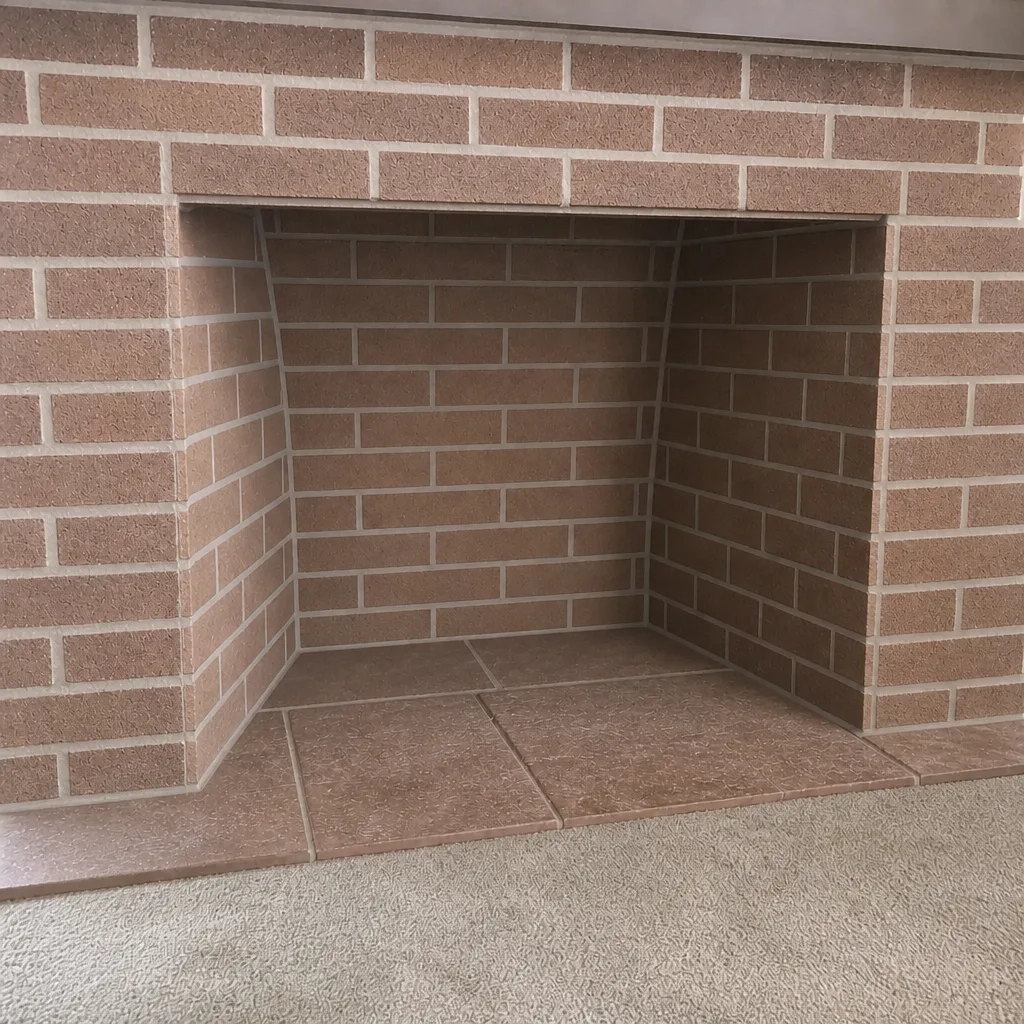
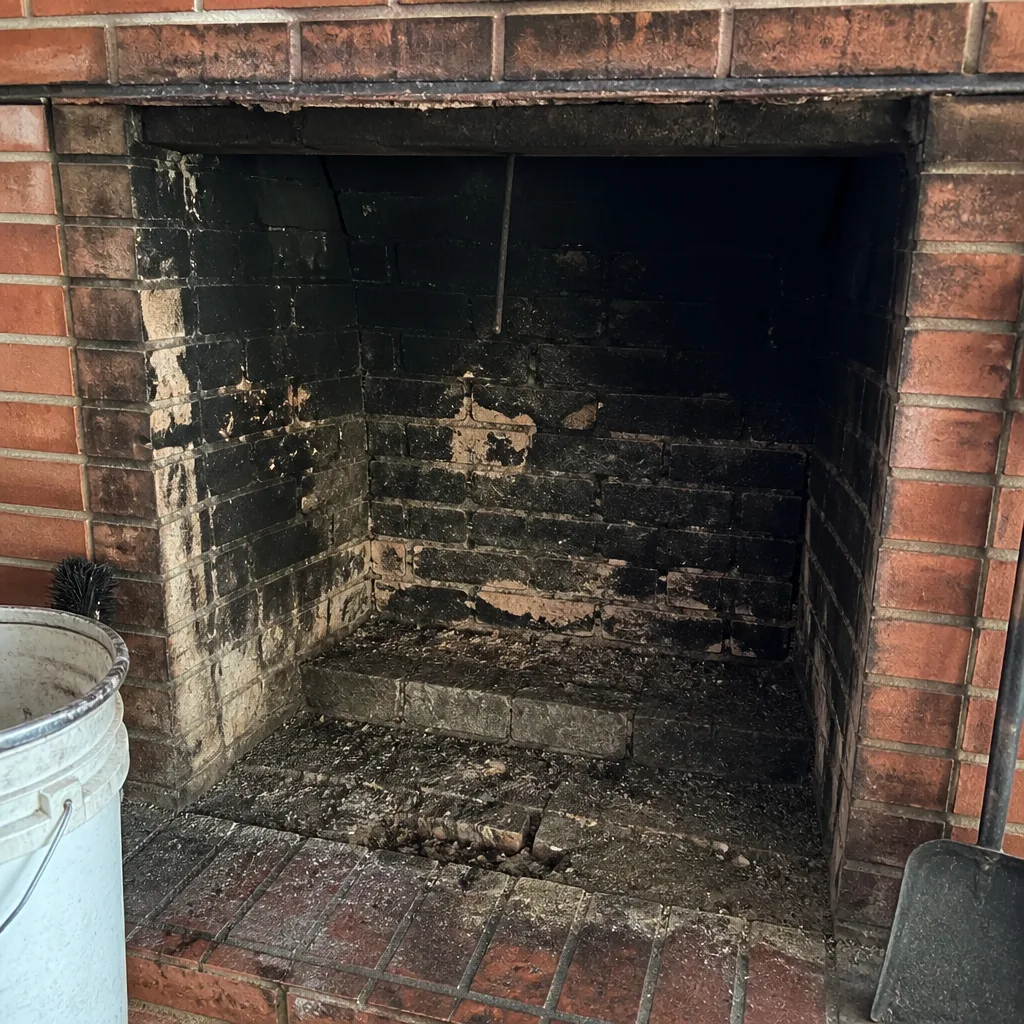
See the difference
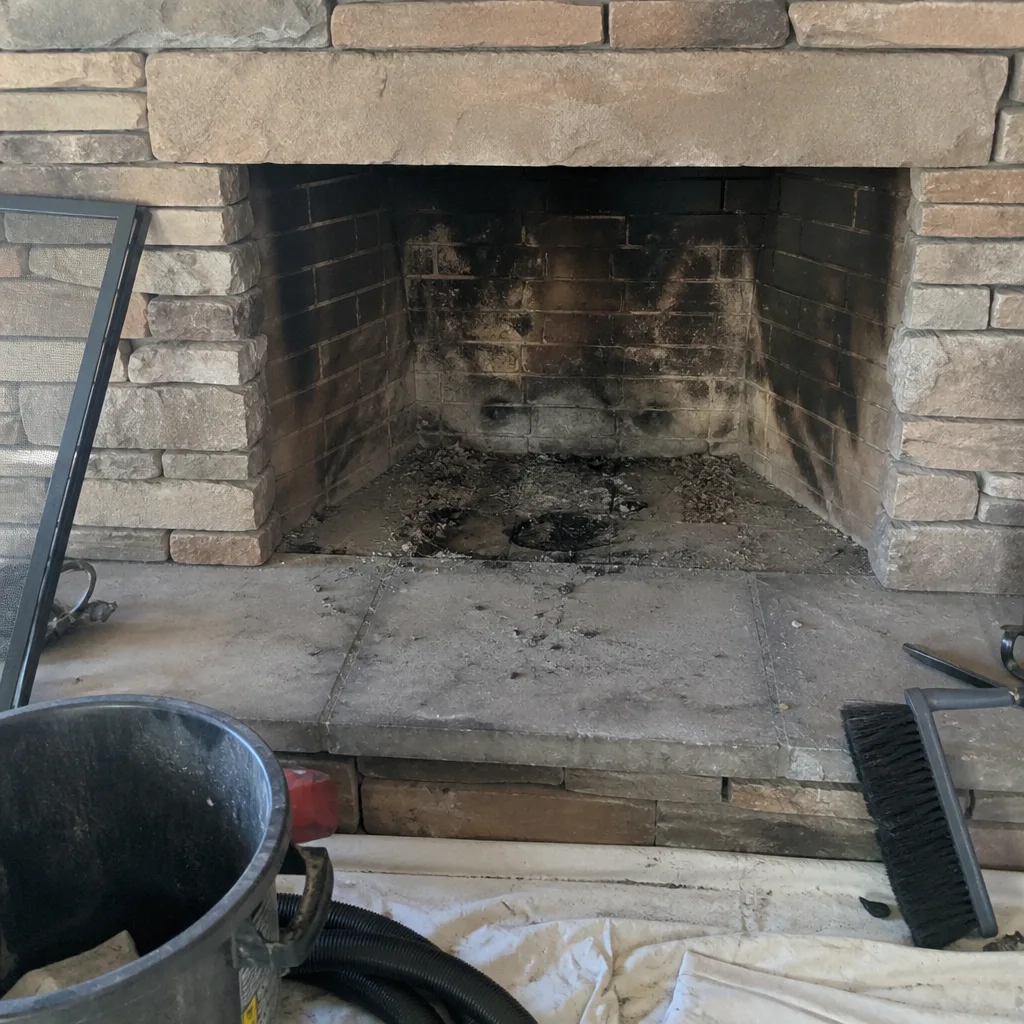 Before
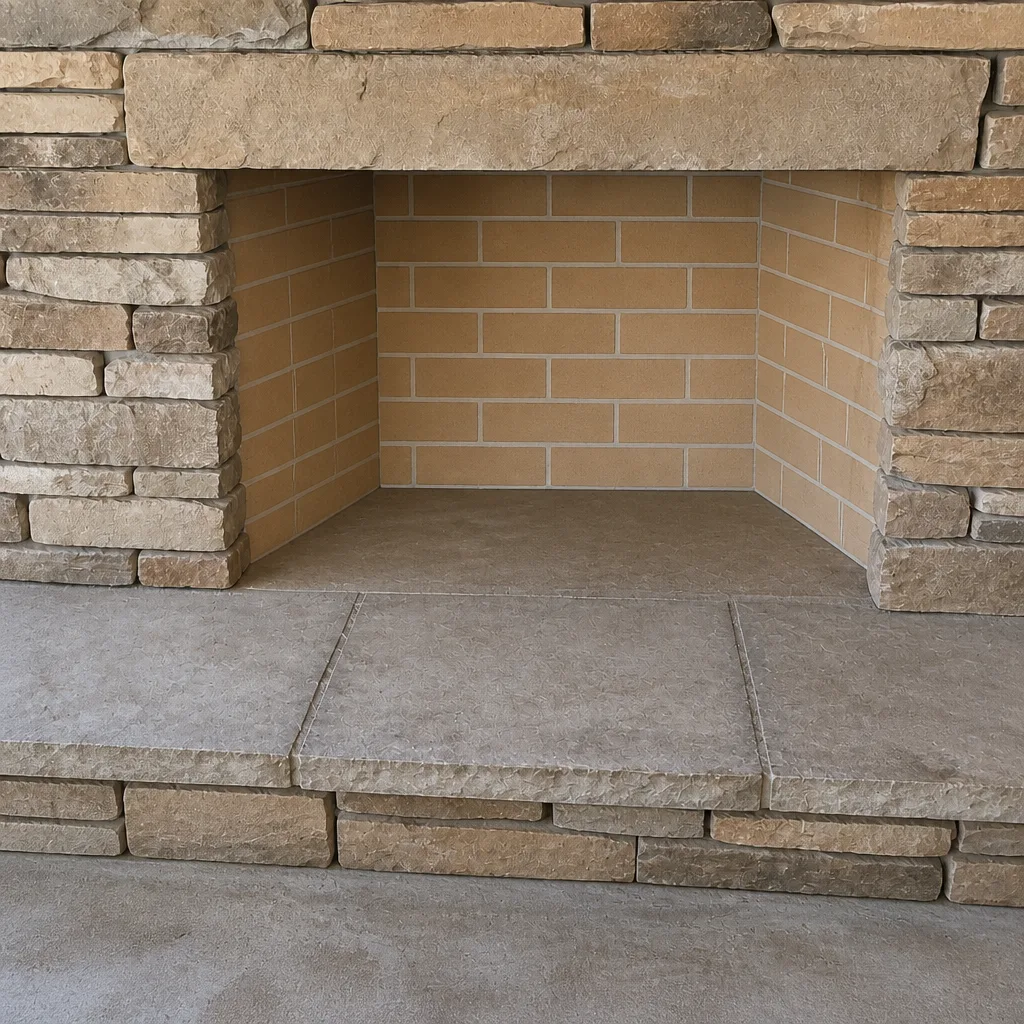 After
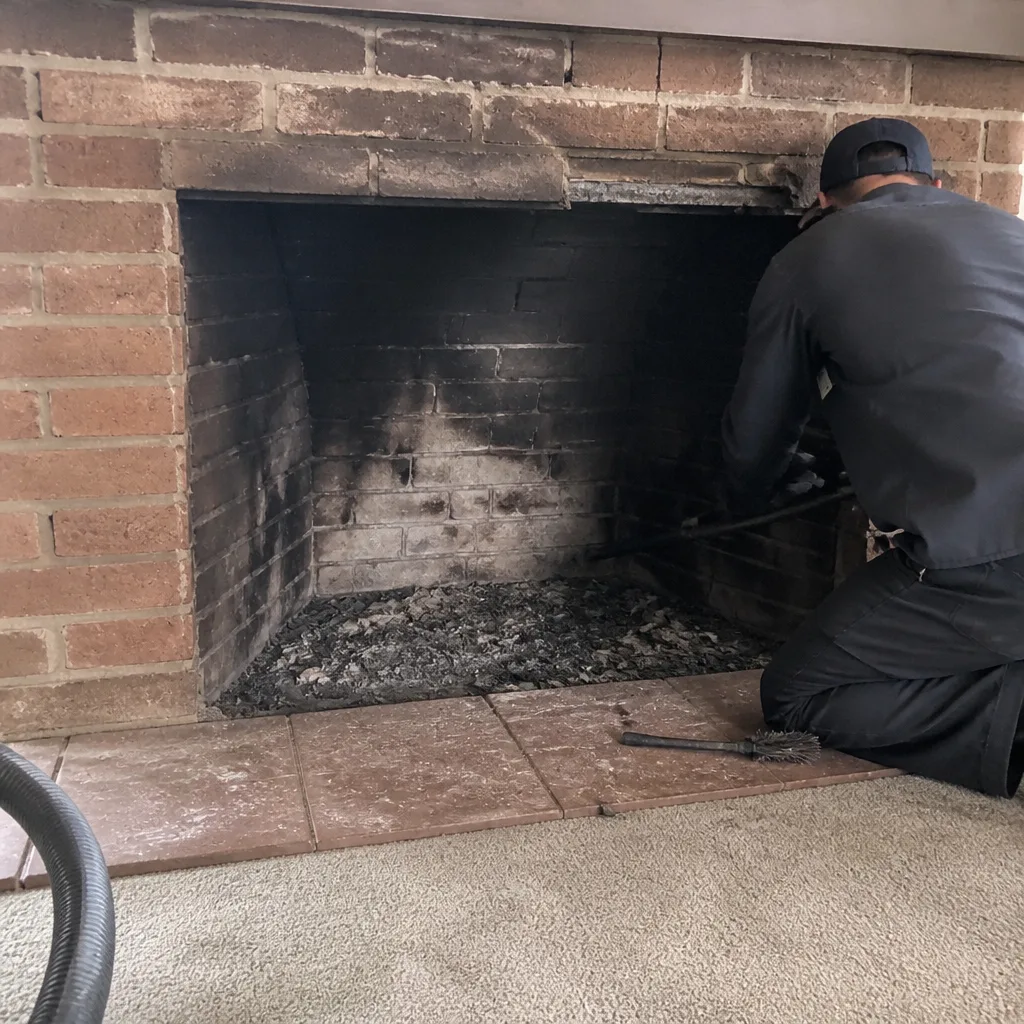 Before
 After
 Before
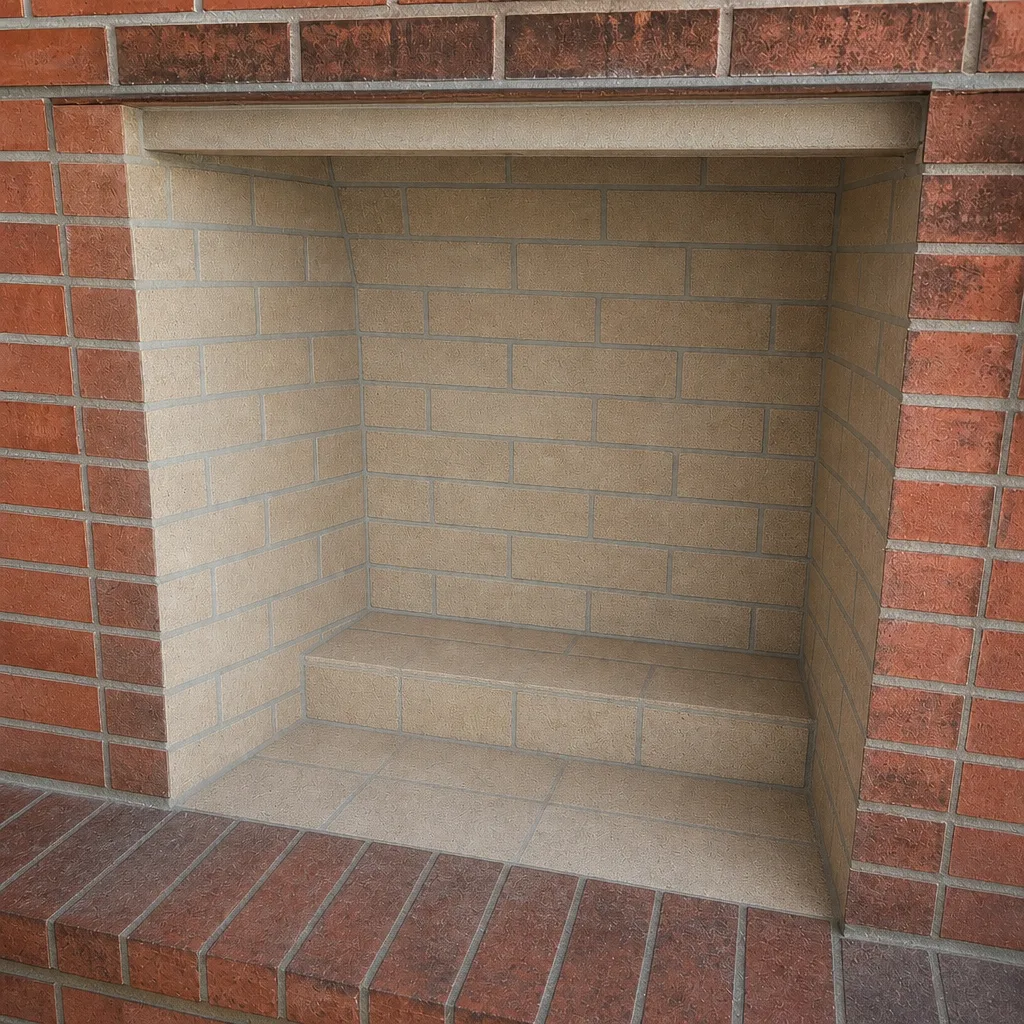 After
When to Call a Professional
Call when you see spalling or mortar grit from the firebox, when your fireplace smokes into the room on windy days or with exhaust fans running, when you smell creosote in summer with no fire burning, or when you hear animals in the flue. Call when it’s been more than a season since your last inspection, and call before your first fire of the season if you haven’t. A camera inspection is the diagnostic step that clarifies all of these, and nothing gets recommended without evidence you can see. Chimney Sweep Avondale offers free estimates in Avondale. Call (833) 906-6774. We answer 24/7. Fast dispatch from 7am to 7pm, Sunday through Friday.
Frequently Asked Questions
Smoke rollout in Avondale is usually a pressure or height problem, not a dirty chimney. Flat roofs, low-pitch additions, and tightly sealed homes combine to create negative pressure the chimney can’t overcome, or the flue is too short to clear the changed roofline. A camera inspection and height check will confirm which one applies.
It’s common but not normal, and it points to moisture. Creosote absorbs humidity, and when monsoon season raises the humidity, the deposits release a smoky odor into the house. The fix is a cleaning plus a check of the cap, crown, and flashing to stop the water pathway.
Once a year for most homes, and twice a year if you burn wood frequently or your flue builds deposits quickly. Avondale’s long fire-free season means deposits have months to sit and collect moisture, so an inspection before the first burn is the practical benchmark.
Yes, if your roof access is safe and you’re comfortable on a ladder, a cap swap is a reasonable homeowner job. Have the flue inspected first, though. Installing a cap over a failing crown or an already-deteriorated liner just traps the moisture problem underneath.
No. When damage is limited to cracks, joint gaps, or surface deterioration, in-situ resurfacing with a system like HeatShield restores the liner without removing it. Full replacement or a flexible DuraFlex liner is the right call when the existing flue is structurally beyond salvaging.
A camera inspection shows the inside of the flue from top to bottom, including joint condition, creosote texture, and any spalling or separation. You see the footage. That’s how a repair recommendation gets backed by something you can look at yourself rather than a verbal estimate.
The Bottom Line
Most chimney problems in Avondale have a specific cause, and the symptom you’re noticing usually points to it. Smoke in the room means pressure or height. Odor in summer means moisture. Grit in the firebox means failing mortar. Glazed creosote means a fire risk. Match the symptom to the cause before you spend money, do the safe checks yourself, and get a camera inspection for anything involving the flue interior. One team handling the sweep, the inspection, and the repair means the people who find the problem are the people who fix it. Call (833) 906-6774 for a free estimate in Avondale. We answer 24/7. Fast dispatch from 7am to 7pm, Sunday through Friday.
Written by the team at Chimney Sweep Avondale.